About this artwork
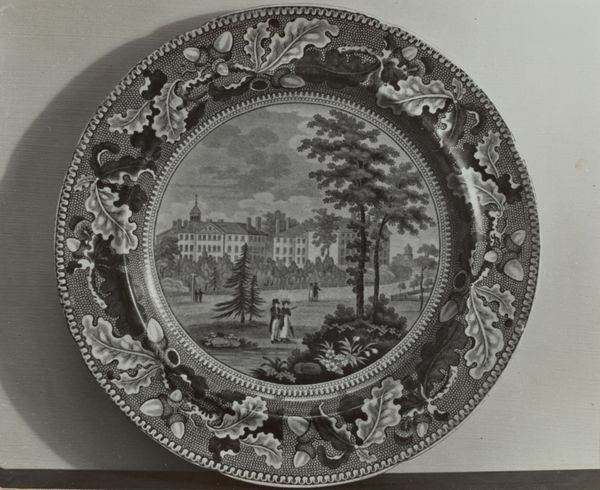
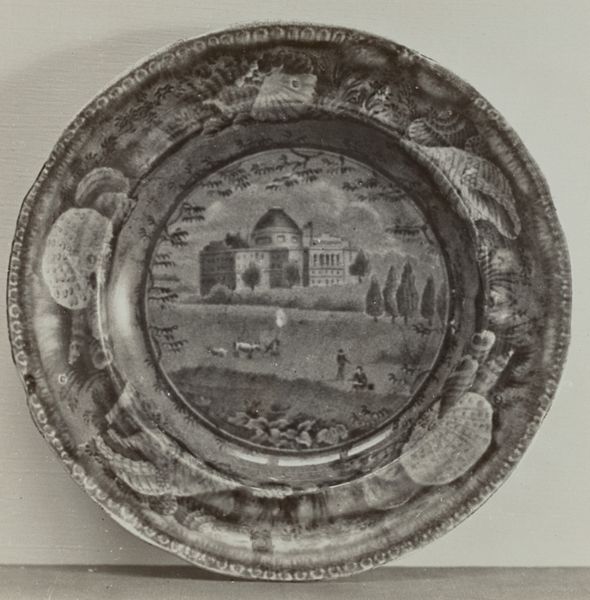
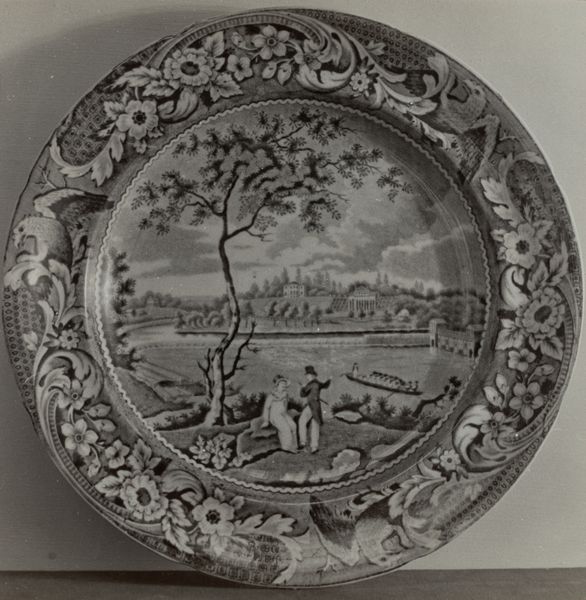
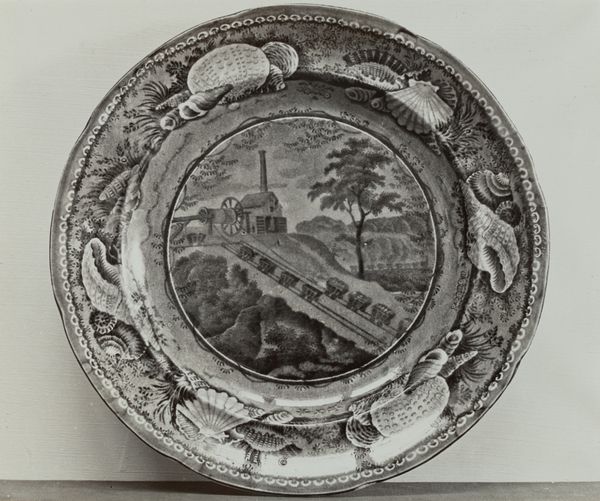
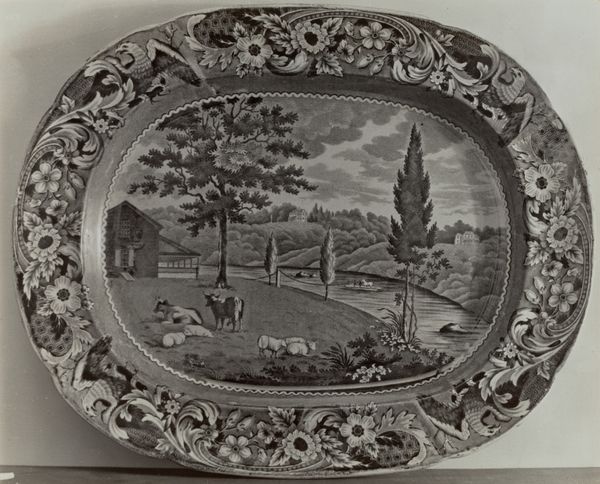
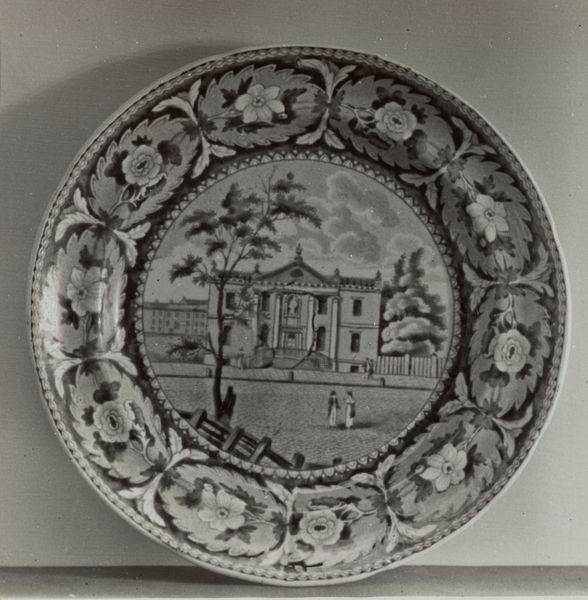
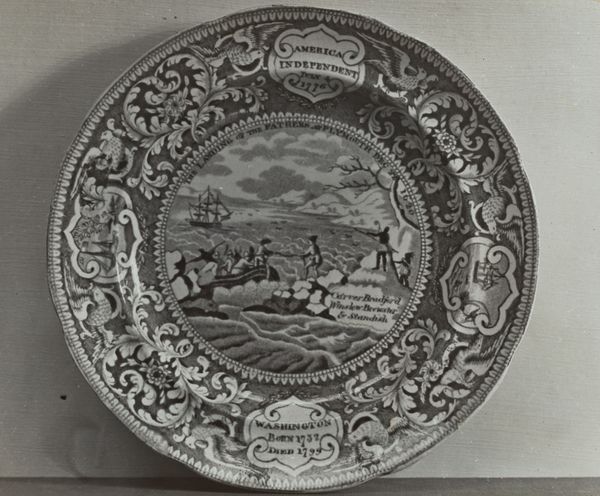
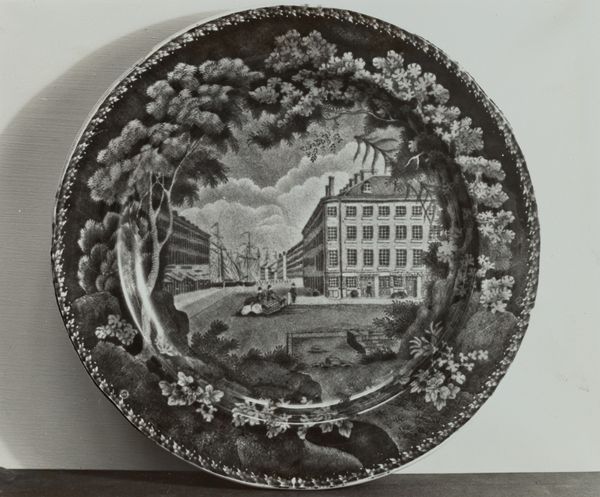
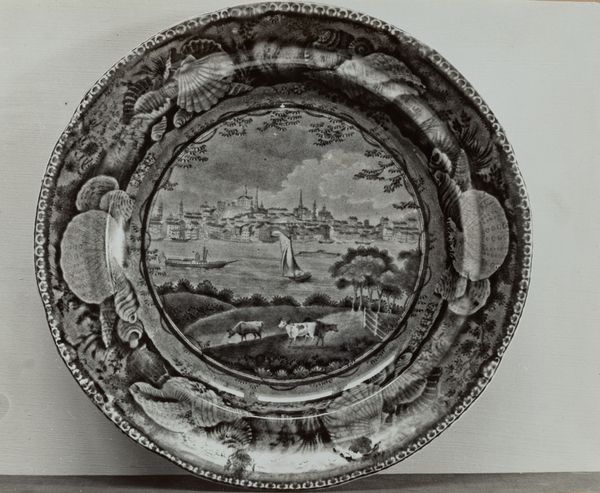
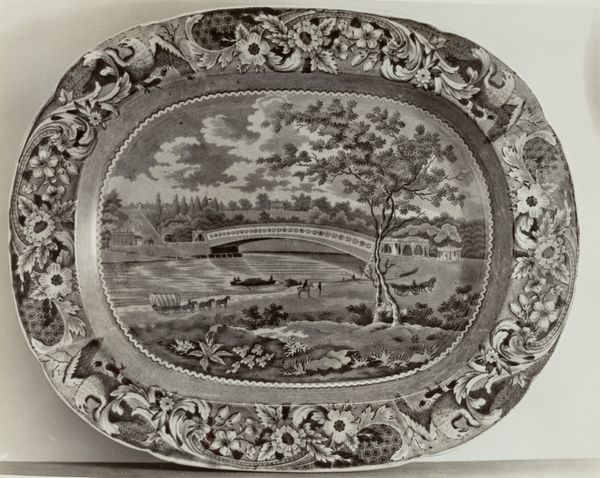
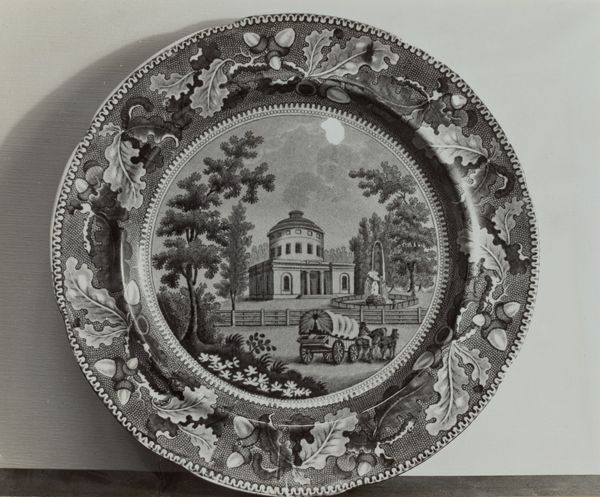
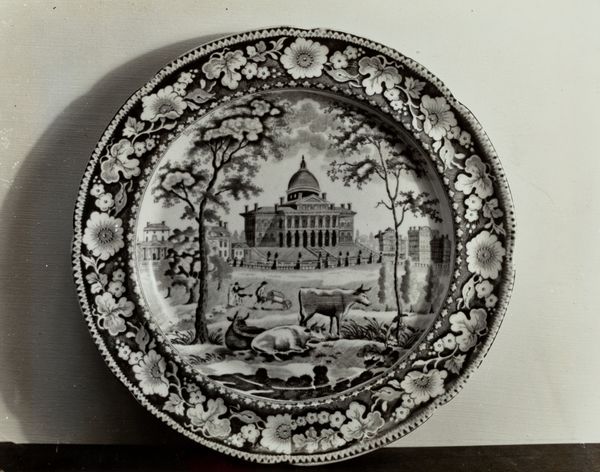
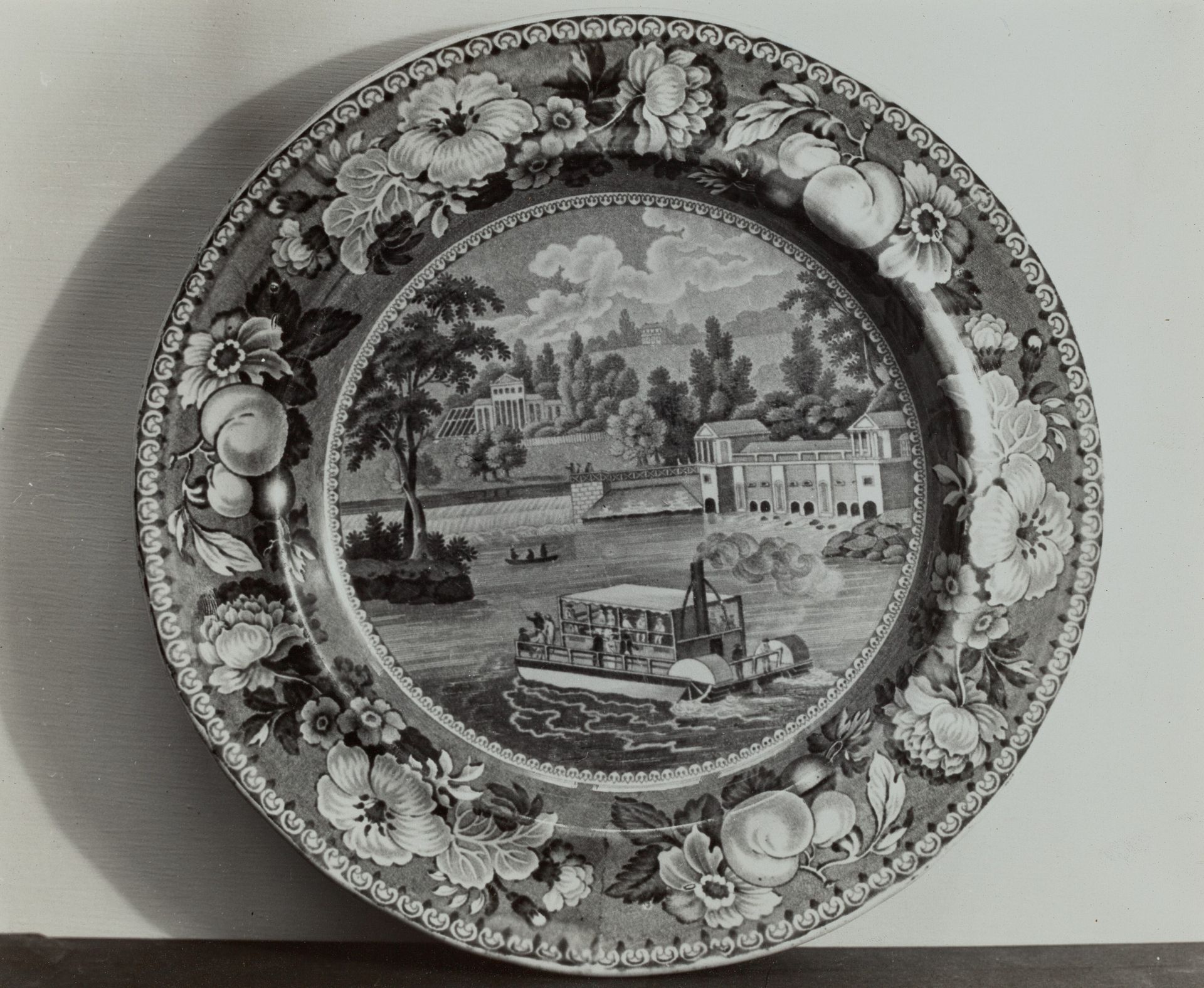
This plate, which depicts the Fairmount Waterworks in Philadelphia, was made by Helmut Hiatt, who passed away in 1995. It is a reminder that even functional objects carry cultural significance. The image on the plate is transfer-printed, a technique that emerged in the late 18th century as a way of decorating ceramics with detailed imagery. This process involves engraving a design onto a copper plate, inking it, and then transferring the image onto the ceramic surface. This mechanized process allowed for mass production. The imagery, showing a steamboat with people traveling on the river, and the industrial buildings for the waterworks, offers insight into the social and economic values of the time, reflecting the prevailing interest in industrialization, technology, and consumerism. By appreciating its material and production, we understand the intricate relationship between craft, design, and society.
Plate - "Damn and Waterworks, Philadelphia" c. 1936


Artwork details
- Medium
- drawing, print, ceramic
- Dimensions
- overall: 20.3 x 25.4 cm (8 x 10 in.) Original IAD Object: 9 7/8" in diameter
- Copyright
- National Gallery of Art: CC0 1.0
Tags
drawing
sculpture
landscape
ceramic
charcoal art
genre-painting
decorative-art
Comments
No comments
About this artwork
This plate, which depicts the Fairmount Waterworks in Philadelphia, was made by Helmut Hiatt, who passed away in 1995. It is a reminder that even functional objects carry cultural significance. The image on the plate is transfer-printed, a technique that emerged in the late 18th century as a way of decorating ceramics with detailed imagery. This process involves engraving a design onto a copper plate, inking it, and then transferring the image onto the ceramic surface. This mechanized process allowed for mass production. The imagery, showing a steamboat with people traveling on the river, and the industrial buildings for the waterworks, offers insight into the social and economic values of the time, reflecting the prevailing interest in industrialization, technology, and consumerism. By appreciating its material and production, we understand the intricate relationship between craft, design, and society.
Comments
No comments