About this artwork
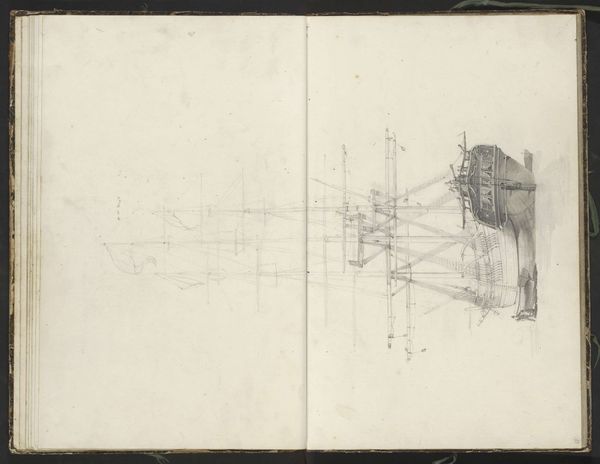
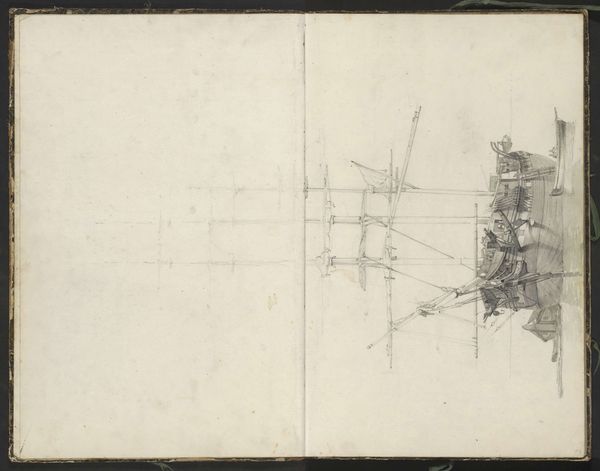
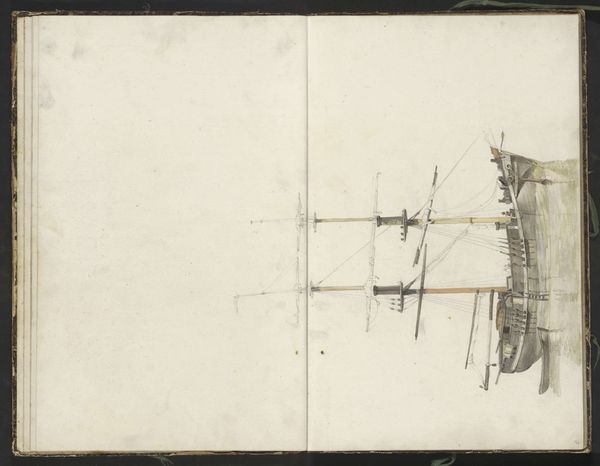
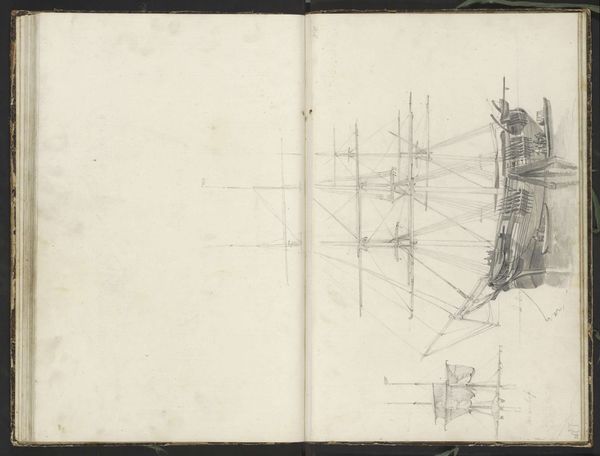
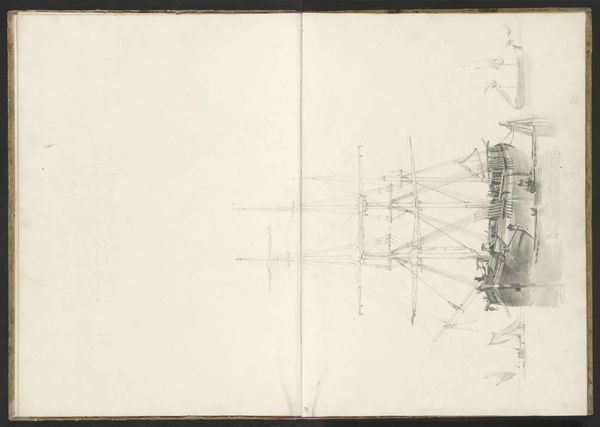
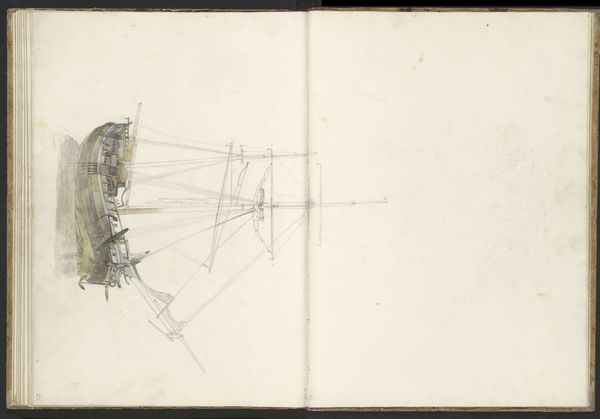
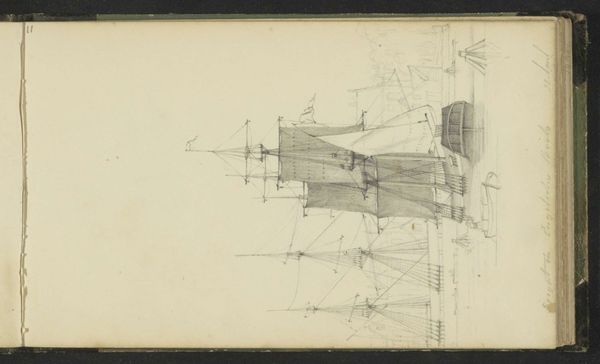
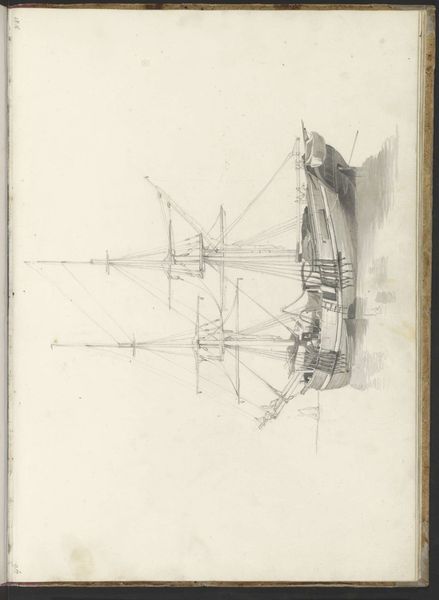
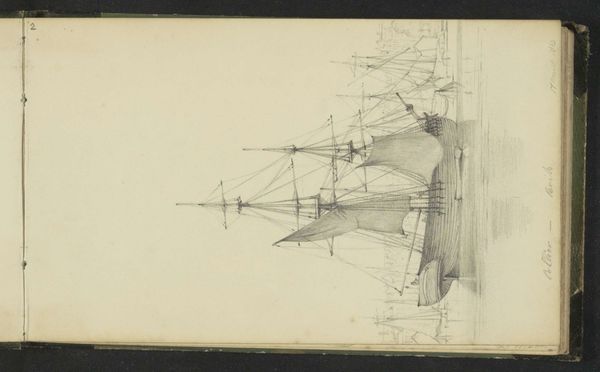
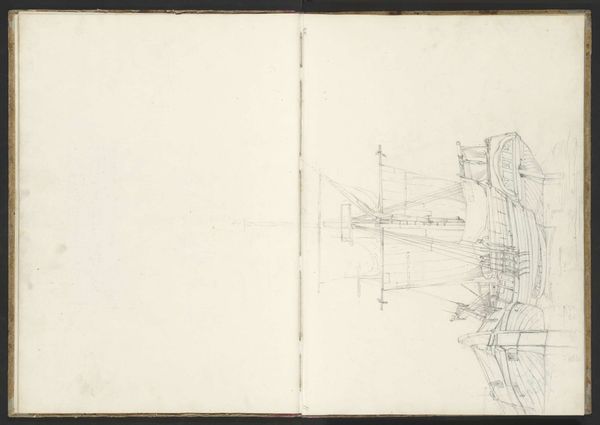
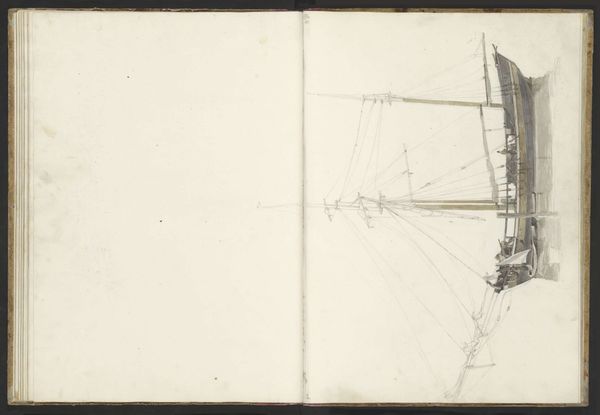
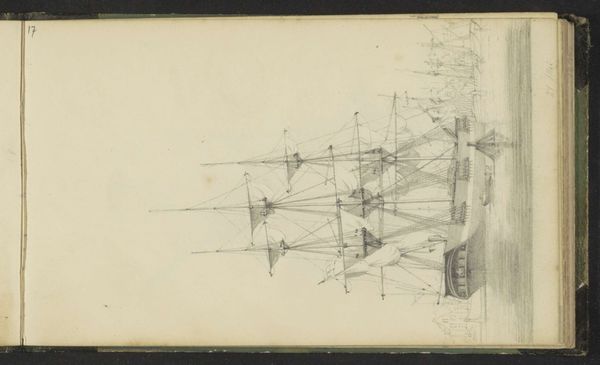
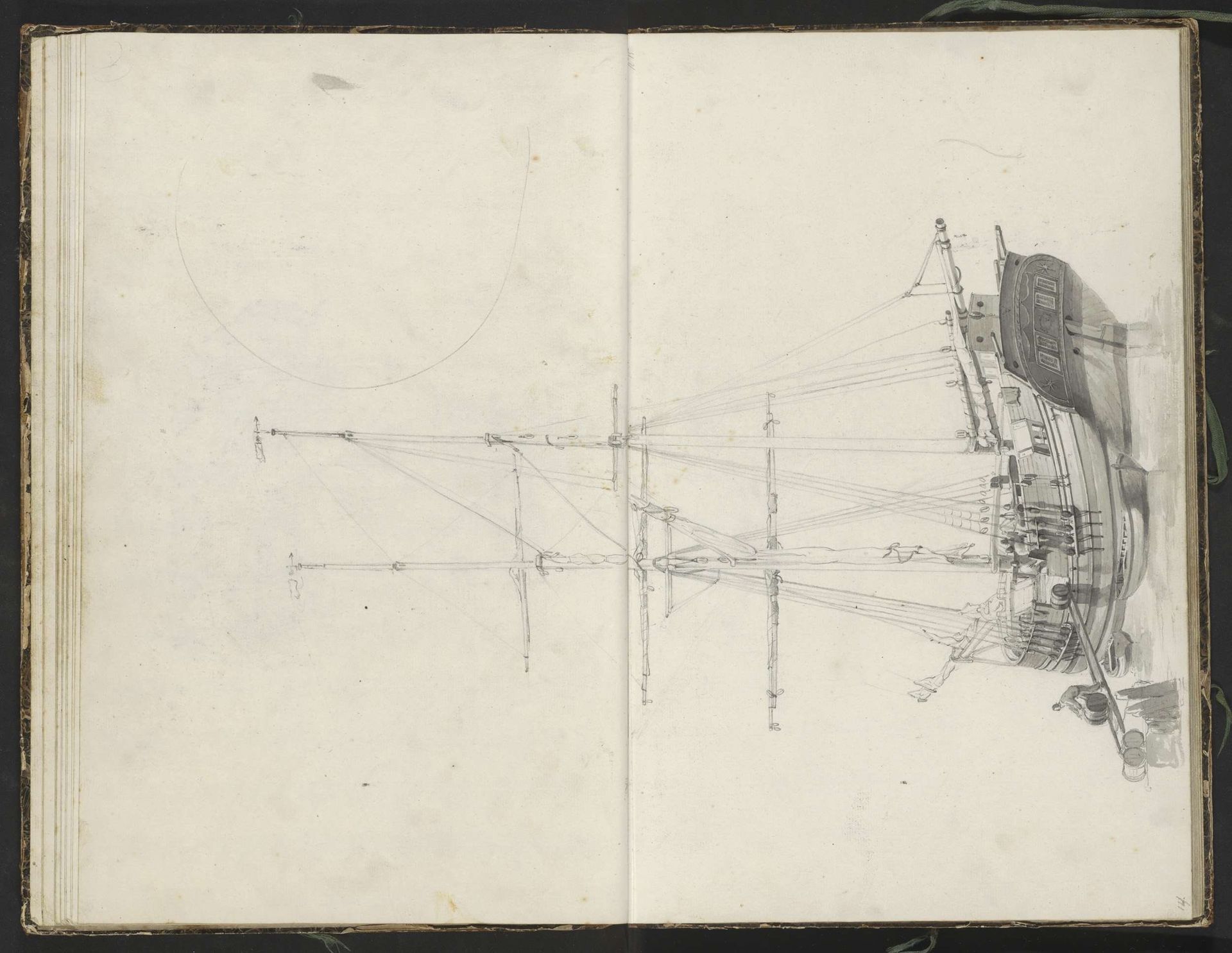
This undated drawing titled 'Lossen van tonnen op een afgemeerd zeilschip'—or 'Unloading barrels on a moored sailing ship'— is by Johannes Christiaan Schotel. Given Schotel’s lifetime at the turn of the 19th century, this image can be understood in the context of the Netherlands' extensive maritime history, including both its powerful presence in global trade and the legacy of the Dutch East India Company. But this delicate sketch, with its almost ethereal quality, prompts a closer look beyond the grand narratives of maritime power. It invites us to consider the labor and lives of the individuals involved in maritime activities: the sailors, the dockworkers, and the merchants who shaped the economic and cultural exchanges of the era. It is through their collective efforts that maritime trade and nautical knowledge were built and maintained. By focusing on the mundane task of unloading barrels, Schotel captures the human element of maritime commerce. It invites us to consider their stories and contributions to the grand narratives of maritime trade and nautical knowledge.
Lossen van tonnen op een afgemeerd zeilschip 1797 - 1838

Johannes Christiaan Schotel
1787 - 1838Location
RijksmuseumArtwork details
- Medium
- drawing, pencil
- Location
- Rijksmuseum
- Copyright
- Rijks Museum: Open Domain
Tags
drawing
landscape
romanticism
pencil
Comments
No comments
About this artwork
This undated drawing titled 'Lossen van tonnen op een afgemeerd zeilschip'—or 'Unloading barrels on a moored sailing ship'— is by Johannes Christiaan Schotel. Given Schotel’s lifetime at the turn of the 19th century, this image can be understood in the context of the Netherlands' extensive maritime history, including both its powerful presence in global trade and the legacy of the Dutch East India Company. But this delicate sketch, with its almost ethereal quality, prompts a closer look beyond the grand narratives of maritime power. It invites us to consider the labor and lives of the individuals involved in maritime activities: the sailors, the dockworkers, and the merchants who shaped the economic and cultural exchanges of the era. It is through their collective efforts that maritime trade and nautical knowledge were built and maintained. By focusing on the mundane task of unloading barrels, Schotel captures the human element of maritime commerce. It invites us to consider their stories and contributions to the grand narratives of maritime trade and nautical knowledge.
Comments
No comments