About this artwork
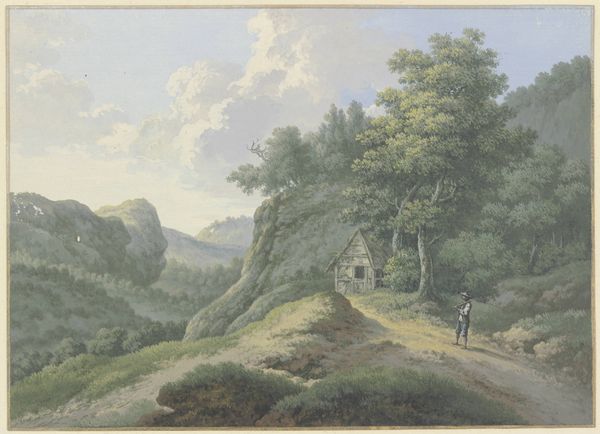
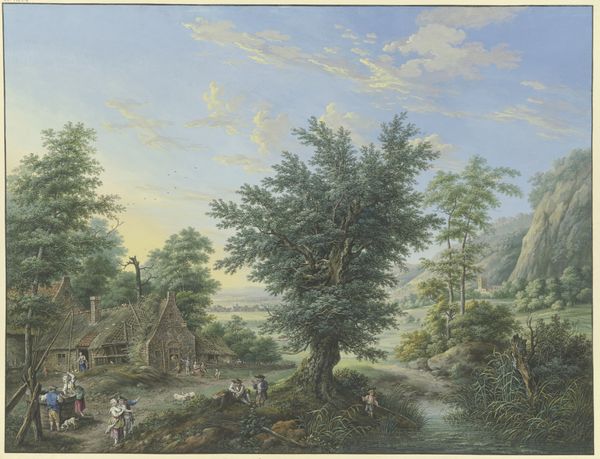
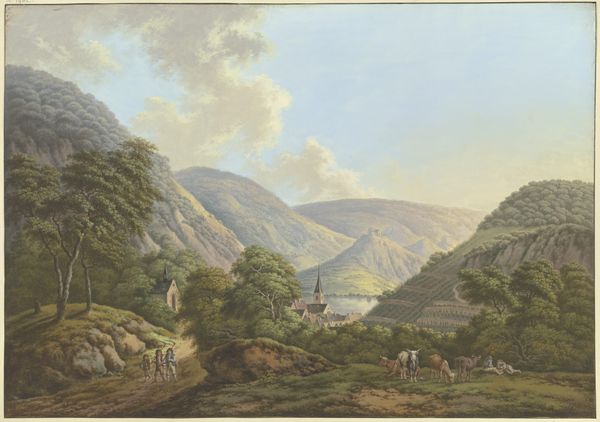
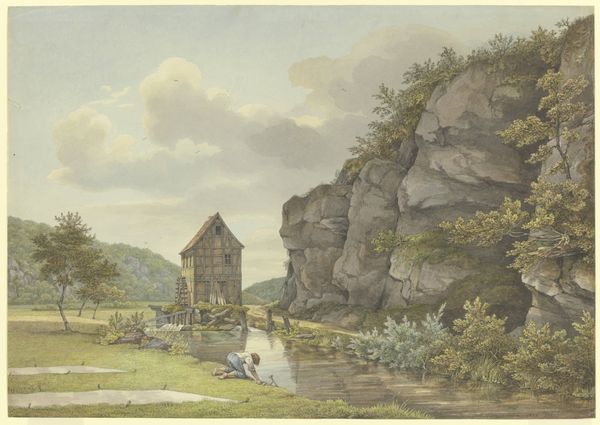
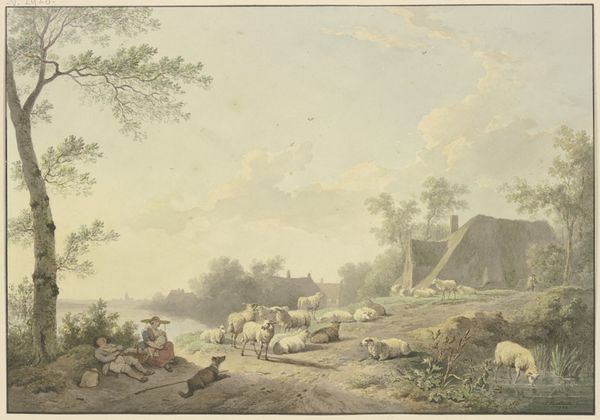
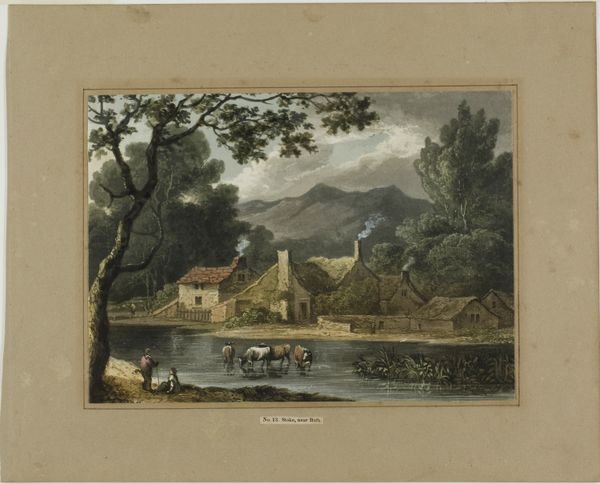
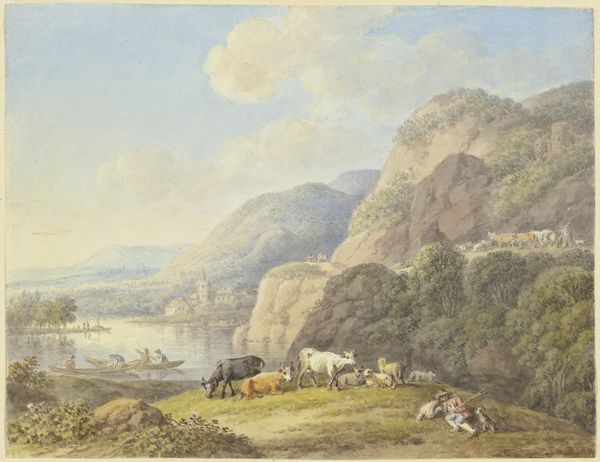
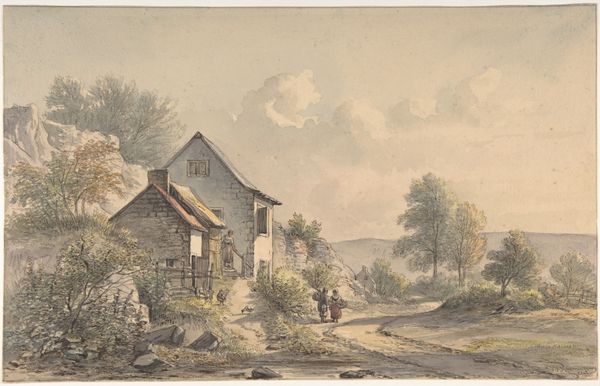
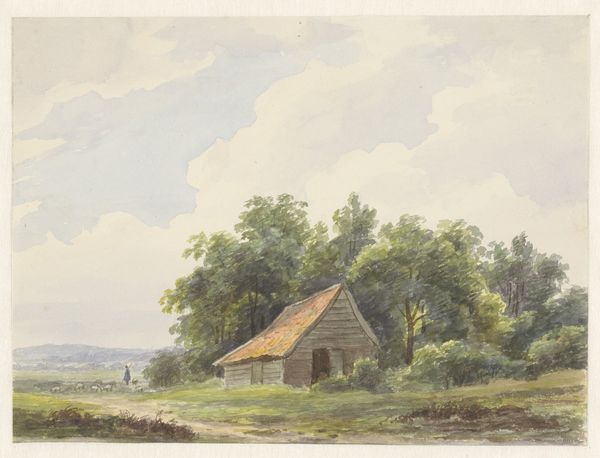
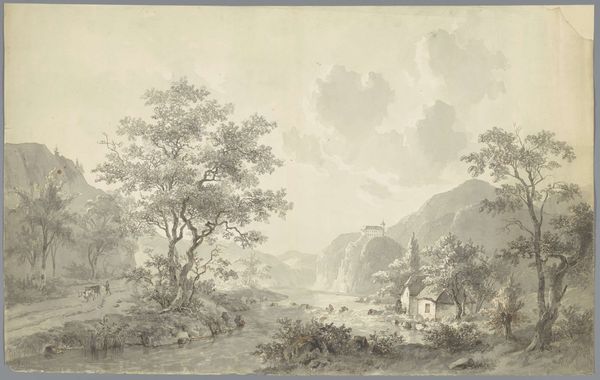
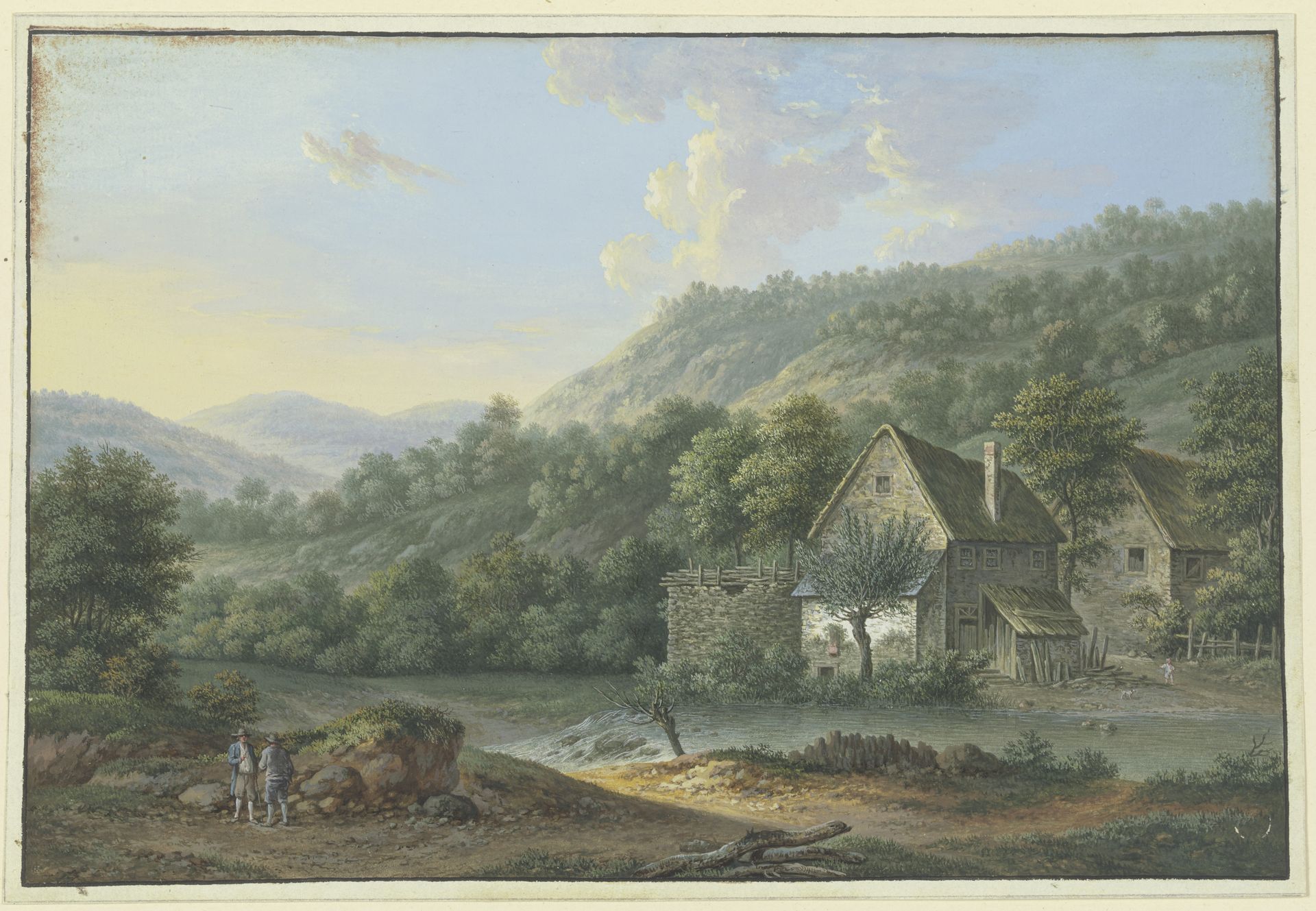
Karl Franz Kraul created this watercolour landscape, ‘Waldtal mit einem Bach, rechts zwei Bauernhäuser’, or ‘Wooded Valley with a Stream, Two Farmhouses on the Right’ at an unknown date. What strikes us in this image is the vision of rural life. Kraul's artistic choices, such as the subdued colour palette and emphasis on naturalistic detail, create a sense of idyllic harmony. Made by a German artist, it is part of the broader 18th century artistic trend that idealised the countryside, often in contrast to the perceived decadence of urban centres. The Städel Museum, where this piece is housed, acquired its collection during a time of increasing interest in regional artistic expression. While appearing harmonious, it’s important to remember that these rural scenes were not neutral. Often, they served to reinforce existing social hierarchies, with the landed gentry and aristocratic classes using such imagery to assert their connection to the land and its resources. By researching the period, we can better understand this artwork not just as a landscape, but as a reflection of the social, economic, and institutional forces at play.
Waldtal mit einem Bach, rechts zwei Bauernhäuser


Artwork details
- Medium
- drawing, coloured-pencil, tempera, painting, paper, watercolor
- Location
- Städel Museum
- Copyright
- Public Domain
Tags
Comments
Share your thoughts
About this artwork
Karl Franz Kraul created this watercolour landscape, ‘Waldtal mit einem Bach, rechts zwei Bauernhäuser’, or ‘Wooded Valley with a Stream, Two Farmhouses on the Right’ at an unknown date. What strikes us in this image is the vision of rural life. Kraul's artistic choices, such as the subdued colour palette and emphasis on naturalistic detail, create a sense of idyllic harmony. Made by a German artist, it is part of the broader 18th century artistic trend that idealised the countryside, often in contrast to the perceived decadence of urban centres. The Städel Museum, where this piece is housed, acquired its collection during a time of increasing interest in regional artistic expression. While appearing harmonious, it’s important to remember that these rural scenes were not neutral. Often, they served to reinforce existing social hierarchies, with the landed gentry and aristocratic classes using such imagery to assert their connection to the land and its resources. By researching the period, we can better understand this artwork not just as a landscape, but as a reflection of the social, economic, and institutional forces at play.
Comments
Share your thoughts