About this artwork
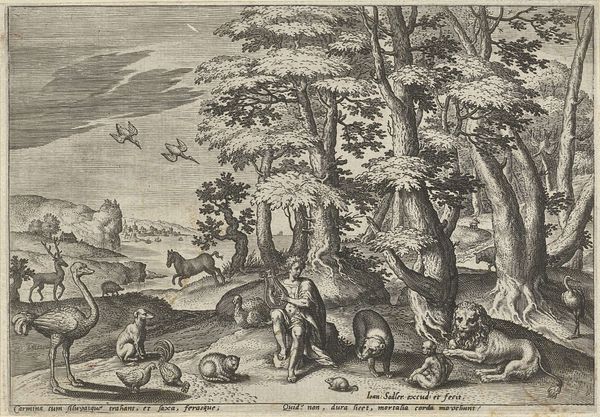
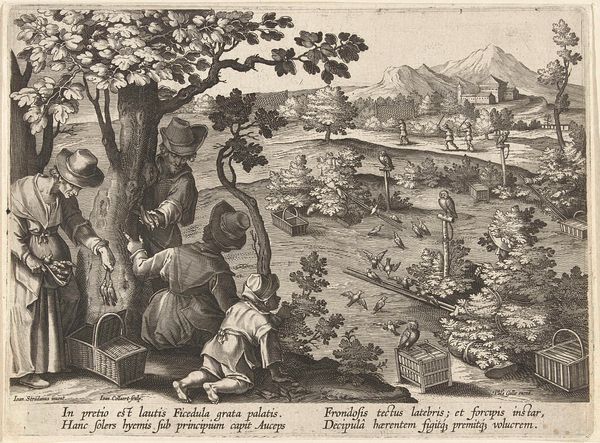
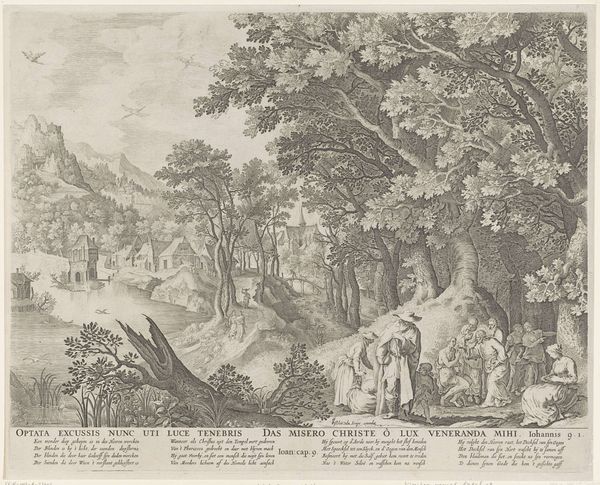
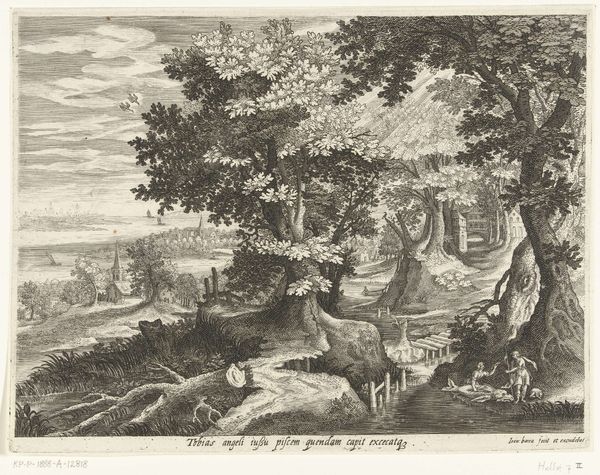
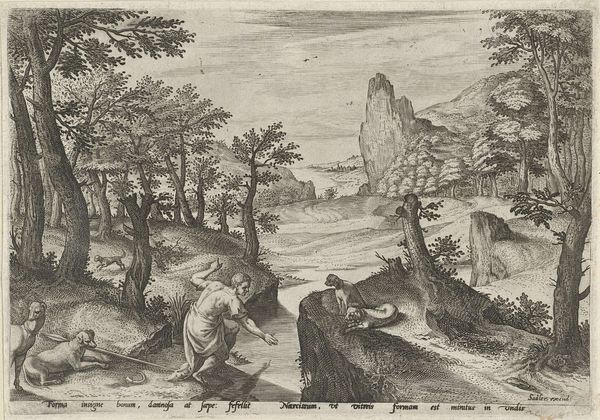
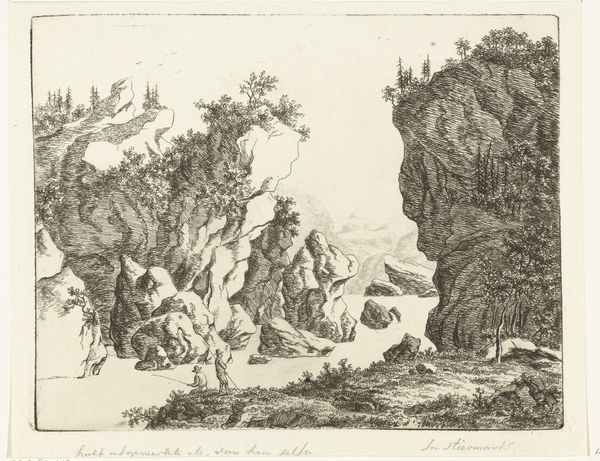
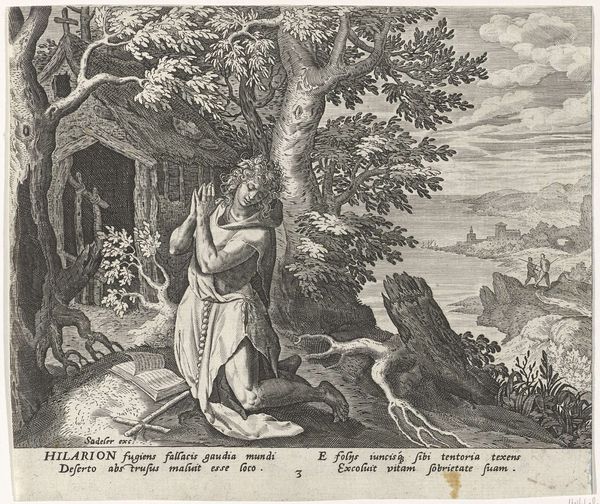
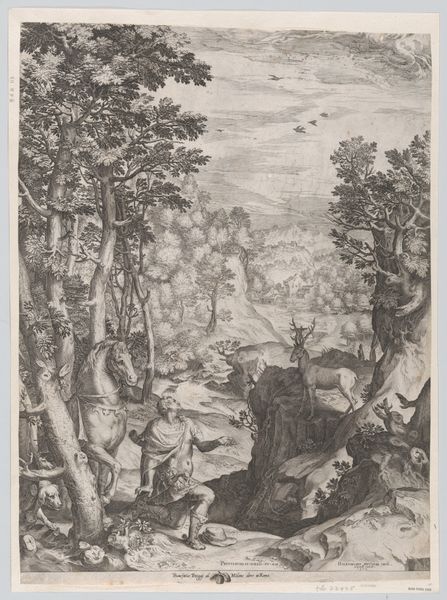
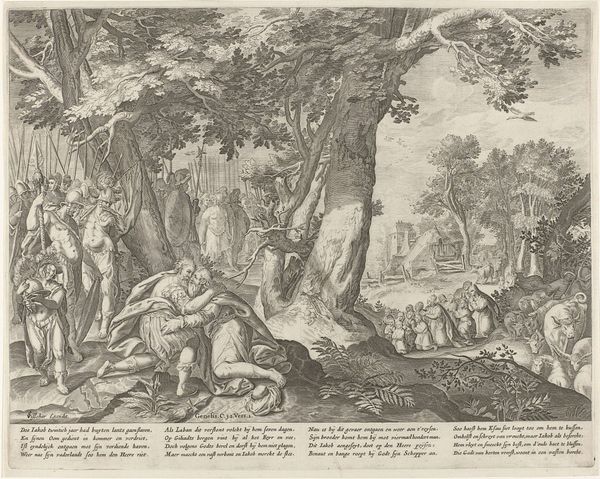
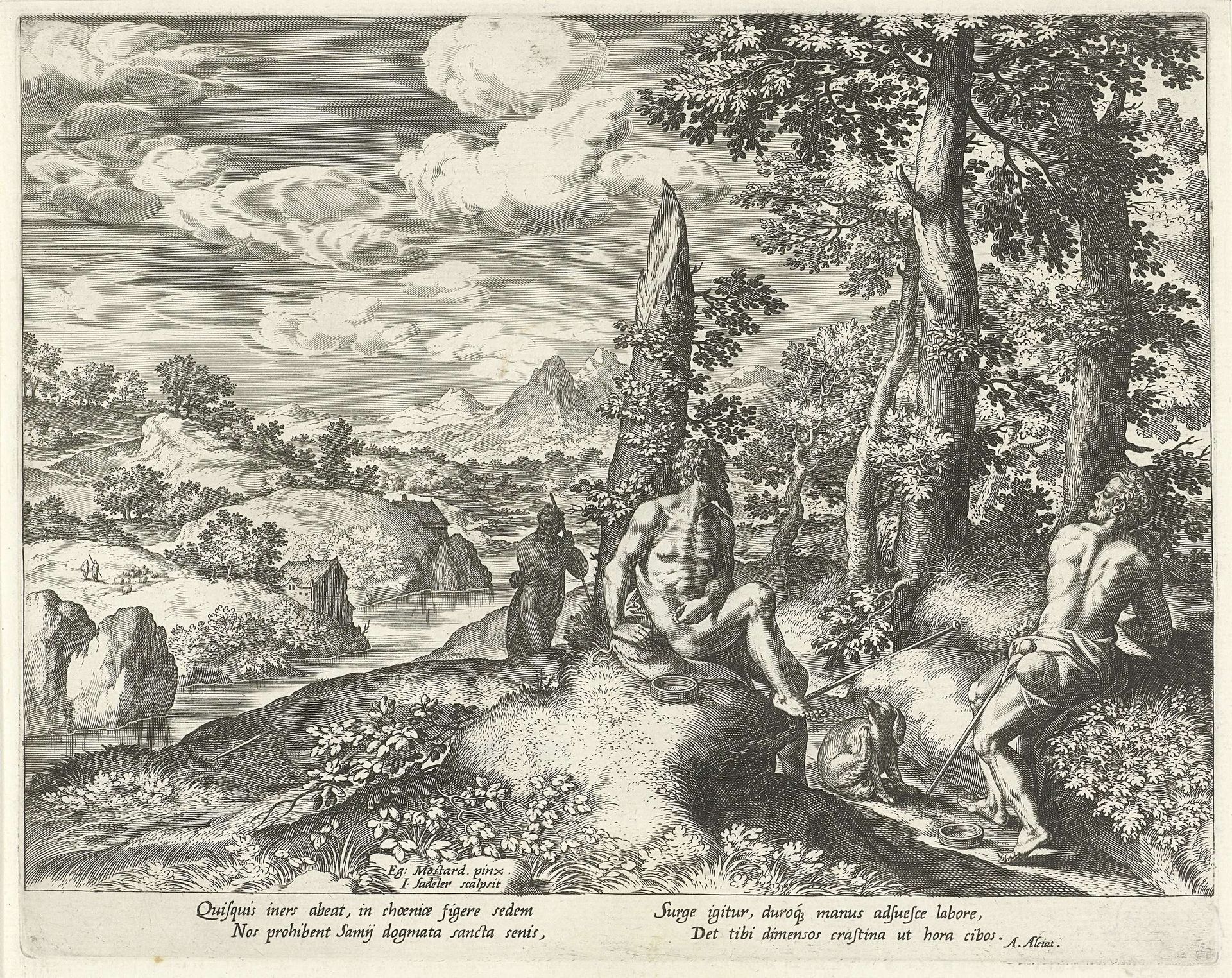
Johann Sadeler the First created this engraving, "Riverscape with the Emblem of Laziness," around 1600. It presents an allegory against idleness, a theme that resonates with the economic shifts happening in the Netherlands at the time. Sadeler was part of a booming print industry that catered to an increasingly literate and mercantile society. Here, we see classical figures in a detailed landscape, a style popular among the educated elite. The contrast between the active figures and the lounging ones served as a moral lesson. It highlights the Protestant work ethic gaining traction in the Dutch Republic. This emblem speaks to the cultural anxieties of a society transitioning from agrarian to commercial values. To fully grasp this, historians consult emblem books, economic treatises, and social commentaries of the period. Art like this is not just aesthetic, it's a window into the values and tensions of its time.
Rivierlandschap met het embleem over de luiheid 1595 - 1600

Johann Sadeler I
1550 - 1601Location
RijksmuseumArtwork details
- Dimensions
- height 217 mm, width 275 mm
- Location
- Rijksmuseum
- Copyright
- Rijks Museum: Open Domain
Tags
pencil drawn
light pencil work
pen drawing
pen sketch
pencil sketch
old engraving style
river
pen-ink sketch
pen work
pencil work
pencil art
Comments
No comments
About this artwork
Johann Sadeler the First created this engraving, "Riverscape with the Emblem of Laziness," around 1600. It presents an allegory against idleness, a theme that resonates with the economic shifts happening in the Netherlands at the time. Sadeler was part of a booming print industry that catered to an increasingly literate and mercantile society. Here, we see classical figures in a detailed landscape, a style popular among the educated elite. The contrast between the active figures and the lounging ones served as a moral lesson. It highlights the Protestant work ethic gaining traction in the Dutch Republic. This emblem speaks to the cultural anxieties of a society transitioning from agrarian to commercial values. To fully grasp this, historians consult emblem books, economic treatises, and social commentaries of the period. Art like this is not just aesthetic, it's a window into the values and tensions of its time.
Comments
No comments