About this artwork
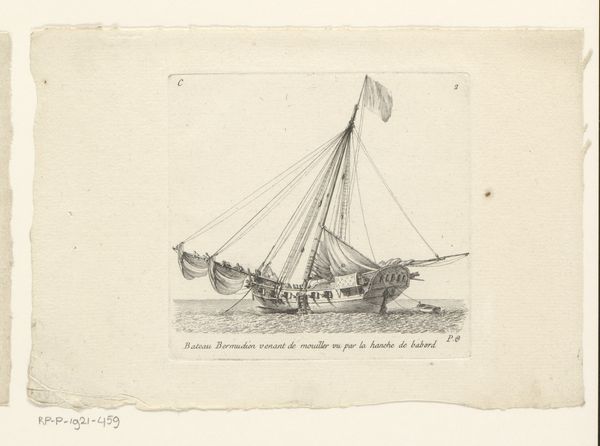
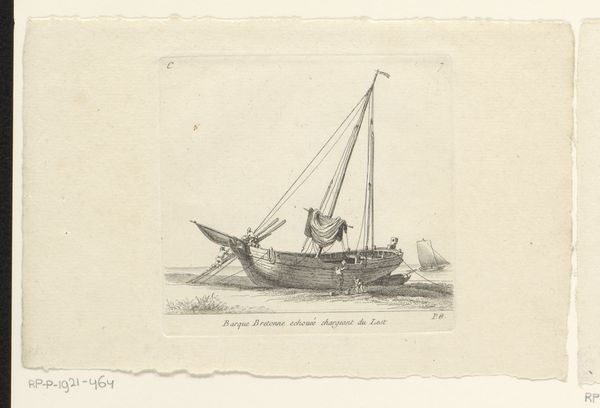
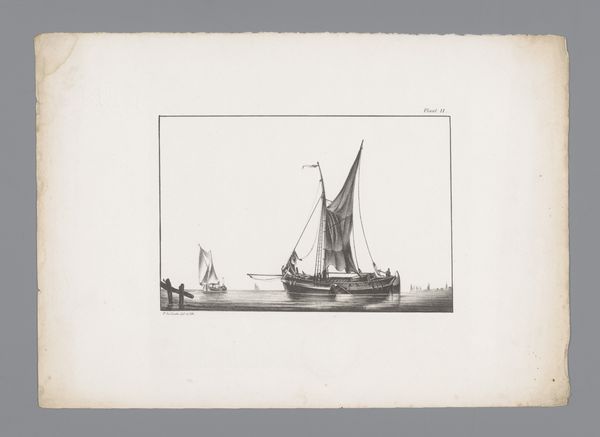
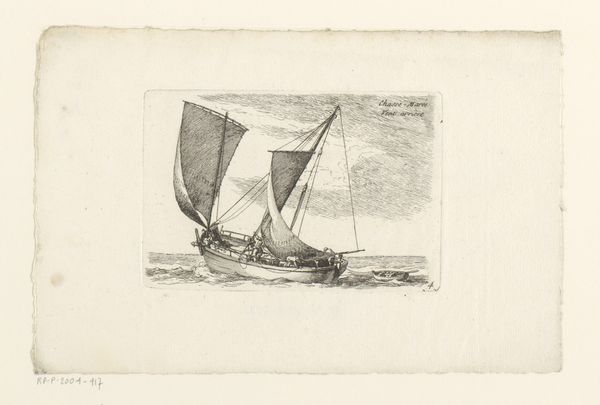
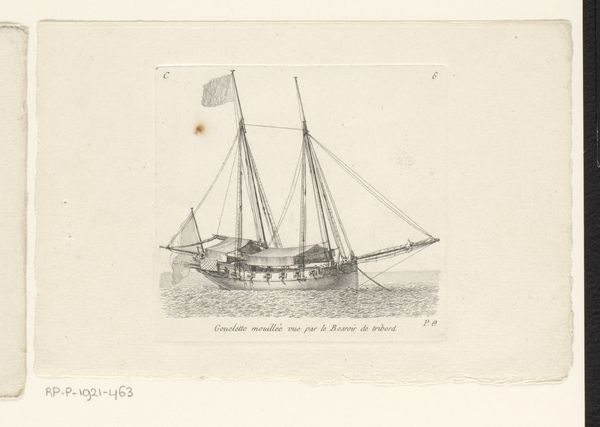
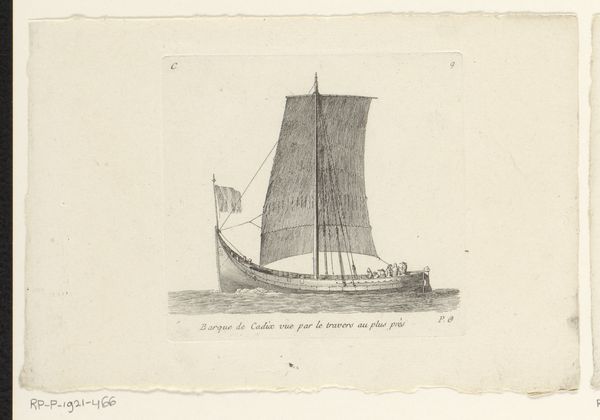
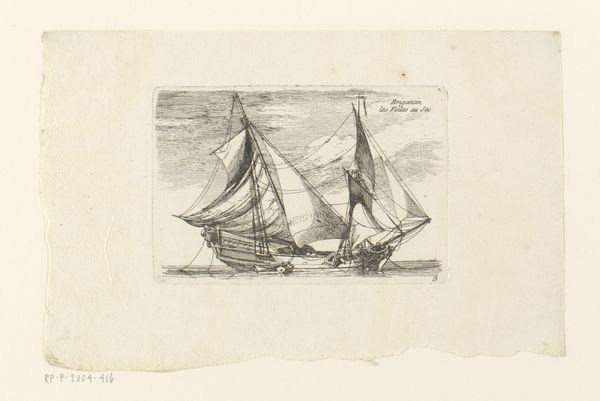
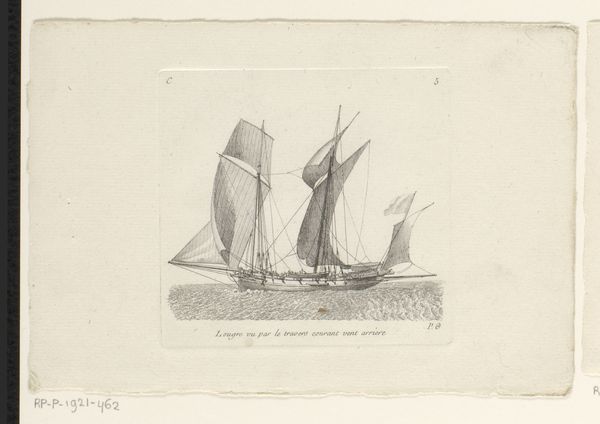
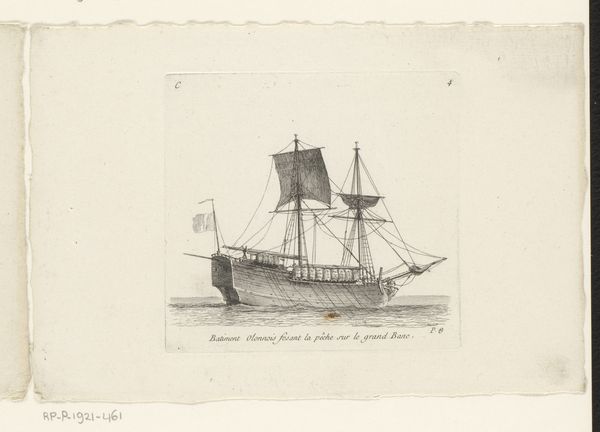
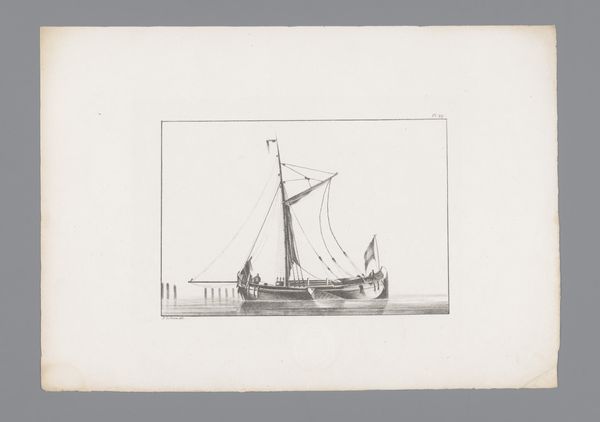
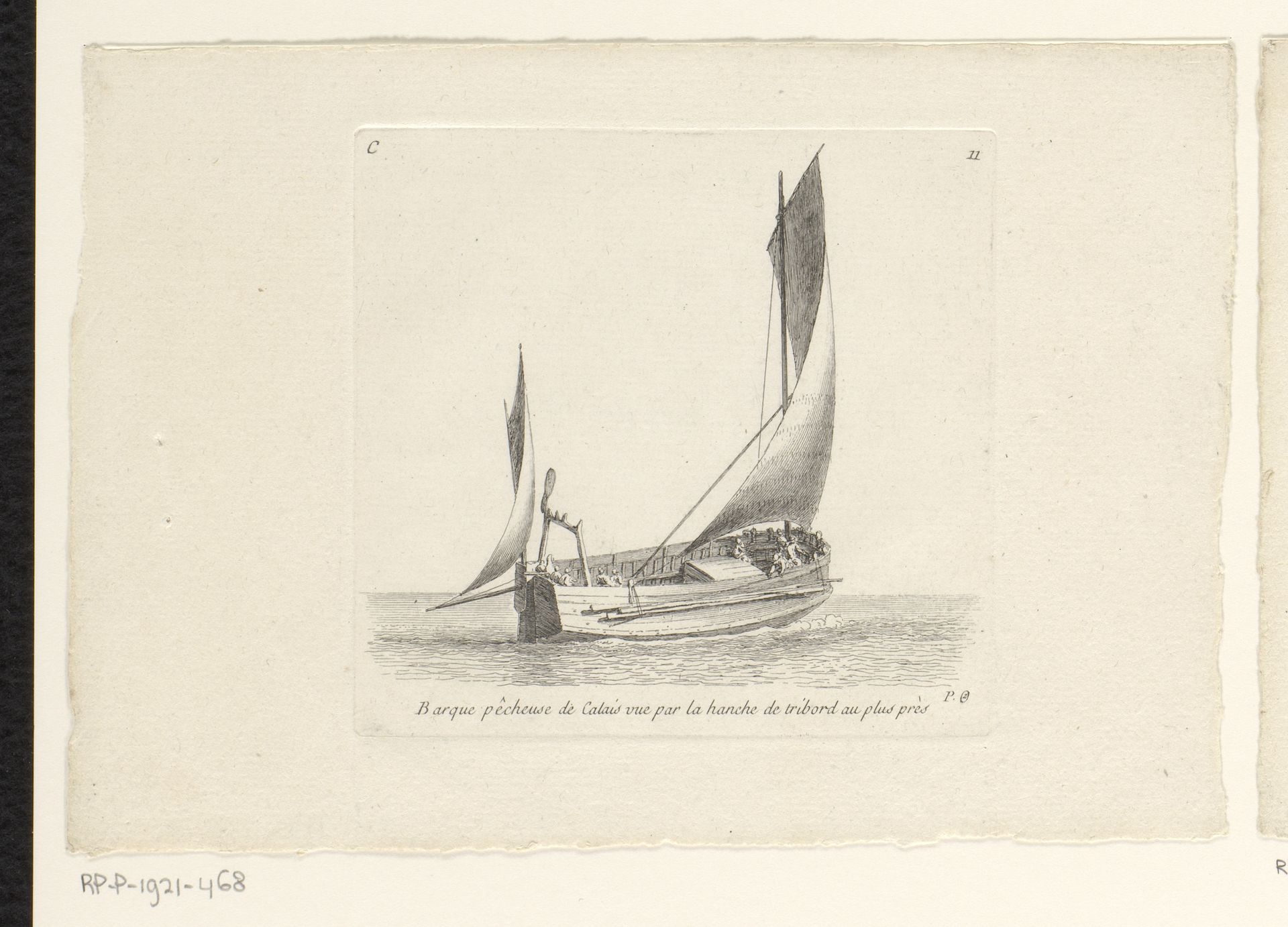
This is Pierre Ozanne's "Visserssloep uit Calais," made sometime between 1750 and 1800. Ozanne was a draughtsman for the French Navy, and he brings both an artist's eye and technical expertise to this rendering of a fishing boat. It's worth thinking about what it meant to document such a vessel. Fishing was, and remains, a grueling, dangerous, working-class occupation. The sea itself is indifferent to human life, yet it is also deeply connected to notions of nationhood and trade. In the 18th century, France and England were often at war, battling to become the dominant naval power, and fishing vessels like this one also served as a labor pool for the war ships. Here, Ozanne invites us to consider the human dimensions of maritime life, the labor, the peril, and the sheer will required to make a life on the sea.

Artwork details
- Medium
- drawing, print, engraving
- Dimensions
- height 112 mm, width 118 mm
- Copyright
- Rijks Museum: Open Domain
Tags
drawing
old engraving style
landscape
line
engraving
Comments
Be the first to share your thoughts about this work.
About this artwork
This is Pierre Ozanne's "Visserssloep uit Calais," made sometime between 1750 and 1800. Ozanne was a draughtsman for the French Navy, and he brings both an artist's eye and technical expertise to this rendering of a fishing boat. It's worth thinking about what it meant to document such a vessel. Fishing was, and remains, a grueling, dangerous, working-class occupation. The sea itself is indifferent to human life, yet it is also deeply connected to notions of nationhood and trade. In the 18th century, France and England were often at war, battling to become the dominant naval power, and fishing vessels like this one also served as a labor pool for the war ships. Here, Ozanne invites us to consider the human dimensions of maritime life, the labor, the peril, and the sheer will required to make a life on the sea.
Comments
Be the first to share your thoughts about this work.