About this artwork
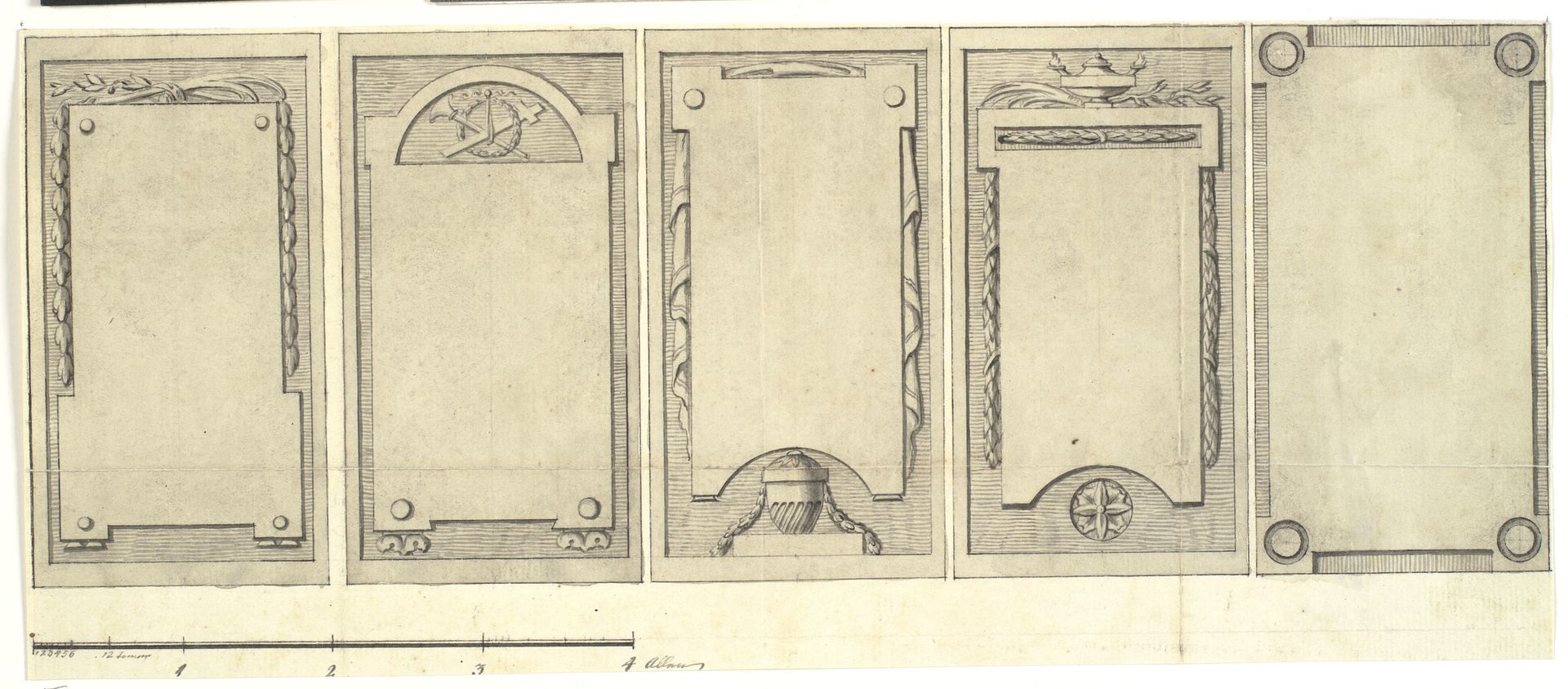
These are drafts for tombstones made by Andreas Weidenhaupt in the 18th century, showcasing a fascinating array of symbols. Notice the hourglass and crossed bones, emblems of mortality and the passage of time, set against classical borders. These motifs aren't unique to this era; the hourglass, for example, has appeared since antiquity, often in memento mori, visual reminders of our inevitable end. Likewise, the anchor, symbolizing hope and steadfastness, appears in the catacombs of early Christians, signifying their faith in the afterlife. It's intriguing how such symbols persist, their meanings evolving yet rooted in collective memory. The emotional power of these images lies in their ability to evoke a deep contemplation of life, death, and our place in the grand continuum. These symbols are not static; they resurface, evolve, and take on new meanings in different historical contexts, weaving through our cultural consciousness.
Udkast til ligstene
1738 - 1805


Artwork details
- Medium
- drawing, print, etching, engraving, architecture
- Dimensions
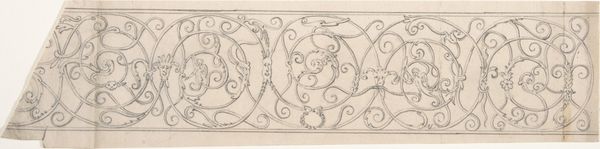
- 147 mm (height) x 347 mm (width) (billedmaal)
- Location
- SMK - Statens Museum for Kunst
Tags
Comments
Share your thoughts
About this artwork
These are drafts for tombstones made by Andreas Weidenhaupt in the 18th century, showcasing a fascinating array of symbols. Notice the hourglass and crossed bones, emblems of mortality and the passage of time, set against classical borders. These motifs aren't unique to this era; the hourglass, for example, has appeared since antiquity, often in memento mori, visual reminders of our inevitable end. Likewise, the anchor, symbolizing hope and steadfastness, appears in the catacombs of early Christians, signifying their faith in the afterlife. It's intriguing how such symbols persist, their meanings evolving yet rooted in collective memory. The emotional power of these images lies in their ability to evoke a deep contemplation of life, death, and our place in the grand continuum. These symbols are not static; they resurface, evolve, and take on new meanings in different historical contexts, weaving through our cultural consciousness.
Comments
Share your thoughts