About this artwork
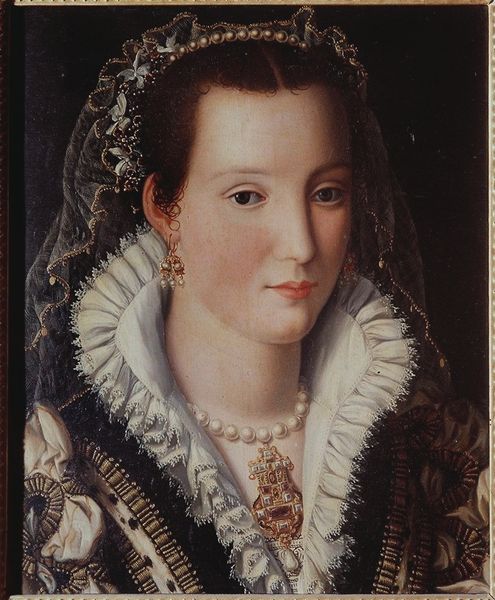
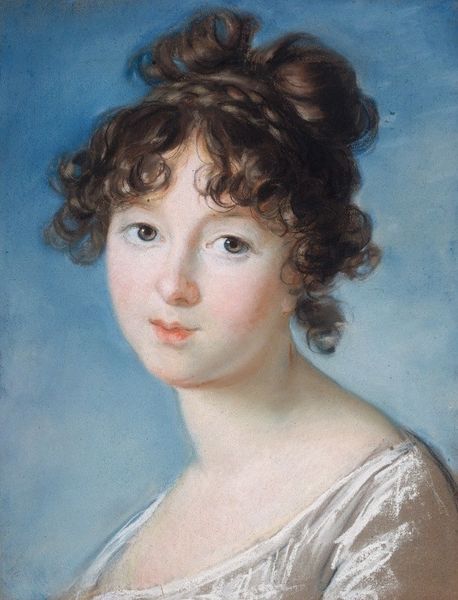
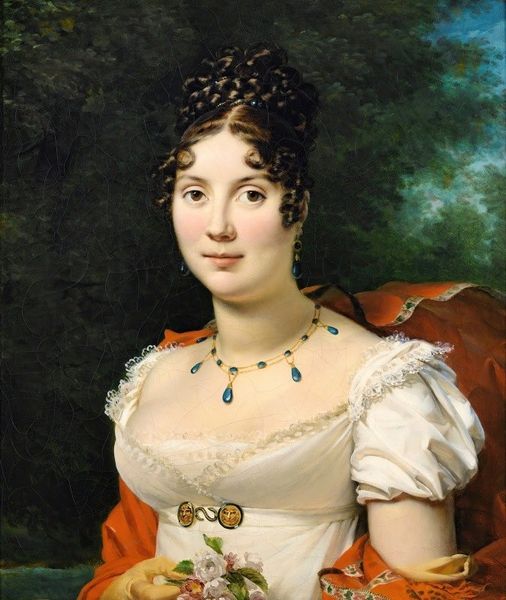
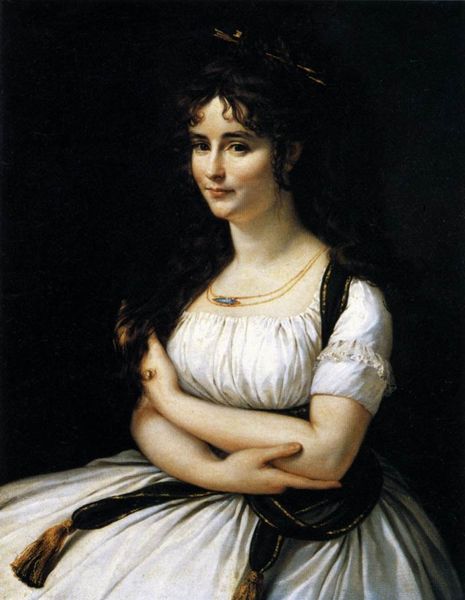
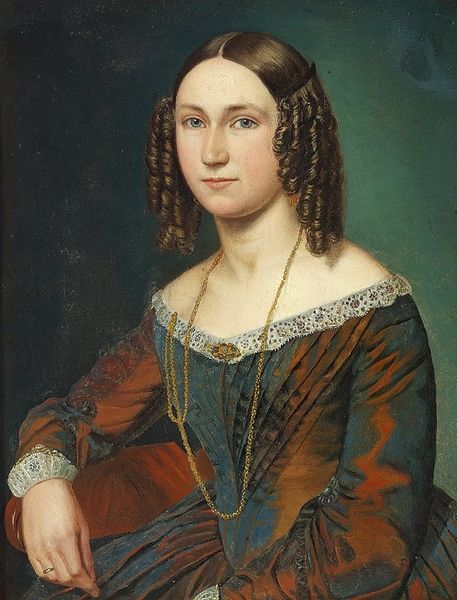
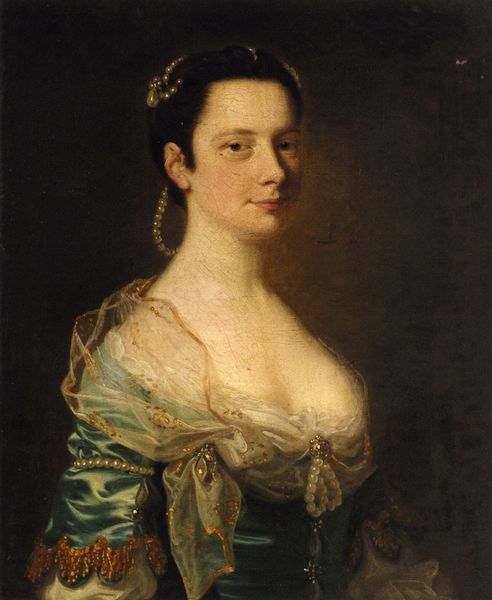
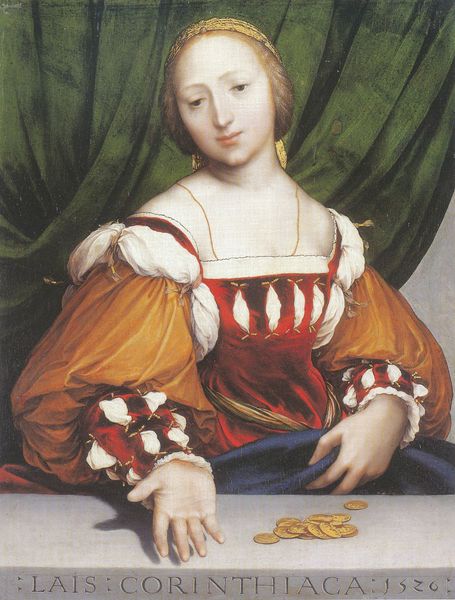
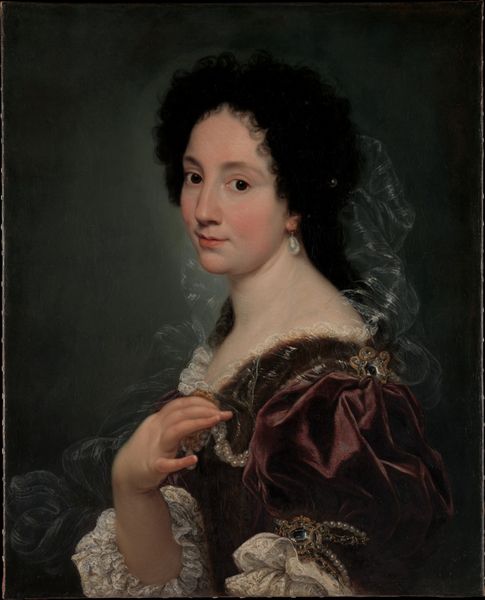
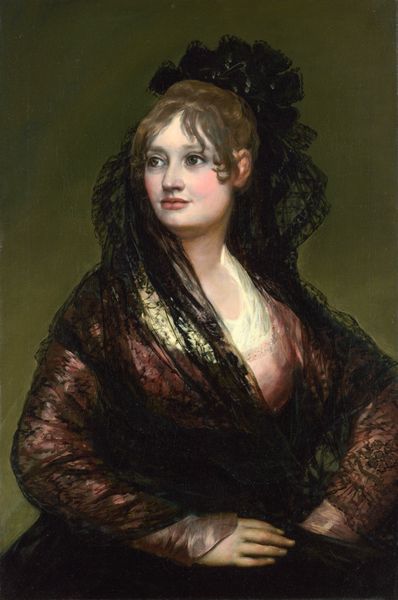
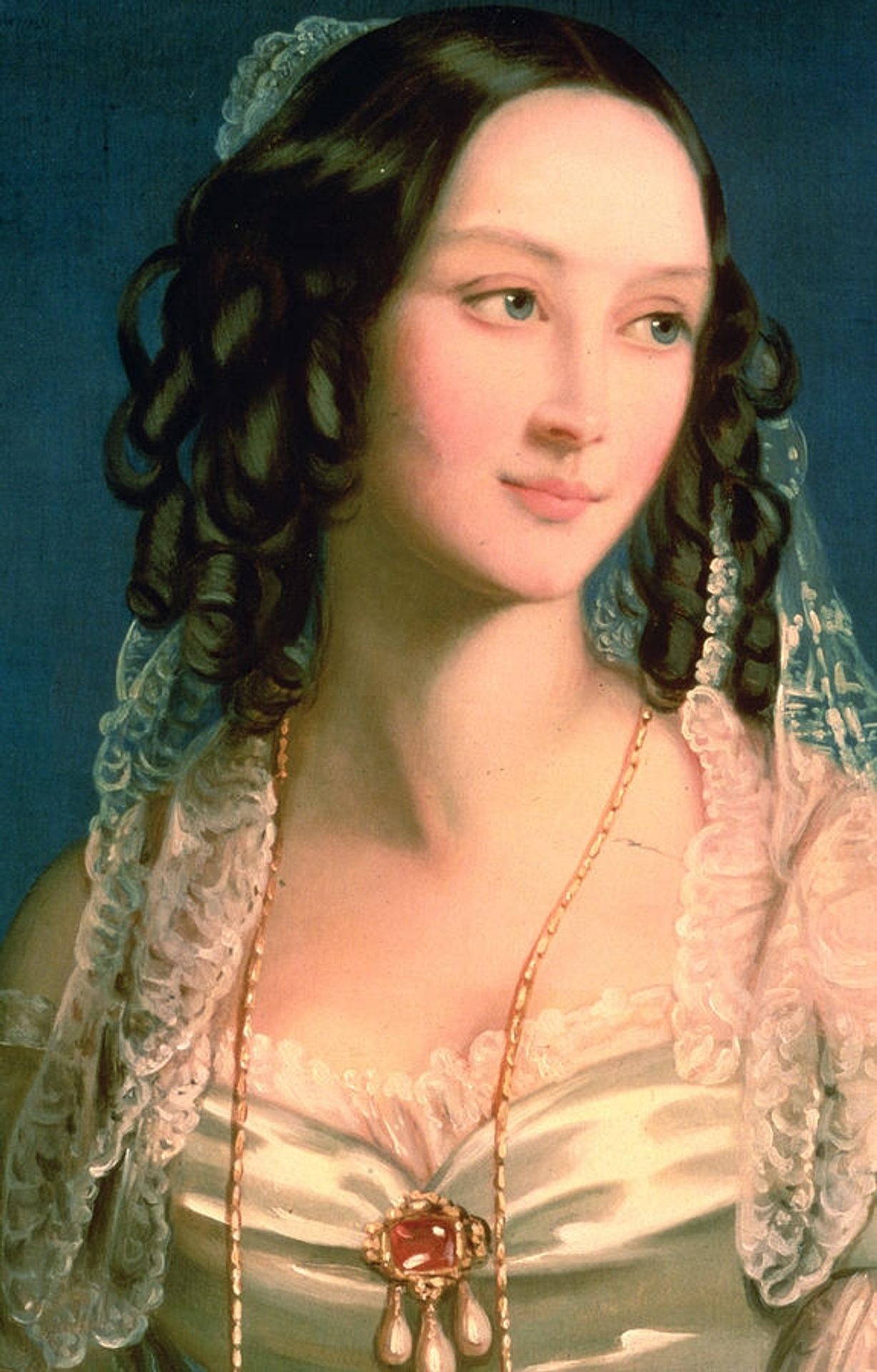
Christina Robertson painted this portrait of Furstin Susupolt using oil on canvas, a medium associated with luxury and high status. Looking closely, you can see the way Robertson has built up thin layers of paint to achieve the sitter's luminous skin tone. This technique, called glazing, requires not only skill but also time, reflecting the labor involved in creating such a polished image. The clothing and jewelry also speak volumes about the sitter’s elite position in society. The delicate lace trim, likely handmade, and the elaborate gold necklace with its gemstone pendant, signal wealth and refinement. Robertson's artistry lies in her ability to capture not just a likeness, but also an ideal of beauty and grace that was highly valued in the 19th century. This painting, like many portraits, acts as a material record of social status and cultural values. Appreciating the materials and processes behind it allows us to understand it more fully.

Artwork details
- Medium
- painting, oil-paint
- Copyright
- Public domain
Tags
Comments
Share your thoughts
About this artwork
Christina Robertson painted this portrait of Furstin Susupolt using oil on canvas, a medium associated with luxury and high status. Looking closely, you can see the way Robertson has built up thin layers of paint to achieve the sitter's luminous skin tone. This technique, called glazing, requires not only skill but also time, reflecting the labor involved in creating such a polished image. The clothing and jewelry also speak volumes about the sitter’s elite position in society. The delicate lace trim, likely handmade, and the elaborate gold necklace with its gemstone pendant, signal wealth and refinement. Robertson's artistry lies in her ability to capture not just a likeness, but also an ideal of beauty and grace that was highly valued in the 19th century. This painting, like many portraits, acts as a material record of social status and cultural values. Appreciating the materials and processes behind it allows us to understand it more fully.
Comments
Share your thoughts