About this artwork
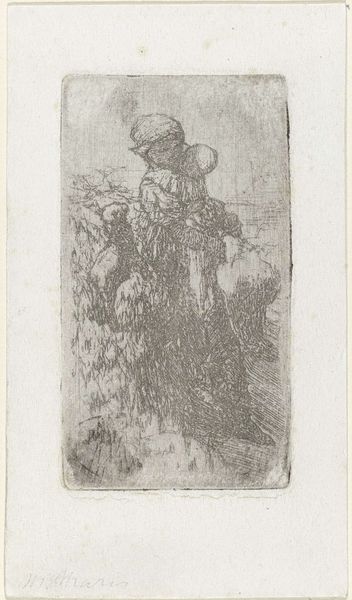
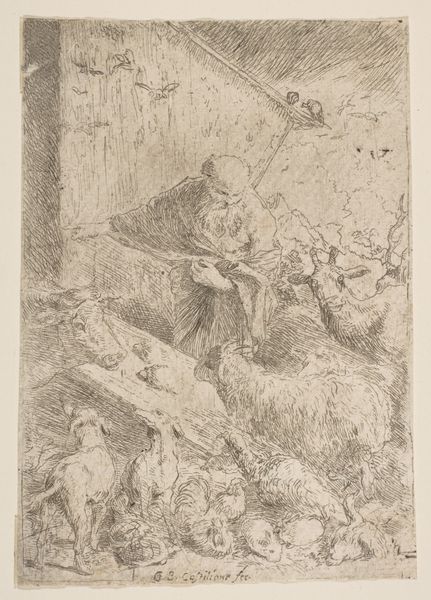
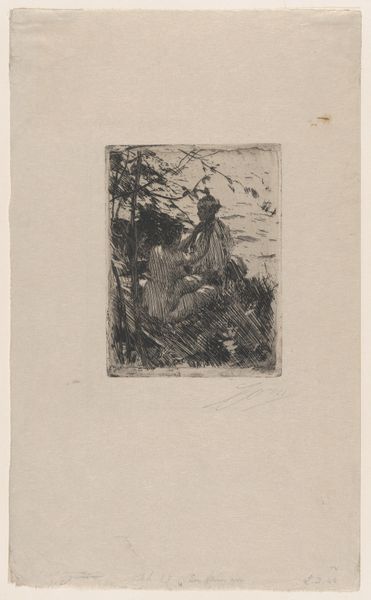
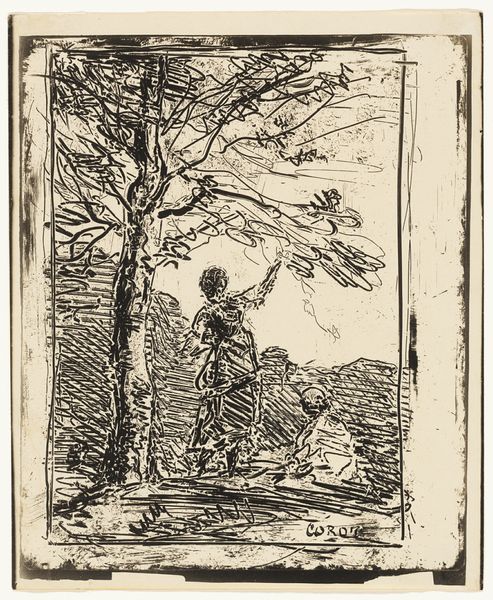
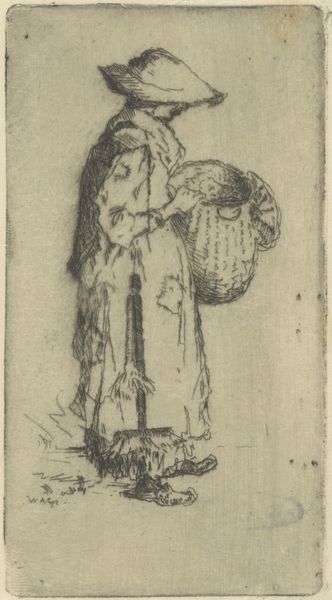
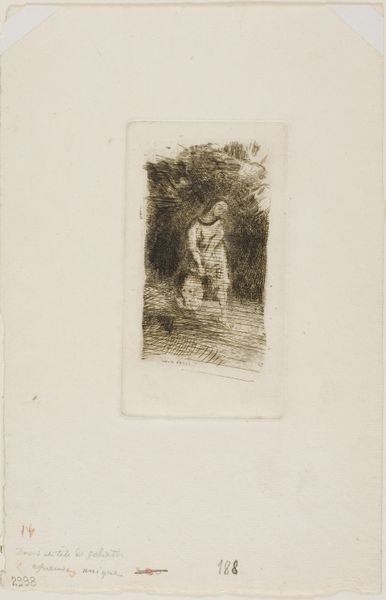
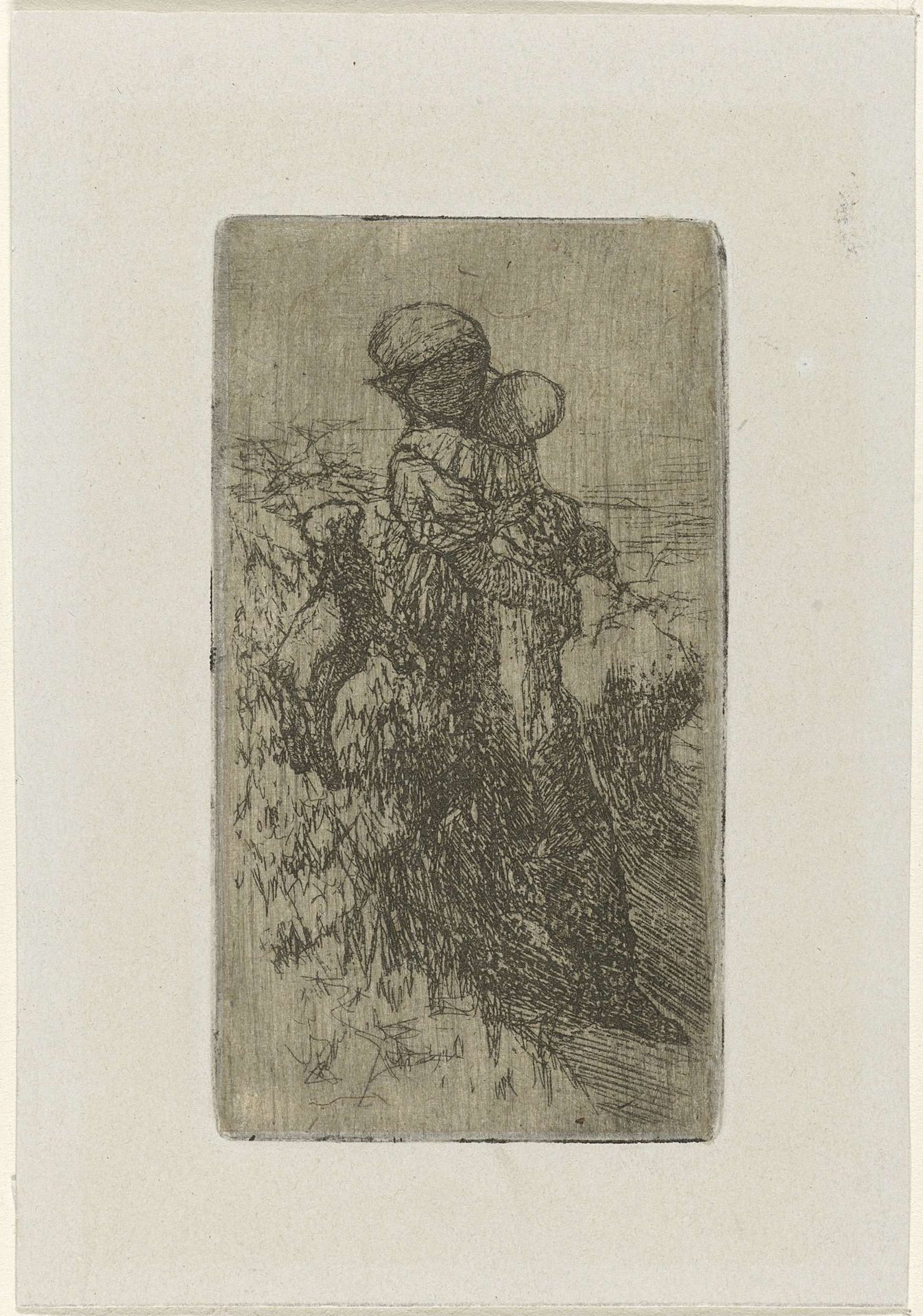
This etching by Matthijs Maris captures a girl holding a child next to a lamb. Maris was working in the Netherlands at a time of great social change. The art world was becoming more institutionalized, with academies and museums playing a larger role. Many artists felt increasing pressure to conform to academic standards. At the same time, new technologies and artistic movements like Impressionism were challenging traditional ideas about art. It is visible in the way that the image is created through a network of lines, rather than through clear representational forms. Maris was part of a generation of artists who were grappling with these changes. They aimed to depict the realities of modern life, including the poverty and social inequality that were becoming more visible as industrialization progressed. Maris's choice of subject matter – a girl holding a child – suggests an interest in the everyday lives of ordinary people. The lamb may refer to the religious traditions, but, equally, it may allude to the vulnerability of humans and animals in the face of social injustice. Art historical research helps us to understand the social and intellectual context in which artists like Maris were working. By studying archival documents, contemporary art criticism, and the writings of artists themselves, we can gain a deeper appreciation.
Meisje met kind op de arm bij een lam
1851 - 1855

Matthijs Maris
1839 - 1917Location
RijksmuseumArtwork details
- Medium
- drawing, print, etching
- Dimensions
- height 79 mm, width 43 mm
- Location
- Rijksmuseum
- Copyright
- Rijks Museum: Open Domain
Tags
Comments
Share your thoughts
About this artwork
This etching by Matthijs Maris captures a girl holding a child next to a lamb. Maris was working in the Netherlands at a time of great social change. The art world was becoming more institutionalized, with academies and museums playing a larger role. Many artists felt increasing pressure to conform to academic standards. At the same time, new technologies and artistic movements like Impressionism were challenging traditional ideas about art. It is visible in the way that the image is created through a network of lines, rather than through clear representational forms. Maris was part of a generation of artists who were grappling with these changes. They aimed to depict the realities of modern life, including the poverty and social inequality that were becoming more visible as industrialization progressed. Maris's choice of subject matter – a girl holding a child – suggests an interest in the everyday lives of ordinary people. The lamb may refer to the religious traditions, but, equally, it may allude to the vulnerability of humans and animals in the face of social injustice. Art historical research helps us to understand the social and intellectual context in which artists like Maris were working. By studying archival documents, contemporary art criticism, and the writings of artists themselves, we can gain a deeper appreciation.
Comments
Share your thoughts