About this artwork
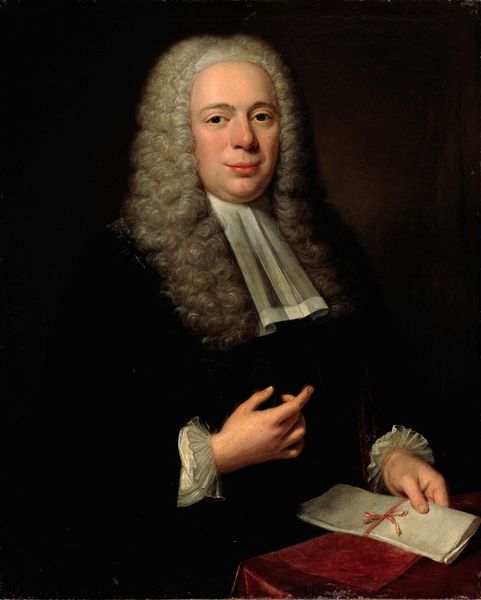
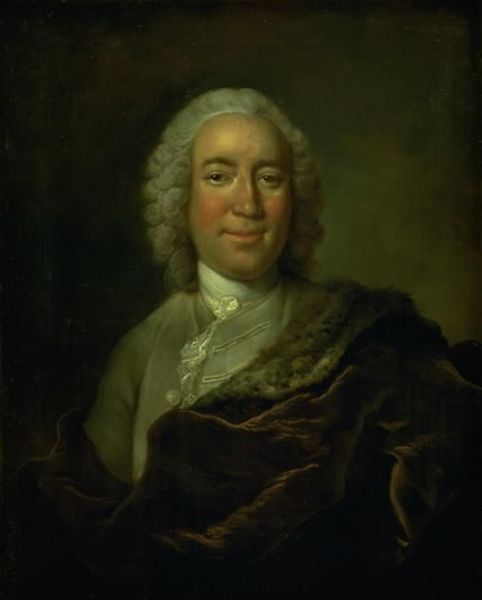
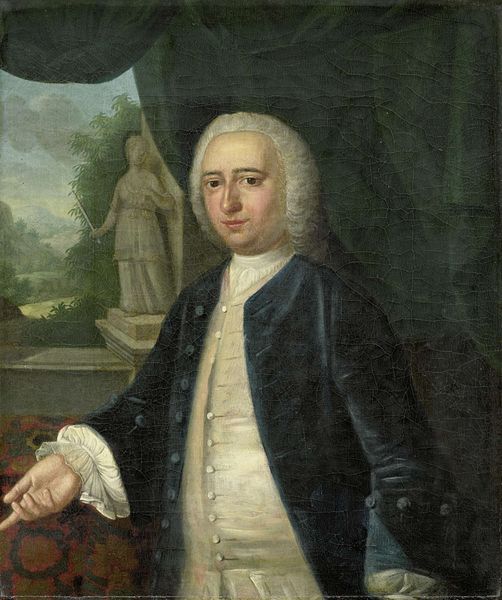
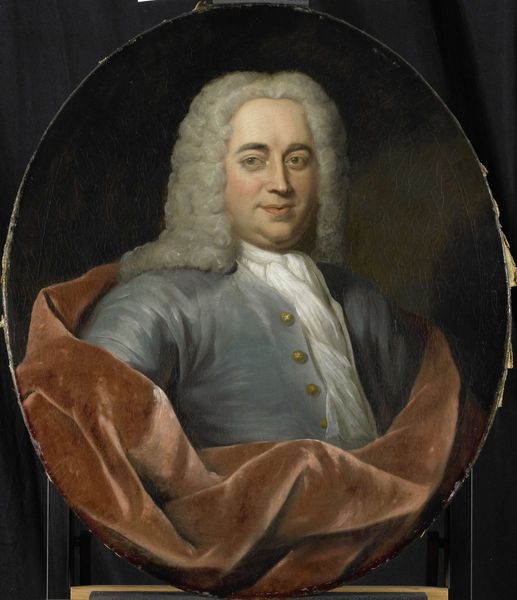
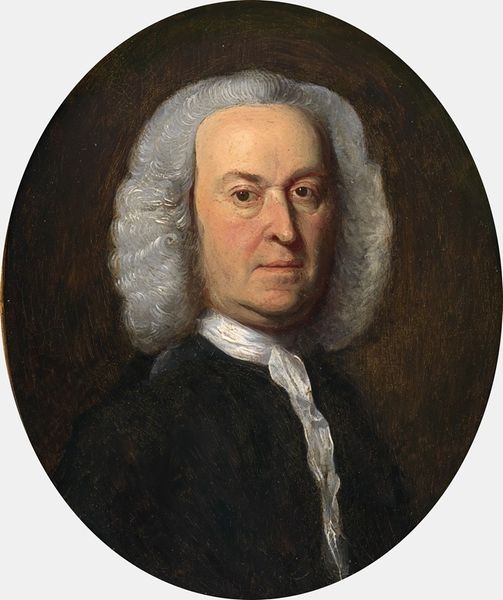
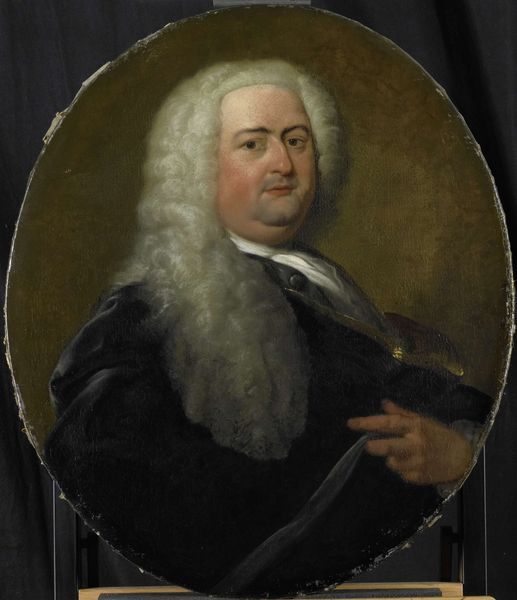
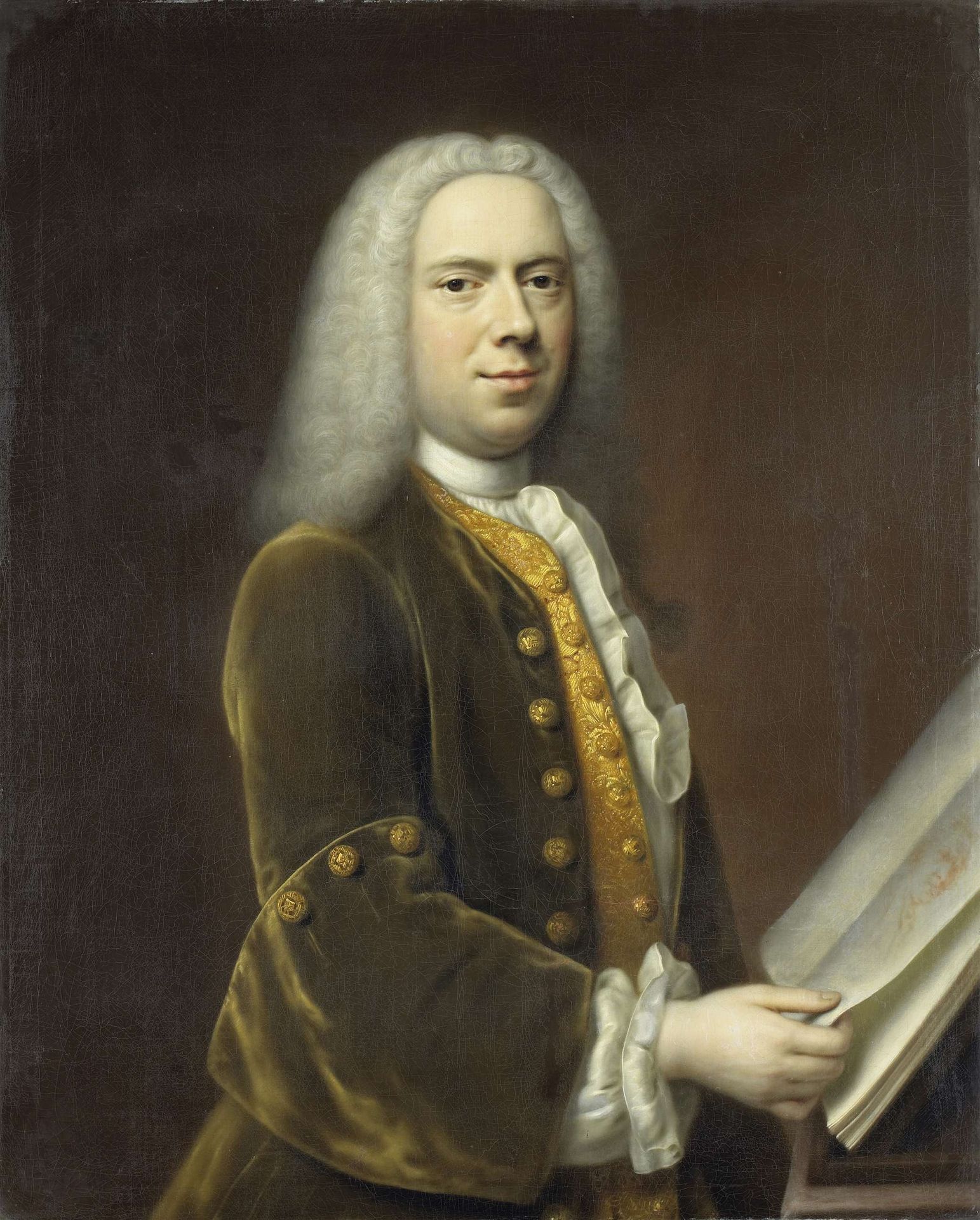
Balthasar Denner likely painted this portrait of Cornelis Troost in the early 18th century using oil on canvas. The subject's pale face and wig, set against a dark background, immediately capture your attention, drawing you into his composed presence. Denner's technique is remarkable for its almost photographic detail. The textures of the skin, the fabric of the coat, and the paper in his hand are rendered with meticulous precision. This hyper-realism challenges our understanding of portraiture as mere representation. Instead, it emphasizes the materiality of the painting itself. Consider the detail, is it simply for likeness, or does it suggest a deeper engagement with questions of perception and reality? This emphasis on surface detail invites us to contemplate the relationship between appearance and being, a key theme in Enlightenment thought. The act of seeing becomes an act of philosophical inquiry.
Portrait of a Man, probably Cornelis Troost (1696-1750)
1737
Balthasar Denner
1685 - 1749Location
RijksmuseumArtwork details
- Medium
- painting, oil-paint
- Dimensions
- height 87 cm, width 70.5 cm, depth 5.8 cm
- Location
- Rijksmuseum
- Copyright
- Rijks Museum: Open Domain
Tags
Comments
Share your thoughts
About this artwork
Balthasar Denner likely painted this portrait of Cornelis Troost in the early 18th century using oil on canvas. The subject's pale face and wig, set against a dark background, immediately capture your attention, drawing you into his composed presence. Denner's technique is remarkable for its almost photographic detail. The textures of the skin, the fabric of the coat, and the paper in his hand are rendered with meticulous precision. This hyper-realism challenges our understanding of portraiture as mere representation. Instead, it emphasizes the materiality of the painting itself. Consider the detail, is it simply for likeness, or does it suggest a deeper engagement with questions of perception and reality? This emphasis on surface detail invites us to contemplate the relationship between appearance and being, a key theme in Enlightenment thought. The act of seeing becomes an act of philosophical inquiry.
Comments
Share your thoughts