About this artwork
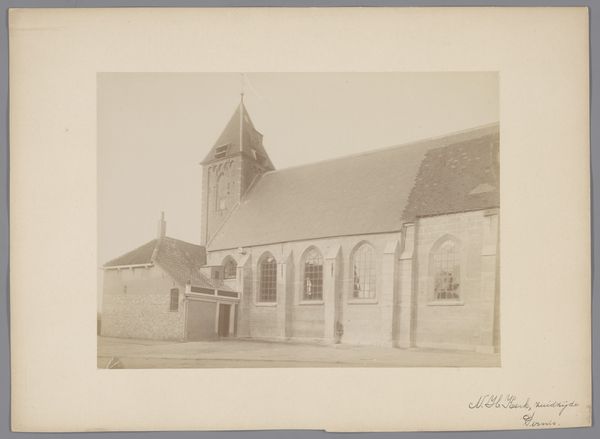
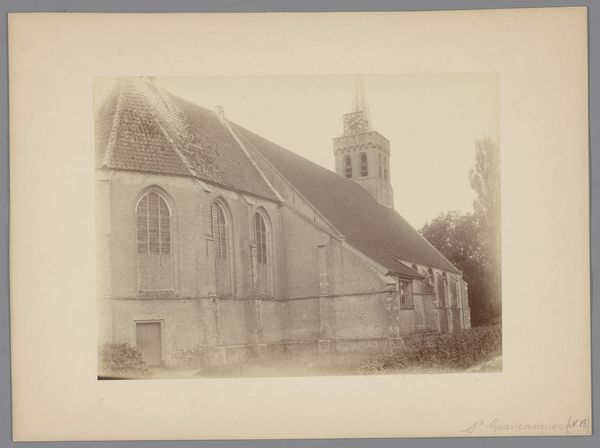
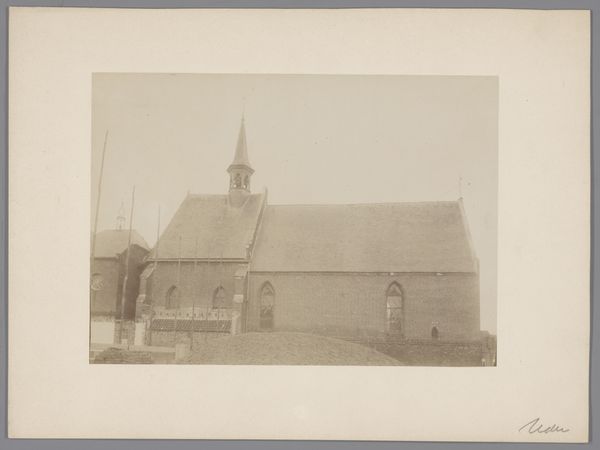
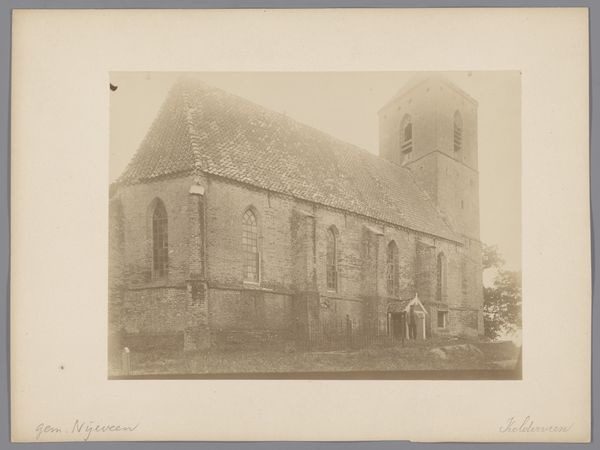
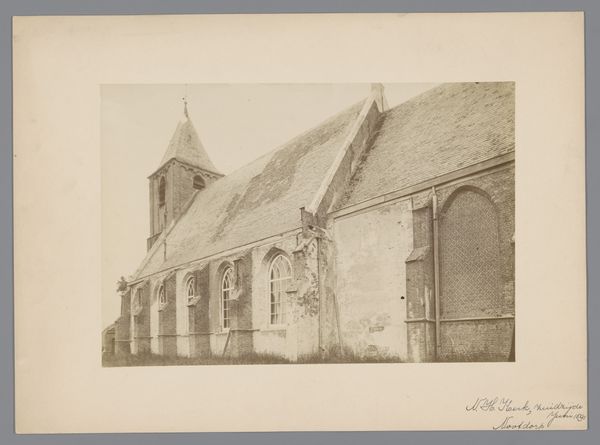
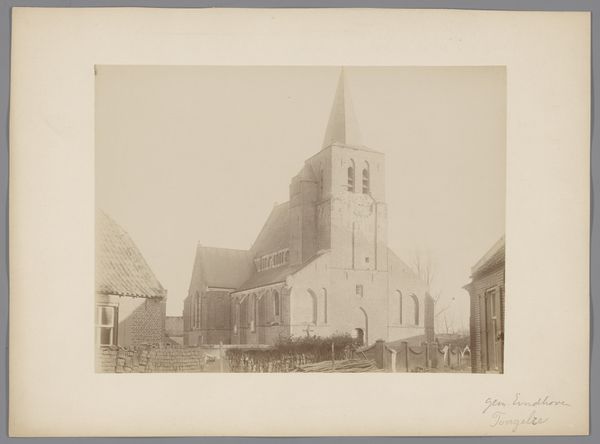
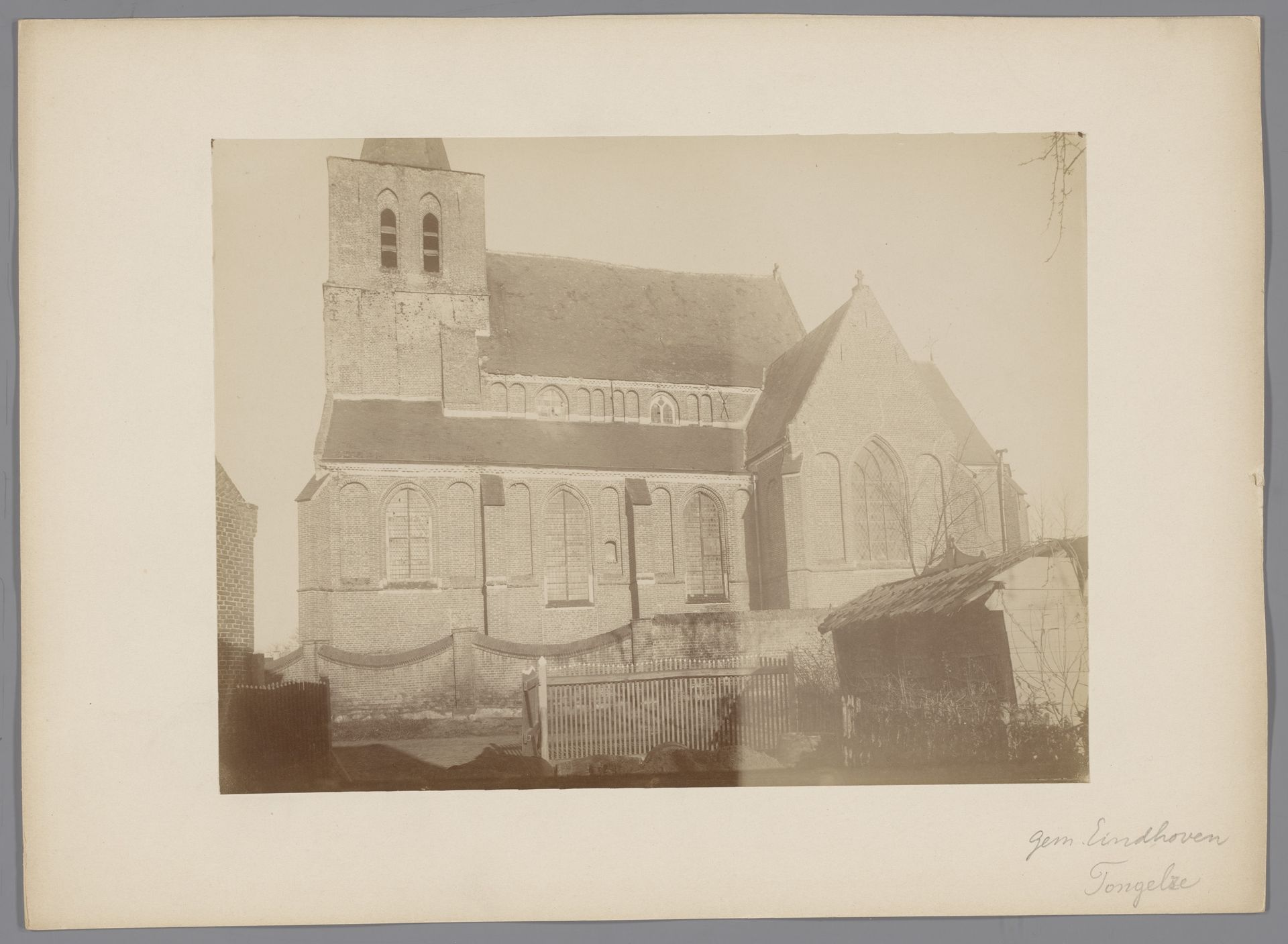
This photograph of the old St. Martinus Church in Tongelre was taken by an anonymous photographer working for Monumentenzorg. The photograph captures the imposing structure of the church, a cornerstone of community life and a symbol of enduring faith. Its presence speaks to the power structures inherent in religious institutions, which have historically shaped social norms and moral codes. The image’s sepia tones evoke a sense of nostalgia, yet also remind us of the limitations in whose stories and perspectives are typically preserved. As the photograph may have been commissioned by a heritage organization, consider how the act of preserving architecture also shapes cultural memory, influencing future historical narratives. Think about how the church stands as a testament to the intersection of identity, power, and representation. Consider the weight of history embedded in its walls and its role in shaping individual and collective identities.
Gezicht op de oude St. Martinuskerk te Tongelre 1889

Artwork details
- Dimensions
- height 176 mm, width 233 mm
- Copyright
- Rijks Museum: Open Domain
Comments
No comments
About this artwork
This photograph of the old St. Martinus Church in Tongelre was taken by an anonymous photographer working for Monumentenzorg. The photograph captures the imposing structure of the church, a cornerstone of community life and a symbol of enduring faith. Its presence speaks to the power structures inherent in religious institutions, which have historically shaped social norms and moral codes. The image’s sepia tones evoke a sense of nostalgia, yet also remind us of the limitations in whose stories and perspectives are typically preserved. As the photograph may have been commissioned by a heritage organization, consider how the act of preserving architecture also shapes cultural memory, influencing future historical narratives. Think about how the church stands as a testament to the intersection of identity, power, and representation. Consider the weight of history embedded in its walls and its role in shaping individual and collective identities.
Comments
No comments