About this artwork
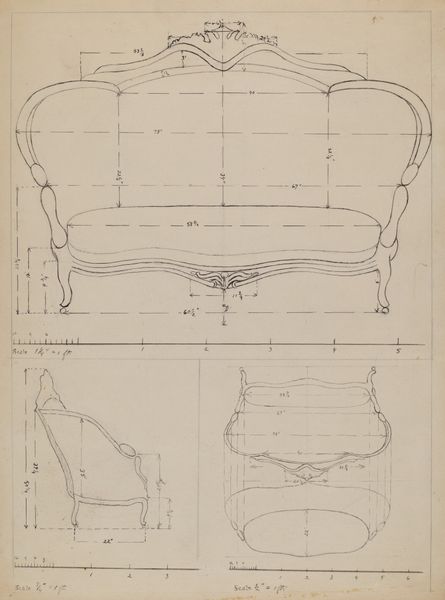
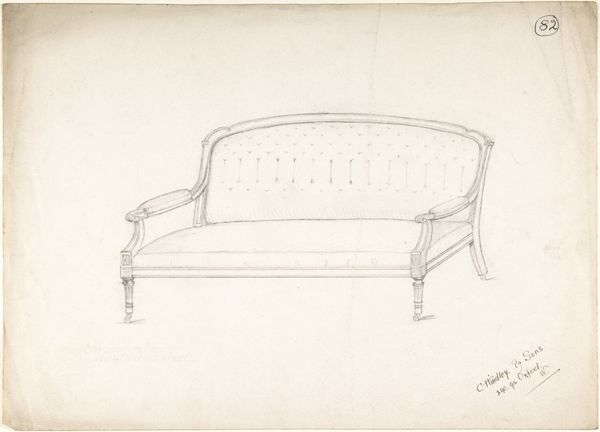
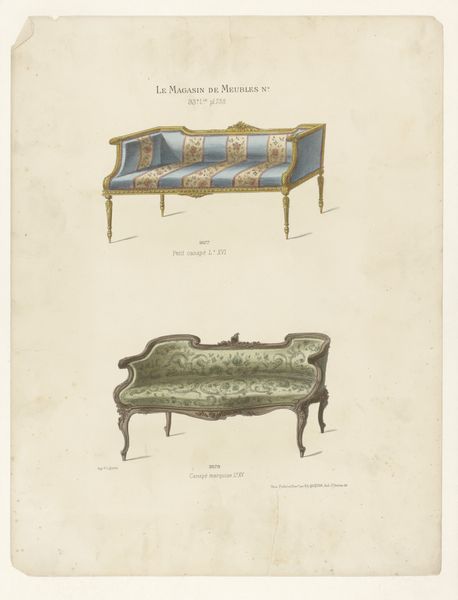
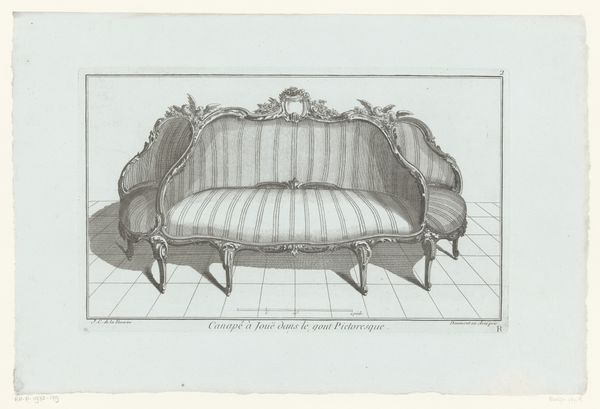
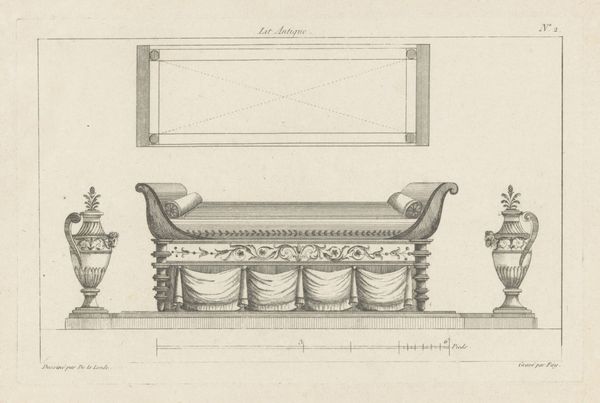
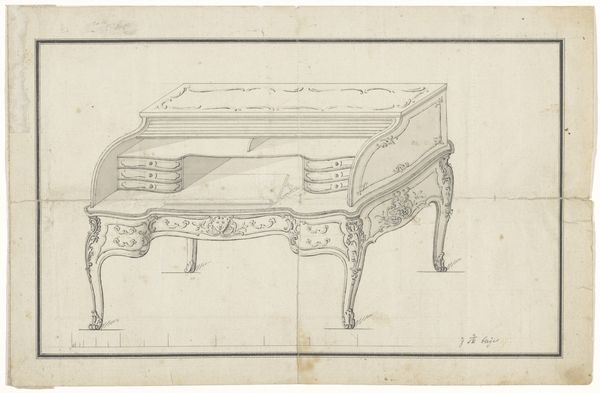
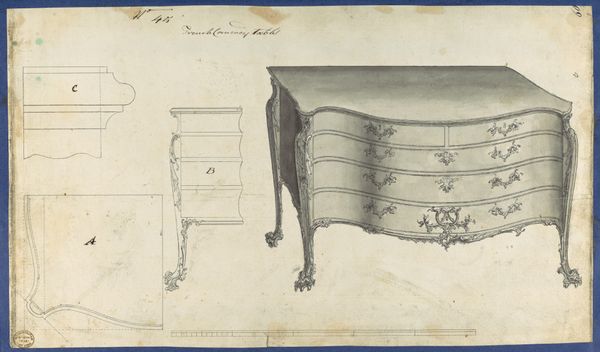
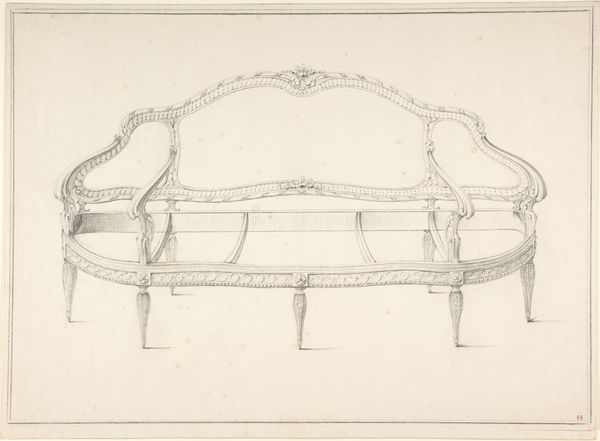
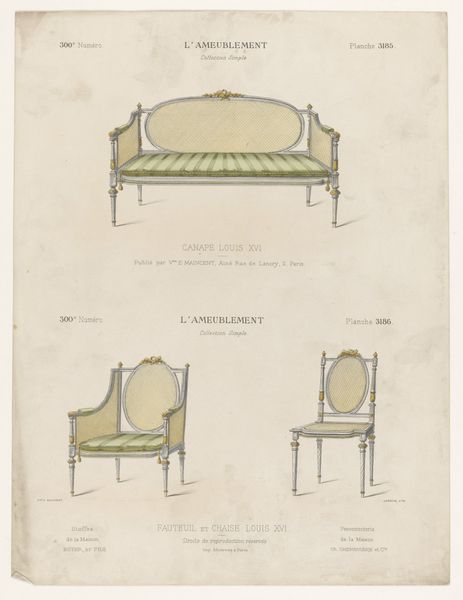
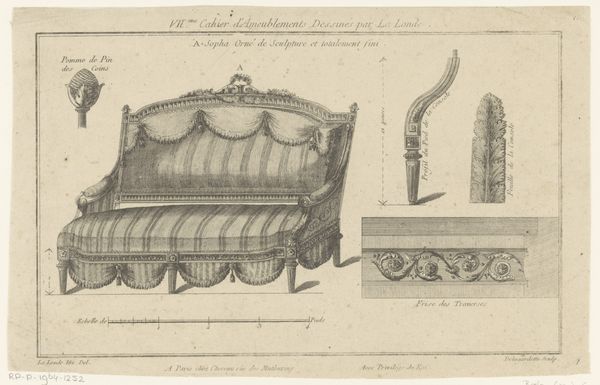
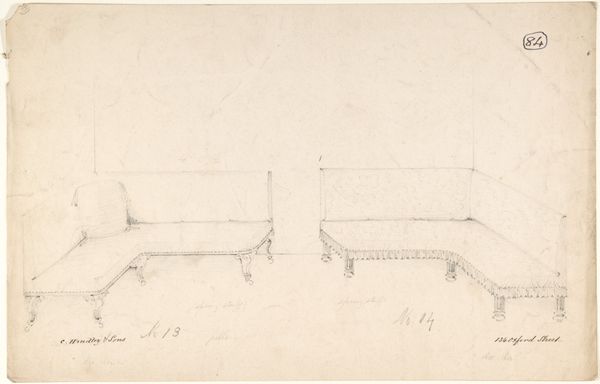
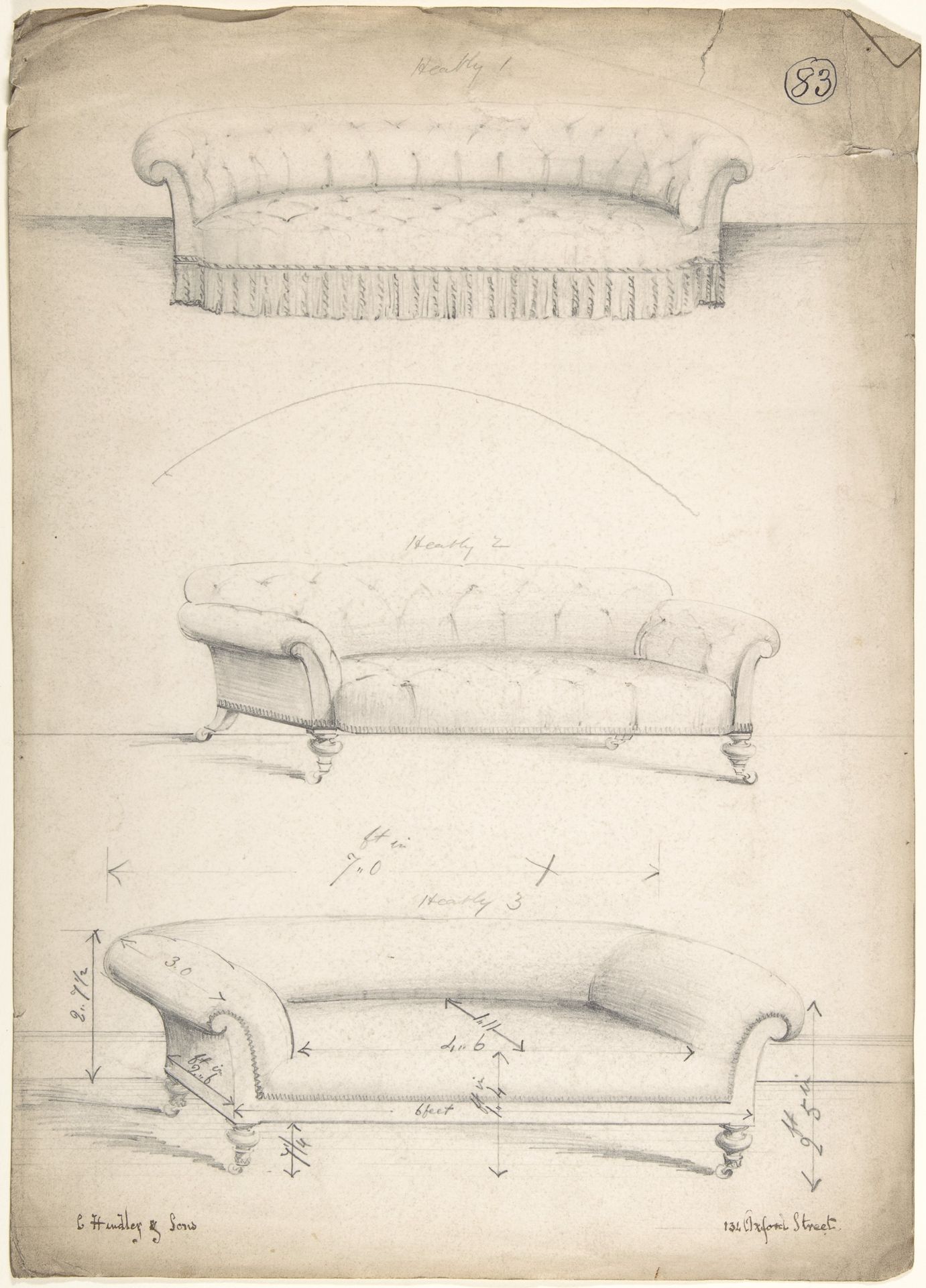
Charles Hindley and Sons created these designs for three couches with graphite on paper. We can use this drawing to consider the identity of the Victorian home. During the Victorian era, interior design became a crucial way of displaying social status. Furnishings were more than functional, they were statements about a family’s wealth and taste. The couches here, with their plush upholstery and elaborate detailing, speak to a culture of conspicuous consumption. However, these couches tell a more complex story, these designs also speak to the labor and global trade networks that were necessary to produce such luxury items. Consider the textiles, the wood, the craftsmanship; each element has a history that implicates global power dynamics and colonial exploitation. The act of domestic display created a narrative about the family that inhabited the space, and the culture that sustained it.
Designs for Three Couches
1841 - 1884

Charles Hindley and Sons
1841 - 1917
The Metropolitan Museum of Art
Metropolitan Museum of Art, New York, NYArtwork details
- Medium
- drawing, print, pencil
- Dimensions
- sheet: 14 15/16 x 10 3/4 in. (38 x 27.3 cm)
- Location
- Metropolitan Museum of Art, New York, NY
- Copyright
- Public Domain
Tags
Comments
Share your thoughts
About this artwork
Charles Hindley and Sons created these designs for three couches with graphite on paper. We can use this drawing to consider the identity of the Victorian home. During the Victorian era, interior design became a crucial way of displaying social status. Furnishings were more than functional, they were statements about a family’s wealth and taste. The couches here, with their plush upholstery and elaborate detailing, speak to a culture of conspicuous consumption. However, these couches tell a more complex story, these designs also speak to the labor and global trade networks that were necessary to produce such luxury items. Consider the textiles, the wood, the craftsmanship; each element has a history that implicates global power dynamics and colonial exploitation. The act of domestic display created a narrative about the family that inhabited the space, and the culture that sustained it.
Comments
Share your thoughts