About this artwork
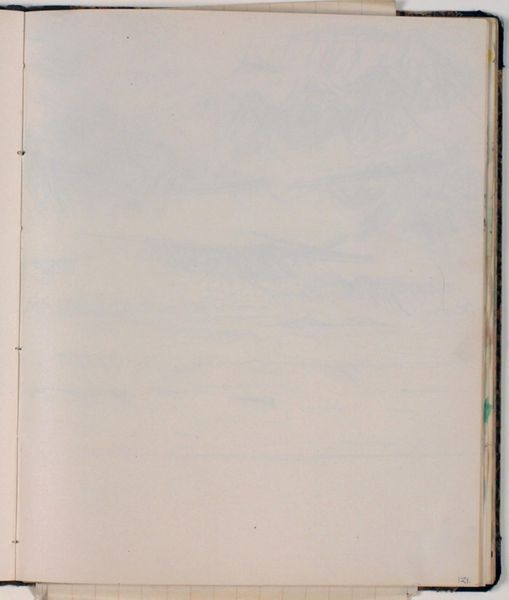
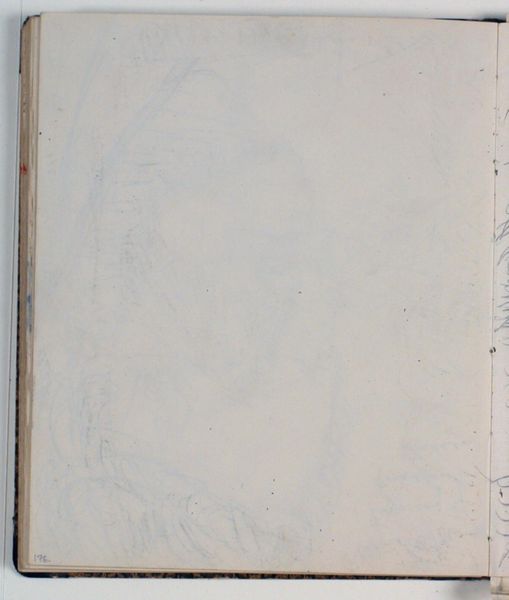
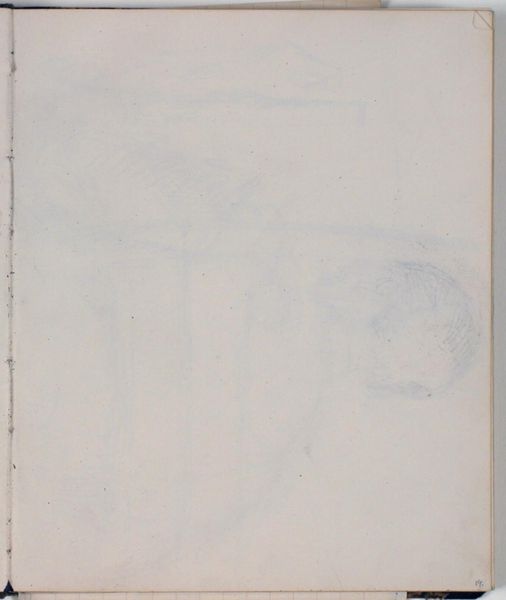
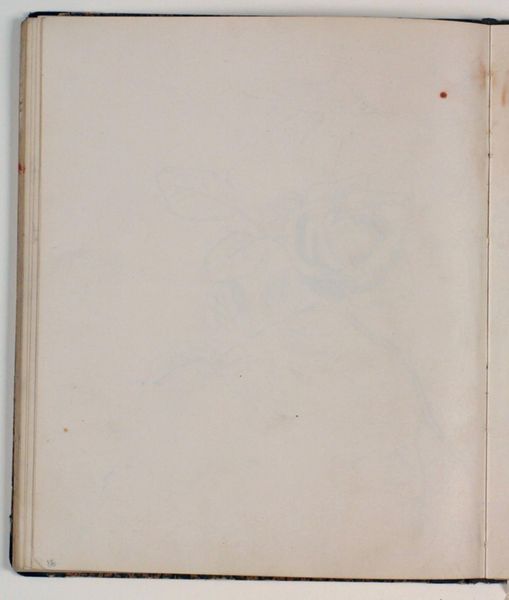
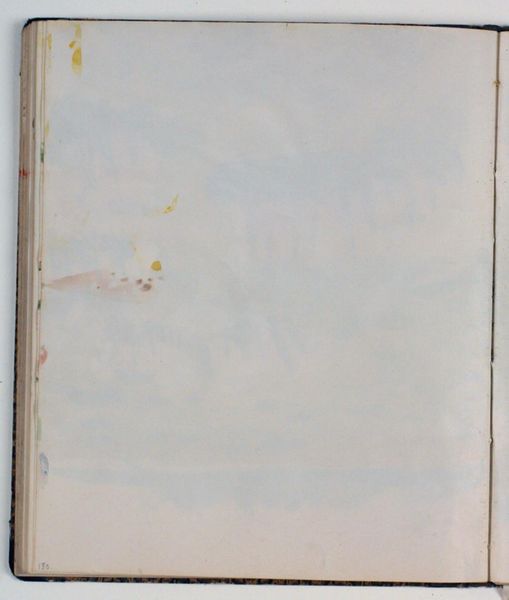
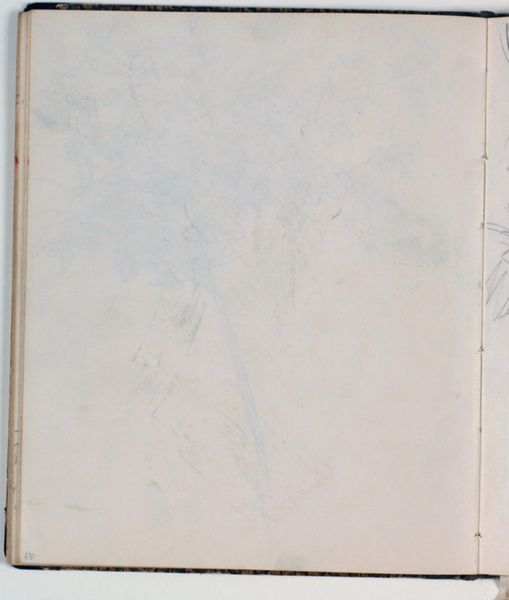
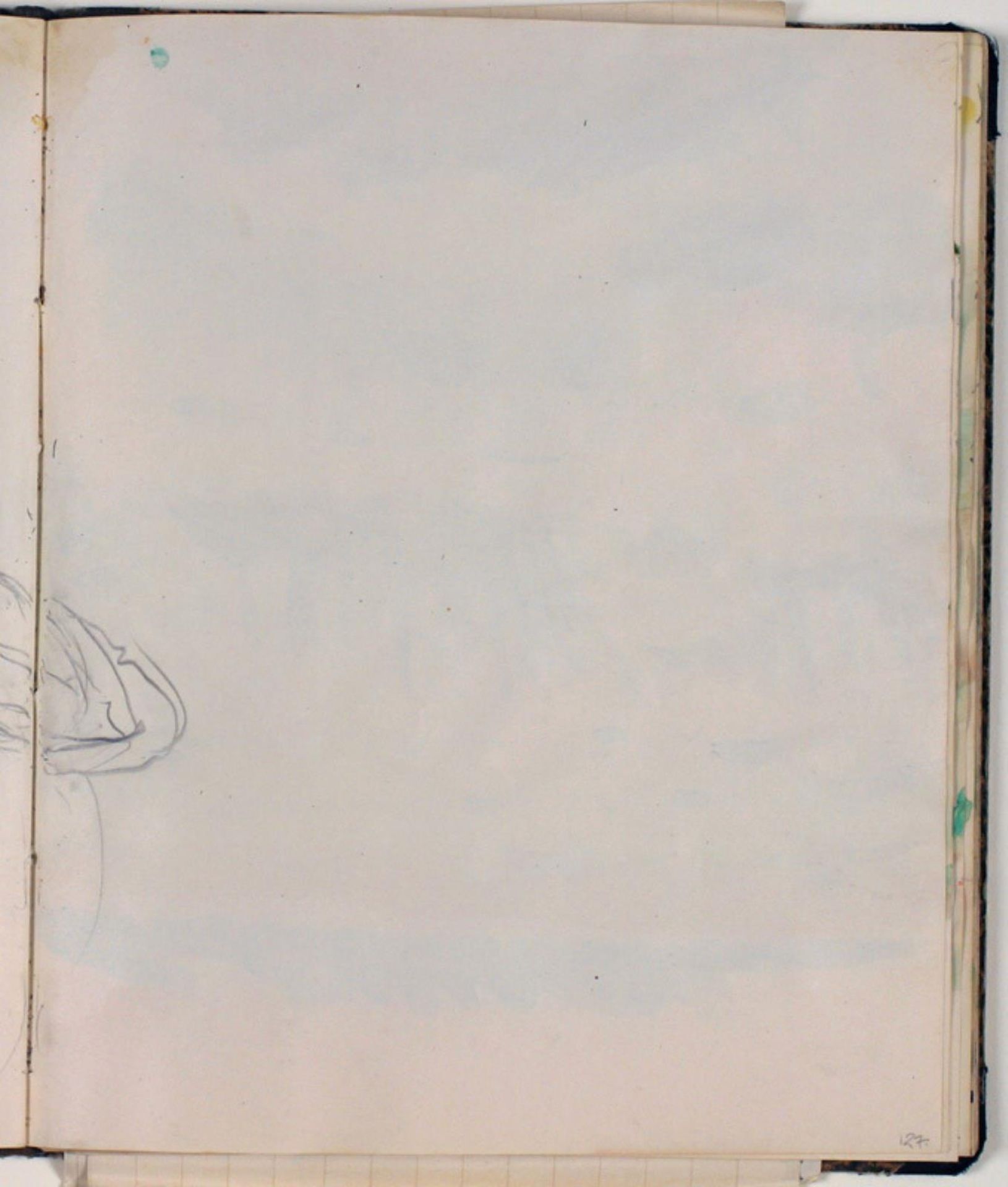
Editor: This is *Plantestudie*, a study of a plant, by Niels Larsen Stevns, sometime between 1930 and 1936. It’s a watercolor and colored pencil drawing on paper. It feels incomplete, very faint and washed out. What can you tell me about it? Curator: What interests me most is the context. The '30s were a period of intense socio-political change. Looking at Stevns' botanical study, rendered in such a delicate, almost fragile manner, I am prompted to consider: Is there a quiet resistance here? Is the artist seeking refuge in the natural world, a space untouched by the ideological conflicts brewing around him? Editor: Resistance? I hadn't considered that. It just looks like a quick sketch. Curator: Perhaps, but consider the rise of totalitarian regimes during that time. For some, focusing on the minute details of nature, of simply *seeing* and recording, was an act of defiance, an affirmation of individual experience against a backdrop of enforced collective thought. Do you see any tension between the visible sketch of the plant and the background’s atmospheric rendering? Editor: I do, now that you mention it. The faint wash *could* represent an unstable foundation or backdrop against which this botanical life is set, sort of clinging on. Curator: Exactly! How might that visual tension reflect anxieties about the era's socio-political instabilities? And does it change your perception of it? Editor: It definitely does. I initially saw it as just a study, but now I can see how it reflects something deeper. Curator: And that's precisely where art history meets contemporary thought – uncovering those layers of meaning that resonate across time and inform our understanding of both the artwork and ourselves.
Plantestudie
1930 - 1936


Artwork details
- Medium
- drawing, coloured-pencil, paper, watercolor
- Dimensions
- 226 mm (height) x 185 mm (width) x 112 mm (depth) (monteringsmaal), 221 mm (height) x 184 mm (width) (bladmaal)
- Location
- SMK - Statens Museum for Kunst
Tags
Comments
Share your thoughts
About this artwork
Editor: This is *Plantestudie*, a study of a plant, by Niels Larsen Stevns, sometime between 1930 and 1936. It’s a watercolor and colored pencil drawing on paper. It feels incomplete, very faint and washed out. What can you tell me about it? Curator: What interests me most is the context. The '30s were a period of intense socio-political change. Looking at Stevns' botanical study, rendered in such a delicate, almost fragile manner, I am prompted to consider: Is there a quiet resistance here? Is the artist seeking refuge in the natural world, a space untouched by the ideological conflicts brewing around him? Editor: Resistance? I hadn't considered that. It just looks like a quick sketch. Curator: Perhaps, but consider the rise of totalitarian regimes during that time. For some, focusing on the minute details of nature, of simply *seeing* and recording, was an act of defiance, an affirmation of individual experience against a backdrop of enforced collective thought. Do you see any tension between the visible sketch of the plant and the background’s atmospheric rendering? Editor: I do, now that you mention it. The faint wash *could* represent an unstable foundation or backdrop against which this botanical life is set, sort of clinging on. Curator: Exactly! How might that visual tension reflect anxieties about the era's socio-political instabilities? And does it change your perception of it? Editor: It definitely does. I initially saw it as just a study, but now I can see how it reflects something deeper. Curator: And that's precisely where art history meets contemporary thought – uncovering those layers of meaning that resonate across time and inform our understanding of both the artwork and ourselves.
Comments
Share your thoughts