About this artwork
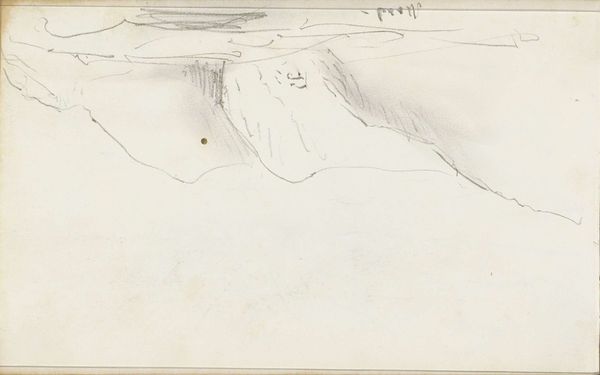
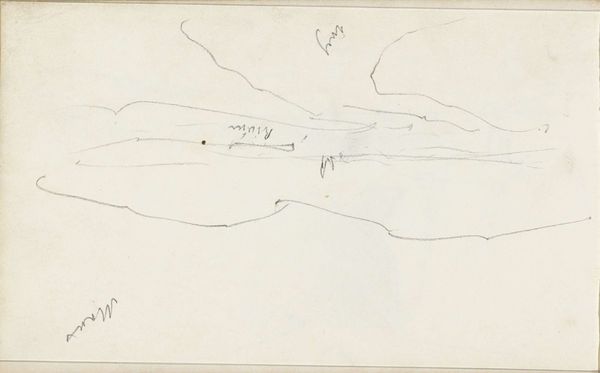
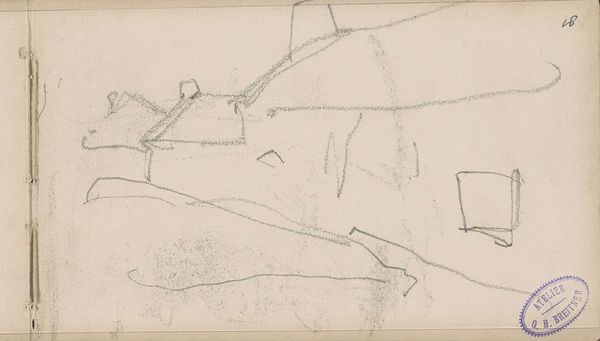
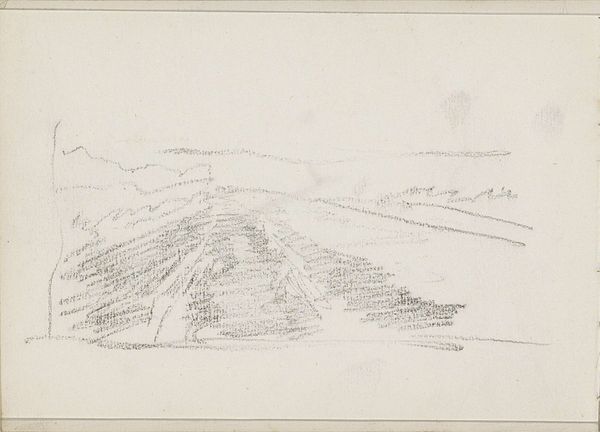
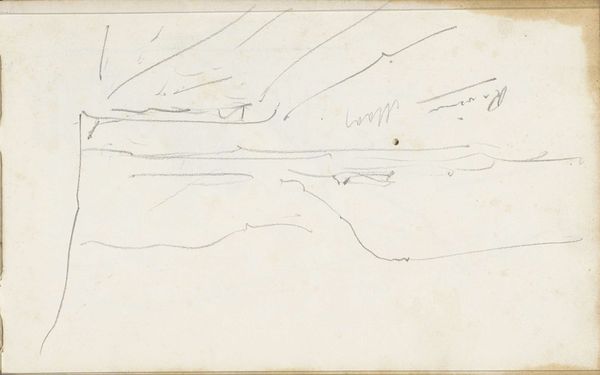
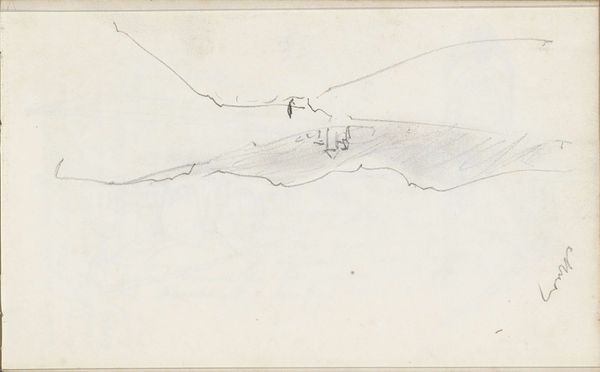
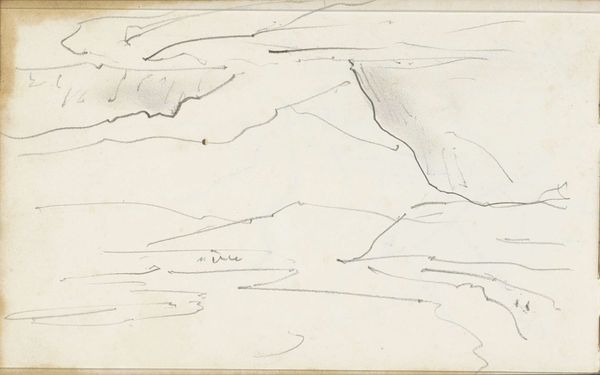
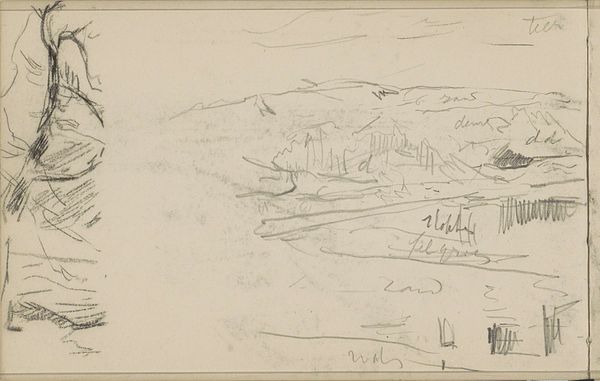
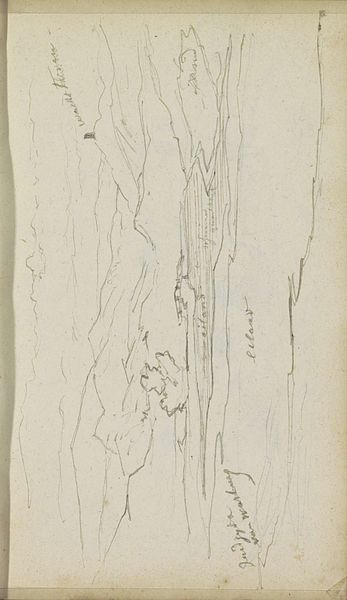
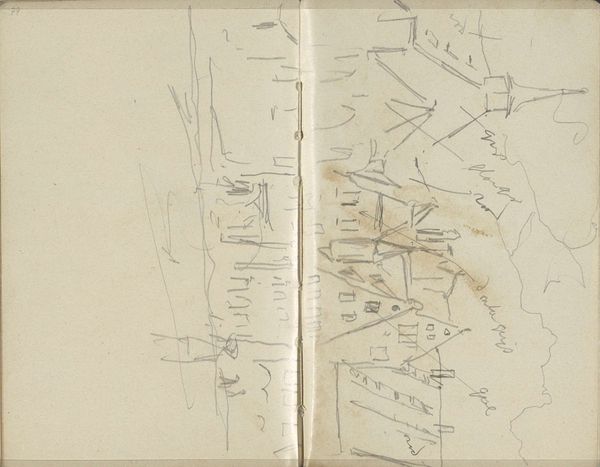
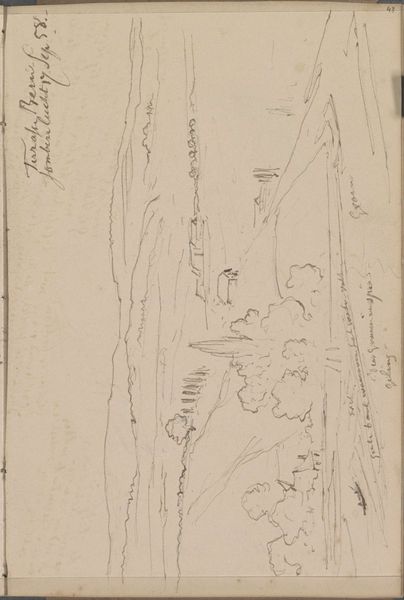
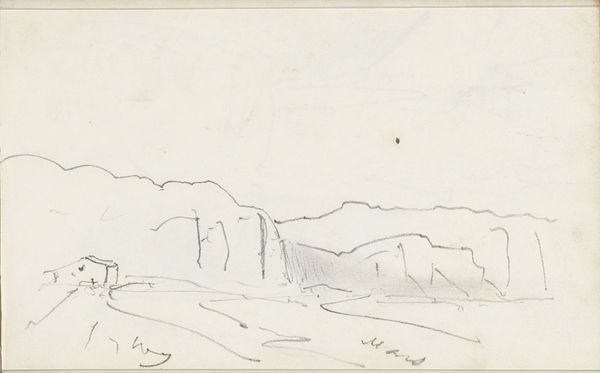
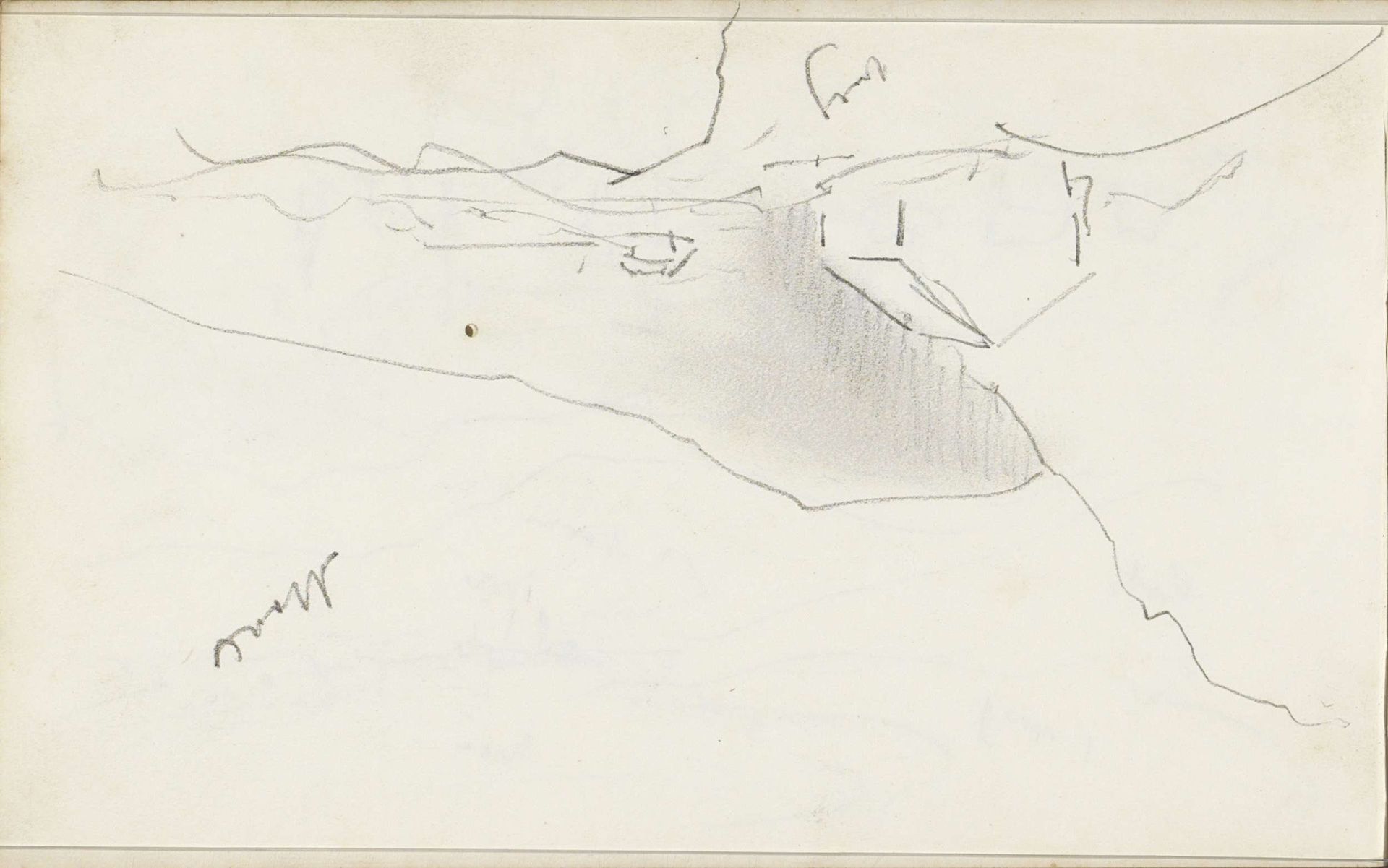
This sketch by Johannes Tavenraat, captures a humble house along the Maas. Though seemingly simple, the house itself is a profound symbol, a vessel of human experience. The house appears throughout art history from antiquity to the renaissance as a marker of civilization, of refuge, and the domestic sphere. Think of the classical Roman villas depicted in frescoes, symbols of wealth and cultivated life or the many depictions of the Holy Family with Mary, Joseph and baby Jesus in the house as a symbol of familial love, safety, and divine presence in the everyday. This cultural memory persists, evolving in meaning. Here, the sketch taps into our collective consciousness, resonating with a primal need for shelter and belonging. It is a poignant reminder of our shared human experience. The symbol of the house, therefore, transcends mere representation to become a powerful emotional trigger, echoing through the corridors of time and culture.

Artwork details
- Medium
- drawing, pencil
- Location
- Rijksmuseum
- Copyright
- Rijks Museum: Open Domain
Tags
Comments
Share your thoughts
About this artwork
This sketch by Johannes Tavenraat, captures a humble house along the Maas. Though seemingly simple, the house itself is a profound symbol, a vessel of human experience. The house appears throughout art history from antiquity to the renaissance as a marker of civilization, of refuge, and the domestic sphere. Think of the classical Roman villas depicted in frescoes, symbols of wealth and cultivated life or the many depictions of the Holy Family with Mary, Joseph and baby Jesus in the house as a symbol of familial love, safety, and divine presence in the everyday. This cultural memory persists, evolving in meaning. Here, the sketch taps into our collective consciousness, resonating with a primal need for shelter and belonging. It is a poignant reminder of our shared human experience. The symbol of the house, therefore, transcends mere representation to become a powerful emotional trigger, echoing through the corridors of time and culture.
Comments
Share your thoughts