About this artwork
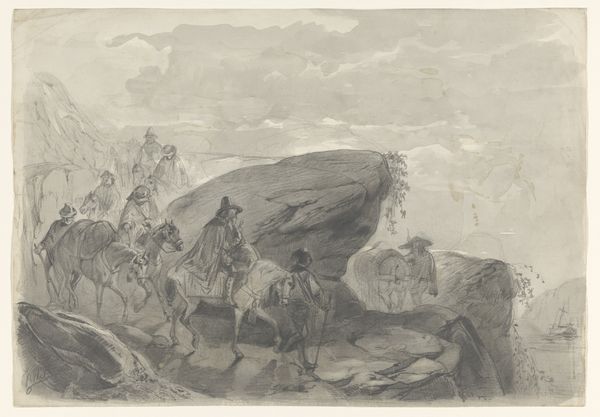
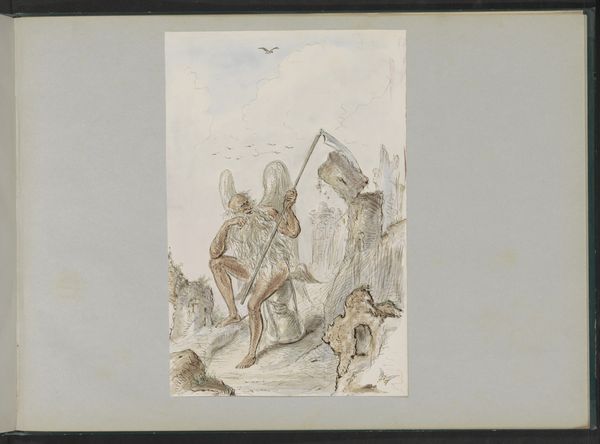
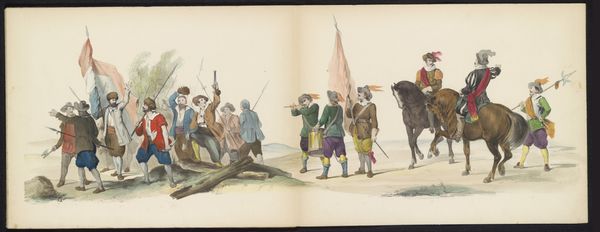
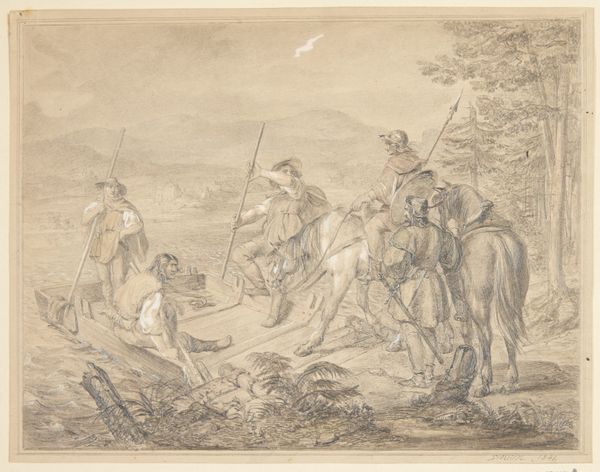
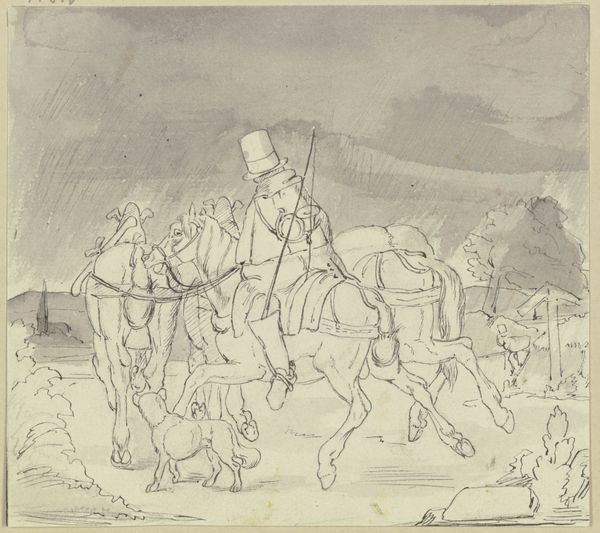
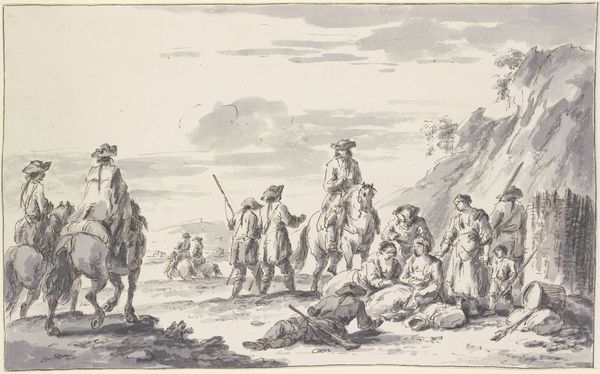
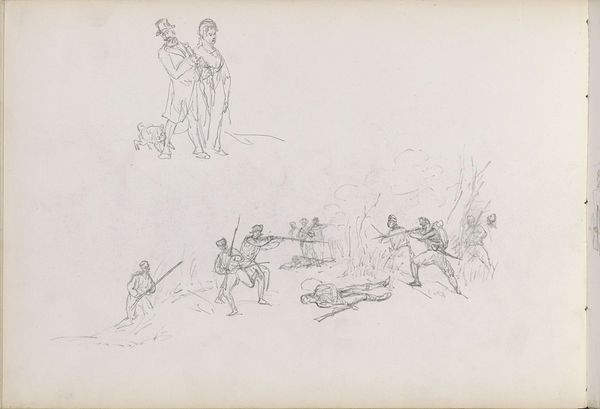
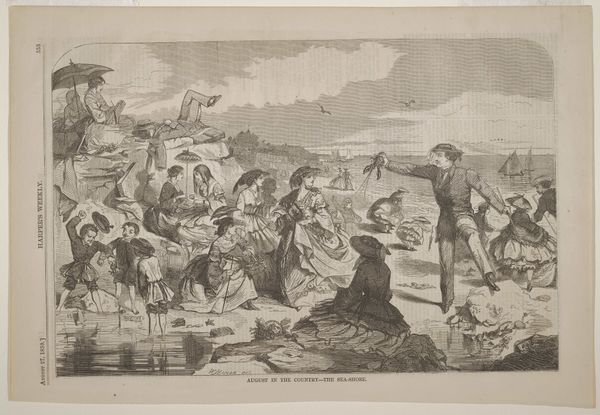
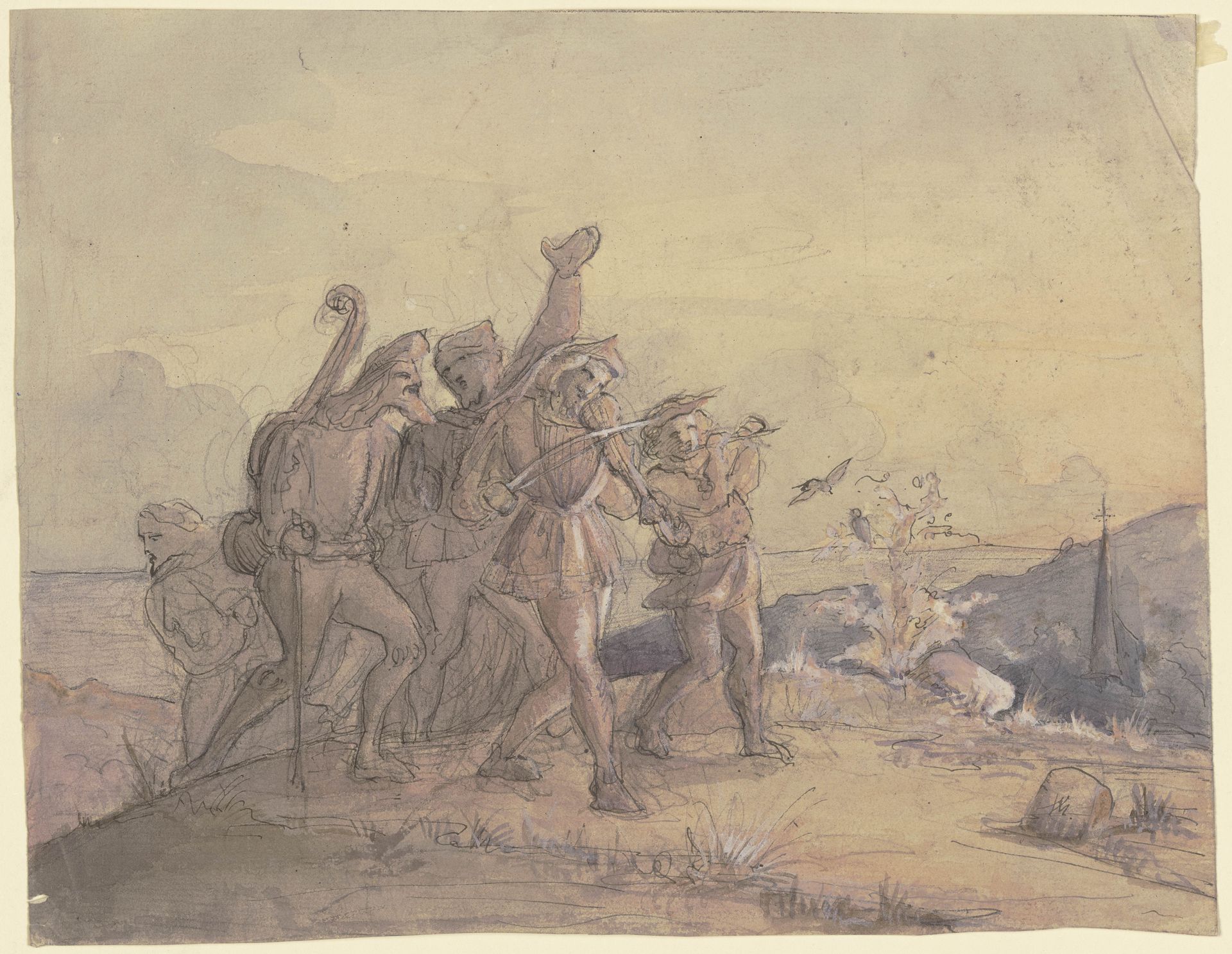
Victor Müller created this watercolor, “A Group of Musicians Traveling Through a Landscape,” sometime in the mid-19th century. Müller came of age in a period of significant political and social upheaval in Europe, including the rise of nationalism and revolutions of 1848. The artwork portrays a group of musicians journeying through a rural landscape, perhaps evoking the lives of wandering minstrels of earlier times, but it also reflects Müller’s interest in the Romantic movement, which was fascinated by the past and folk traditions. The musicians, with their varied instruments and attire, seem to represent a cross-section of society. They could be read as symbols of unity and cultural identity, particularly relevant in an era marked by the consolidation of nations. The soft, muted tones and the somewhat dreamlike quality of the landscape invite us to consider themes of nostalgia, longing, and the search for cultural roots. "Art is not there to tell stories, but to trigger emotions", Müller once said. As you reflect on this artwork, consider how it speaks to our own sense of identity and belonging, especially in an age of globalization and rapid change.
Eine Gruppe von Musikanten, durch eine Landschaft ziehend


Artwork details
- Medium
- drawing, paper, watercolor, ink
- Location
- Städel Museum
- Copyright
- Public Domain
Tags
drawing
narrative-art
landscape
figuration
paper
watercolor
ink
watercolour illustration
Comments
No comments
About this artwork
Victor Müller created this watercolor, “A Group of Musicians Traveling Through a Landscape,” sometime in the mid-19th century. Müller came of age in a period of significant political and social upheaval in Europe, including the rise of nationalism and revolutions of 1848. The artwork portrays a group of musicians journeying through a rural landscape, perhaps evoking the lives of wandering minstrels of earlier times, but it also reflects Müller’s interest in the Romantic movement, which was fascinated by the past and folk traditions. The musicians, with their varied instruments and attire, seem to represent a cross-section of society. They could be read as symbols of unity and cultural identity, particularly relevant in an era marked by the consolidation of nations. The soft, muted tones and the somewhat dreamlike quality of the landscape invite us to consider themes of nostalgia, longing, and the search for cultural roots. "Art is not there to tell stories, but to trigger emotions", Müller once said. As you reflect on this artwork, consider how it speaks to our own sense of identity and belonging, especially in an age of globalization and rapid change.
Comments
No comments