About this artwork
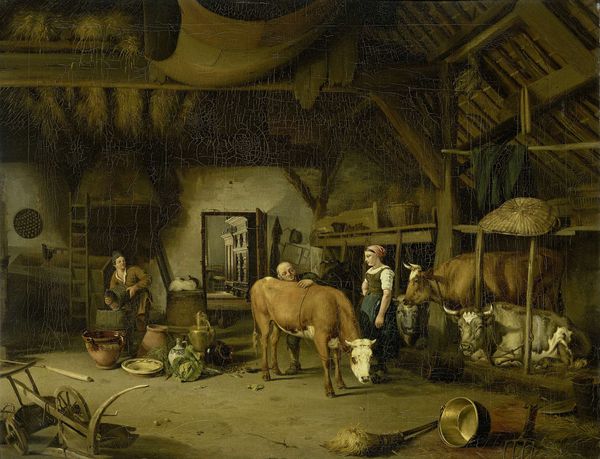
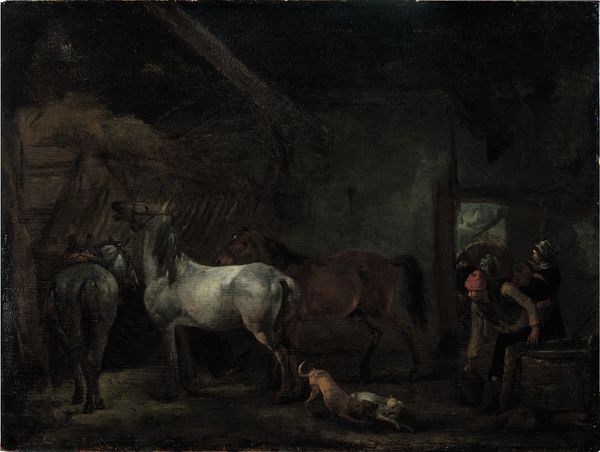
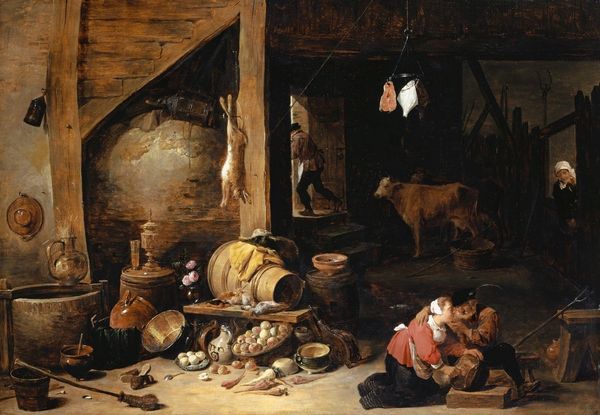
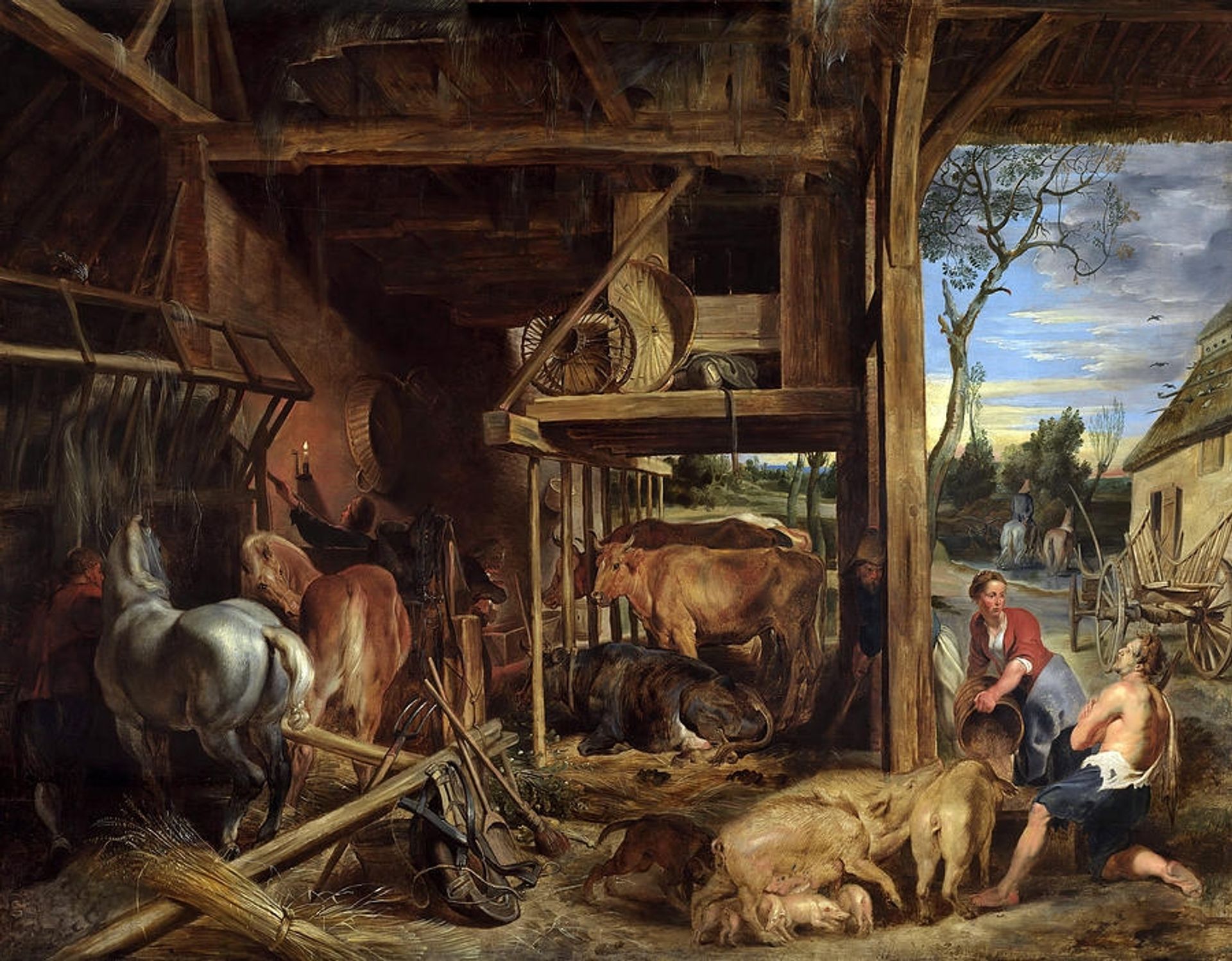
Peter Paul Rubens painted "Return of the Prodigal Son" at an unknown date, and rendered the scene in oil on canvas, measuring 107 by 155 centimeters. Notice how the space is divided into distinct zones of light and shadow. The stable’s interior, dominated by earth tones, is offset by the sky peeking through. Rubens masterfully uses the interplay between light and shadow to create a sense of drama and depth. The figures are rendered with a keen attention to detail, their forms robust and dynamic. This attention to form allows us to see how Rubens engages with the tradition of biblical painting, bringing new emphasis to the story’s human drama. Consider the way the composition draws the eye: from the dark interior to the bright sky. This not only highlights the narrative of redemption but also challenges the viewer to engage with the painting's symbolic structure. The artwork does not only present a story; it invites us to decode the underlying contrasts and values it embodies.

Artwork details
- Medium
- painting, oil-paint
- Dimensions
- 107 x 155 cm
- Copyright
- Public domain
Tags
narrative-art
baroque
painting
oil-paint
landscape
figuration
oil painting
flemish
genre-painting
history-painting
realism
Comments
No comments
About this artwork
Peter Paul Rubens painted "Return of the Prodigal Son" at an unknown date, and rendered the scene in oil on canvas, measuring 107 by 155 centimeters. Notice how the space is divided into distinct zones of light and shadow. The stable’s interior, dominated by earth tones, is offset by the sky peeking through. Rubens masterfully uses the interplay between light and shadow to create a sense of drama and depth. The figures are rendered with a keen attention to detail, their forms robust and dynamic. This attention to form allows us to see how Rubens engages with the tradition of biblical painting, bringing new emphasis to the story’s human drama. Consider the way the composition draws the eye: from the dark interior to the bright sky. This not only highlights the narrative of redemption but also challenges the viewer to engage with the painting's symbolic structure. The artwork does not only present a story; it invites us to decode the underlying contrasts and values it embodies.
Comments
No comments