c. 1890 - 1910
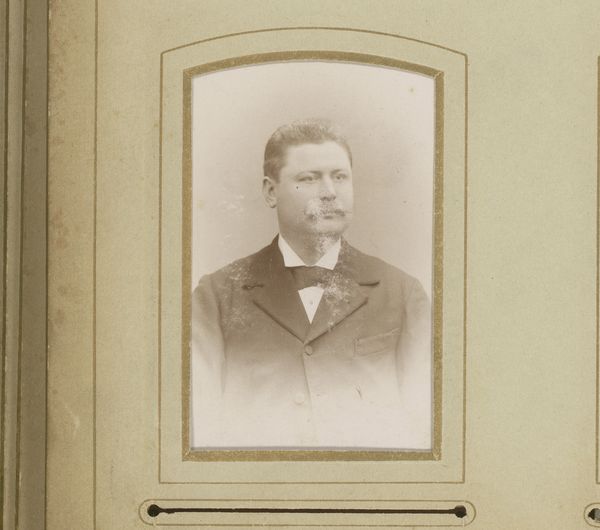
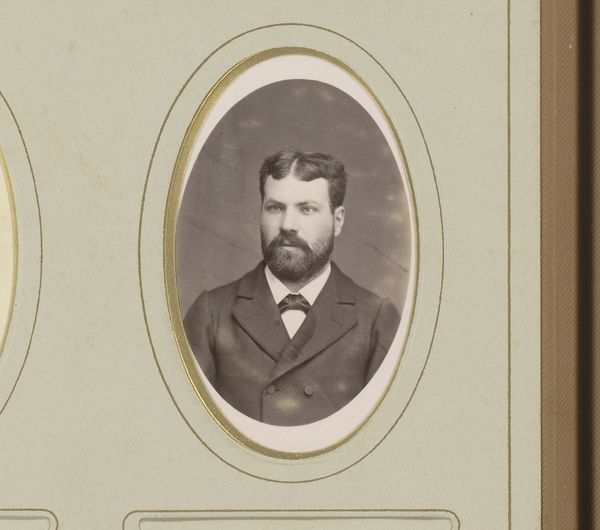
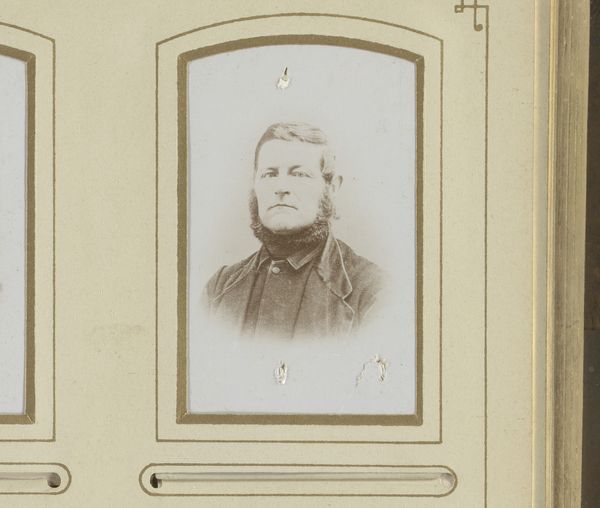
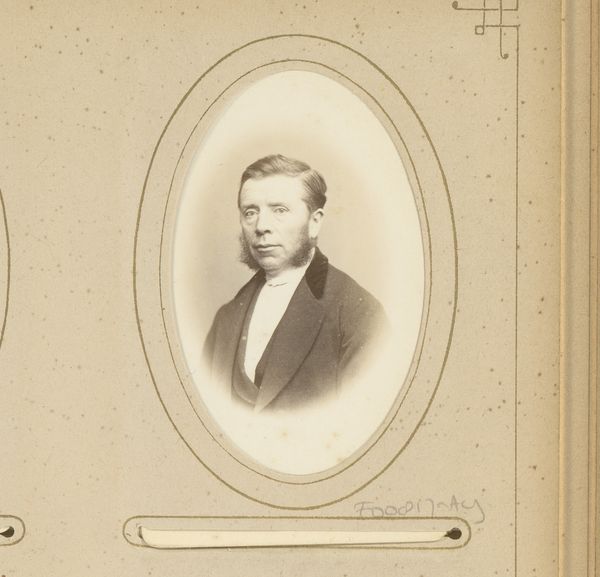
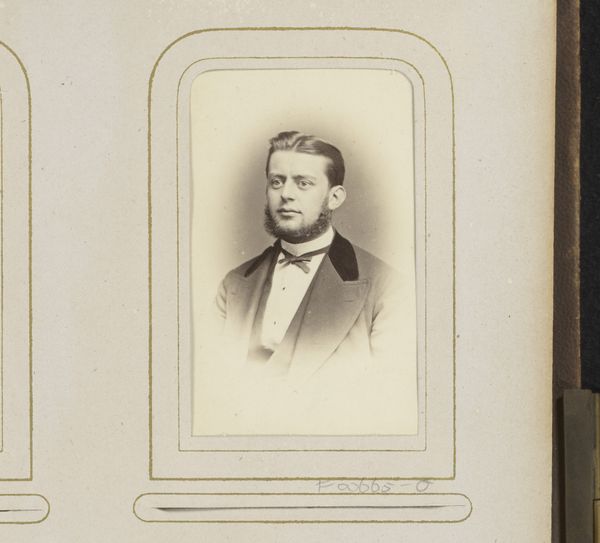
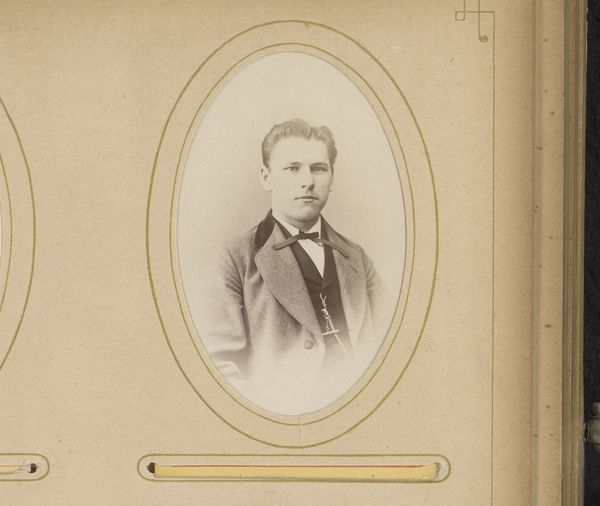
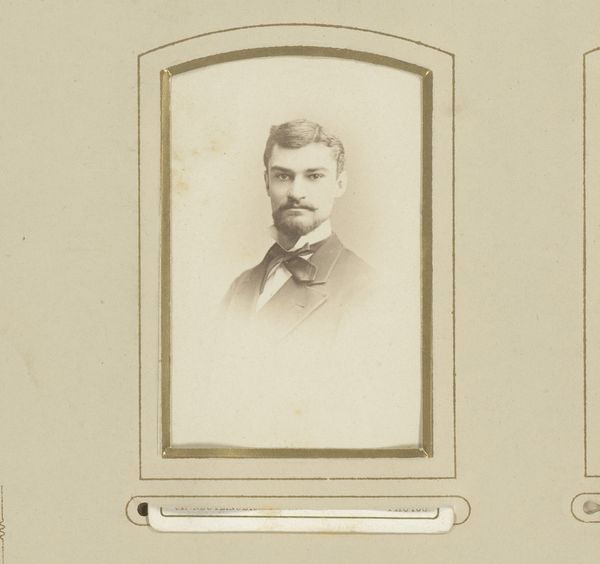
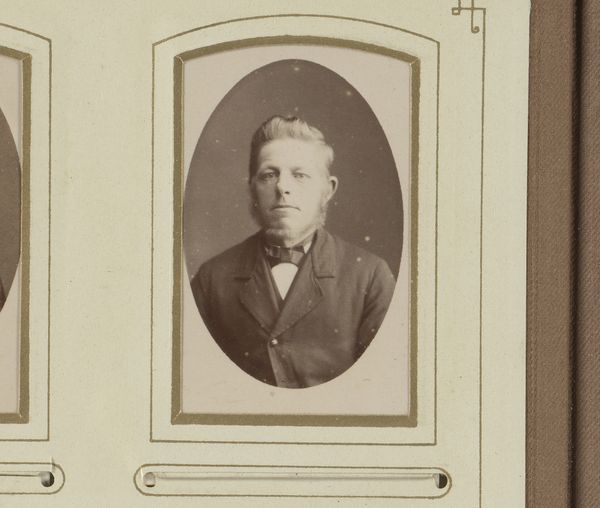
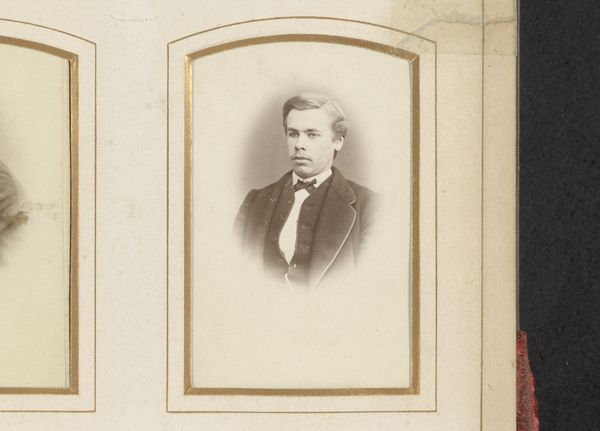
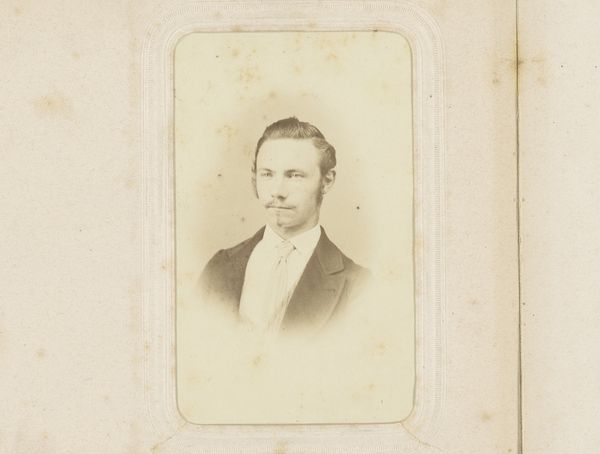
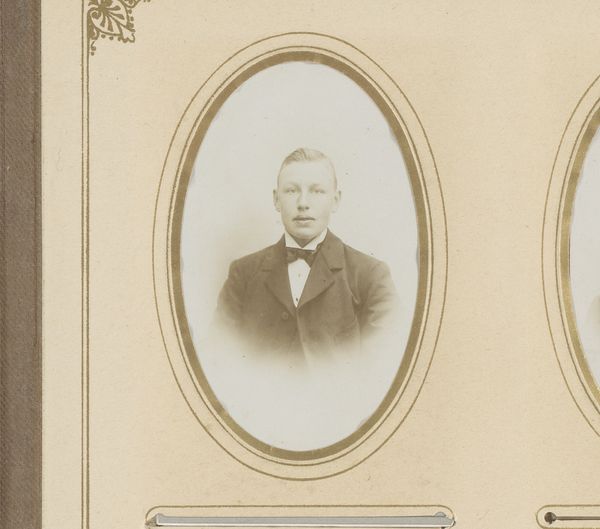
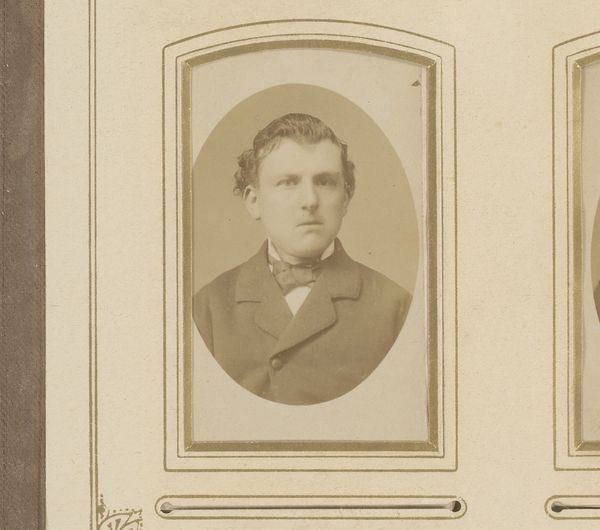
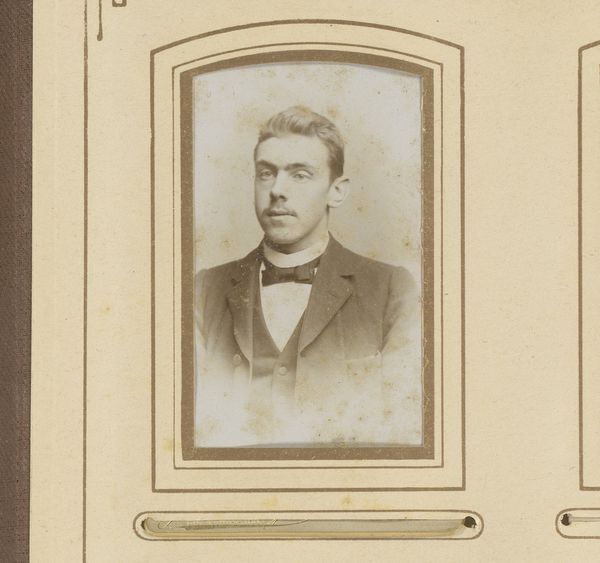
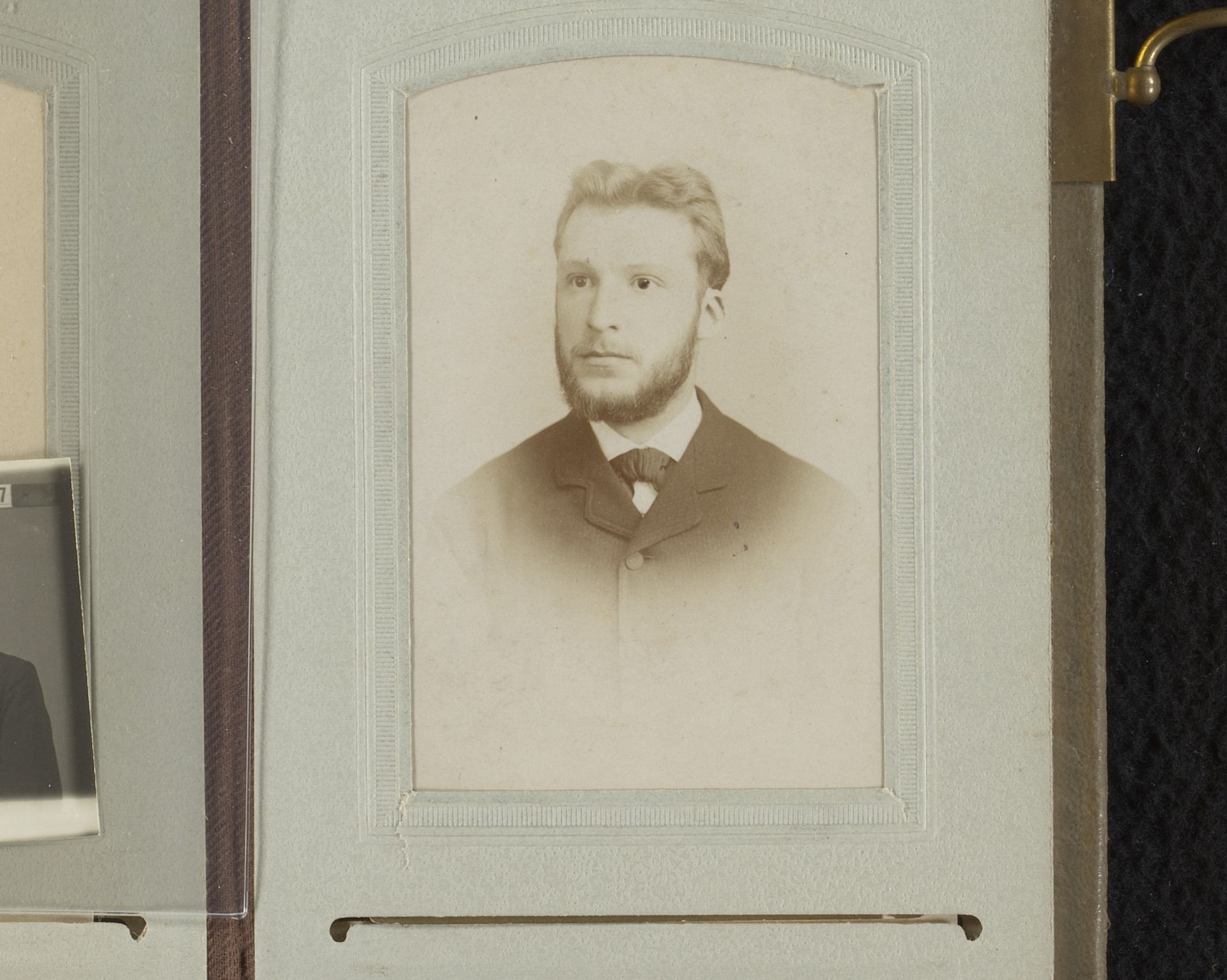
Portret van een man

Max Büttinghausen
1847 - 1906Location
RijksmuseumListen to curator's interpretation
Curatorial notes
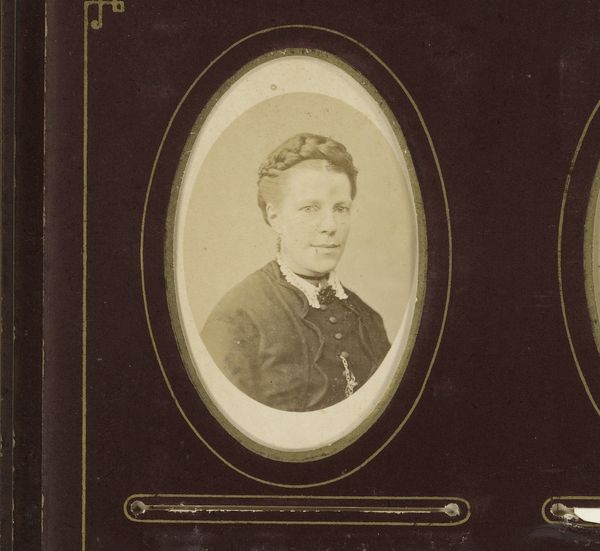
This photograph, "Portret van een man," was created by Max Büttinghausen. At this time, photography was becoming a widely accessible process. The production of these images relied on both skilled labor and the industrial manufacture of materials like sensitized paper. Consider the social context: photography provided new means for individuals to represent themselves. Unlike painted portraits that were exclusive to the wealthy, photographic portraits allowed a broader range of people to participate in visual culture. This democratization had a profound effect on the production of images, as photographic studios arose to meet the demand. The materiality of the photograph itself is important. Early photographic prints, like this one, had a unique tonal range and surface quality. Each print was the result of a chemical process, influenced by exposure time, temperature, and the skill of the photographer. These elements reflect photography's role in shaping social identities and visual practices.