About this artwork
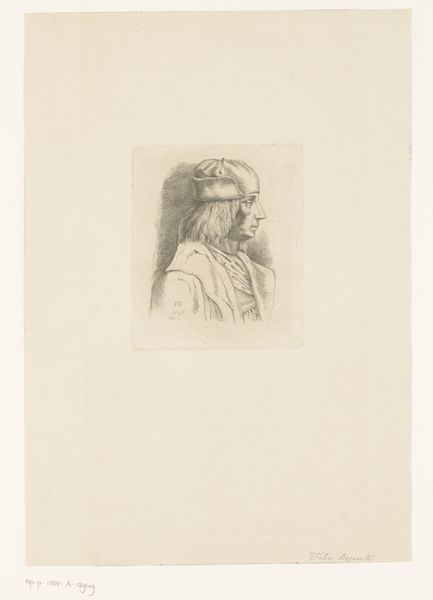
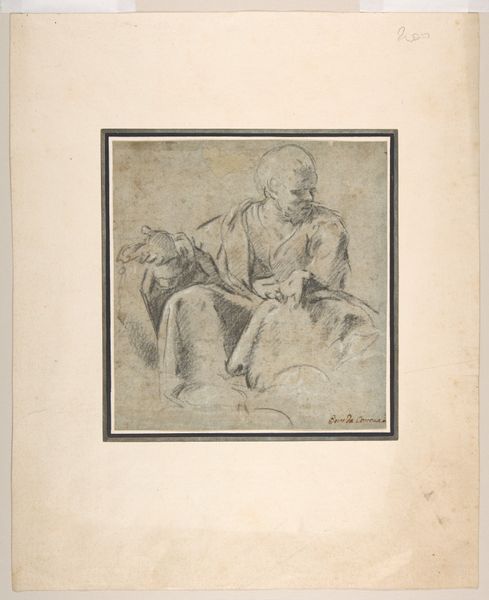
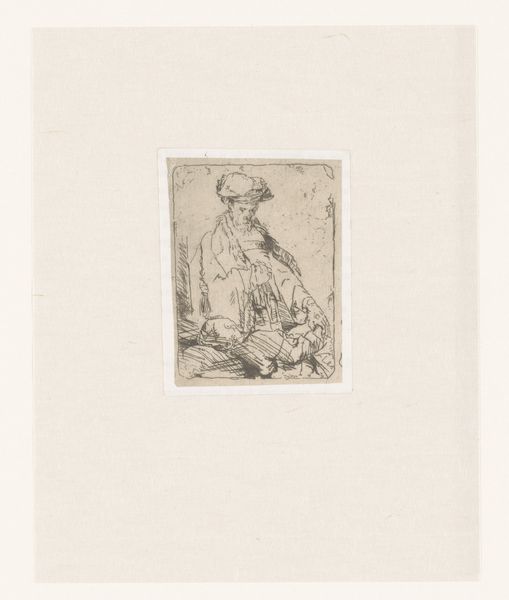
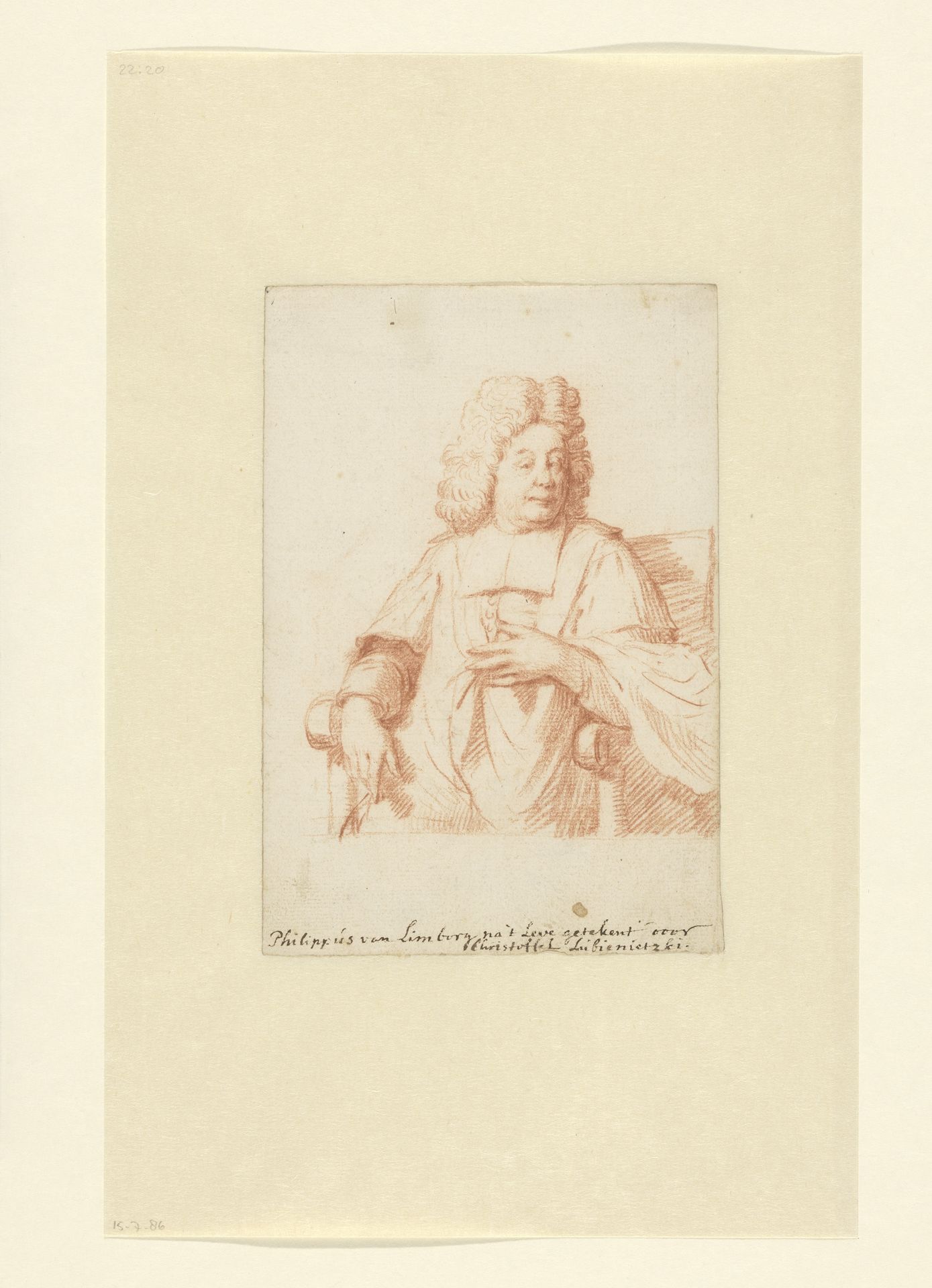
Christoffel Lubienitzki rendered this sanguine drawing of Philippus van Limborch. The sitter’s gaze is directed towards the viewer, his right hand gesturing towards his chest. This gesture—the hand placed over the heart—is an ancient symbol, a testament to sincerity and fidelity, echoed through centuries. We see it in classical sculptures and Renaissance portraits alike; a visual anchor symbolizing honesty and allegiance. Yet, observe how its meaning shifts, morphs, and adapts with time. In some eras, it signifies religious devotion, in others, secular loyalty. Here, in van Limborch’s portrait, it perhaps reflects the sitter's dedication to his philosophical pursuits. This symbol engages our collective memory, stirring subconscious recognition. It speaks of deeply ingrained human values, a testament to the enduring power of visual language.
Portret van Philippus van Limborch 1680 - 1712

Christoffel Lubienitzki
1659Location
RijksmuseumArtwork details
- Medium
- drawing, paper, ink
- Dimensions
- height 180 mm, width 123 mm
- Location
- Rijksmuseum
- Copyright
- Rijks Museum: Open Domain
Tags
portrait
drawing
baroque
figuration
paper
ink
history-painting
Comments
No comments
About this artwork
Christoffel Lubienitzki rendered this sanguine drawing of Philippus van Limborch. The sitter’s gaze is directed towards the viewer, his right hand gesturing towards his chest. This gesture—the hand placed over the heart—is an ancient symbol, a testament to sincerity and fidelity, echoed through centuries. We see it in classical sculptures and Renaissance portraits alike; a visual anchor symbolizing honesty and allegiance. Yet, observe how its meaning shifts, morphs, and adapts with time. In some eras, it signifies religious devotion, in others, secular loyalty. Here, in van Limborch’s portrait, it perhaps reflects the sitter's dedication to his philosophical pursuits. This symbol engages our collective memory, stirring subconscious recognition. It speaks of deeply ingrained human values, a testament to the enduring power of visual language.
Comments
No comments