About this artwork
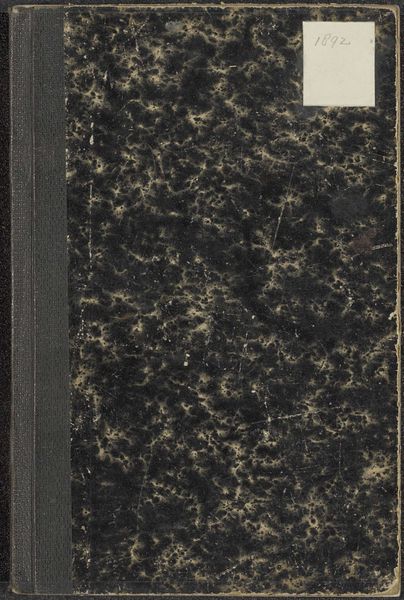
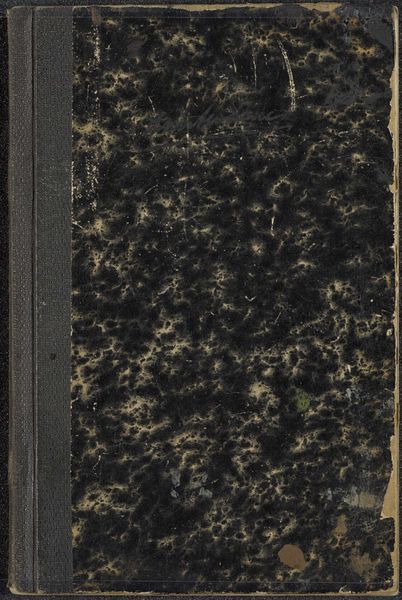
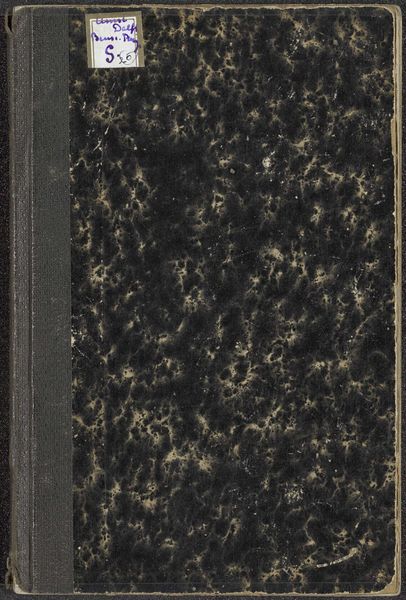
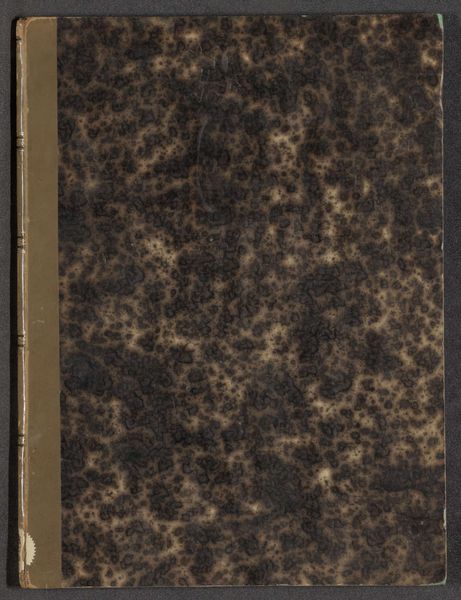
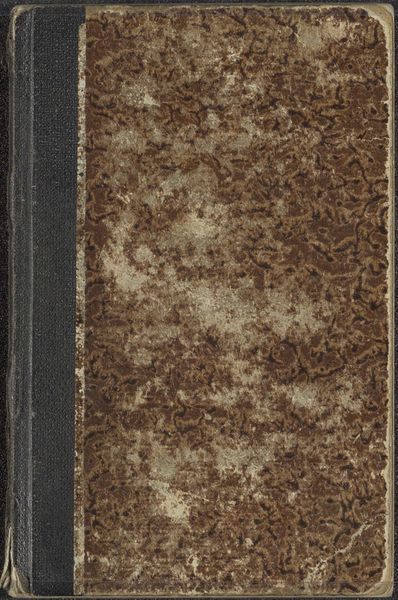
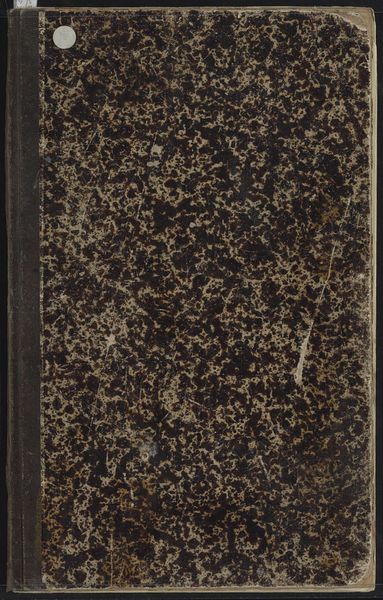
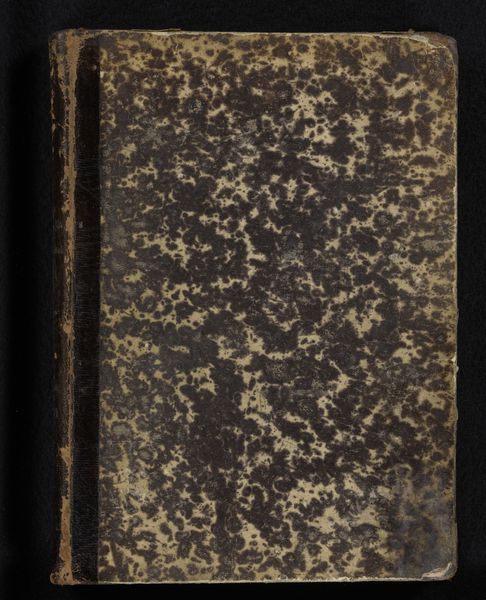
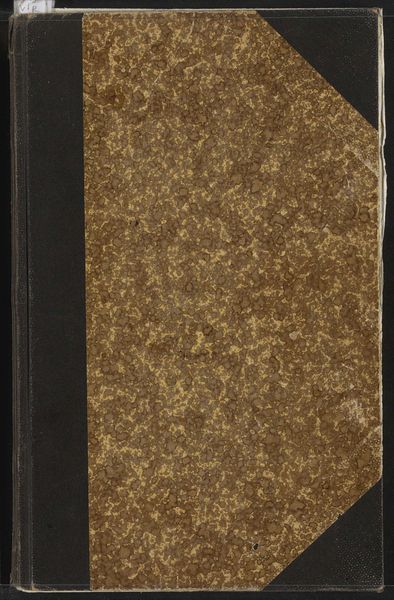
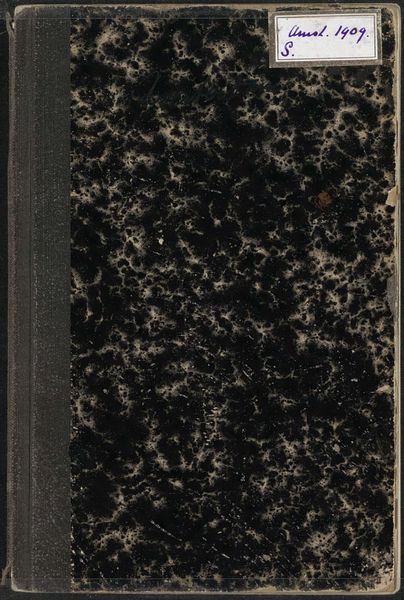
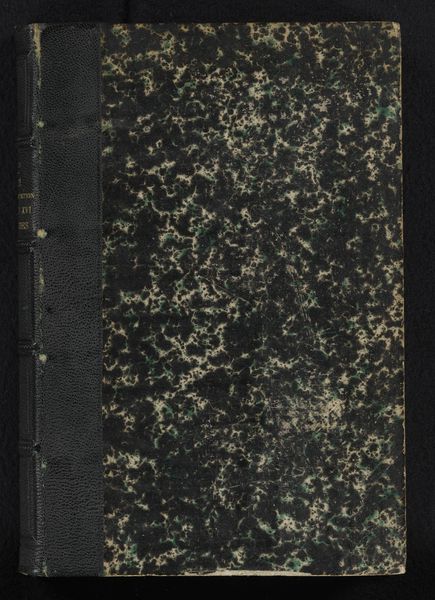
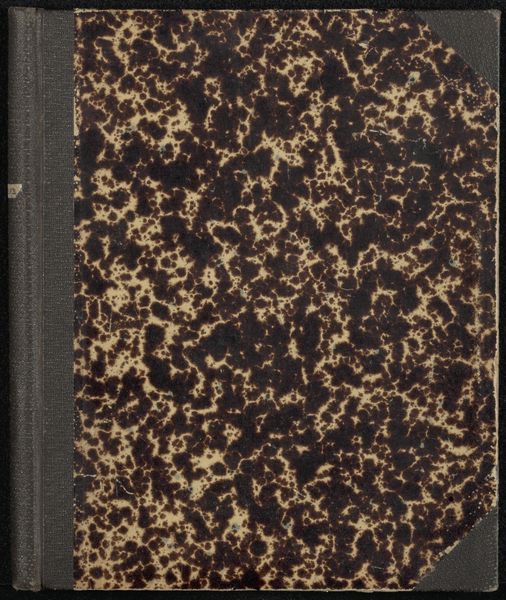
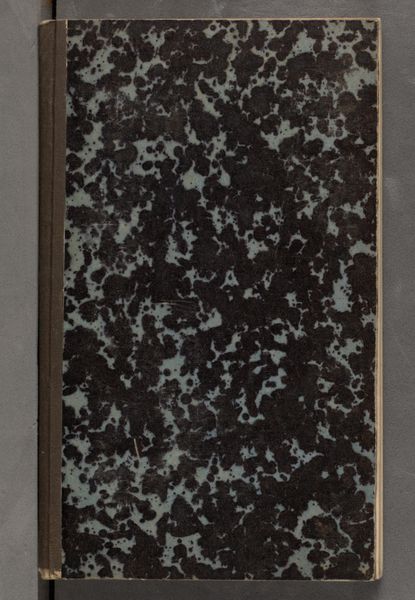
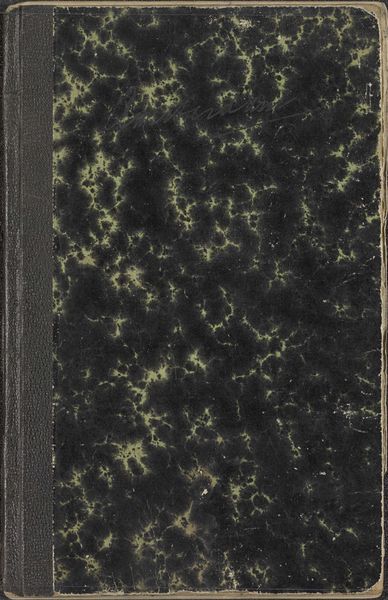
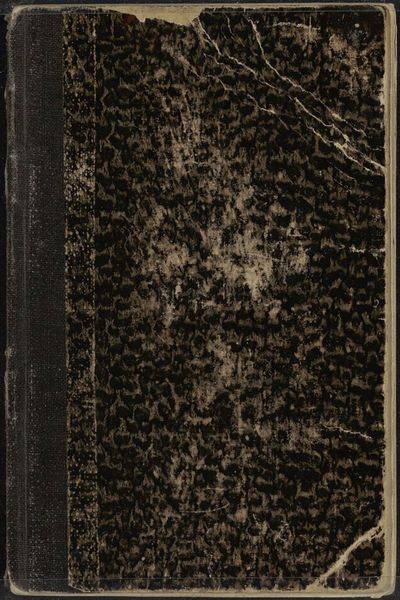
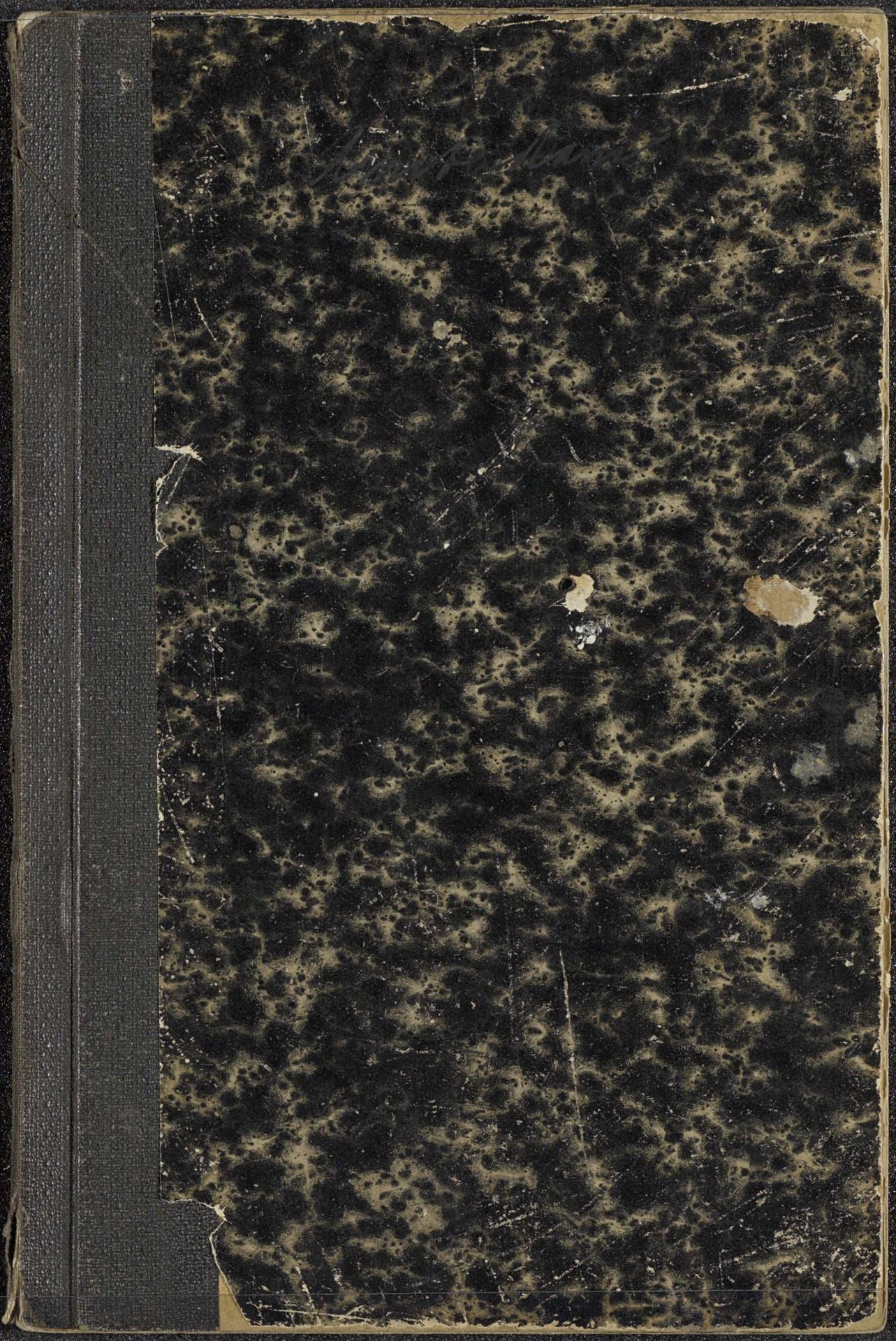
This is a sketchbook with 20 pages by George Hendrik Breitner, held at the Rijksmuseum. It may seem like a humble object, but sketchbooks provide vital insights into an artist's practice, and the social context of their work. Breitner was a key figure in the Amsterdam Impressionism movement in the Netherlands. The late 19th century was a time of rapid urbanization and social change, and Amsterdam Impressionism sought to capture the everyday life of the city. Artists ventured out of the studio, and into the streets. Sketchbooks like this one were essential tools for artists documenting modern life. Breitner used photography and sketching to capture fleeting moments and then translate these into larger paintings. Historians pour over sketchbooks to understand the world through the artist's eyes. Diaries, letters, municipal records, newspapers, and census data help reveal the historical contexts. Art becomes a window into the past, reflecting the evolving social conditions and artistic debates of its time.

Artwork details
- Medium
- drawing, paper, impasto
- Dimensions
- height 201 mm, width 132 mm, thickness 8 mm, width 266 mm
- Location
- Rijksmuseum
- Copyright
- Rijks Museum: Open Domain
Tags
drawing
textured
paper
impasto
texture
street
organic texture
Comments
Be the first to share your thoughts about this work.
About this artwork
This is a sketchbook with 20 pages by George Hendrik Breitner, held at the Rijksmuseum. It may seem like a humble object, but sketchbooks provide vital insights into an artist's practice, and the social context of their work. Breitner was a key figure in the Amsterdam Impressionism movement in the Netherlands. The late 19th century was a time of rapid urbanization and social change, and Amsterdam Impressionism sought to capture the everyday life of the city. Artists ventured out of the studio, and into the streets. Sketchbooks like this one were essential tools for artists documenting modern life. Breitner used photography and sketching to capture fleeting moments and then translate these into larger paintings. Historians pour over sketchbooks to understand the world through the artist's eyes. Diaries, letters, municipal records, newspapers, and census data help reveal the historical contexts. Art becomes a window into the past, reflecting the evolving social conditions and artistic debates of its time.
Comments
Be the first to share your thoughts about this work.