About this artwork
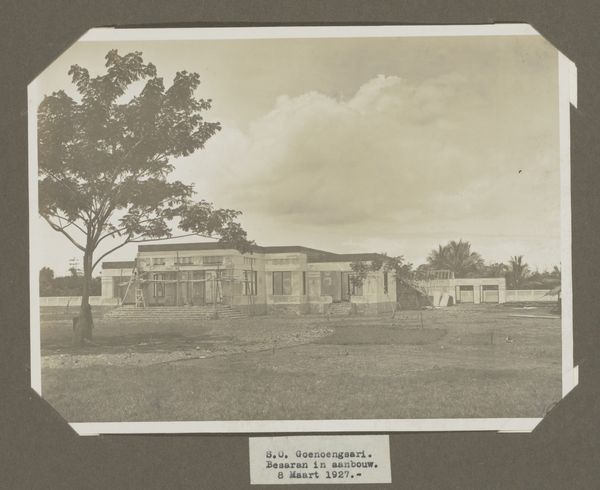
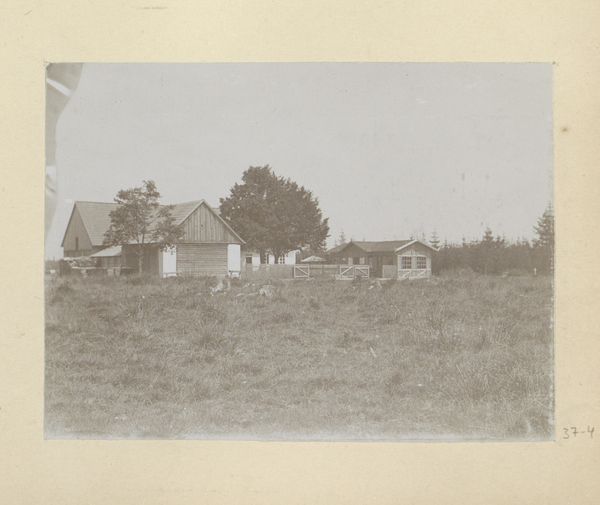
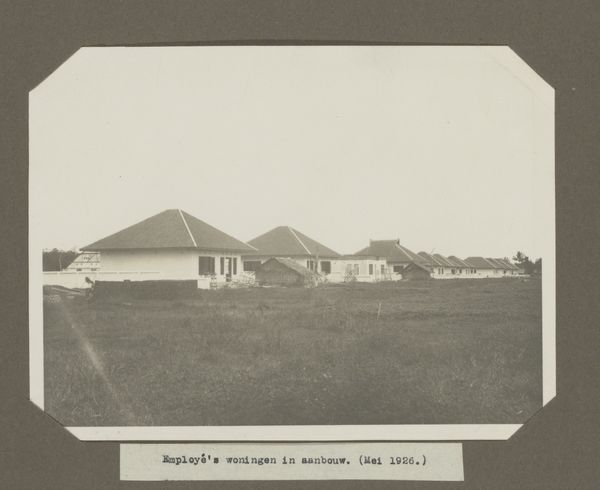
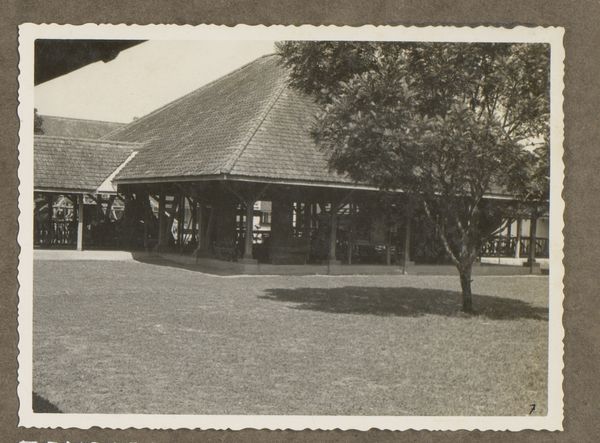
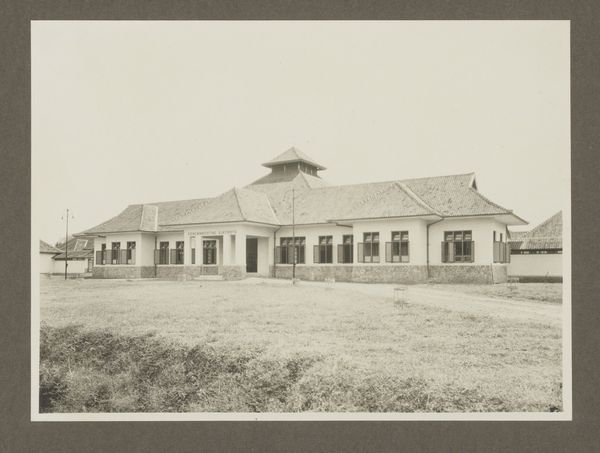
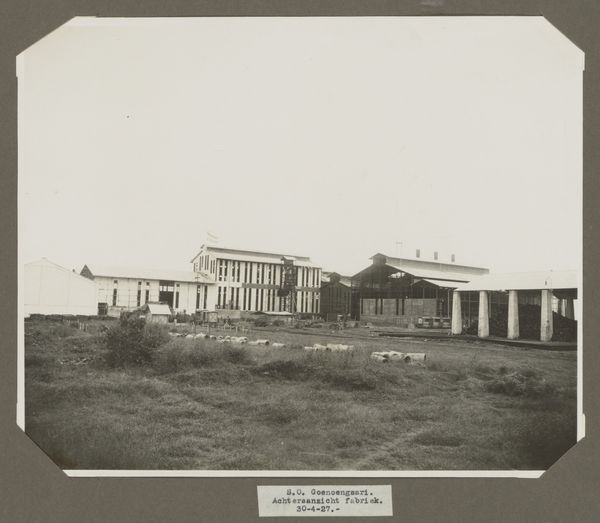
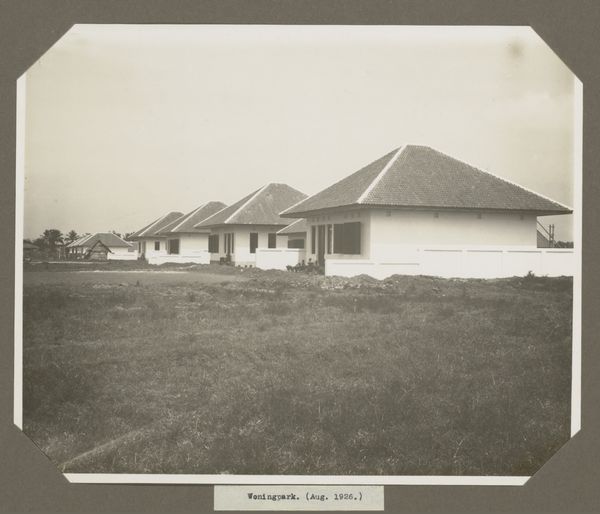
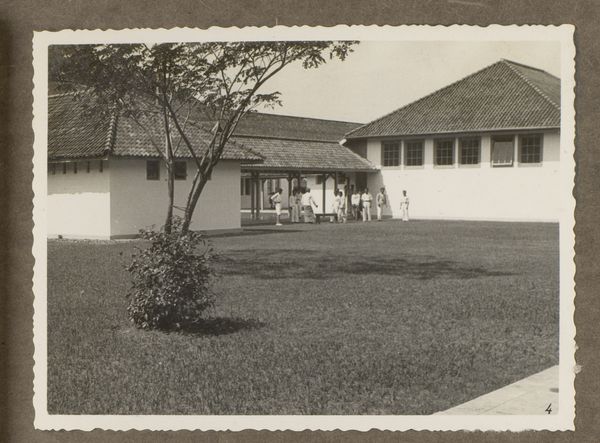
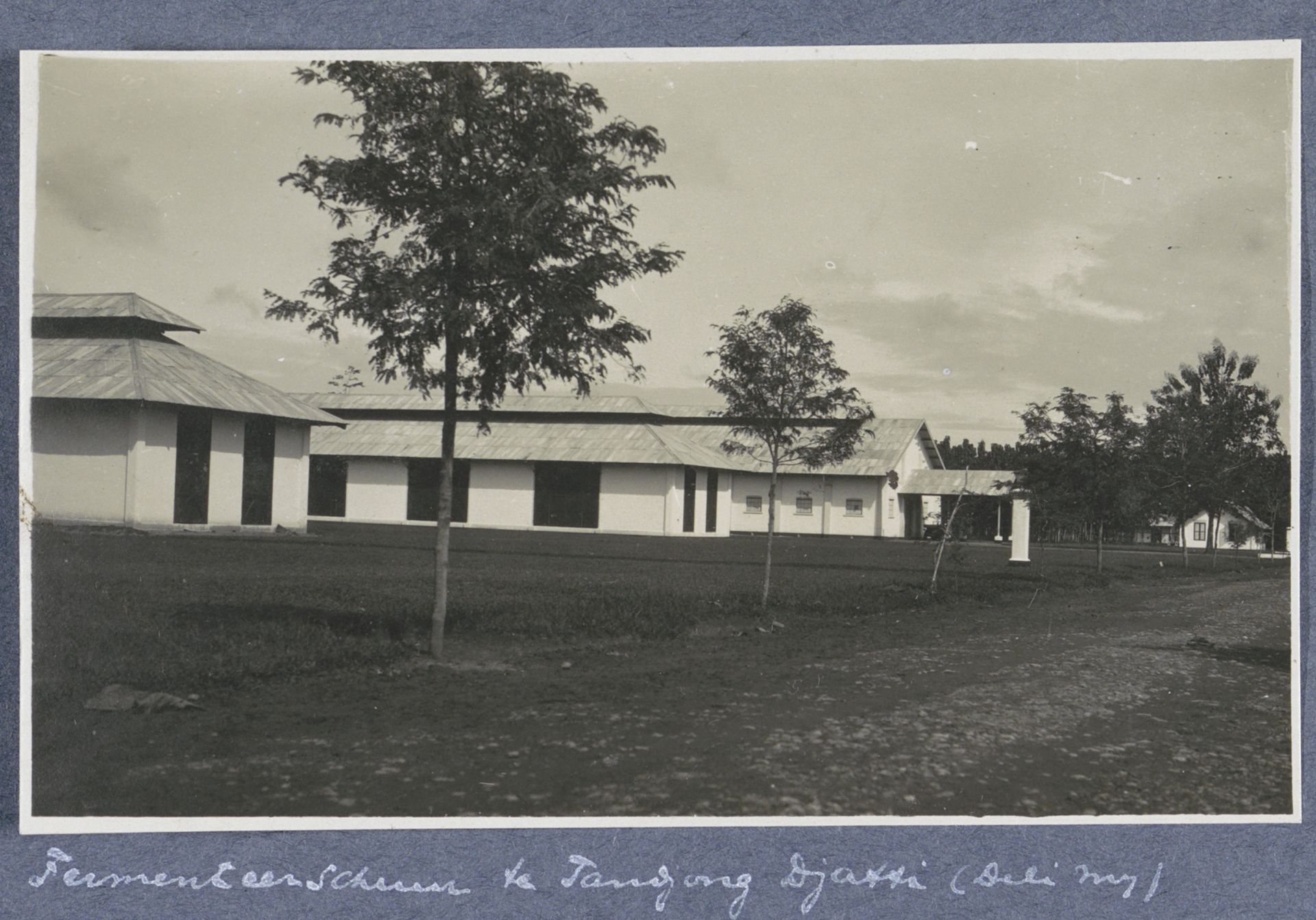
This photograph, showing the exterior of fermenting sheds of the Deli Company in Pandjang Djati, Sumatra, uses a muted palette of grayscale tones, creating a somewhat somber yet serene atmosphere. The composition emphasizes horizontal lines with the repetitive structures, and the subtle variations in tone suggest a meticulous and thoughtful process. I'm intrigued by the marks in the foreground, where the grass meets the earth. There’s a certain roughness there that contrasts with the clean lines of the architecture. This contrast brings attention to the textures and the physical nature of the world depicted, a space where industry meets nature. It reminds me of some of Bernd and Hilla Becher’s typologies, though with a less formal, almost vernacular quality. Both artists cataloged industrial structures, but here the scene is softer, more organic, suggesting an embrace of the imperfect and the temporal. Art is always a conversation, isn't it? A constant remix of ideas and forms.
Exterieur van fermenteerschuren van de Deli Maatschappij te Pandjang Djati op Sumatra
c. 1900 - 1920

Anonymous
@anonymousLocation
RijksmuseumArtwork details
- Medium
- print, photography
- Dimensions
- height 81 mm, width 134 mm
- Location
- Rijksmuseum
- Copyright
- Rijks Museum: Open Domain
Tags
Comments
Share your thoughts
About this artwork
This photograph, showing the exterior of fermenting sheds of the Deli Company in Pandjang Djati, Sumatra, uses a muted palette of grayscale tones, creating a somewhat somber yet serene atmosphere. The composition emphasizes horizontal lines with the repetitive structures, and the subtle variations in tone suggest a meticulous and thoughtful process. I'm intrigued by the marks in the foreground, where the grass meets the earth. There’s a certain roughness there that contrasts with the clean lines of the architecture. This contrast brings attention to the textures and the physical nature of the world depicted, a space where industry meets nature. It reminds me of some of Bernd and Hilla Becher’s typologies, though with a less formal, almost vernacular quality. Both artists cataloged industrial structures, but here the scene is softer, more organic, suggesting an embrace of the imperfect and the temporal. Art is always a conversation, isn't it? A constant remix of ideas and forms.
Comments
Share your thoughts