About this artwork
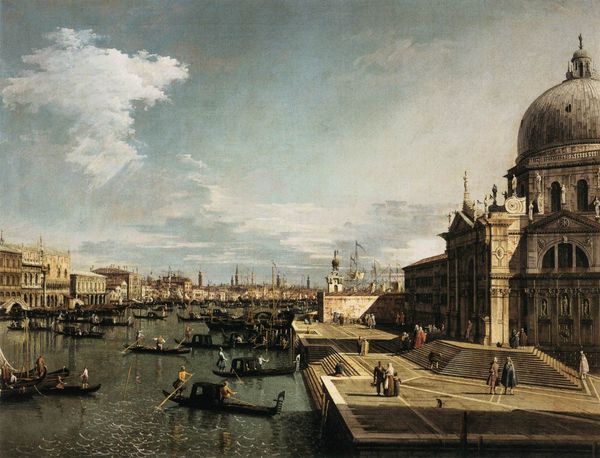
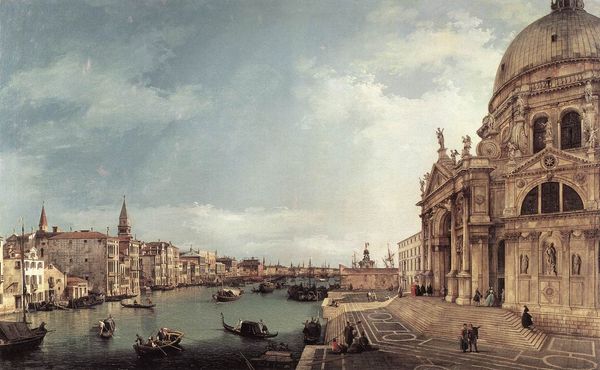
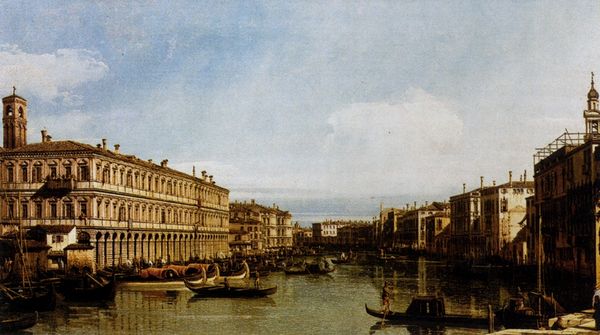
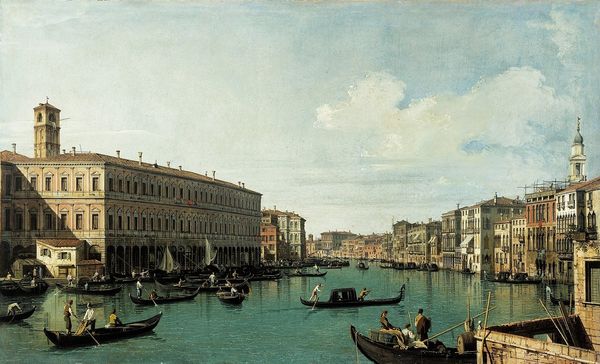
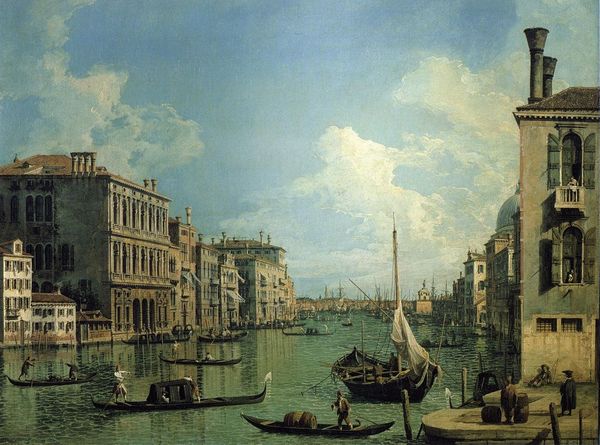
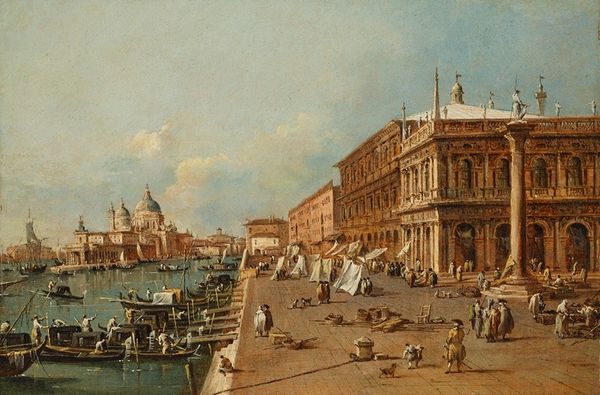
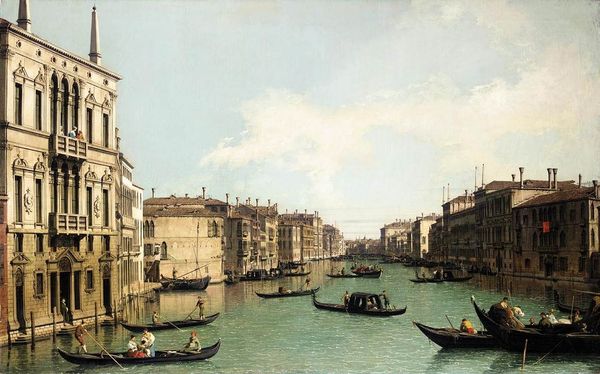
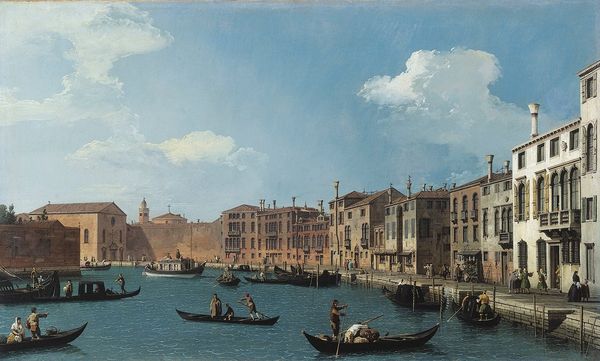
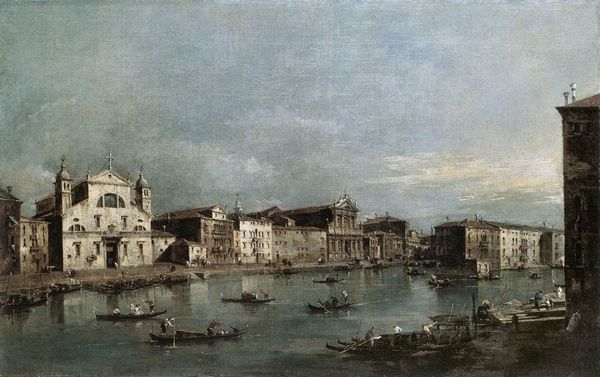
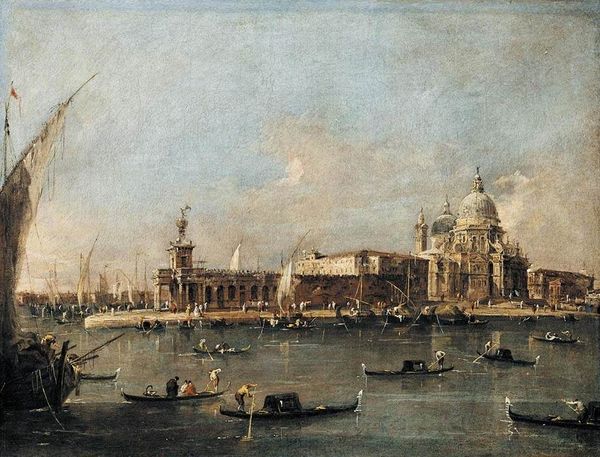
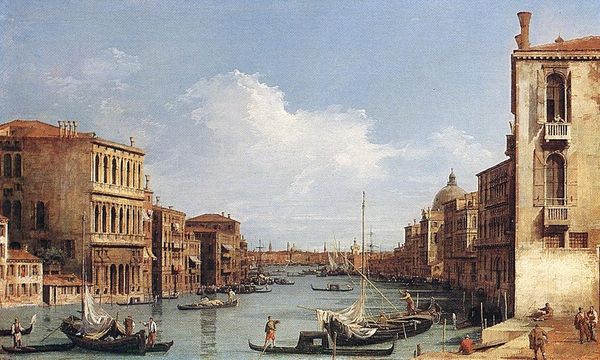
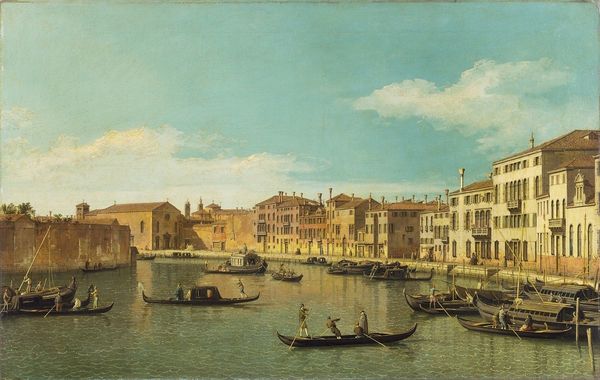
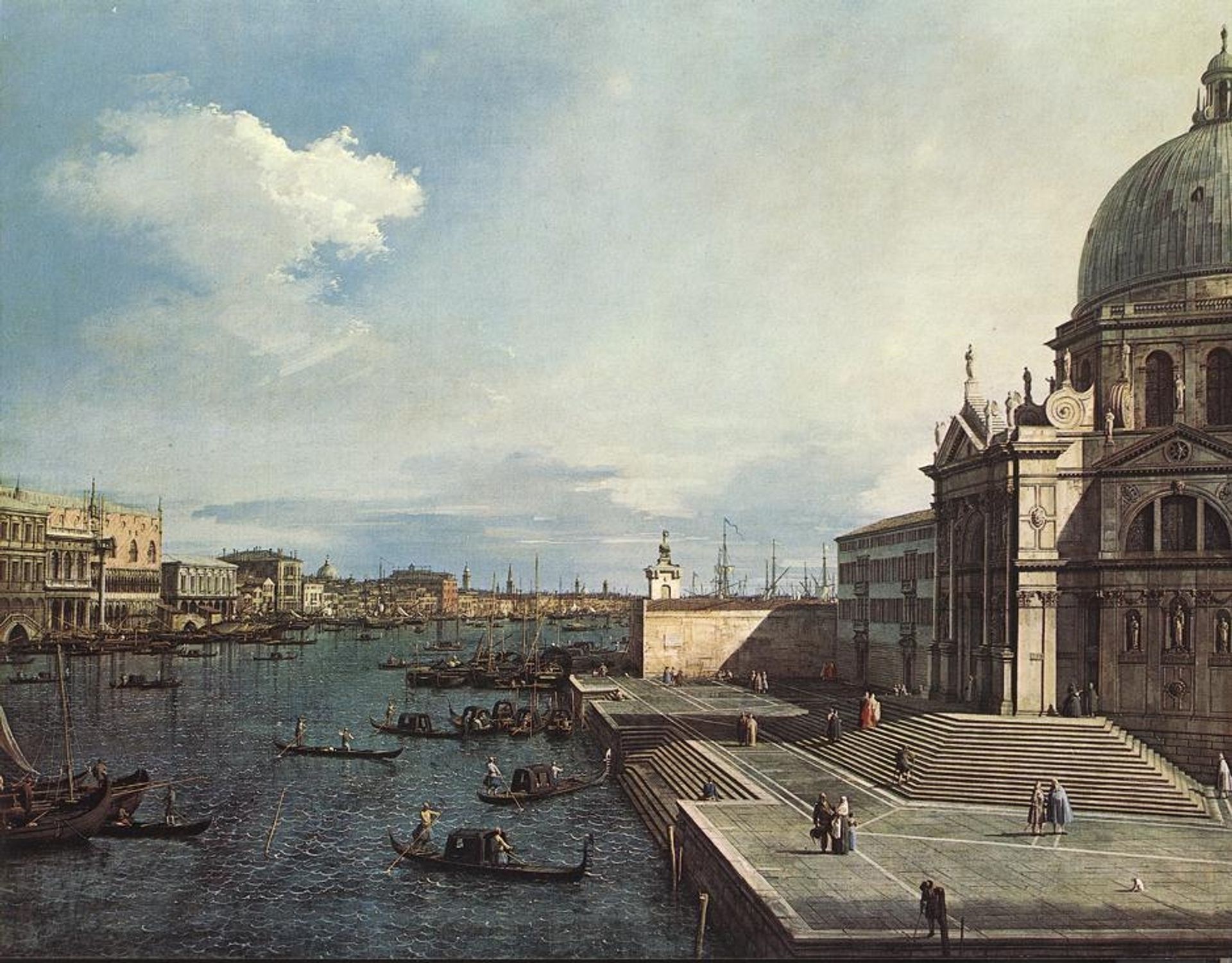
Canaletto painted 'The Grand Canal at the Salute Church' in the 18th century, a period when Venice was a major center for art and tourism. Canaletto specialized in 'vedute', highly detailed, large-scale cityscapes, largely commissioned by wealthy British tourists as souvenirs of their Grand Tour. This particular view captures the bustling activity of the Grand Canal, framed by the imposing Baroque architecture of the Salute Church. Venice, during this time, was a city of contrasts, known for its beauty and artistic innovation but also for its rigid social hierarchy. Canaletto's paintings, while seemingly objective, reflect the interests and values of his clientele. They celebrate the city's grandeur while often overlooking the social realities of its less privileged inhabitants. To fully appreciate Canaletto's work, one might delve into Venetian history, examining archival records of artistic patronage and tourism. Understanding the social and economic context in which the artwork was made helps us to see it not just as a beautiful image, but also as a cultural document.

Artwork details
- Medium
- painting, oil-paint
- Dimensions
- 151 x 121 cm
- Location
- Private Collection
- Copyright
- Public domain
Tags
Comments
Share your thoughts
About this artwork
Canaletto painted 'The Grand Canal at the Salute Church' in the 18th century, a period when Venice was a major center for art and tourism. Canaletto specialized in 'vedute', highly detailed, large-scale cityscapes, largely commissioned by wealthy British tourists as souvenirs of their Grand Tour. This particular view captures the bustling activity of the Grand Canal, framed by the imposing Baroque architecture of the Salute Church. Venice, during this time, was a city of contrasts, known for its beauty and artistic innovation but also for its rigid social hierarchy. Canaletto's paintings, while seemingly objective, reflect the interests and values of his clientele. They celebrate the city's grandeur while often overlooking the social realities of its less privileged inhabitants. To fully appreciate Canaletto's work, one might delve into Venetian history, examining archival records of artistic patronage and tourism. Understanding the social and economic context in which the artwork was made helps us to see it not just as a beautiful image, but also as a cultural document.
Comments
Share your thoughts