1665 - 1721
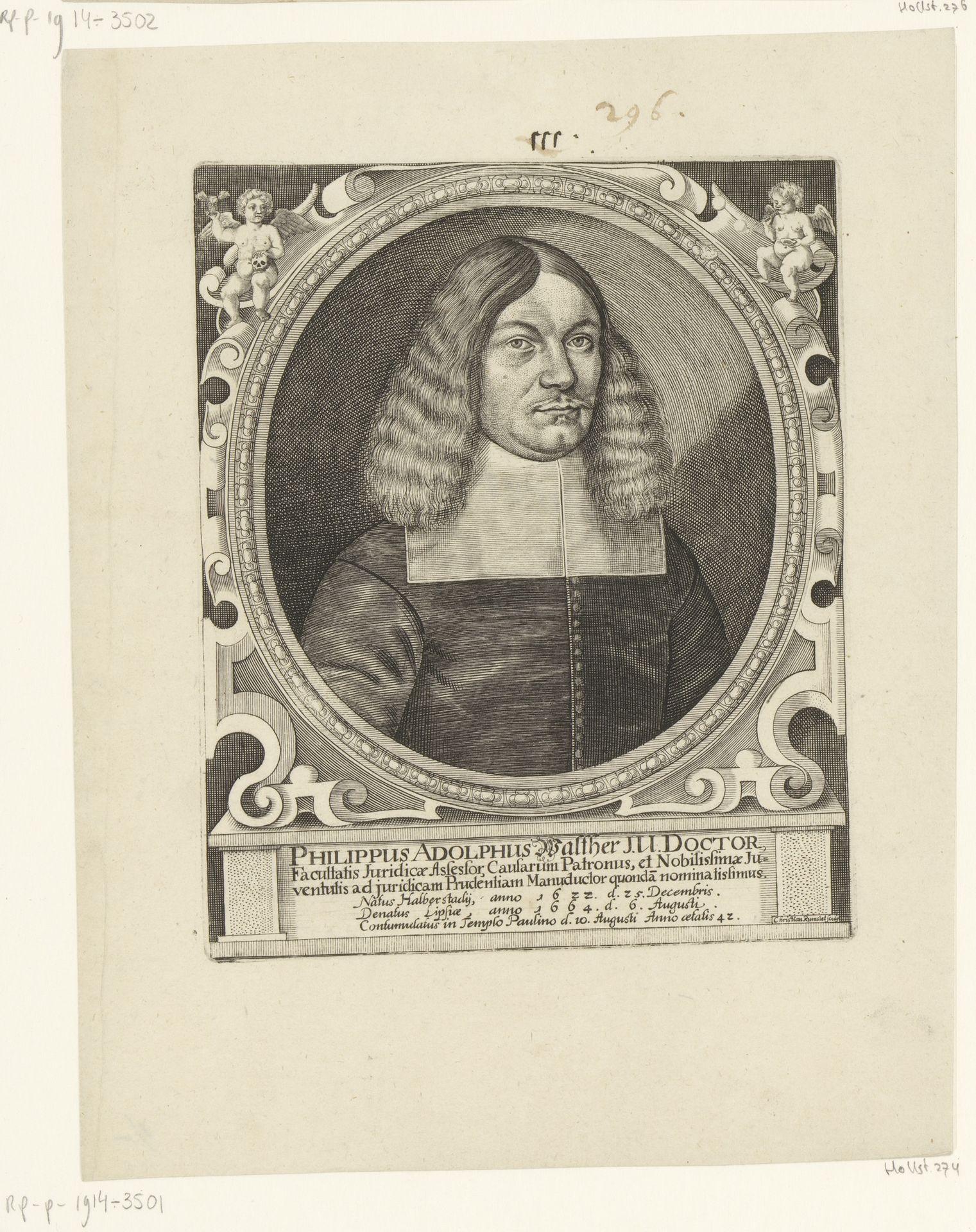
Portret van Philipp Adolph Walther

Listen to curator's interpretation
Curatorial notes
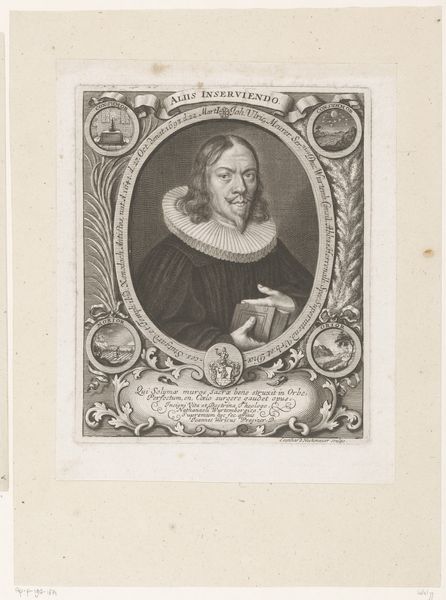
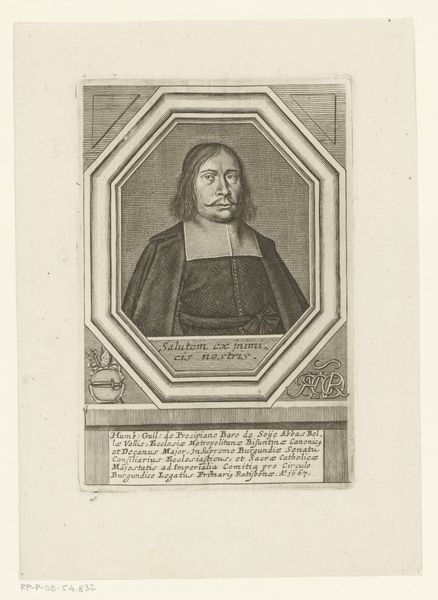
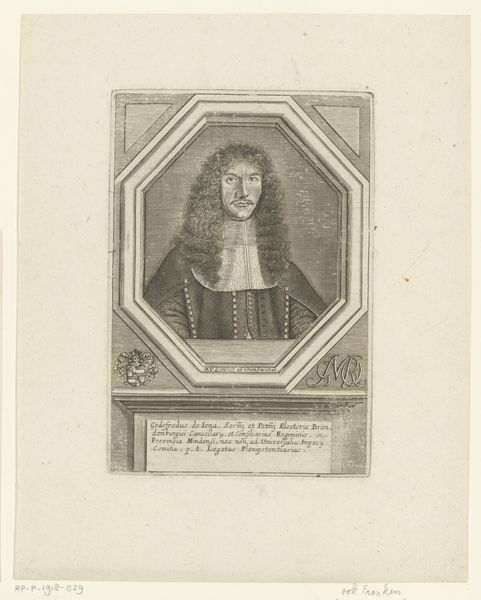
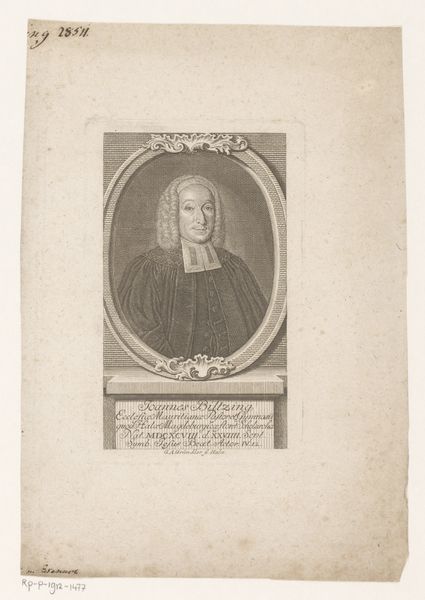
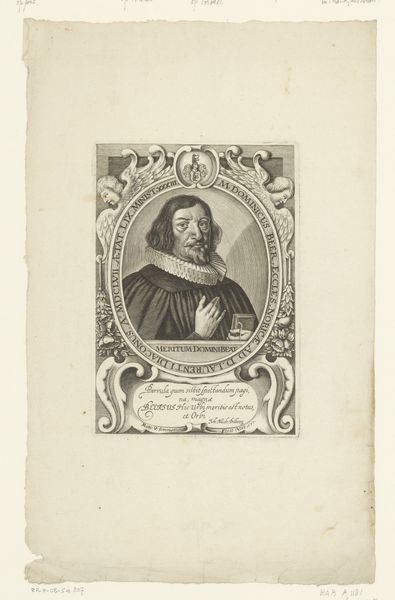
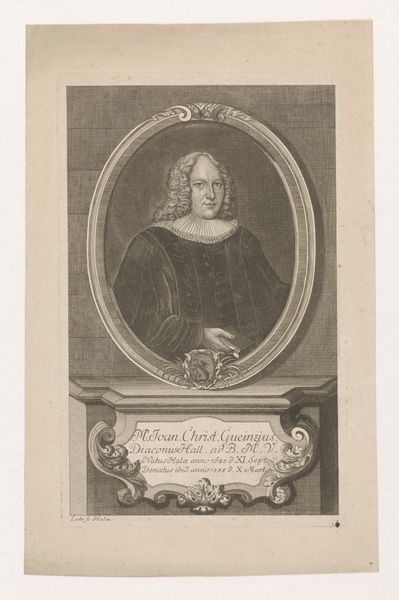
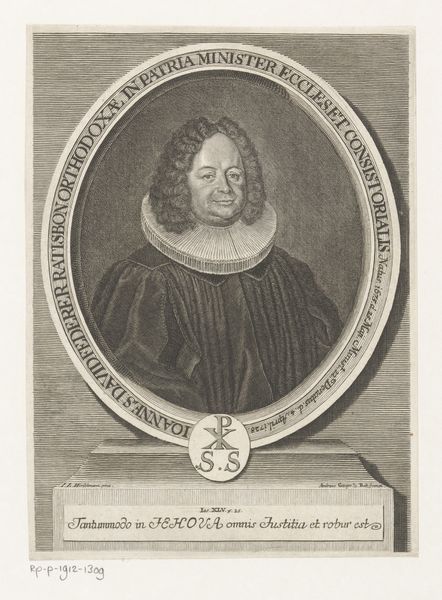
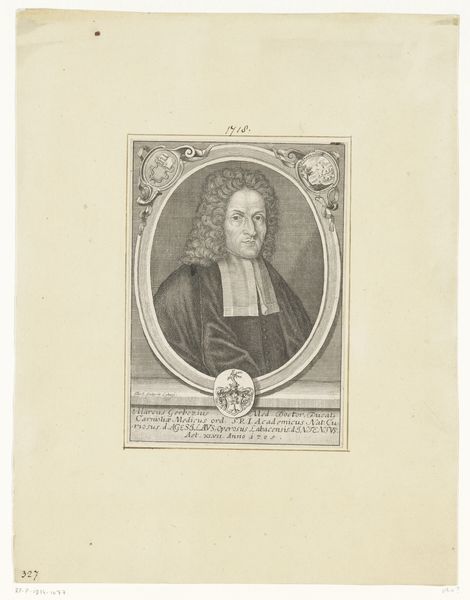
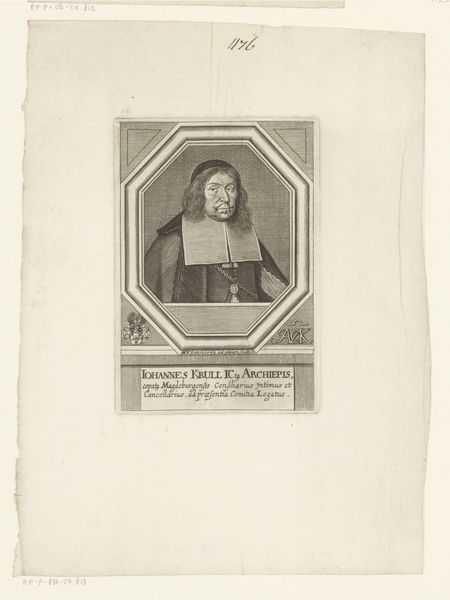
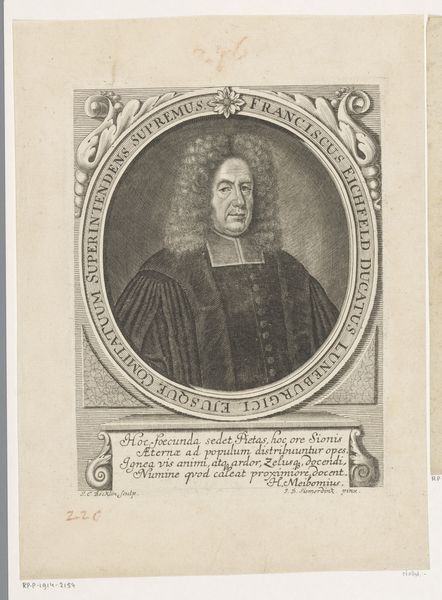
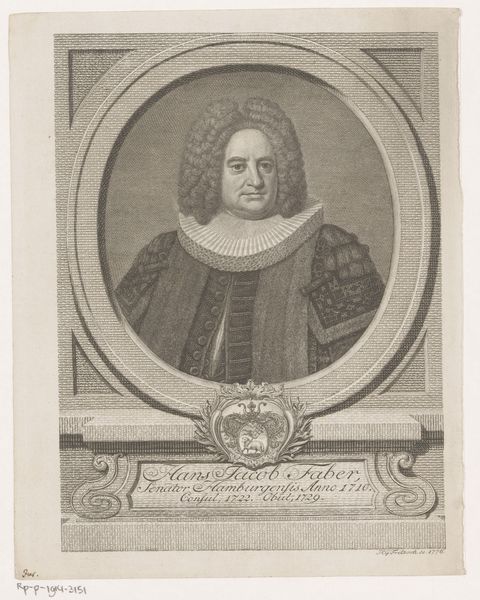
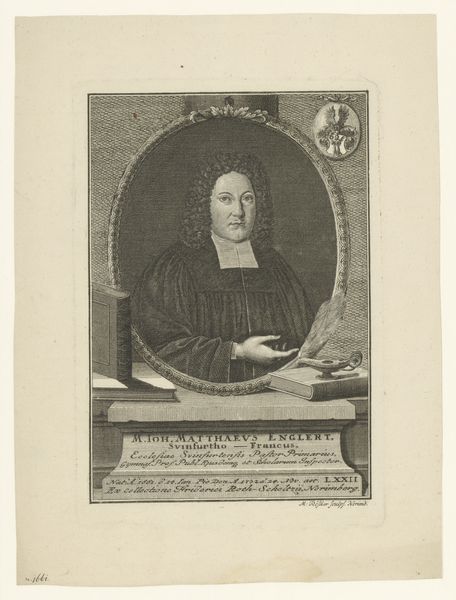
Christian Romstet created this portrait of Philipp Adolph Walther using engraving techniques, a process that was prevalent during the 17th and 18th centuries. During this time, portraits weren't just about capturing a likeness; they were carefully constructed displays of status and identity. Walther's attire, his stern gaze, and even the elaborate frame around the portrait, all speak to his position as a doctor and nobleman. Think about how portraits like this one played a role in reinforcing social hierarchies, communicating power, and immortalizing members of the elite. The tradition of portraiture was usually reserved for the upper classes. The very act of commissioning a portrait was, in itself, a statement of privilege. This piece prompts us to consider how art history has often been a narrative shaped by those in positions of authority and wealth, and invites us to explore whose stories may be missing from these historical accounts.