About this artwork
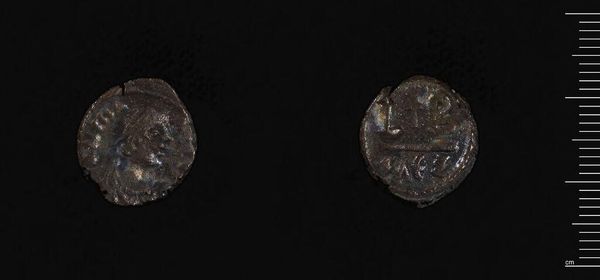
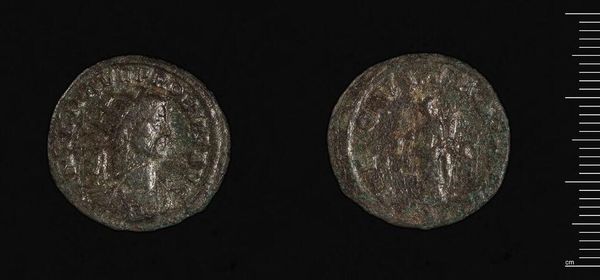
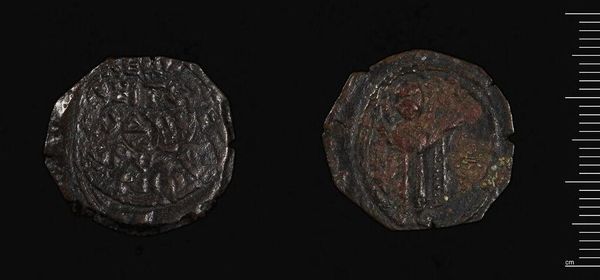
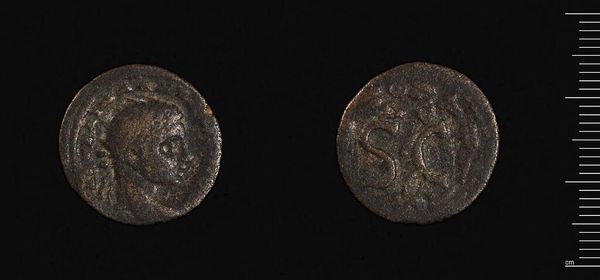
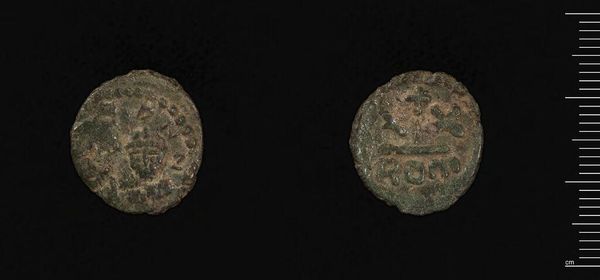
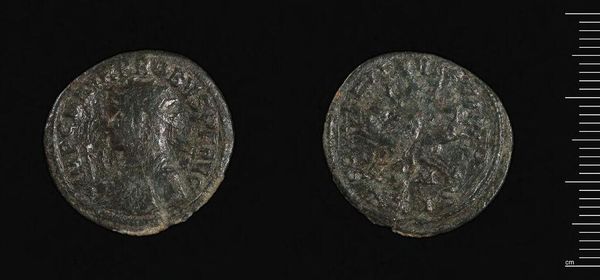
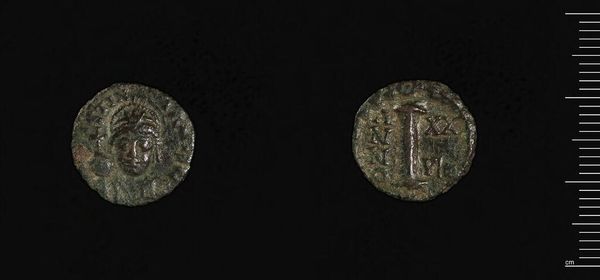
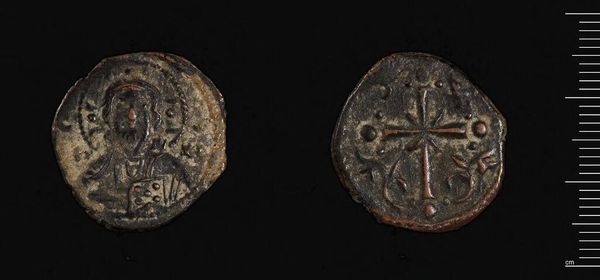
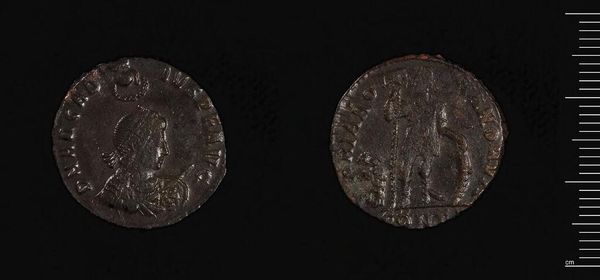
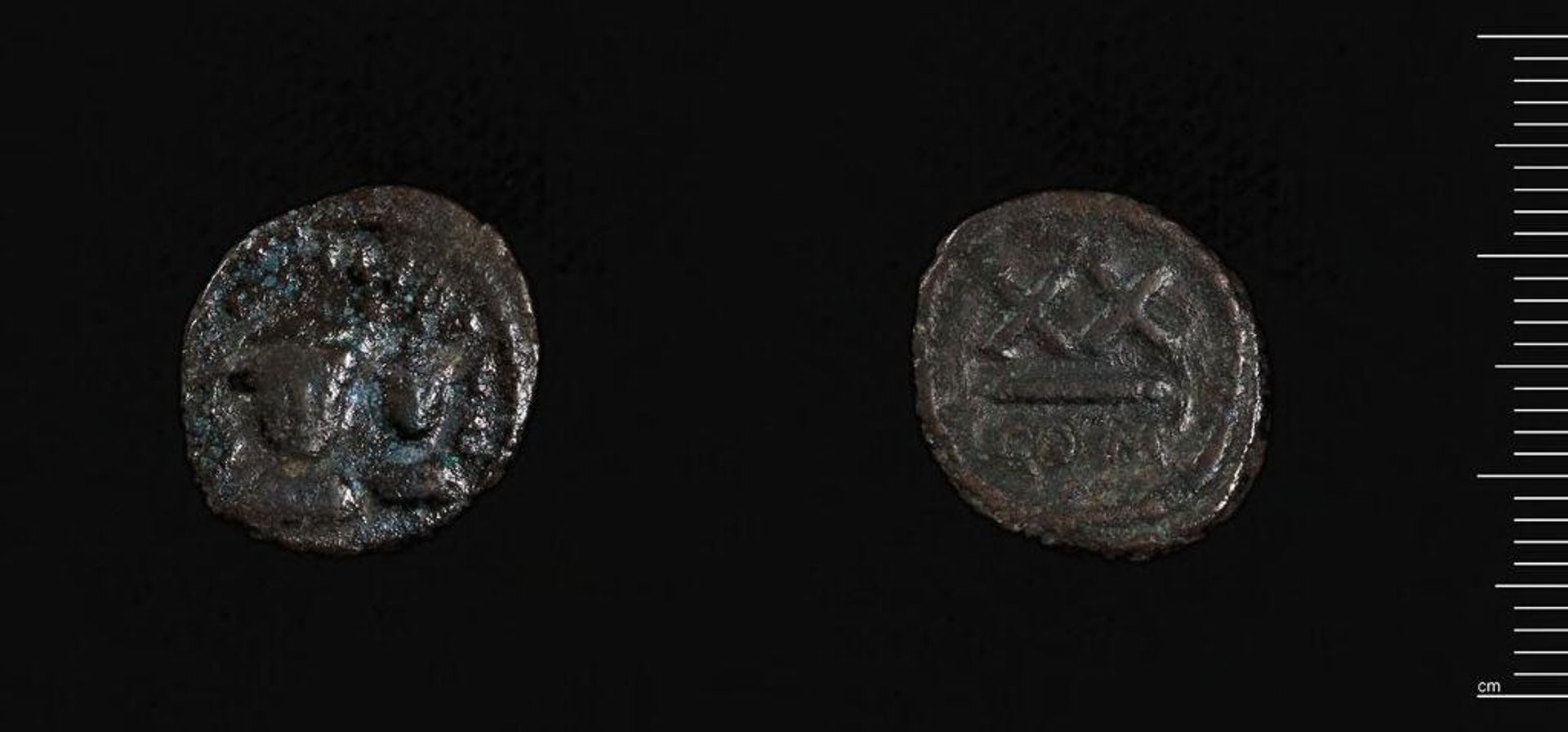
Editor: This is a Half Follis of Herakleios, Rome. It’s undated and was created by Abd-al-Malik of the Umayyads. I notice the worn texture and the low relief of the imagery. What do you see when you look at the composition of this coin? Curator: The bilateral symmetry is intriguing, isn't it? One side presents figural elements, while the other is dominated by abstract geometric forms and text. The relief, though worn, offers a glimpse into the artist's modeling technique. Consider how the circular shape dictates the arrangement of these contrasting forms. Editor: So you focus on the relationship between the imagery and the shape, how they balance each other? Curator: Precisely. The coin's formal elements—shape, texture, and the interplay of figuration and abstraction—create a dialogue that transcends its utilitarian purpose. This dialogue embodies the coin's essence. Editor: I see. Looking at the coin in terms of shapes and textures really opens up how to appreciate it. Curator: Indeed. The formal aspects provide a lens through which we engage with the object on a deeper level.
Half Follis of Herakleios, Rome
629 - 641

Artwork details
- Dimensions
- 4.01 g
- Location
- Harvard Art Museums
- Copyright
- CC0 1.0
Comments
Be the first to share your thoughts about this work.
About this artwork
Editor: This is a Half Follis of Herakleios, Rome. It’s undated and was created by Abd-al-Malik of the Umayyads. I notice the worn texture and the low relief of the imagery. What do you see when you look at the composition of this coin? Curator: The bilateral symmetry is intriguing, isn't it? One side presents figural elements, while the other is dominated by abstract geometric forms and text. The relief, though worn, offers a glimpse into the artist's modeling technique. Consider how the circular shape dictates the arrangement of these contrasting forms. Editor: So you focus on the relationship between the imagery and the shape, how they balance each other? Curator: Precisely. The coin's formal elements—shape, texture, and the interplay of figuration and abstraction—create a dialogue that transcends its utilitarian purpose. This dialogue embodies the coin's essence. Editor: I see. Looking at the coin in terms of shapes and textures really opens up how to appreciate it. Curator: Indeed. The formal aspects provide a lens through which we engage with the object on a deeper level.
Comments
Be the first to share your thoughts about this work.