About this artwork
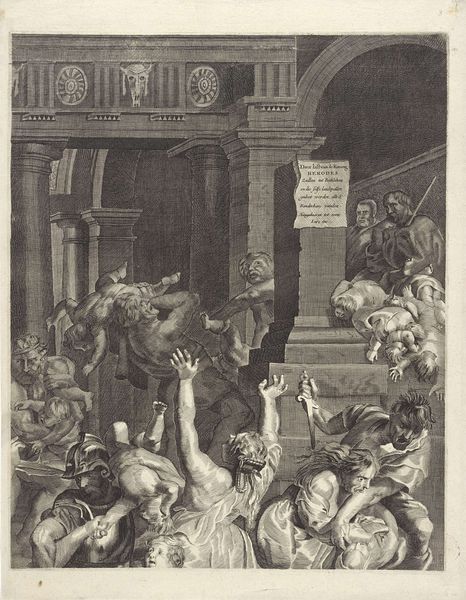
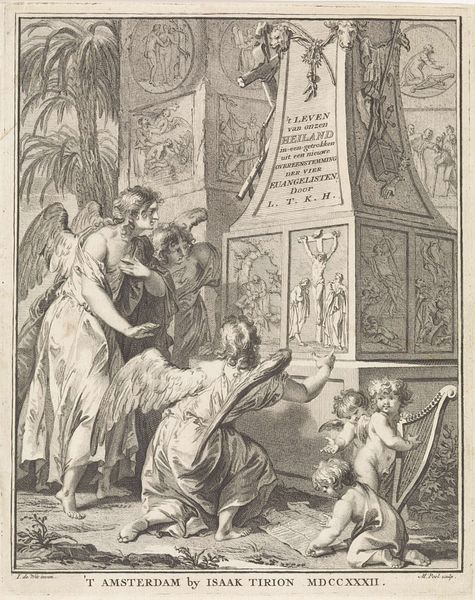
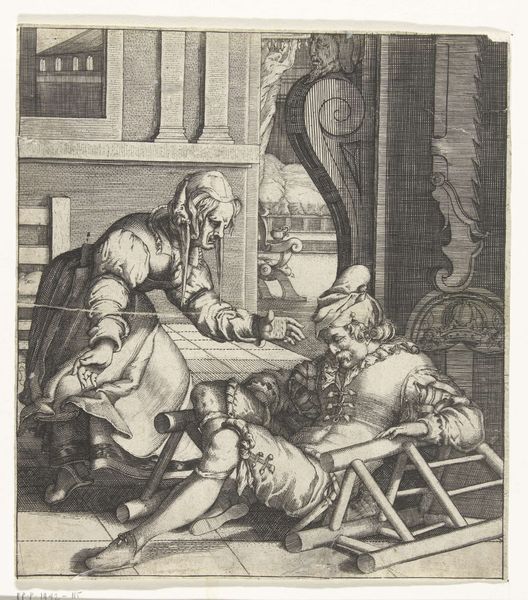
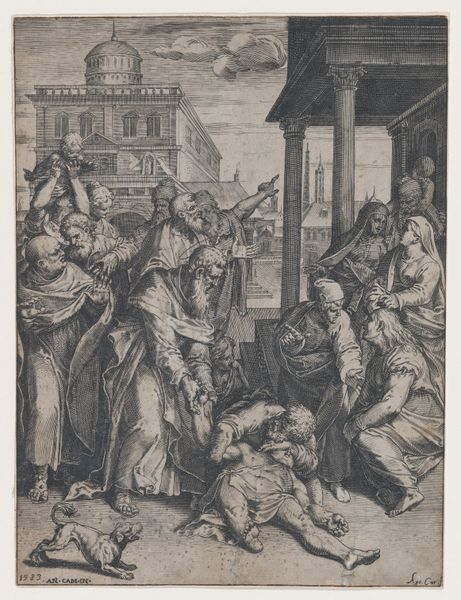
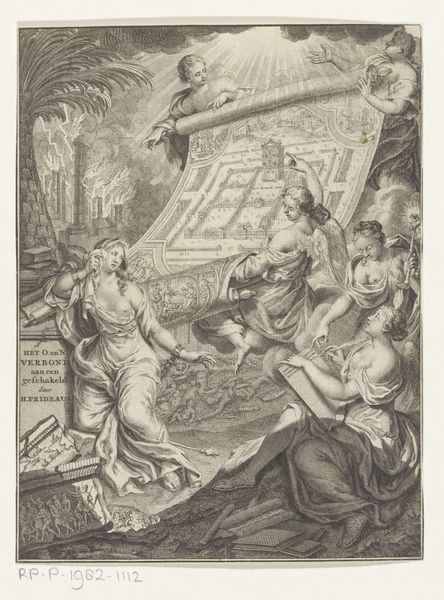
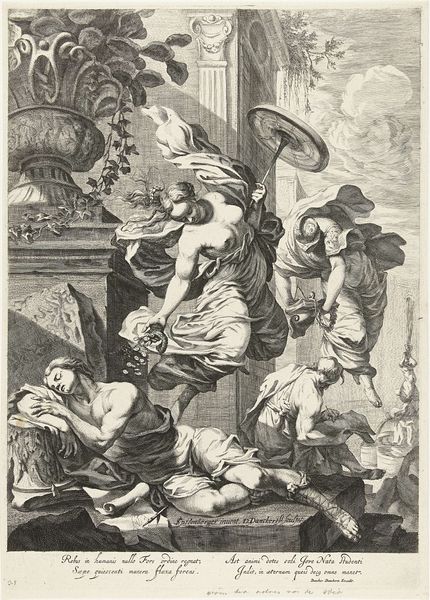
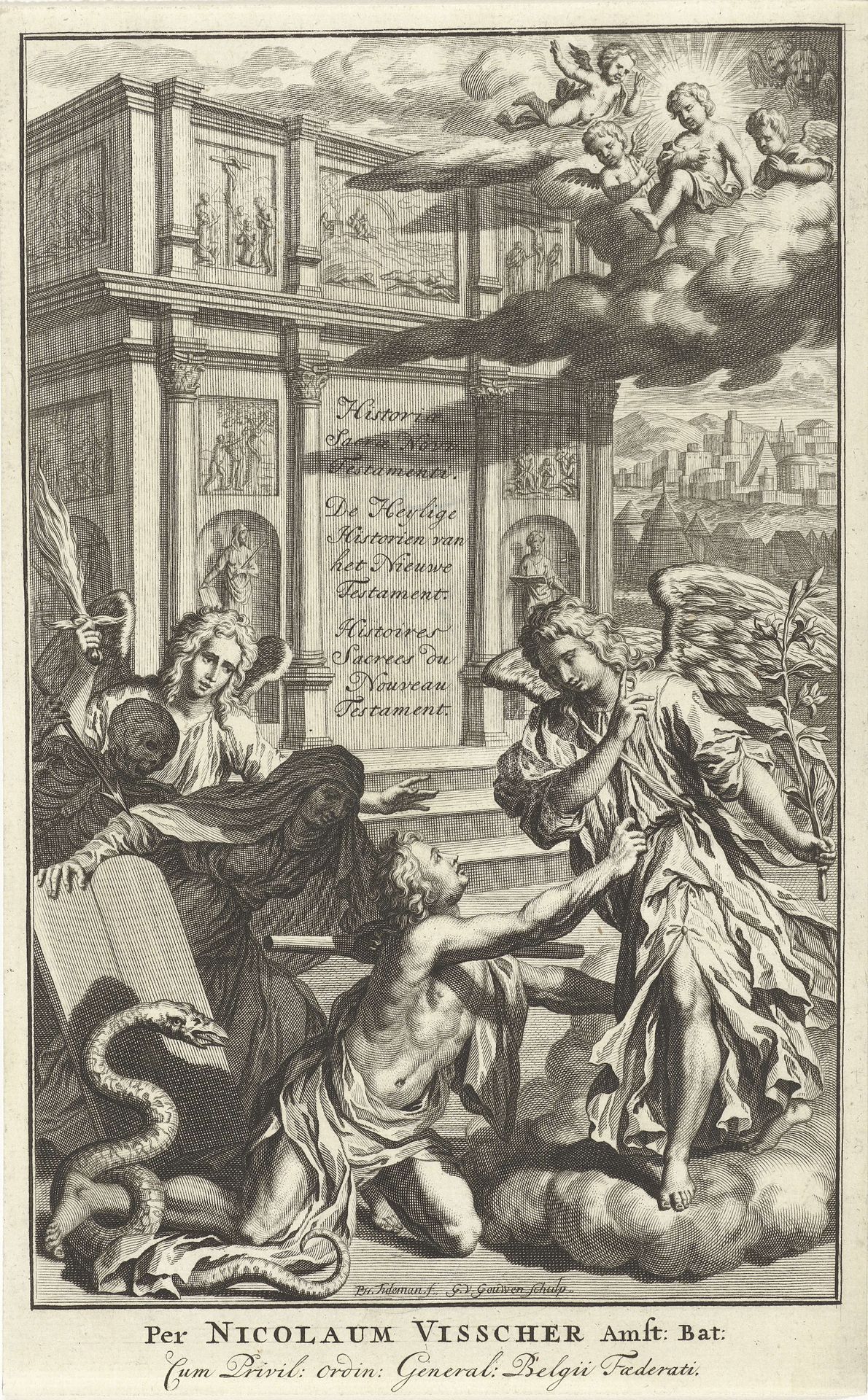
This print, "De mensheid smeekt om vergeving van zijn zonden," was made by Gilliam van der Gouwen around 1740. It presents the viewer with a symbolic scene of humanity begging for forgiveness of sins within a highly structured visual framework. The image creates meaning through its deployment of Christian visual codes, cultural references, and historical associations. Made in the Netherlands, the print reflects the religious and social concerns prevalent in the Dutch Republic during that era. The plea for forgiveness suggests the importance of divine intervention and the acknowledgement of human fallibility, possibly commenting on the social and moral structures of its time. Understanding this print requires an appreciation of the complex interplay between religious belief, social norms, and artistic representation. To gain a deeper understanding, we might consult theological texts, social histories of the Dutch Republic, and art historical studies of religious imagery during this period. By analyzing the social and institutional context, we can appreciate its deeper significance.
De mensheid smeekt om vergeving van zijn zonden
1681 - 1702

Gilliam van der Gouwen
1740Location
RijksmuseumArtwork details
- Medium
- print, engraving
- Dimensions
- height 257 mm, width 160 mm
- Location
- Rijksmuseum
- Copyright
- Rijks Museum: Open Domain
Tags
baroque
old engraving style
figuration
history-painting
engraving
Comments
Be the first to share your thoughts about this work.
About this artwork
This print, "De mensheid smeekt om vergeving van zijn zonden," was made by Gilliam van der Gouwen around 1740. It presents the viewer with a symbolic scene of humanity begging for forgiveness of sins within a highly structured visual framework. The image creates meaning through its deployment of Christian visual codes, cultural references, and historical associations. Made in the Netherlands, the print reflects the religious and social concerns prevalent in the Dutch Republic during that era. The plea for forgiveness suggests the importance of divine intervention and the acknowledgement of human fallibility, possibly commenting on the social and moral structures of its time. Understanding this print requires an appreciation of the complex interplay between religious belief, social norms, and artistic representation. To gain a deeper understanding, we might consult theological texts, social histories of the Dutch Republic, and art historical studies of religious imagery during this period. By analyzing the social and institutional context, we can appreciate its deeper significance.
Comments
Be the first to share your thoughts about this work.