About this artwork
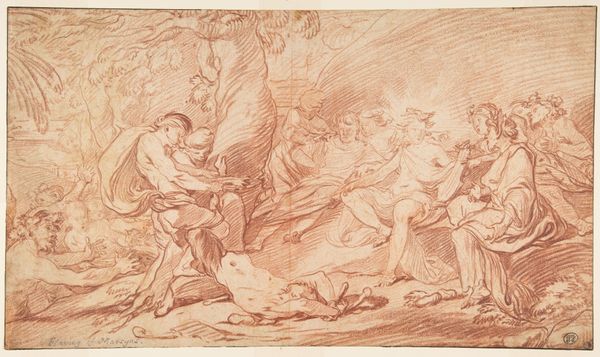
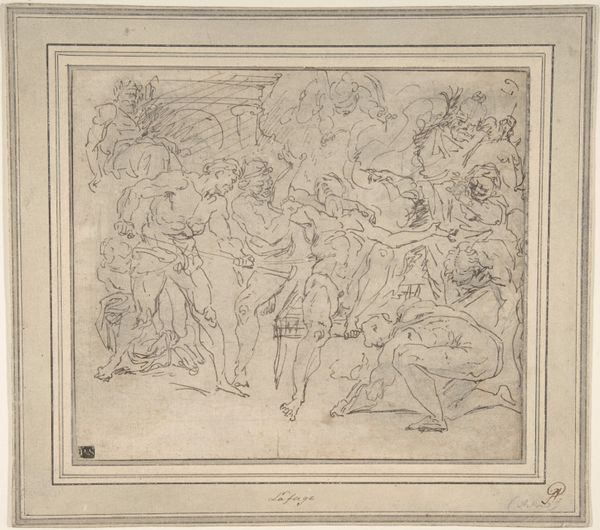
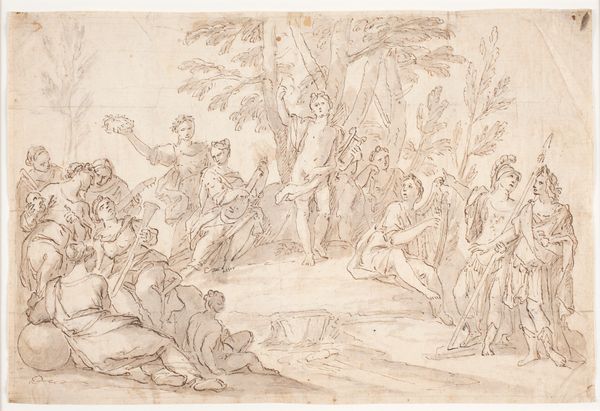
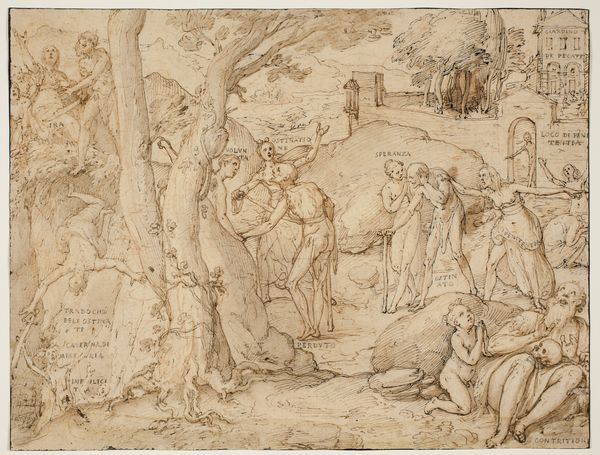
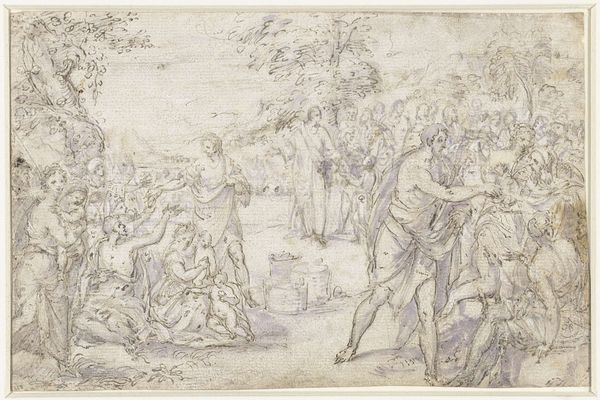
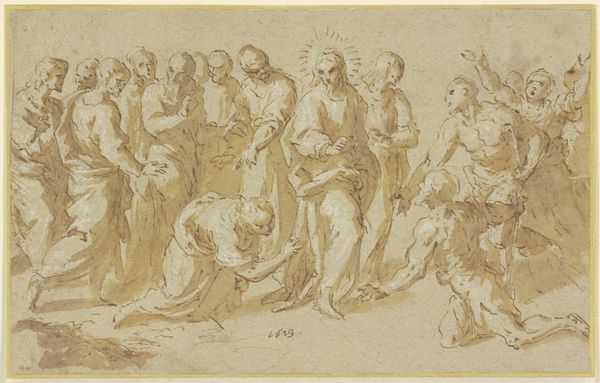
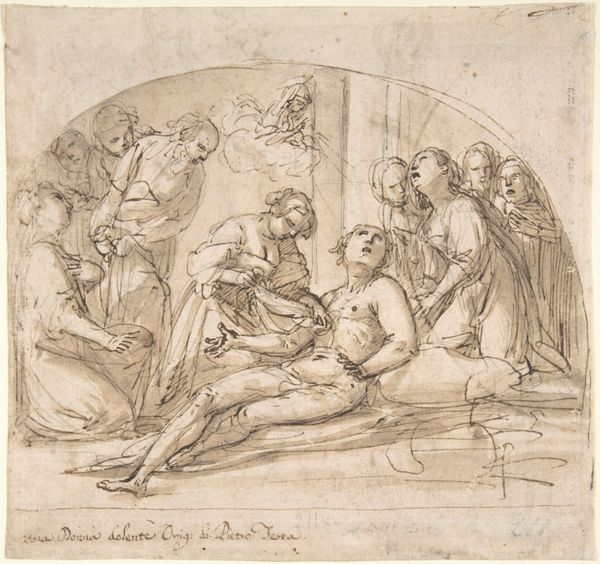
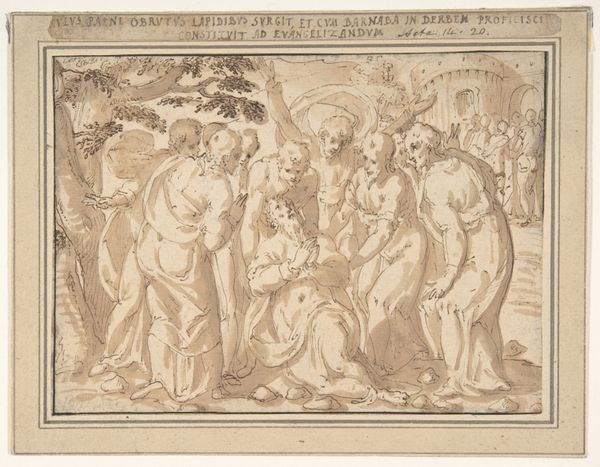
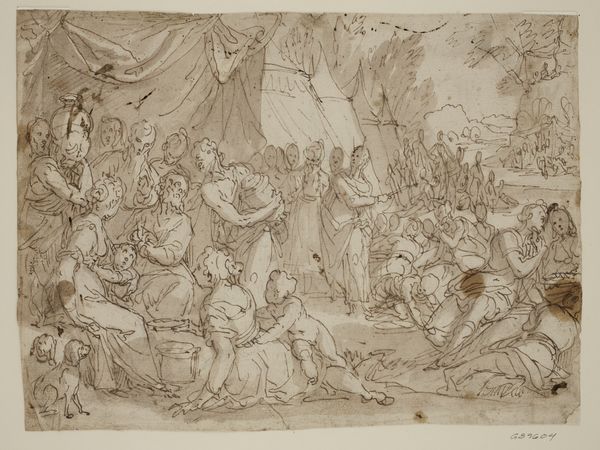
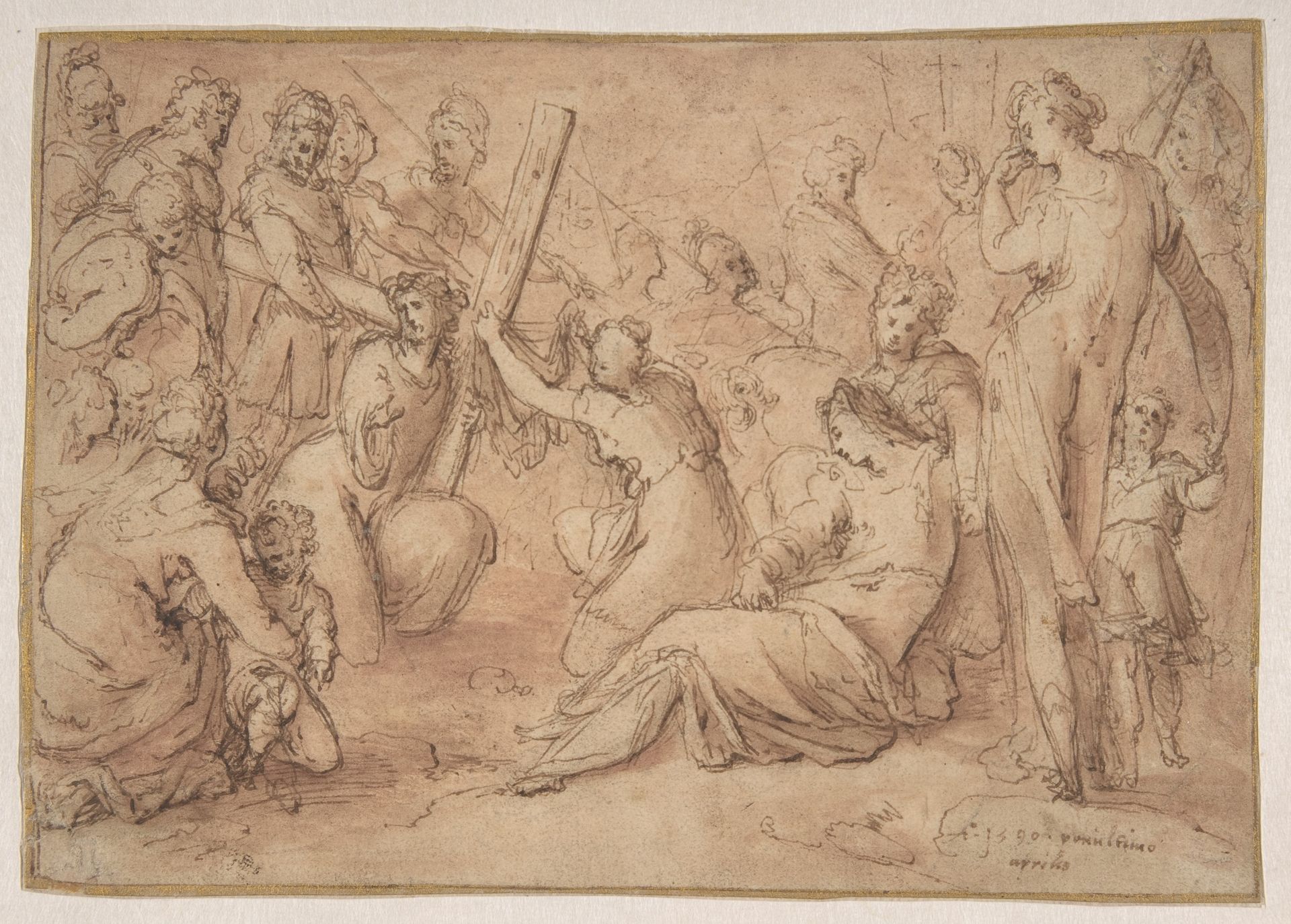
Caspar Fraisinger made this drawing, Christ Carrying the Cross, using pen and brown ink with brown wash on paper. Wash is a technique by which the artist applies diluted ink or paint with a brush, creating subtle tonal gradations and atmospheric effects. In this sheet, the figures are quickly and freely rendered, with much attention paid to the emotional drama of the scene. The artist employs a network of fine lines to define the contours of the figures and create a sense of depth, with the brown wash adding volume and shadow. Pen and wash requires a high degree of skill and control, and Fraisinger seems to have been very adept at this method. Considering Fraisinger’s choice of such fluid materials, the emotionalism of the scene is carried into the very process of its making. As we contemplate this work, it's important to recognize how materials, making, and context intertwine to create a work of art that resonates with us on multiple levels.
Christ Carrying the Cross
1590


Artwork details
- Medium
- drawing, print, ink, charcoal
- Dimensions
- sheet: 5 x 7 1/4 in. (12.7 x 18.4 cm)
- Location
- Metropolitan Museum of Art, New York, NY
- Copyright
- Public Domain
Tags
portrait
drawing
charcoal drawing
figuration
11_renaissance
ink
cross
men
charcoal
history-painting
italian-renaissance
christ
Comments
Be the first to share your thoughts about this work.
About this artwork
Caspar Fraisinger made this drawing, Christ Carrying the Cross, using pen and brown ink with brown wash on paper. Wash is a technique by which the artist applies diluted ink or paint with a brush, creating subtle tonal gradations and atmospheric effects. In this sheet, the figures are quickly and freely rendered, with much attention paid to the emotional drama of the scene. The artist employs a network of fine lines to define the contours of the figures and create a sense of depth, with the brown wash adding volume and shadow. Pen and wash requires a high degree of skill and control, and Fraisinger seems to have been very adept at this method. Considering Fraisinger’s choice of such fluid materials, the emotionalism of the scene is carried into the very process of its making. As we contemplate this work, it's important to recognize how materials, making, and context intertwine to create a work of art that resonates with us on multiple levels.
Comments
Be the first to share your thoughts about this work.