About this artwork
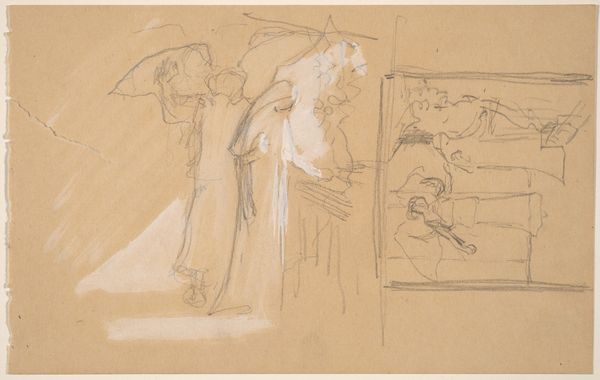
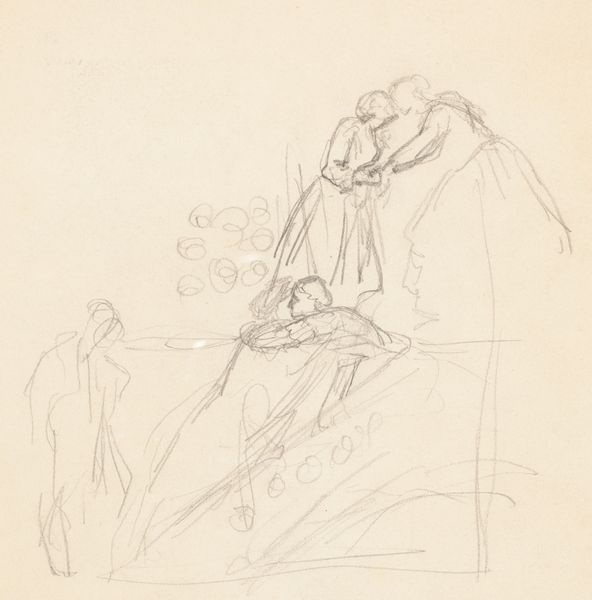
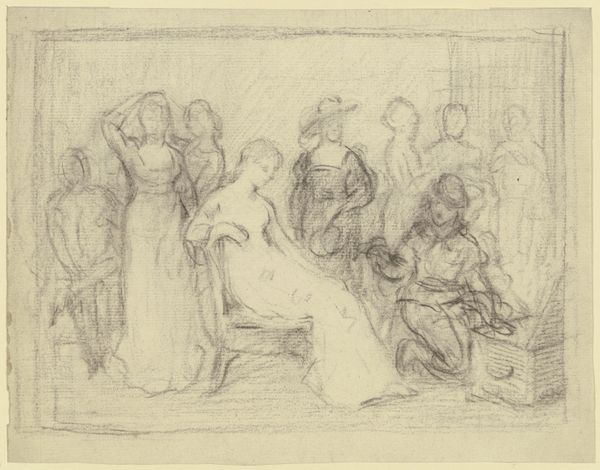
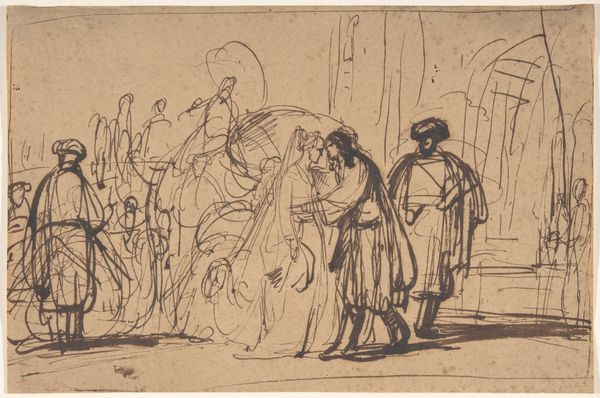
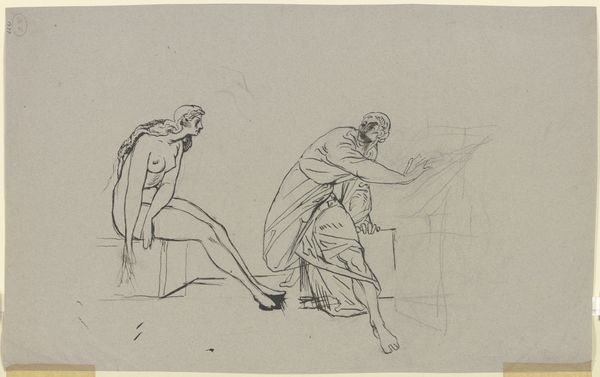
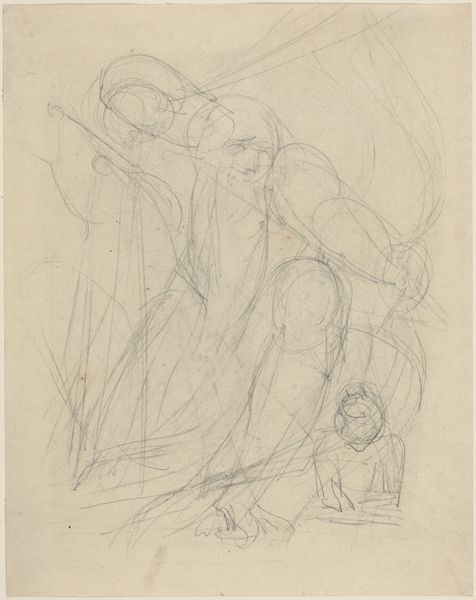
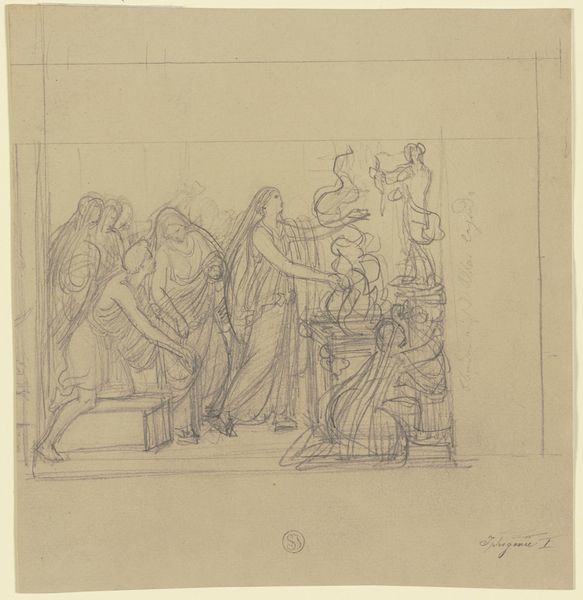
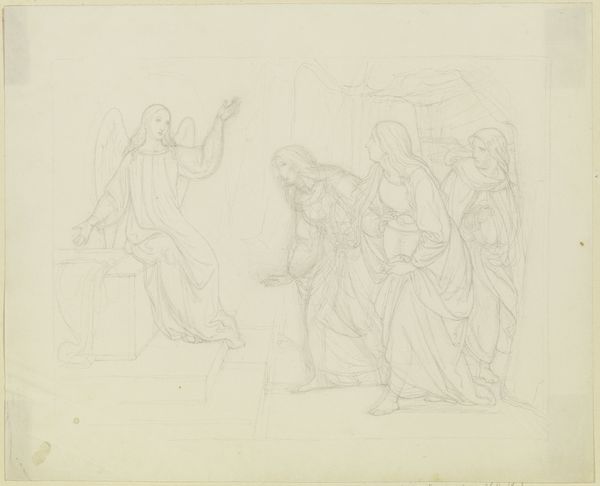
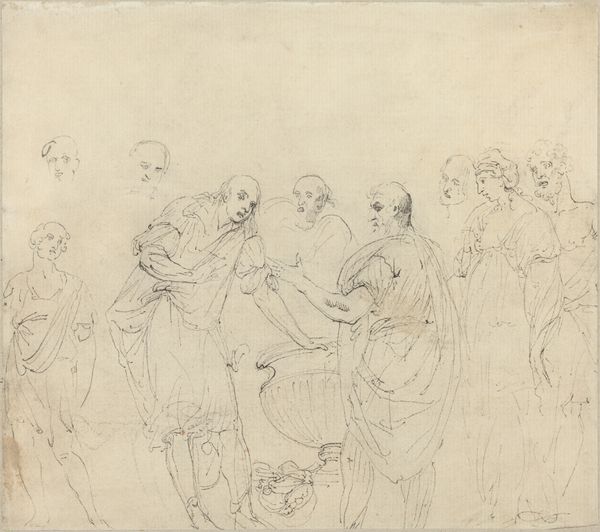
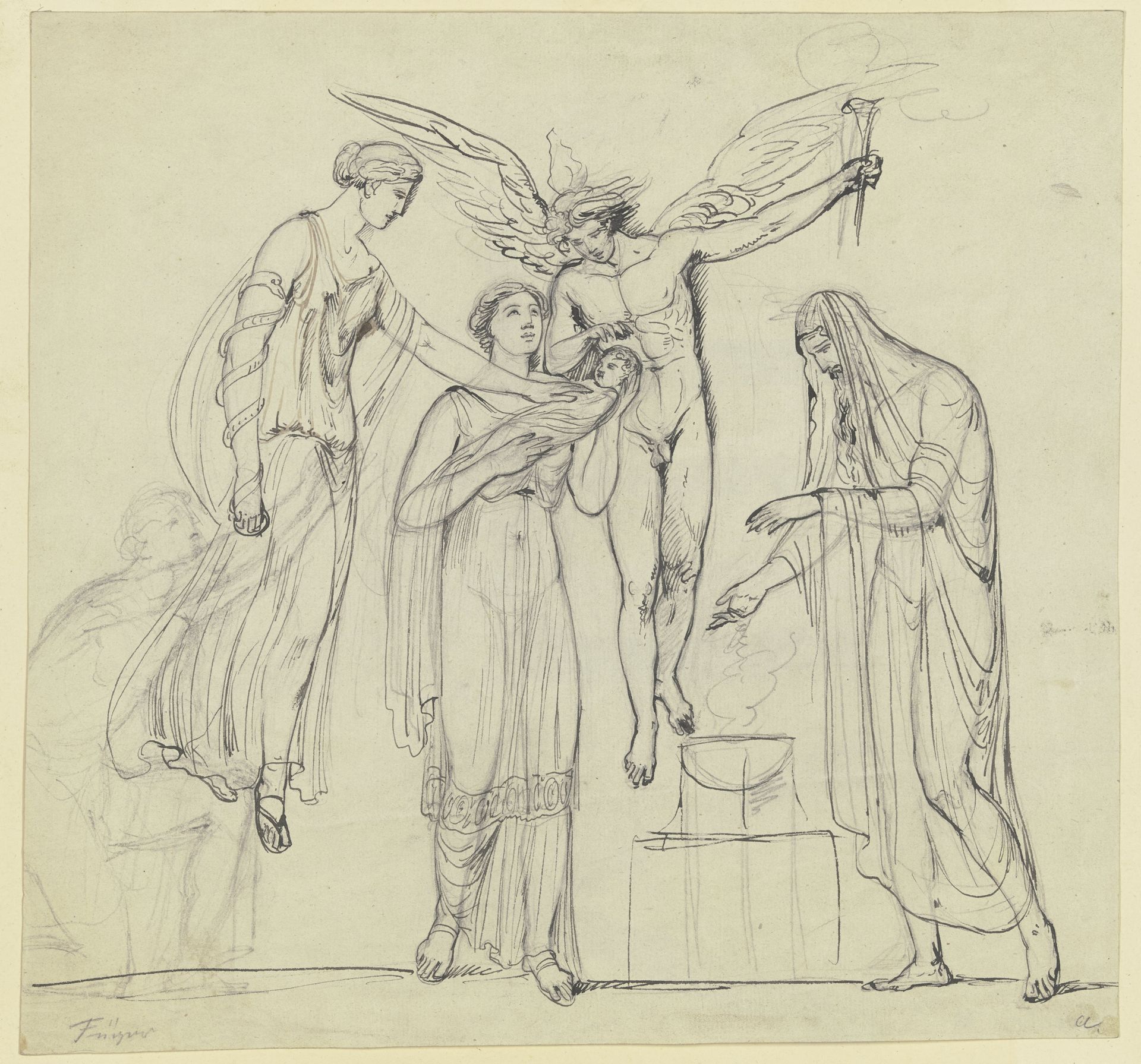
Heinrich Friedrich Füger created this sketch of a mythological scene in the late 18th or early 19th century. We see classical figures enacting some ritual involving a baby, fire, and divine intervention. In this period, institutions such as the art academy played a crucial role. They promoted certain styles and subjects, often drawing on classical antiquity for inspiration. Artists were trained to emulate these models, reinforcing a sense of cultural continuity and authority. But this Neoclassical style also carried political weight. The clear lines and idealized forms resonated with Enlightenment ideals of reason and order, reflecting the aspirations of a rising bourgeoisie eager to assert its own cultural legitimacy. To truly understand this drawing, we need to look at the social and political forces shaping Füger’s world. Researching the art academy, the patronage system, and the broader cultural context would help us understand the image as something contingent, a product of its time.


Artwork details
- Medium
- drawing, ink, pencil, chalk, graphite
- Location
- Städel Museum
- Copyright
- Public Domain
Tags
Comments
Share your thoughts
About this artwork
Heinrich Friedrich Füger created this sketch of a mythological scene in the late 18th or early 19th century. We see classical figures enacting some ritual involving a baby, fire, and divine intervention. In this period, institutions such as the art academy played a crucial role. They promoted certain styles and subjects, often drawing on classical antiquity for inspiration. Artists were trained to emulate these models, reinforcing a sense of cultural continuity and authority. But this Neoclassical style also carried political weight. The clear lines and idealized forms resonated with Enlightenment ideals of reason and order, reflecting the aspirations of a rising bourgeoisie eager to assert its own cultural legitimacy. To truly understand this drawing, we need to look at the social and political forces shaping Füger’s world. Researching the art academy, the patronage system, and the broader cultural context would help us understand the image as something contingent, a product of its time.
Comments
Share your thoughts