About this artwork
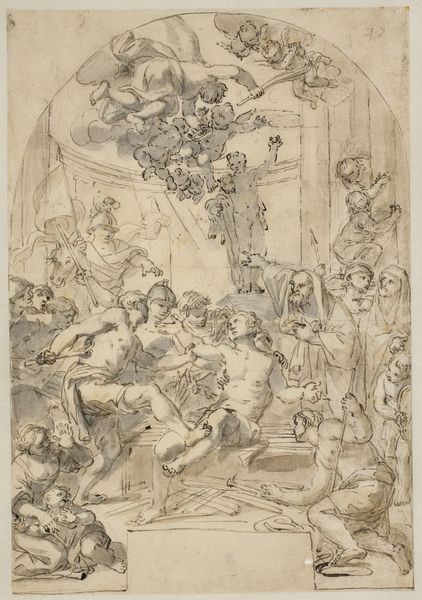
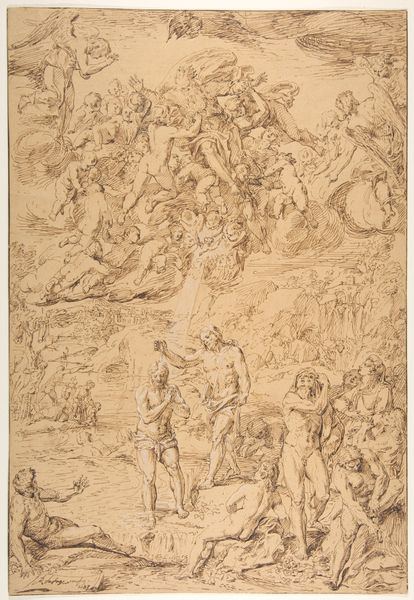
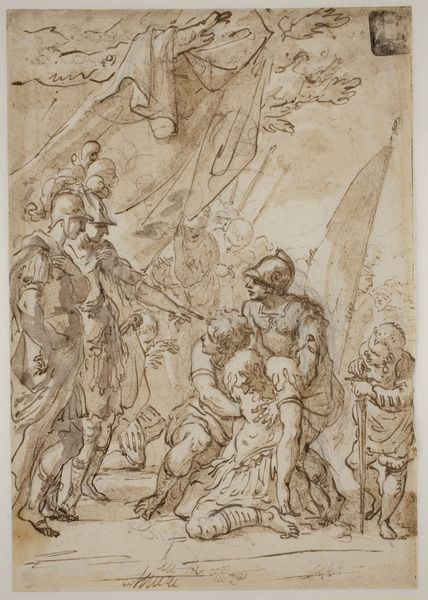
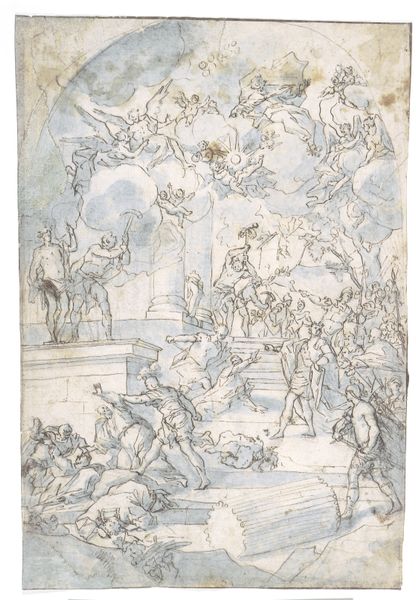
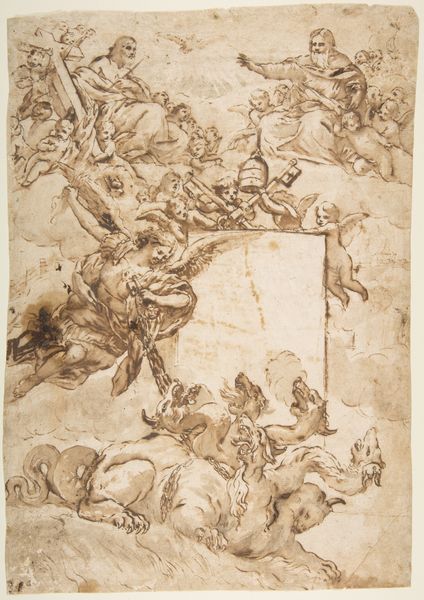
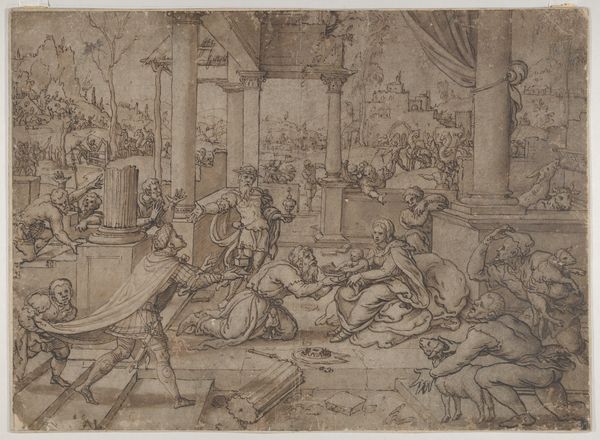
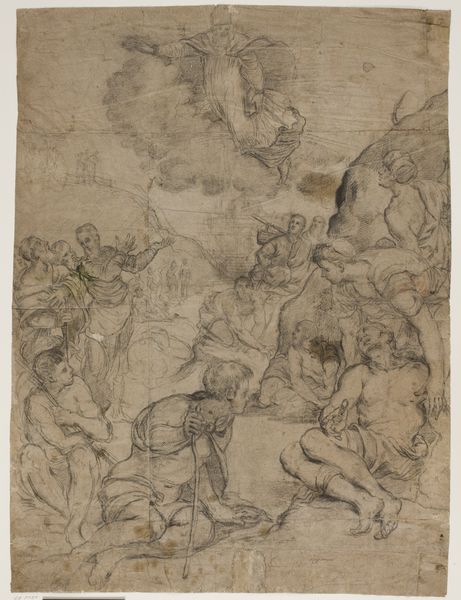
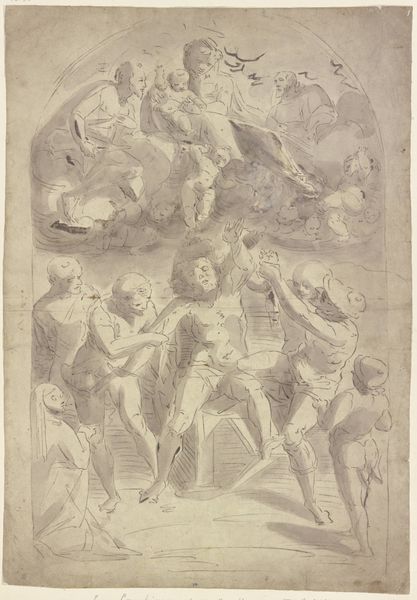
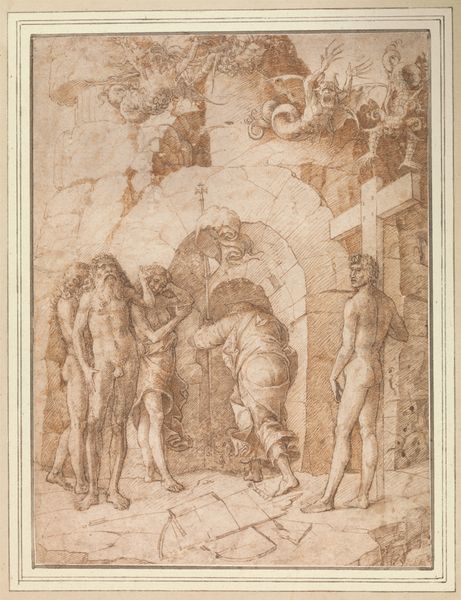
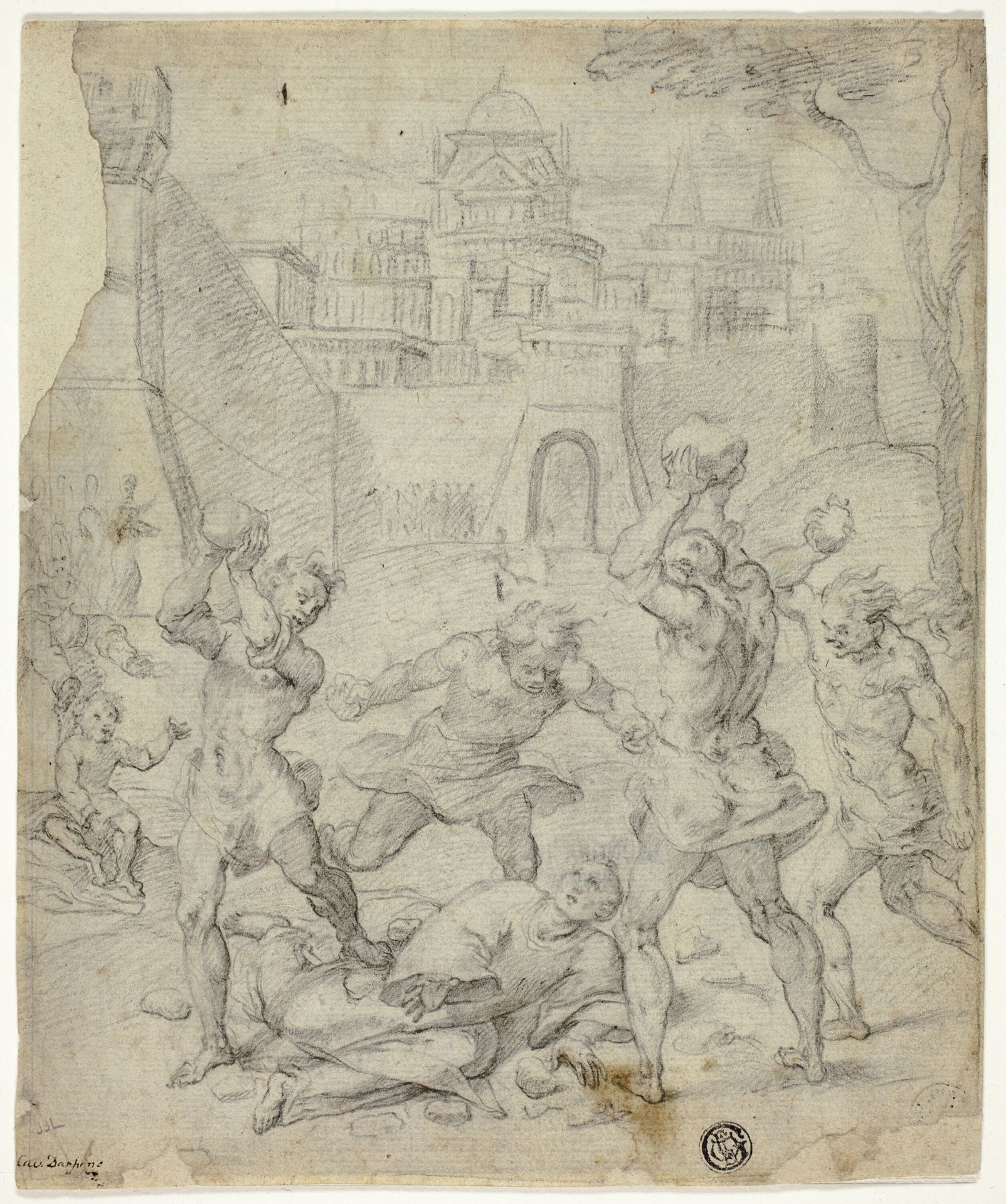
This drawing depicts the stoning of St. Stephen. It was made by an anonymous artist, and its precise date and origin are unknown. The image portrays a scene of violent religious persecution. Consider the cultural context in which such a depiction would have been created. Was it intended as a straightforward representation of religious history or as a commentary on contemporary social structures? The architecture in the background may provide clues. The building with the dome may be a place of worship. Are the figures dressed in the clothing of the time? Are they meant to evoke a particular social class or political movement? To understand this artwork better, one might investigate historical accounts of religious persecution, the artistic conventions of the period in which it was made, and the social and political context of its creation. By examining these resources, we can gain a deeper understanding of the meaning of this image and its role in the cultural landscape of its time.
Stoning of Staint Stephen
c. 1600


Artwork details
- Medium
- drawing, print, paper, chalk, black-chalk
- Dimensions
- 227 × 188 mm
- Location
- The Art Institute of Chicago
- Copyright
- Public Domain
Tags
Comments
Share your thoughts
About this artwork
This drawing depicts the stoning of St. Stephen. It was made by an anonymous artist, and its precise date and origin are unknown. The image portrays a scene of violent religious persecution. Consider the cultural context in which such a depiction would have been created. Was it intended as a straightforward representation of religious history or as a commentary on contemporary social structures? The architecture in the background may provide clues. The building with the dome may be a place of worship. Are the figures dressed in the clothing of the time? Are they meant to evoke a particular social class or political movement? To understand this artwork better, one might investigate historical accounts of religious persecution, the artistic conventions of the period in which it was made, and the social and political context of its creation. By examining these resources, we can gain a deeper understanding of the meaning of this image and its role in the cultural landscape of its time.
Comments
Share your thoughts