About this artwork
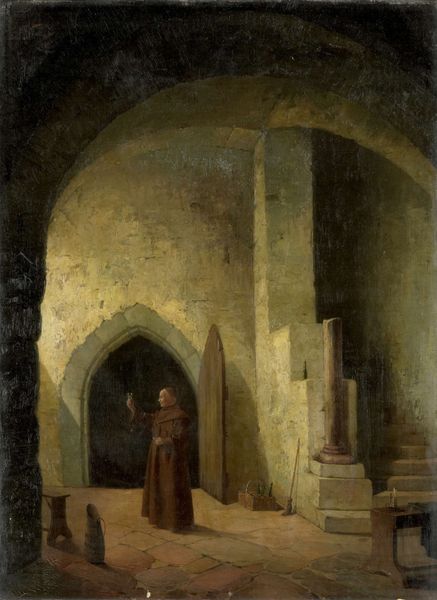
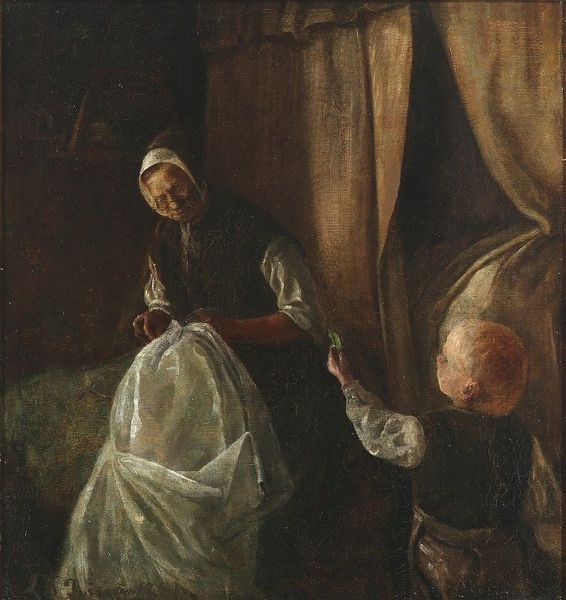
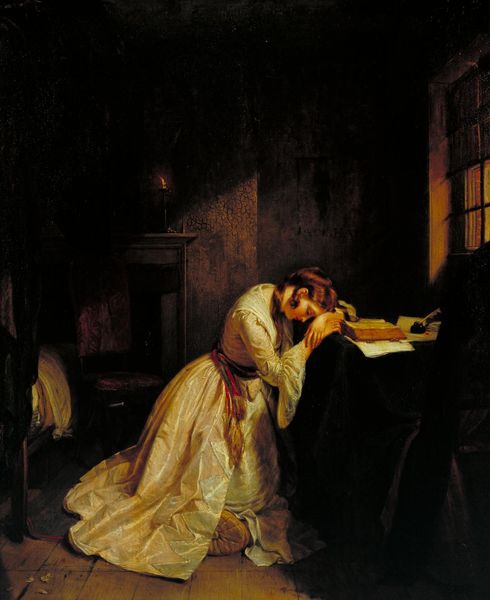
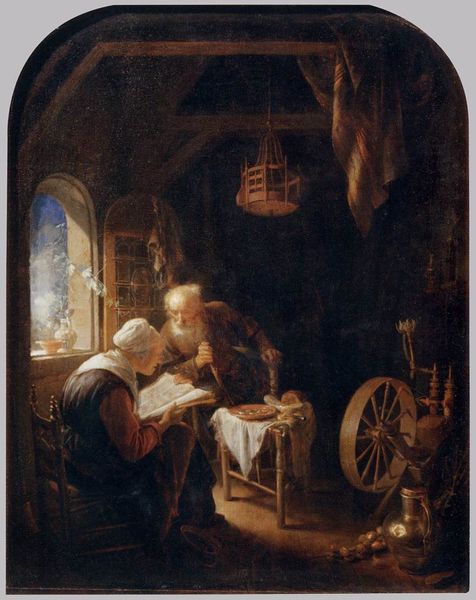
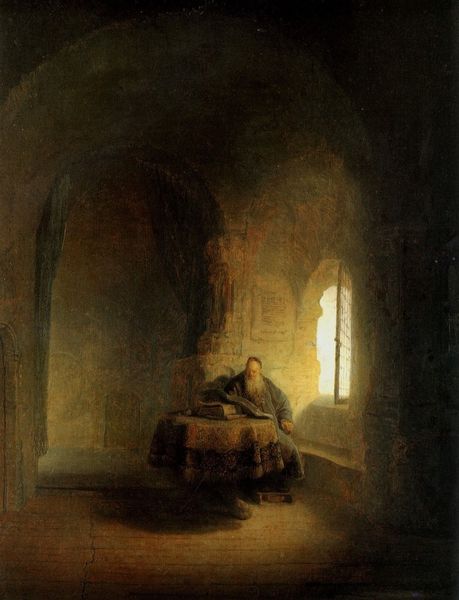
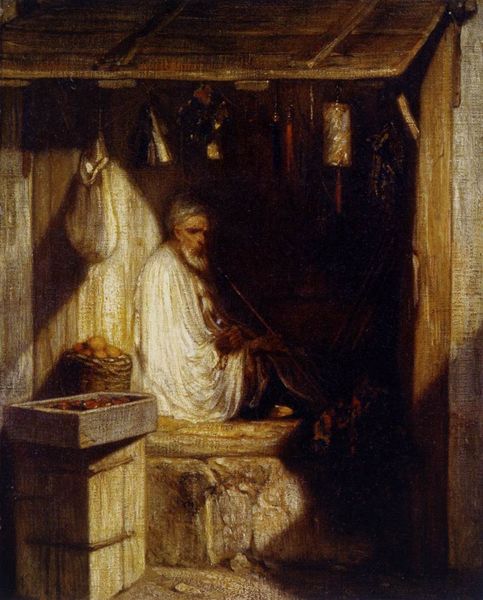
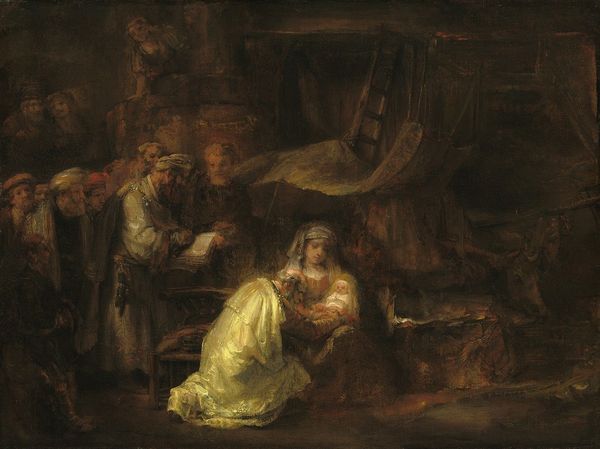
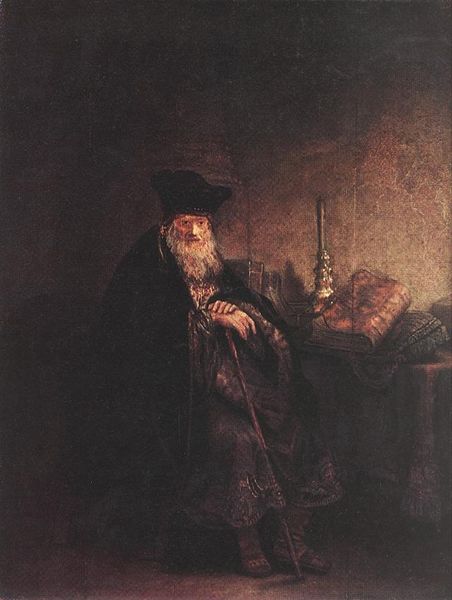
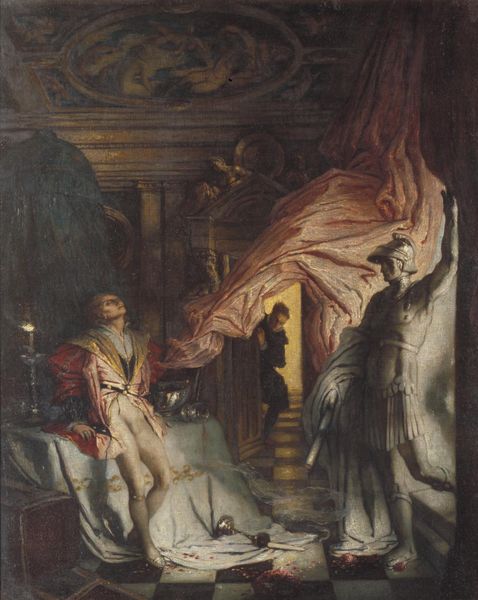
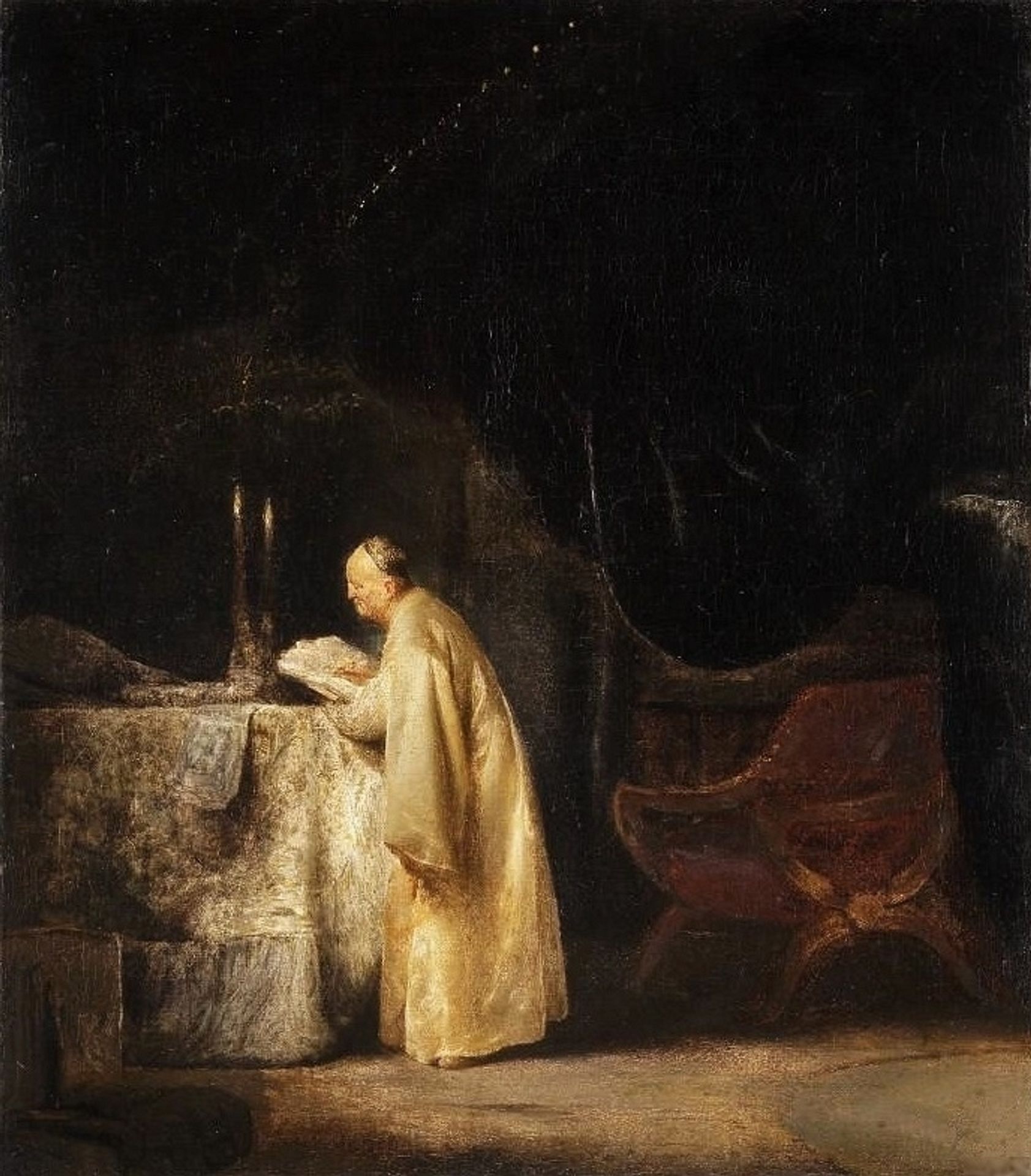
Jan Lievens’ painting "Zechariah in the Temple," now in Wawel Castle, uses light and shadow to create a deeply contemplative scene. The eye is immediately drawn to the central figure, Zechariah, illuminated in a soft, golden light against a backdrop of deep, enveloping darkness. Lievens masterfully employs chiaroscuro, a technique where strong contrasts between light and dark are used to model forms. This not only adds drama but also emphasizes the spiritual weight of the moment. The composition is structured to focus on Zechariah's interaction with the divine, underscored by the subtle yet deliberate arrangement of light and shadow that seems to penetrate through the dark. The painting thus functions as a complex interplay of visual elements and thematic content. This interplay elevates the painting beyond mere representation, inviting viewers to consider the dynamics of faith, doubt, and revelation.

Artwork details
- Medium
- oil-paint
- Location
- Wawel Castle, Kraków, Poland
- Copyright
- Public domain
Tags
narrative-art
baroque
oil-paint
oil painting
genre-painting
Comments
Be the first to share your thoughts about this work.
About this artwork
Jan Lievens’ painting "Zechariah in the Temple," now in Wawel Castle, uses light and shadow to create a deeply contemplative scene. The eye is immediately drawn to the central figure, Zechariah, illuminated in a soft, golden light against a backdrop of deep, enveloping darkness. Lievens masterfully employs chiaroscuro, a technique where strong contrasts between light and dark are used to model forms. This not only adds drama but also emphasizes the spiritual weight of the moment. The composition is structured to focus on Zechariah's interaction with the divine, underscored by the subtle yet deliberate arrangement of light and shadow that seems to penetrate through the dark. The painting thus functions as a complex interplay of visual elements and thematic content. This interplay elevates the painting beyond mere representation, inviting viewers to consider the dynamics of faith, doubt, and revelation.
Comments
Be the first to share your thoughts about this work.