About this artwork
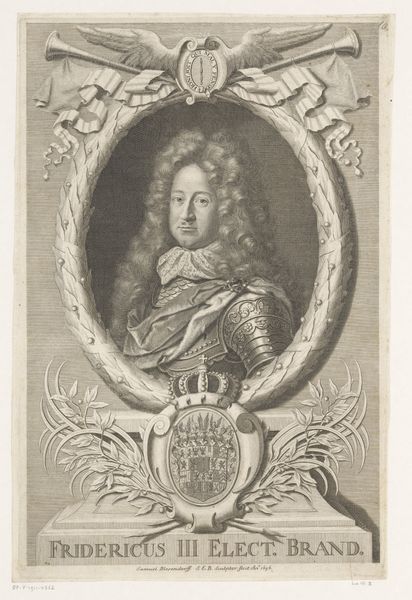
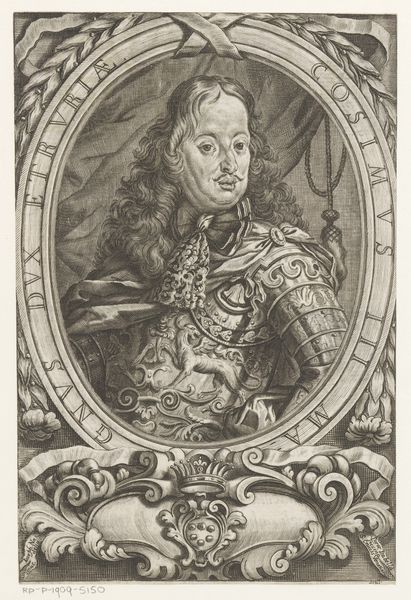
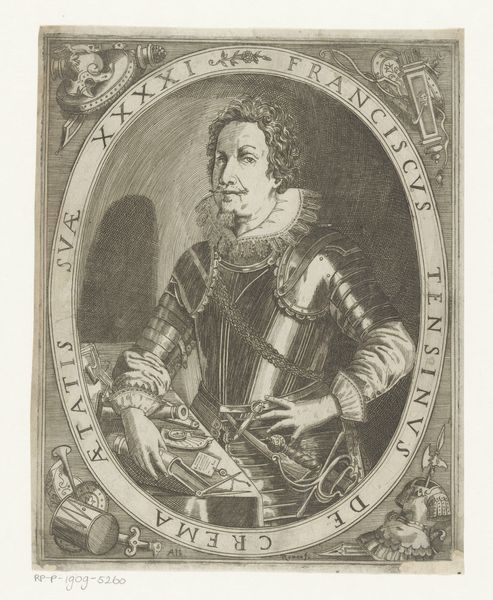
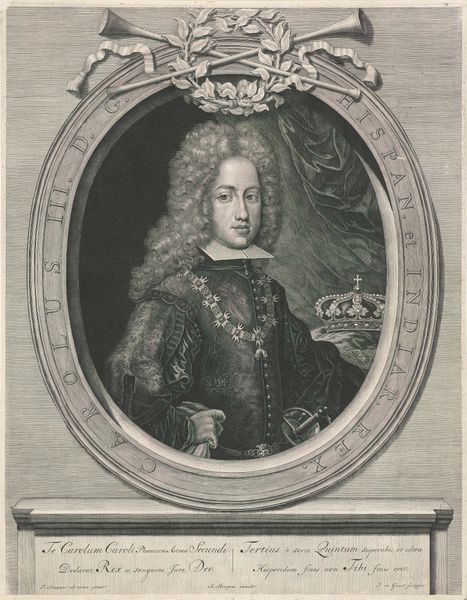
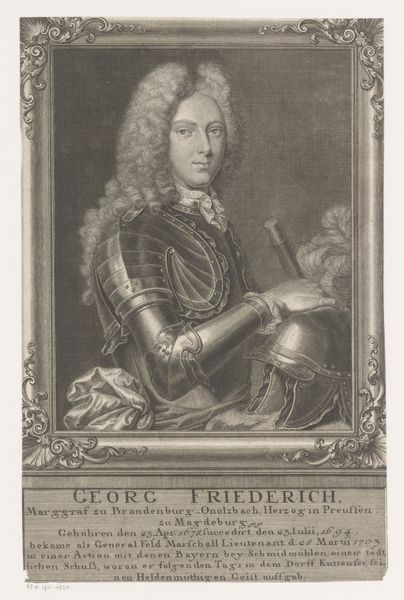
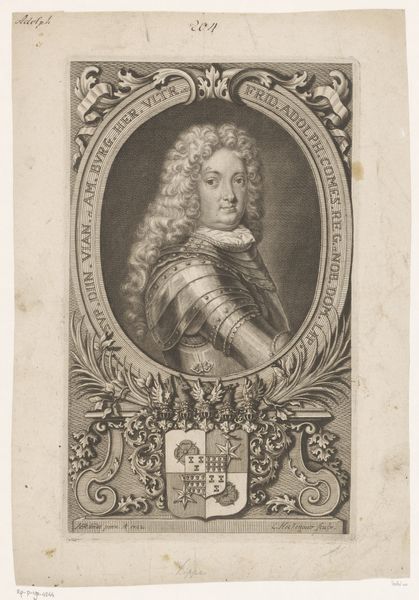
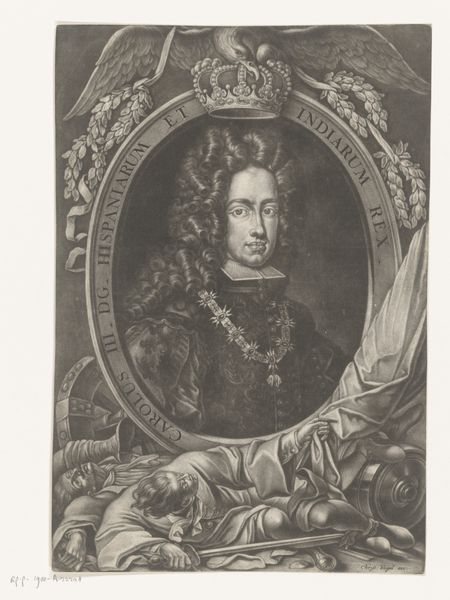
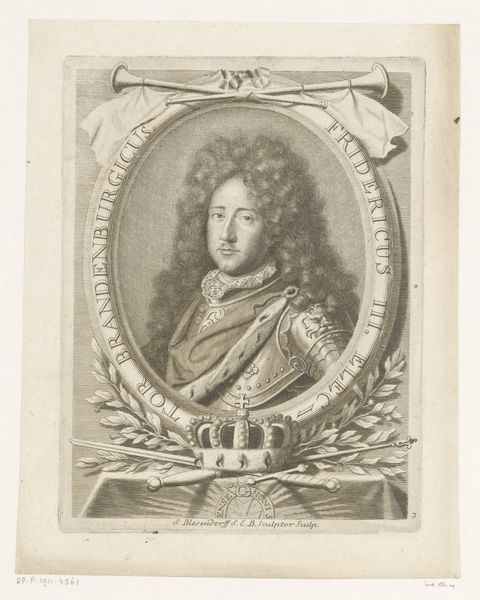
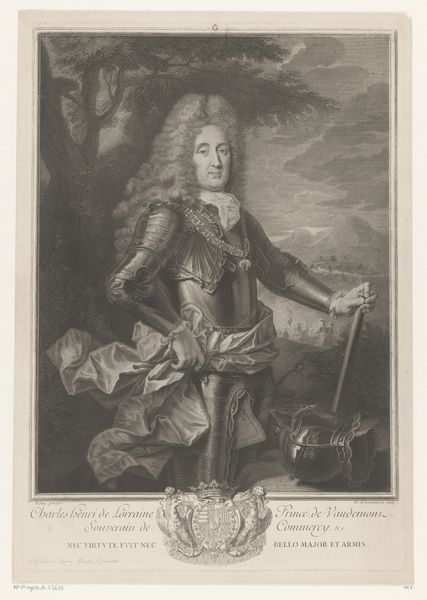
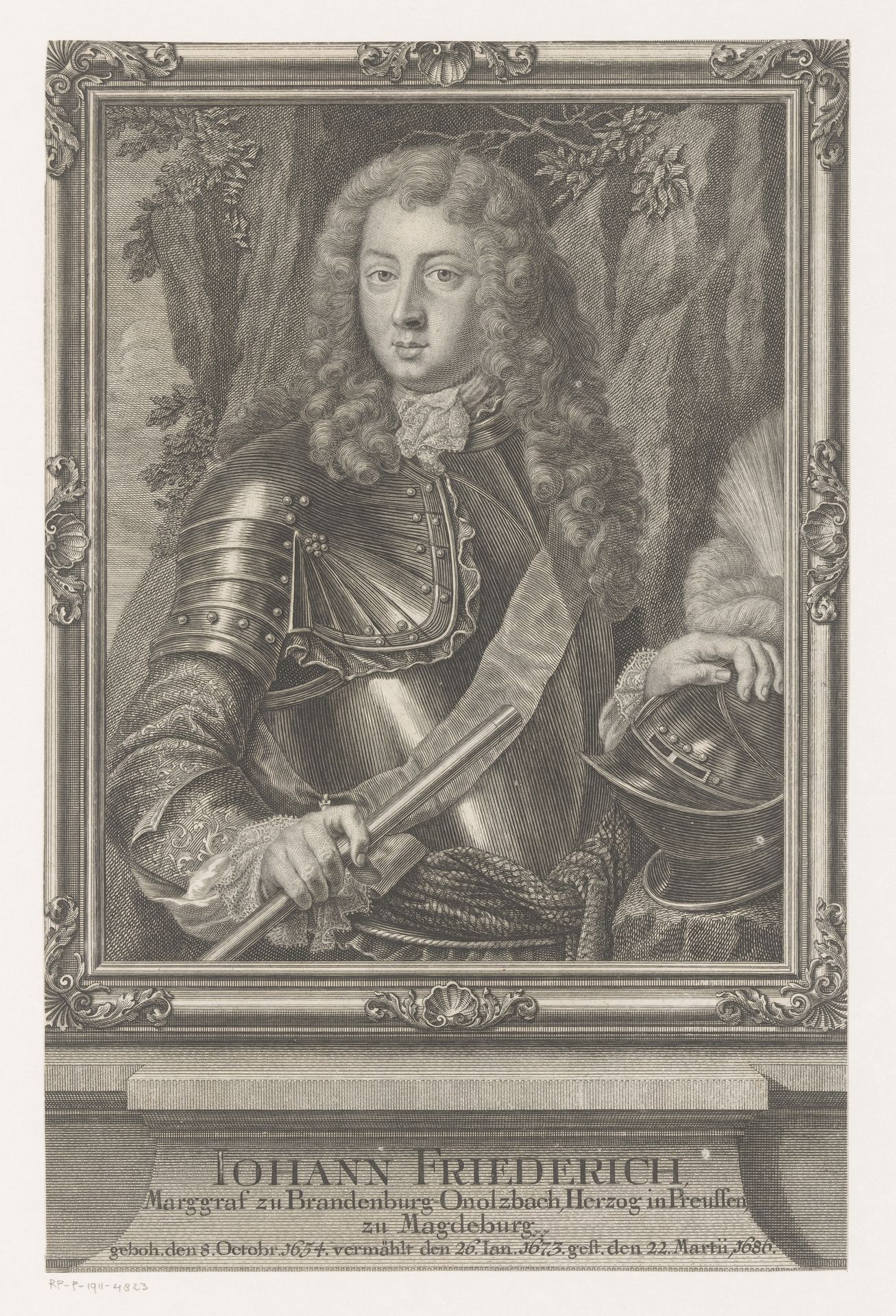
This is Johann Wilhelm Windter's portrait of Johann Friedrich von Brandenburg-Ansbach, created sometime between 1696 and 1765. This black and white portrait offers a glimpse into the world of 17th-century German aristocracy. Painted during a time of shifting social structures, the portrait reflects the subject's identity and status through symbolism. Johann Friedrich is shown in armour and a full wig, while bearing a baton and helmet; a presentation adhering to tradition by portraying power through military strength. The piece encourages us to consider how conventional symbols of power and status are constructed and what they signify about the sitter and society. Interestingly, despite the formality of the portrait, there's a softness in Johann Friedrich's gaze, a humanity that transcends the rigid conventions of aristocratic portraiture. We're left to ponder the intersection of personal identity and public persona, and how these narratives shape our understanding of history.
Portret van Johann Friedrich von Brandenburg-Ansbach
1740

Johann Wilhelm Windter
1696 - 1765Location
RijksmuseumArtwork details
- Medium
- drawing, print, engraving
- Dimensions
- height 315 mm, width 206 mm
- Location
- Rijksmuseum
- Copyright
- Rijks Museum: Open Domain
Tags
Comments
Share your thoughts
About this artwork
This is Johann Wilhelm Windter's portrait of Johann Friedrich von Brandenburg-Ansbach, created sometime between 1696 and 1765. This black and white portrait offers a glimpse into the world of 17th-century German aristocracy. Painted during a time of shifting social structures, the portrait reflects the subject's identity and status through symbolism. Johann Friedrich is shown in armour and a full wig, while bearing a baton and helmet; a presentation adhering to tradition by portraying power through military strength. The piece encourages us to consider how conventional symbols of power and status are constructed and what they signify about the sitter and society. Interestingly, despite the formality of the portrait, there's a softness in Johann Friedrich's gaze, a humanity that transcends the rigid conventions of aristocratic portraiture. We're left to ponder the intersection of personal identity and public persona, and how these narratives shape our understanding of history.
Comments
Share your thoughts