About this artwork
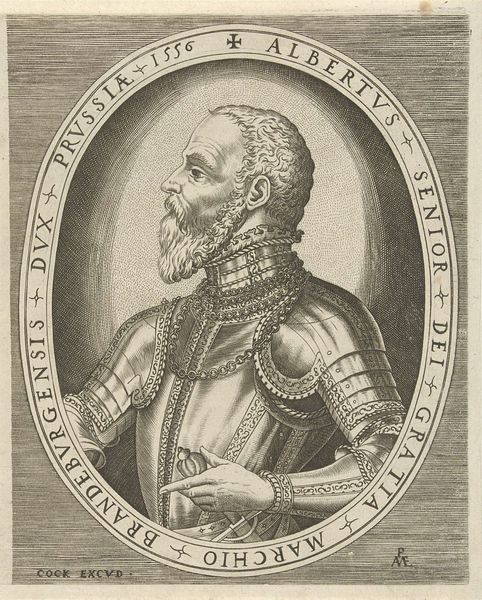
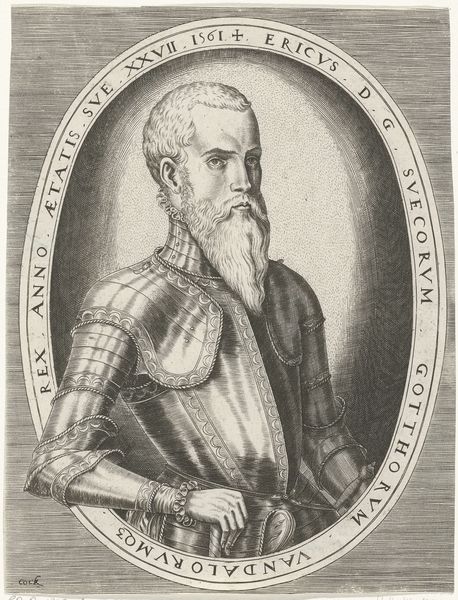
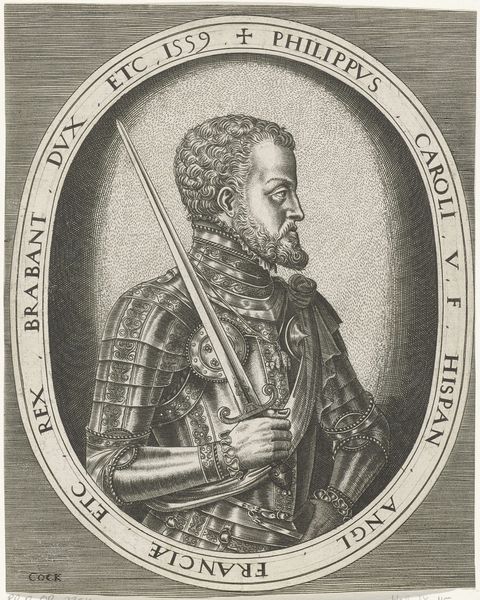
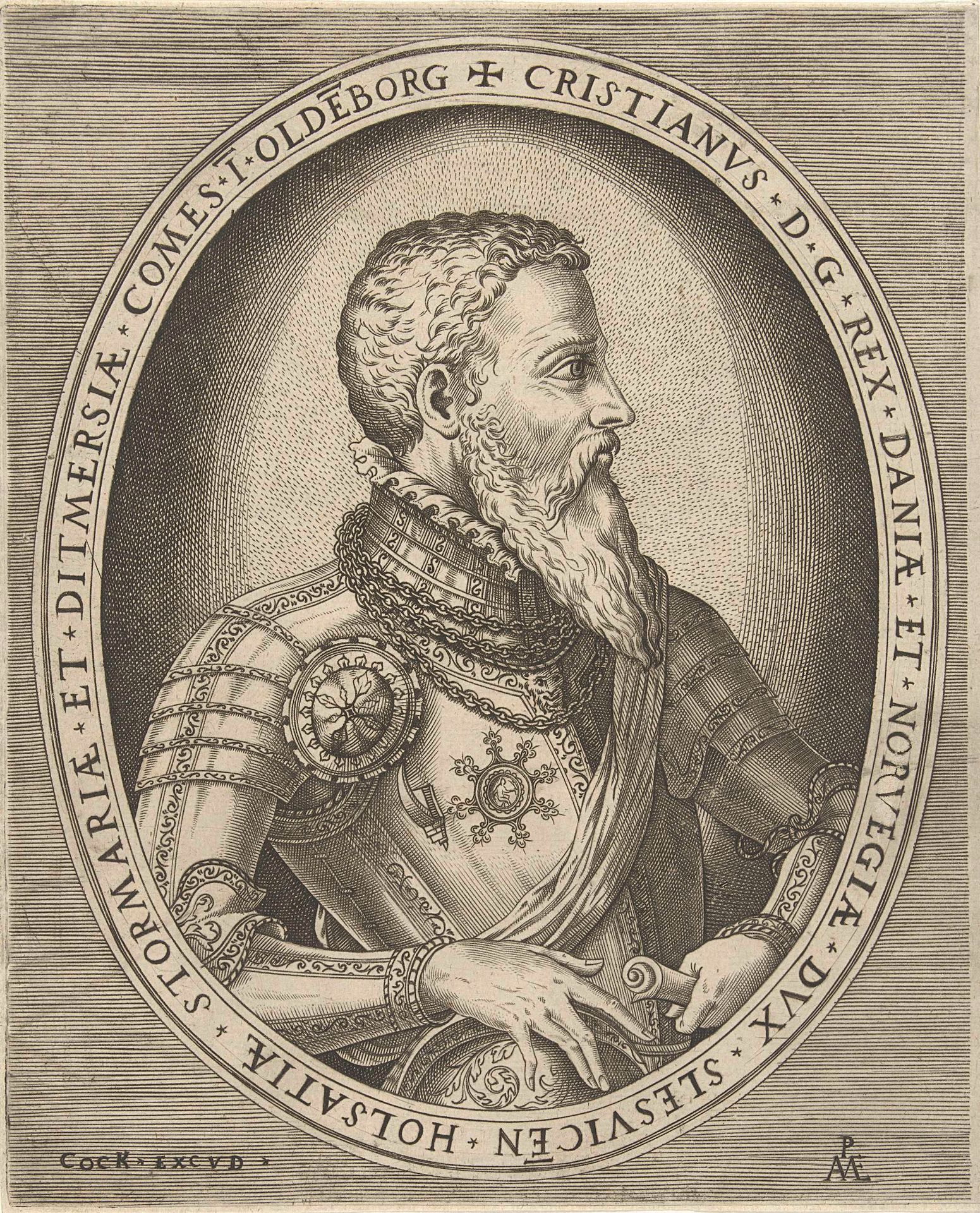
Pieter van der Heyden made this portrait of Christian III, King of Denmark and Norway, using engraving techniques. Van der Heyden’s detailed rendering captures Christian III in armor, a symbol of power and authority during the 16th century, when Europe was undergoing significant political and religious upheaval. The King’s stern profile and the armor are not just about military might, they reflect the complexities of the Reformation and its impact on rulers like Christian, who had to navigate religious divisions and consolidate their power. How does one hold the weight of a kingdom? Christian’s gaze projects a vision of leadership which was intrinsically linked to his identity, shaped by the expectations and responsibilities of his time. This portrait does more than depict a king, it invites us to consider the narratives of leadership, legacy and the negotiations of identity which continue to resonate today.
Portret van Christiaan III, koning van Denemarken en Noorwegen
c. 1540s - 1550s

Pieter van der Heyden
1525 - 1569Location
RijksmuseumArtwork details
- Medium
- engraving
- Dimensions
- height 199 mm, width 163 mm
- Location
- Rijksmuseum
- Copyright
- Rijks Museum: Open Domain
Tags
Comments
Share your thoughts
About this artwork
Pieter van der Heyden made this portrait of Christian III, King of Denmark and Norway, using engraving techniques. Van der Heyden’s detailed rendering captures Christian III in armor, a symbol of power and authority during the 16th century, when Europe was undergoing significant political and religious upheaval. The King’s stern profile and the armor are not just about military might, they reflect the complexities of the Reformation and its impact on rulers like Christian, who had to navigate religious divisions and consolidate their power. How does one hold the weight of a kingdom? Christian’s gaze projects a vision of leadership which was intrinsically linked to his identity, shaped by the expectations and responsibilities of his time. This portrait does more than depict a king, it invites us to consider the narratives of leadership, legacy and the negotiations of identity which continue to resonate today.
Comments
Share your thoughts