About this artwork
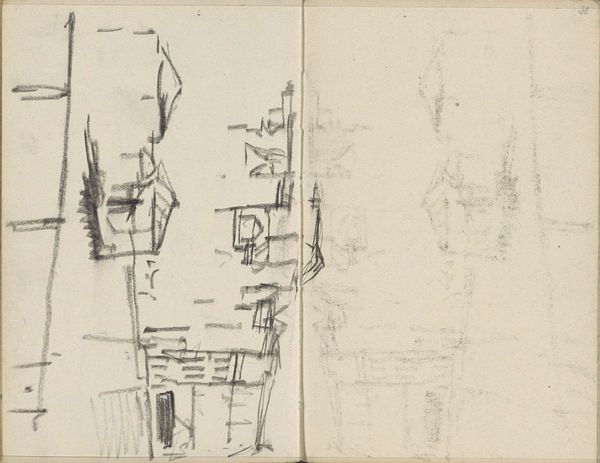
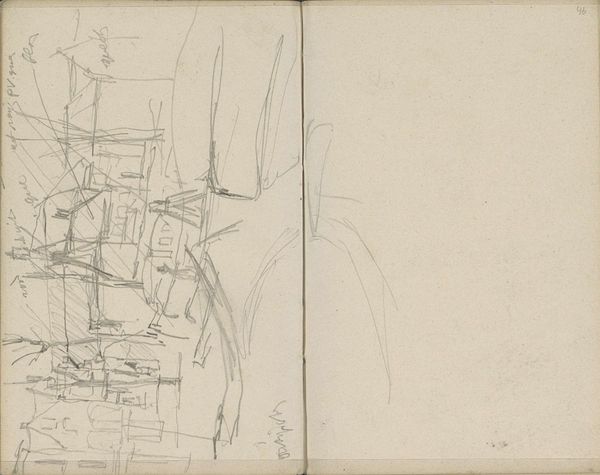
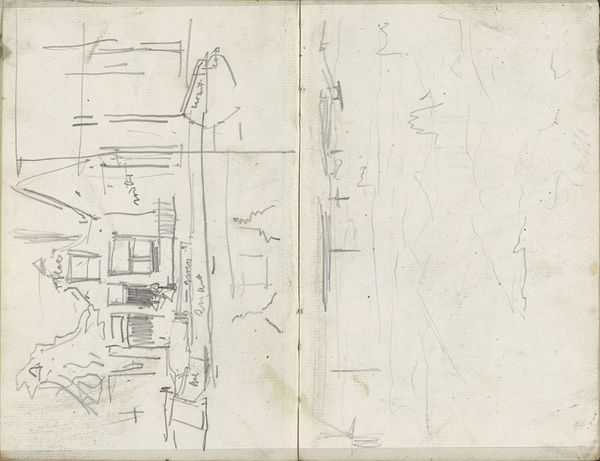
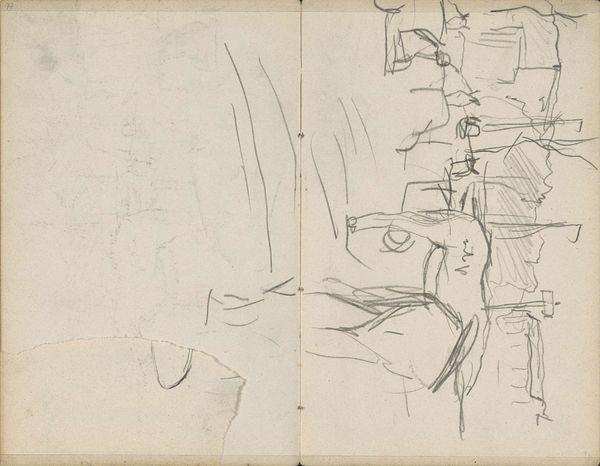
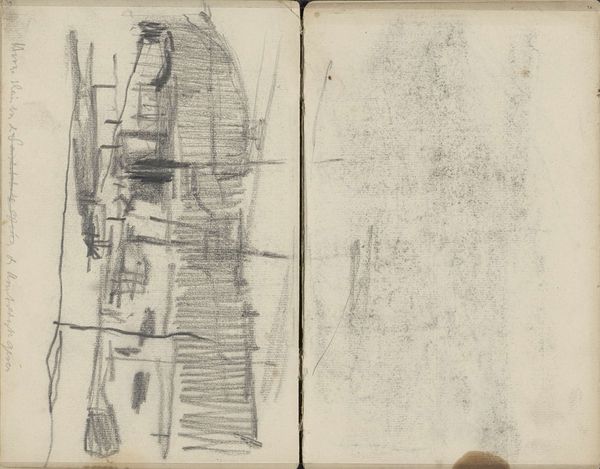
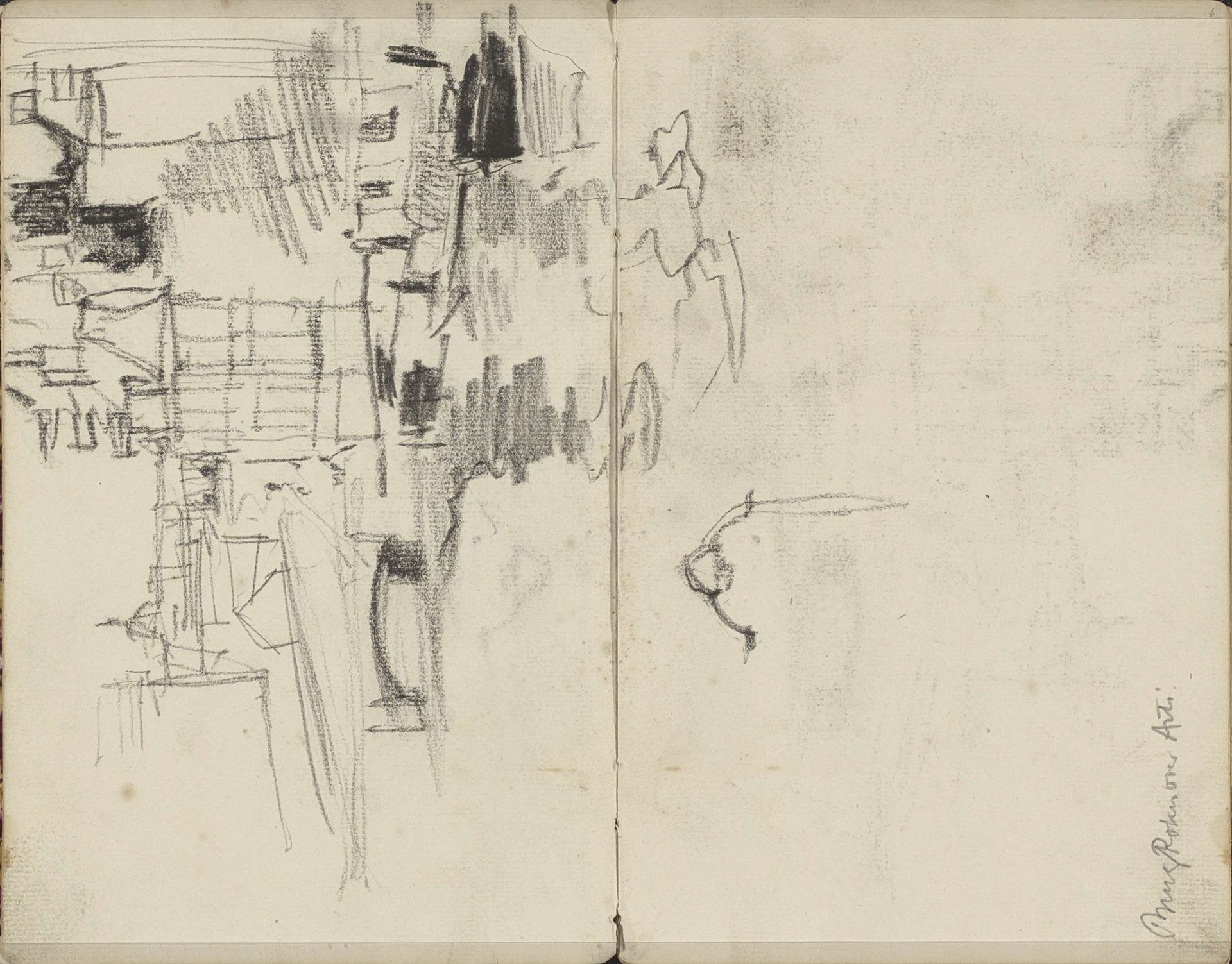
This sketch of the Langebrug over the Rokin in Amsterdam was made by George Hendrik Breitner using graphite on paper. The composition is split across the double page of a sketchbook and this division introduces an immediate tension. On the left, we see an intricate rendering of architectural forms and the bridge structure, captured with sharp, angular lines and dense cross-hatching to create tonal depth. By contrast, the right side presents a stark emptiness, marked only by a few faint lines and scribbles that barely hint at a concrete subject. This juxtaposition isn't merely a study in contrasts. It also embodies the avant-garde spirit of Breitner’s era, challenging the traditional artistic values of balance and harmony. By leaving one side virtually blank, Breitner compels us to confront the very act of seeing and interpreting. The drawing ultimately becomes a meditation on the incompleteness of perception and the subjective nature of reality.
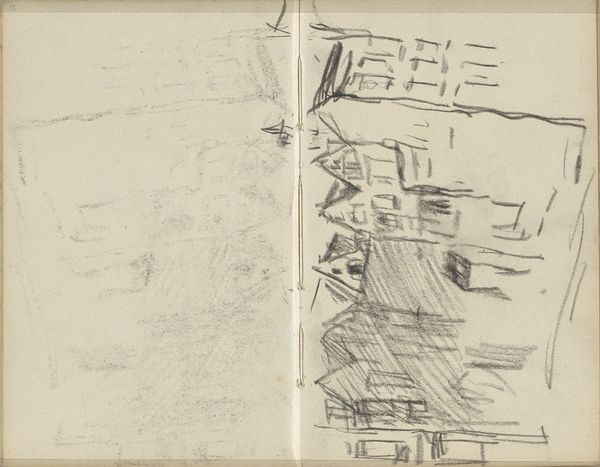
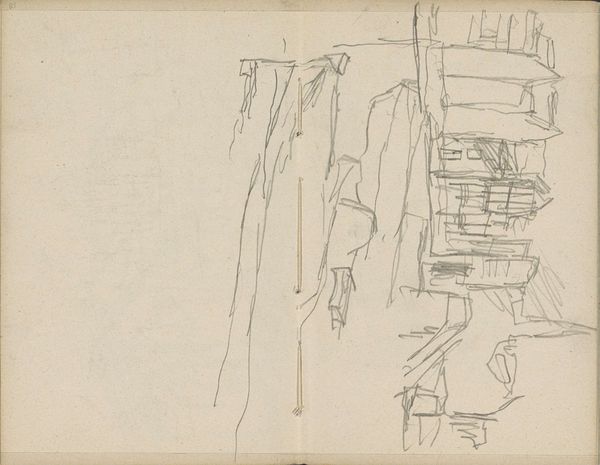
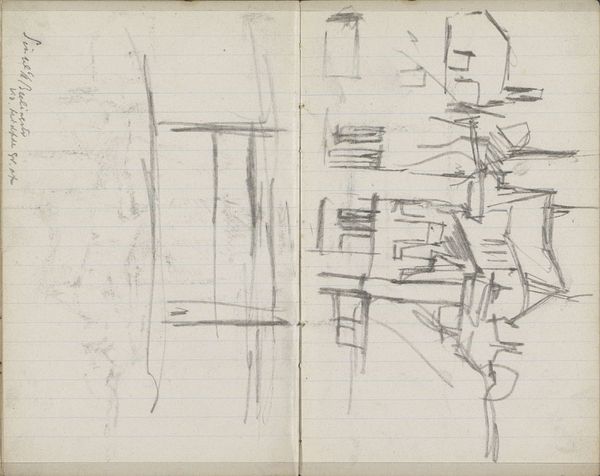
Gezicht op de Langebrug over het Rokin te Amsterdam c. 1886 - 1903

George Hendrik Breitner
1857 - 1923Location
RijksmuseumArtwork details
- Location
- Rijksmuseum
- Copyright
- Rijks Museum: Open Domain
Comments
No comments
About this artwork
This sketch of the Langebrug over the Rokin in Amsterdam was made by George Hendrik Breitner using graphite on paper. The composition is split across the double page of a sketchbook and this division introduces an immediate tension. On the left, we see an intricate rendering of architectural forms and the bridge structure, captured with sharp, angular lines and dense cross-hatching to create tonal depth. By contrast, the right side presents a stark emptiness, marked only by a few faint lines and scribbles that barely hint at a concrete subject. This juxtaposition isn't merely a study in contrasts. It also embodies the avant-garde spirit of Breitner’s era, challenging the traditional artistic values of balance and harmony. By leaving one side virtually blank, Breitner compels us to confront the very act of seeing and interpreting. The drawing ultimately becomes a meditation on the incompleteness of perception and the subjective nature of reality.
Comments
No comments