c. early 18th century
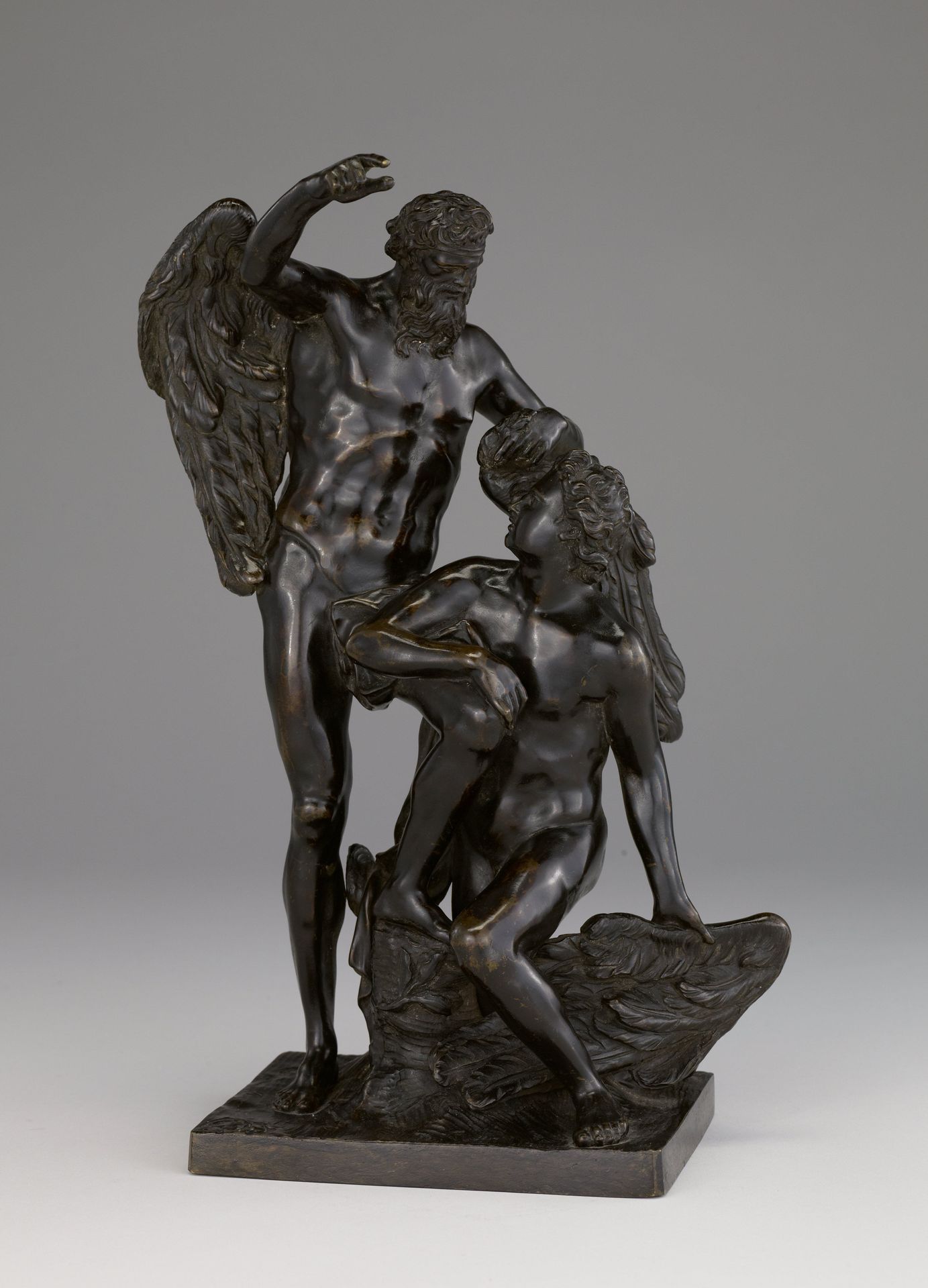
Daedalus Attaching the Wings to his Son


Listen to curator's interpretation
Curatorial notes
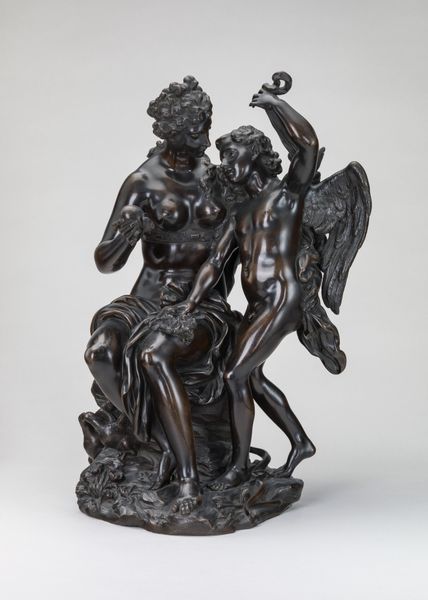
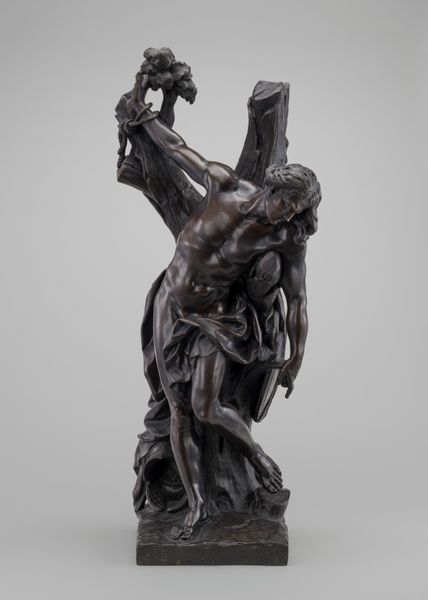
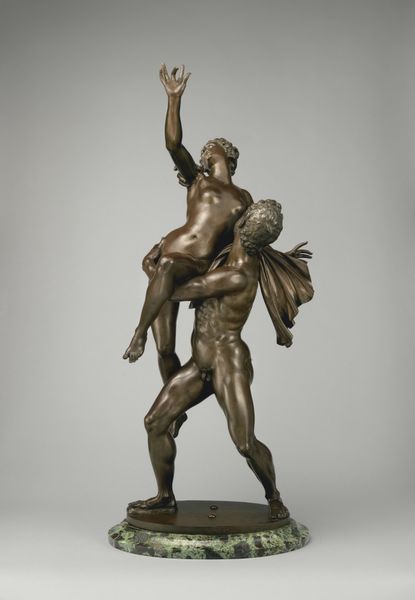
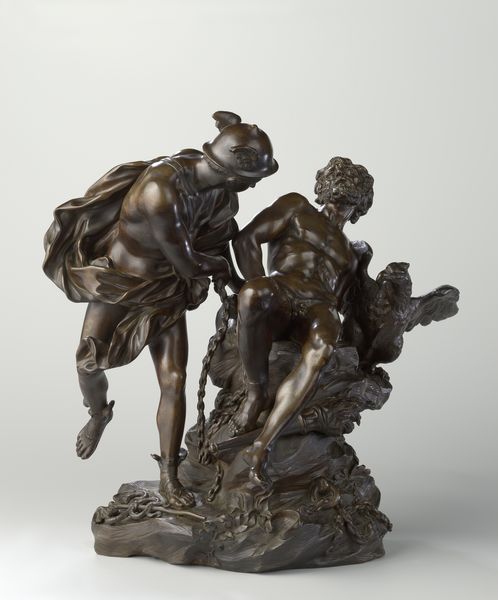
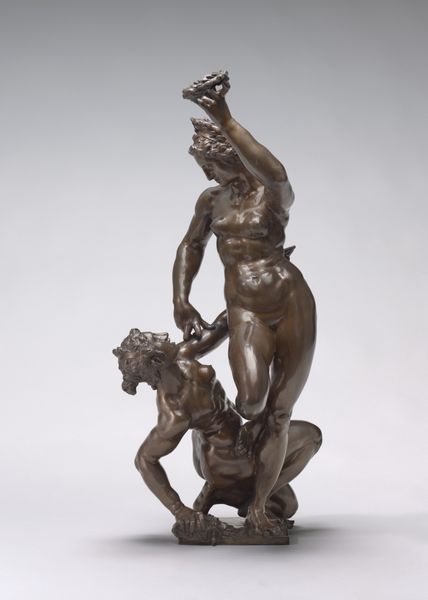
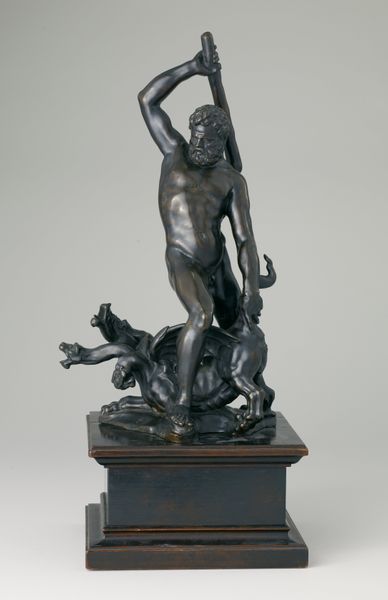
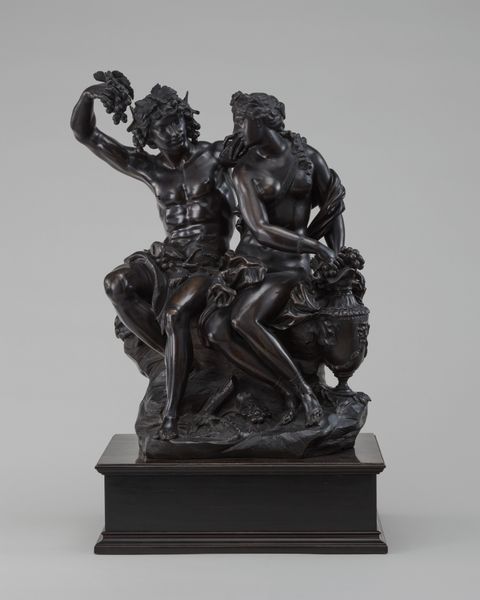
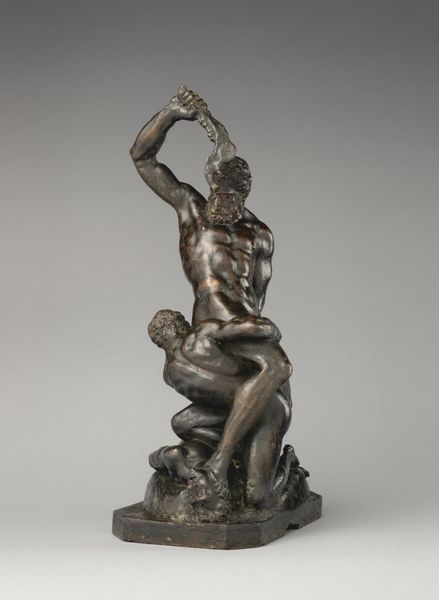
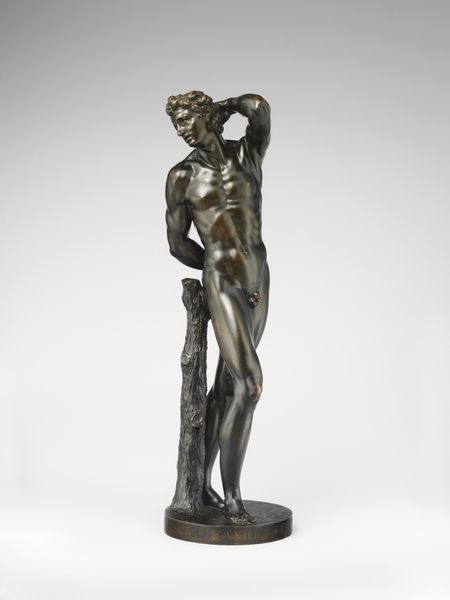
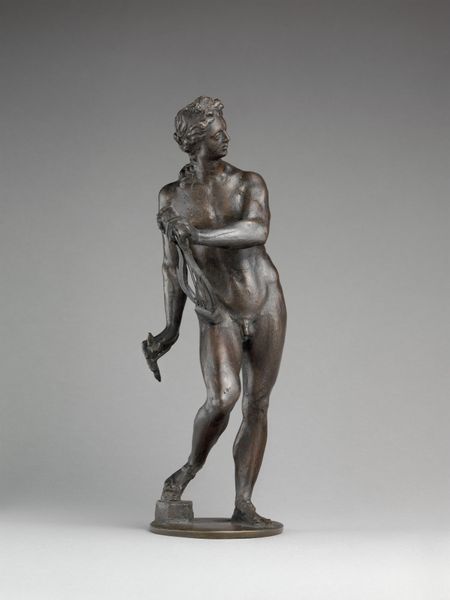
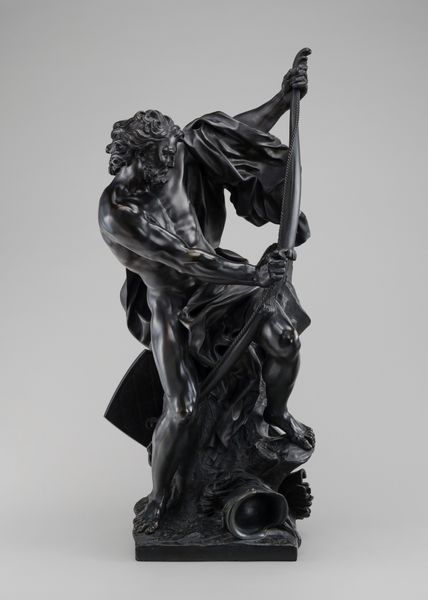
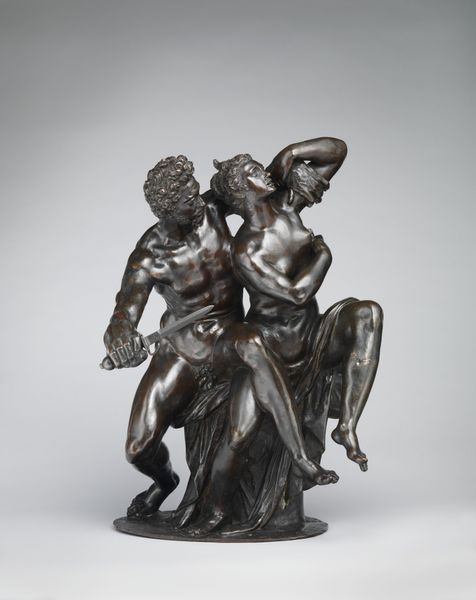
This bronze sculpture captures Daedalus attaching wings to his son, Icarus. The lost-wax casting process, by which it was likely made, involves creating a wax model, encasing it in clay, melting out the wax, and then pouring molten bronze into the resulting mold. The material is critical to the work's impact. Bronze, with its strength and capacity for fine detail, allowed the artist to create a lasting and intricate representation of the mythological scene. The dark patina gives the surface a depth that accentuates the musculature of the figures and the texture of the wings. The laborious process of bronze casting, requiring skilled artisans and careful attention to detail, elevates the sculpture beyond mere representation. It speaks to the time-honored traditions of craftsmanship, connecting the artwork to a rich history of creative practice. By attending to the material and the making, we can appreciate not only the aesthetic qualities of the sculpture but also the social and cultural significance embedded within it.