About this artwork
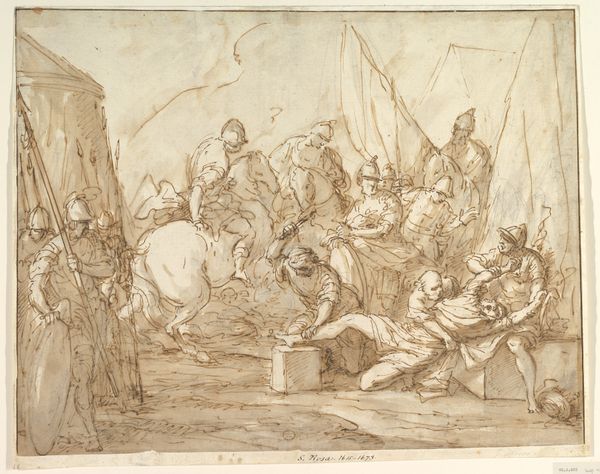
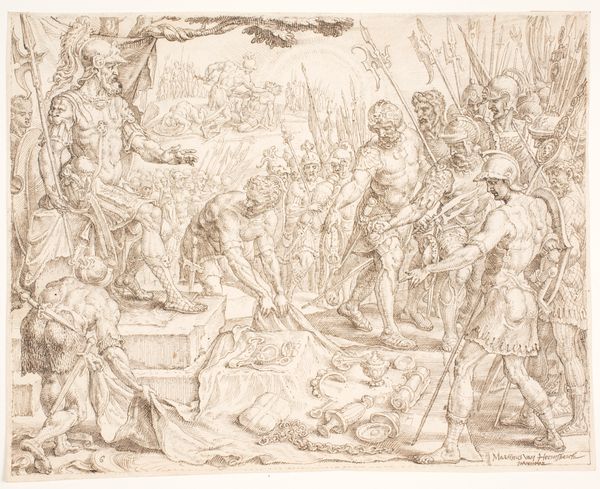
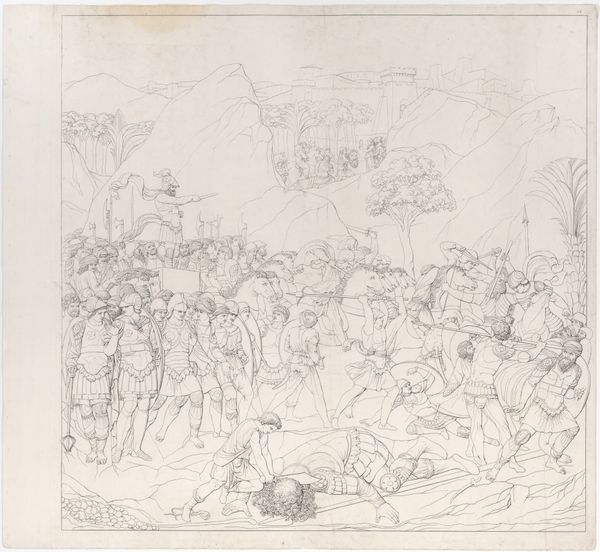
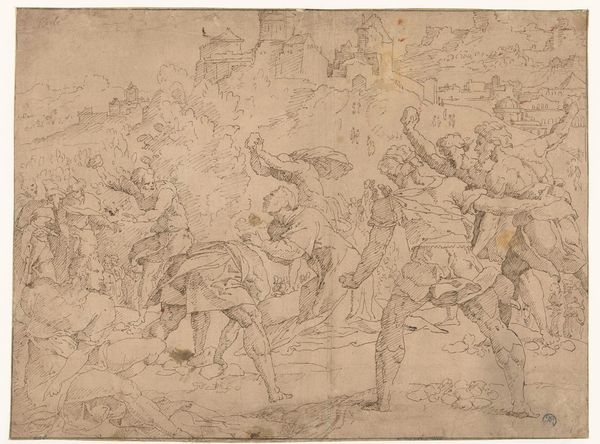
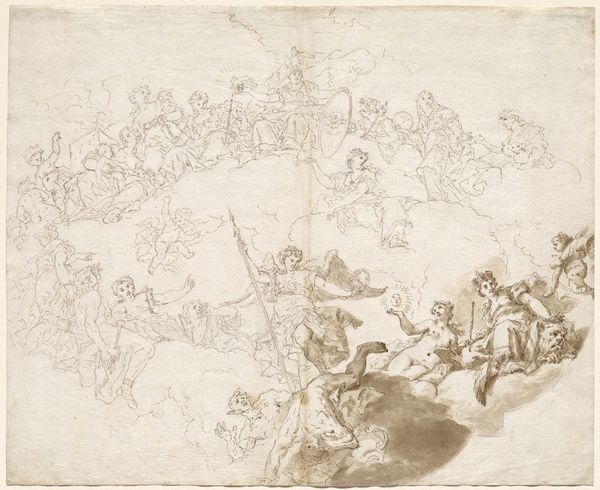
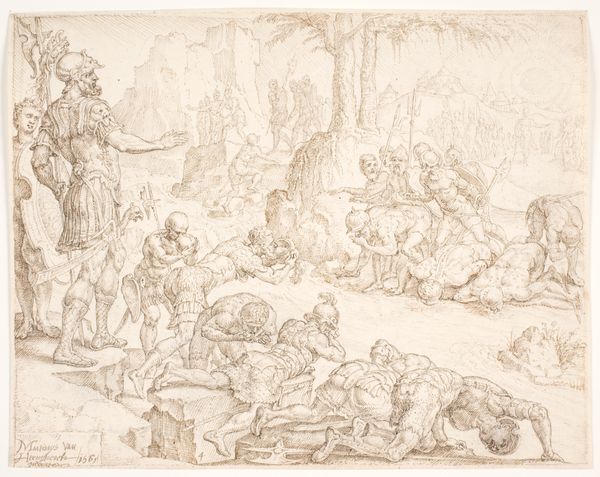
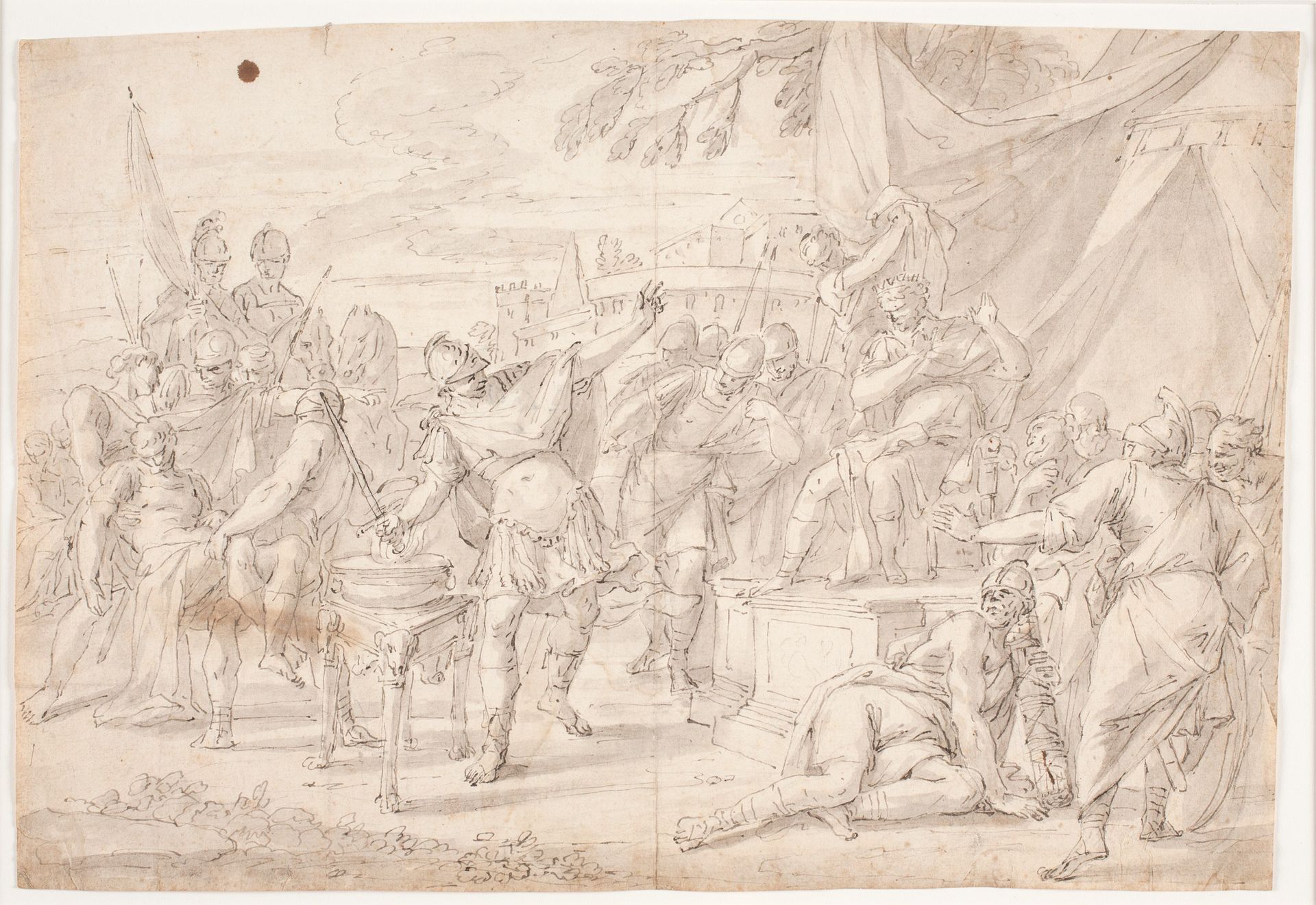
Hendrik Krock’s drawing depicts Mucius Scaevola, a Roman hero who demonstrated his courage by thrusting his right hand into a fire to prove his loyalty to Rome. The act of self-immolation, as seen here, becomes a potent symbol of defiance. Yet, it echoes through time. In different contexts, the symbolic gesture resurfaces. Consider the Stoic philosophers who saw strength in enduring pain. The fire, a symbol of purification and transformation, appears across cultures, from religious rituals to expressions of political protest. The emotional power of this scene lies in the raw display of human will, an urge deeply rooted in our collective psyche. This primal act resonates on a subconscious level. The motifs are non-linear, and the display of courage has resurfaced, evolved, and taken on new meanings in different historical contexts.
Mucius Scaevola 1671 - 1738


Artwork details
- Medium
- drawing, ink, pen
- Dimensions
- 263 mm (height) x 381 mm (width) (bladmaal)
- Location
- SMK - Statens Museum for Kunst
Tags
portrait
drawing
ink drawing
narrative-art
figuration
ink
pen
history-painting
academic-art
Comments
No comments
About this artwork
Hendrik Krock’s drawing depicts Mucius Scaevola, a Roman hero who demonstrated his courage by thrusting his right hand into a fire to prove his loyalty to Rome. The act of self-immolation, as seen here, becomes a potent symbol of defiance. Yet, it echoes through time. In different contexts, the symbolic gesture resurfaces. Consider the Stoic philosophers who saw strength in enduring pain. The fire, a symbol of purification and transformation, appears across cultures, from religious rituals to expressions of political protest. The emotional power of this scene lies in the raw display of human will, an urge deeply rooted in our collective psyche. This primal act resonates on a subconscious level. The motifs are non-linear, and the display of courage has resurfaced, evolved, and taken on new meanings in different historical contexts.
Comments
No comments