About this artwork
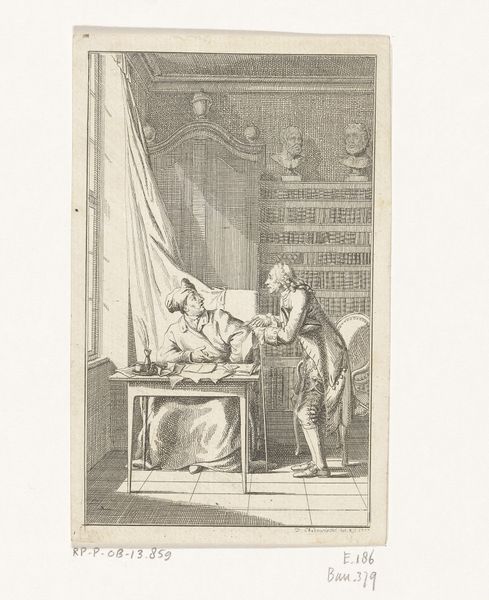
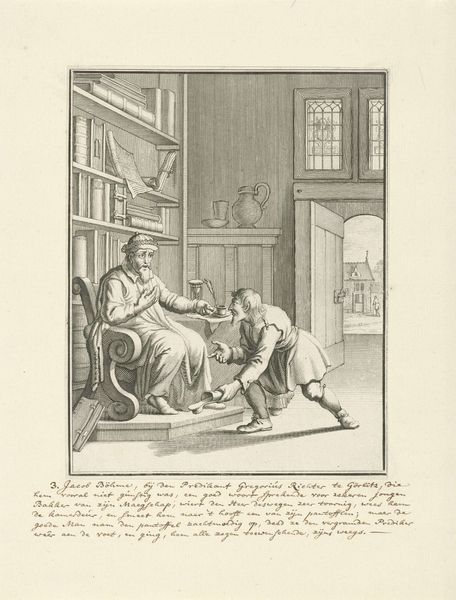
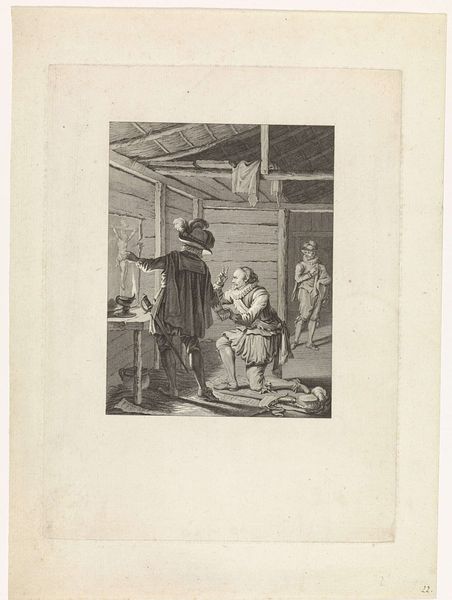
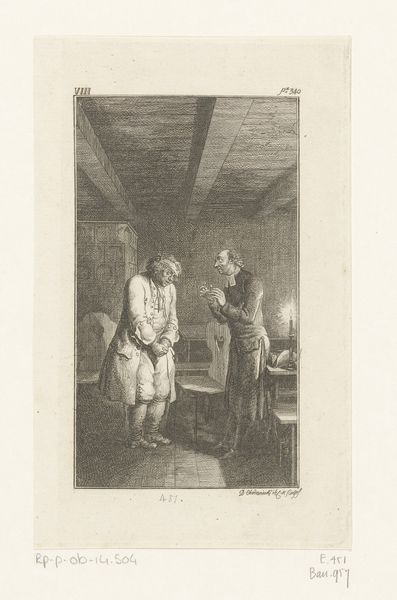
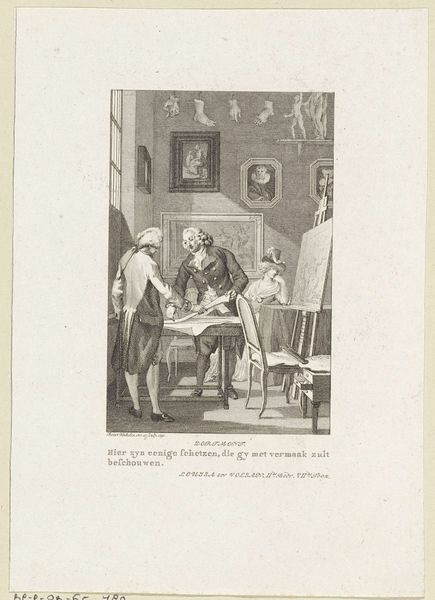
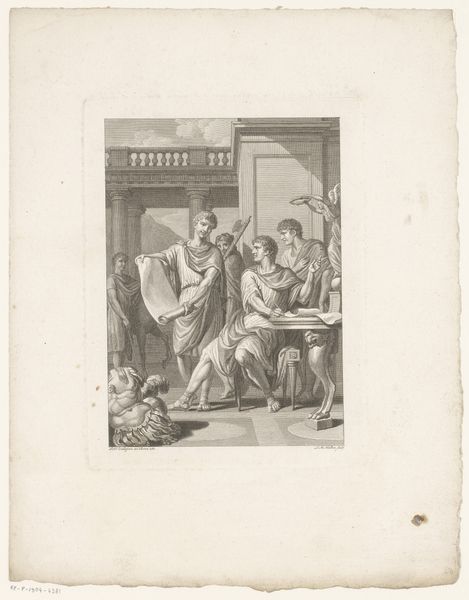
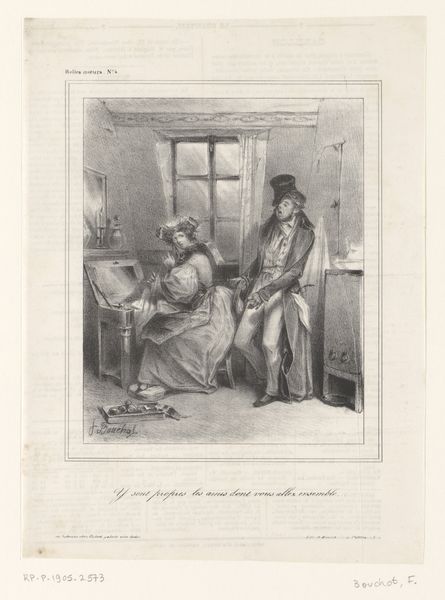
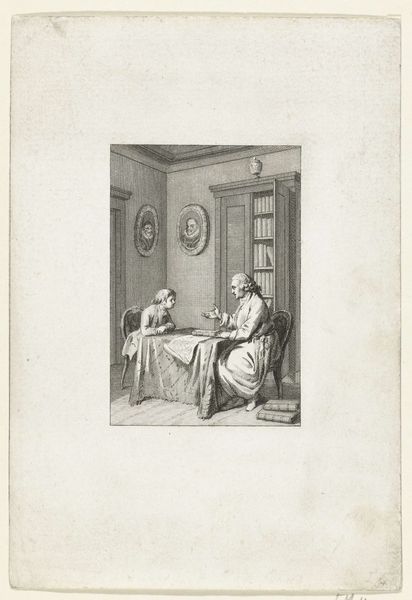
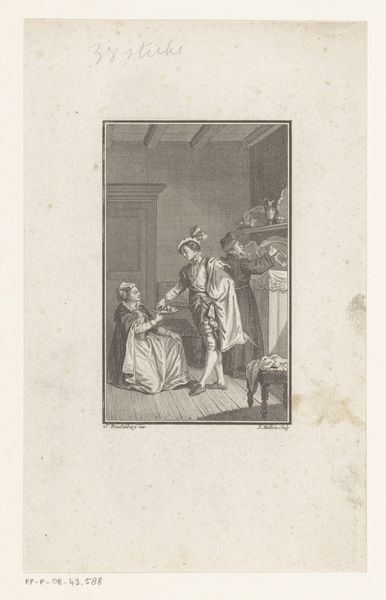
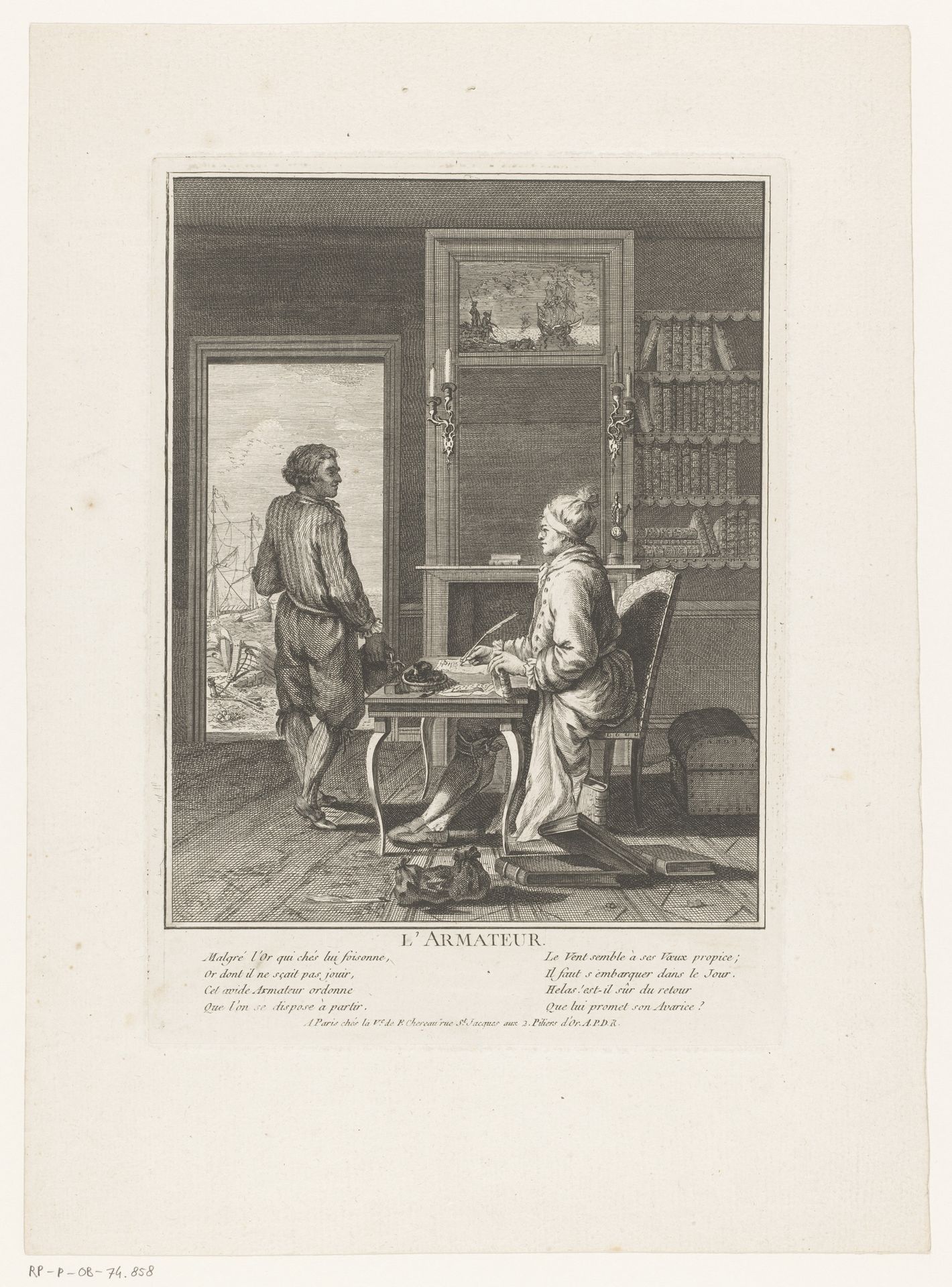
This print, “Reder aan een bureau,” now at the Rijksmuseum, captures a scene steeped in the visual language of its time. At its heart, we find the motif of a man seated at his bureau, a quill in hand, emblematic of commerce and calculation. This image echoes through history. Consider the recurrence of the seated figure in Rembrandt’s scholars or even earlier depictions of the Evangelists at their writing desks. The act of writing, of recording and calculating, becomes a potent symbol of human endeavor, of ordering the world through intellect. Here, the merchant is poised between the world of finance and the tangible reality of maritime enterprise. The looming ship outside the door speaks to the risks of sea voyages. It serves as a subconscious reminder that despite the logical calculations and monetary systems, fortune, or perhaps misfortune, dictates the success of trade. The contrast creates a visual tension, engaging us in a psychological dance between control and fate. This symbol, like the tides, ebbs and flows through time, reshaping itself with each cultural wave.

Artwork details
- Medium
- print, engraving
- Dimensions
- height 288 mm, width 205 mm
- Location
- Rijksmuseum
- Copyright
- Rijks Museum: Open Domain
Tags
Comments
Share your thoughts
About this artwork
This print, “Reder aan een bureau,” now at the Rijksmuseum, captures a scene steeped in the visual language of its time. At its heart, we find the motif of a man seated at his bureau, a quill in hand, emblematic of commerce and calculation. This image echoes through history. Consider the recurrence of the seated figure in Rembrandt’s scholars or even earlier depictions of the Evangelists at their writing desks. The act of writing, of recording and calculating, becomes a potent symbol of human endeavor, of ordering the world through intellect. Here, the merchant is poised between the world of finance and the tangible reality of maritime enterprise. The looming ship outside the door speaks to the risks of sea voyages. It serves as a subconscious reminder that despite the logical calculations and monetary systems, fortune, or perhaps misfortune, dictates the success of trade. The contrast creates a visual tension, engaging us in a psychological dance between control and fate. This symbol, like the tides, ebbs and flows through time, reshaping itself with each cultural wave.
Comments
Share your thoughts