![(Untitled) [verso] by Mark Rothko](https://d2w8kbdekdi1gv.cloudfront.net/eyJidWNrZXQiOiAiYXJ0ZXJhLWltYWdlcy1idWNrZXQiLCAia2V5IjogImFydHdvcmtzLzlhZjIzMTI5LTE0NDUtNGFkNi05NTQ5LWQxMzYxODcwY2VhNi85YWYyMzEyOS0xNDQ1LTRhZDYtOTU0OS1kMTM2MTg3MGNlYTZfZnVsbC5qcGciLCAiZWRpdHMiOiB7InJlc2l6ZSI6IHsid2lkdGgiOiAxOTIwLCAiaGVpZ2h0IjogMTkyMCwgImZpdCI6ICJpbnNpZGUifX19)
About this artwork
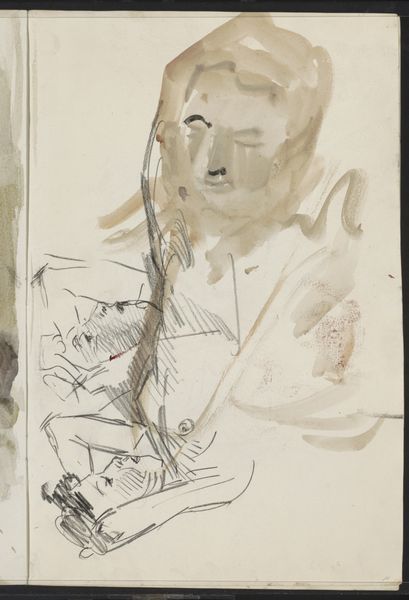
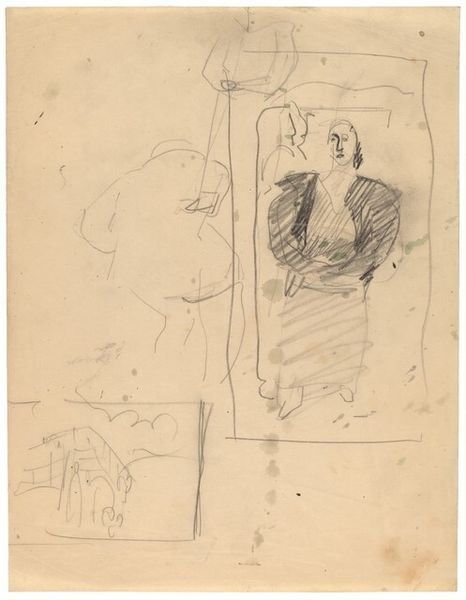
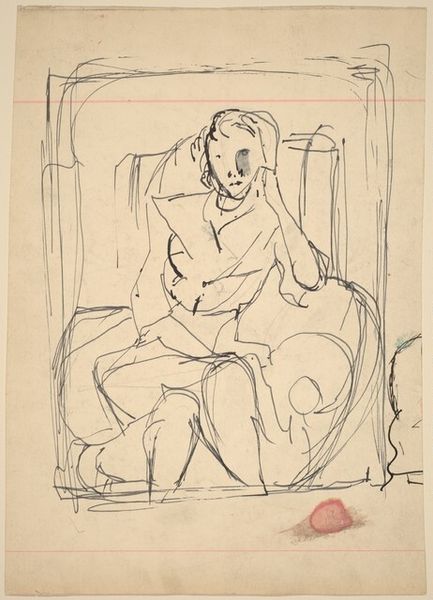
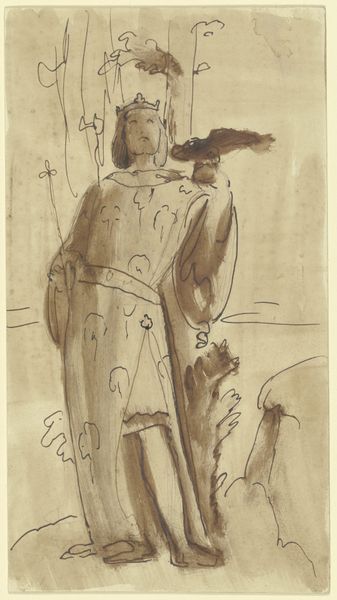
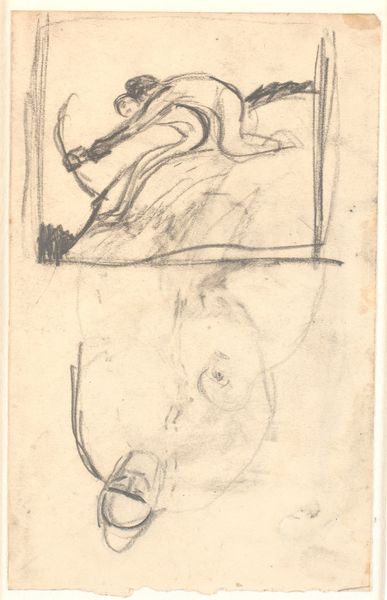
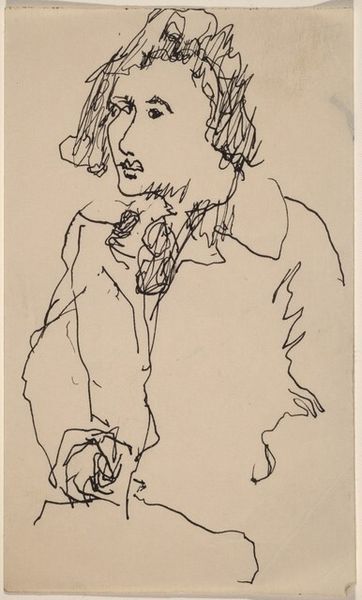
This undated sketch on paper was made by Mark Rothko, and it shows a person standing next to a sculpture. The drawing offers a glimpse into Rothko's artistic process and his engagement with the cultural institutions of his time. The sketch shows a figure resembling a museum-goer next to a sculpture in a gallery setting. Rothko, while known for his abstract expressionist paintings, also engaged with figurative art and was deeply interested in the relationship between the viewer and the artwork. During the mid-20th century, museums played an increasingly important role in shaping the public's understanding of art. Rothko was concerned with the way these institutions could influence the reception and interpretation of his own work. By studying Rothko's sketch alongside his writings, we can gain a deeper understanding of his views on the public role of art and the ways in which cultural institutions shape our perception.
(Untitled) [verso]
c. early 1940s


Artwork details
- Medium
- drawing, ink
- Dimensions
- overall: 12.7 x 17.8 cm (5 x 7 in.)
- Copyright
- National Gallery of Art: CC0 1.0
Tags
Comments
Share your thoughts
About this artwork
This undated sketch on paper was made by Mark Rothko, and it shows a person standing next to a sculpture. The drawing offers a glimpse into Rothko's artistic process and his engagement with the cultural institutions of his time. The sketch shows a figure resembling a museum-goer next to a sculpture in a gallery setting. Rothko, while known for his abstract expressionist paintings, also engaged with figurative art and was deeply interested in the relationship between the viewer and the artwork. During the mid-20th century, museums played an increasingly important role in shaping the public's understanding of art. Rothko was concerned with the way these institutions could influence the reception and interpretation of his own work. By studying Rothko's sketch alongside his writings, we can gain a deeper understanding of his views on the public role of art and the ways in which cultural institutions shape our perception.
Comments
Share your thoughts