About this artwork
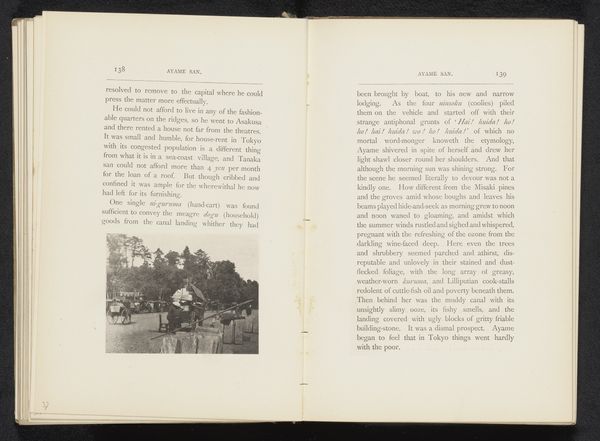
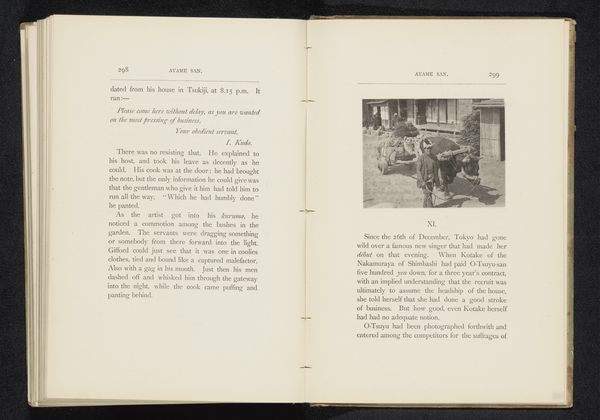
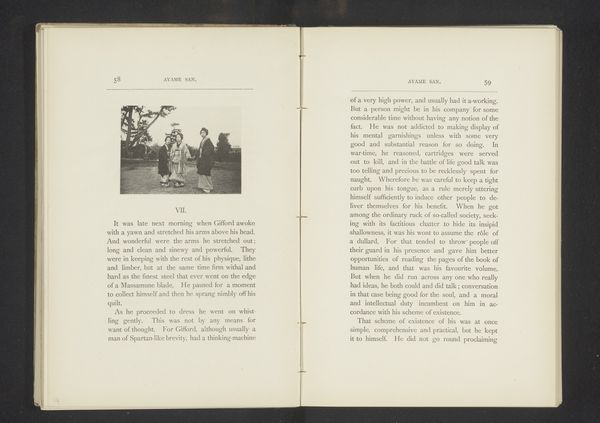
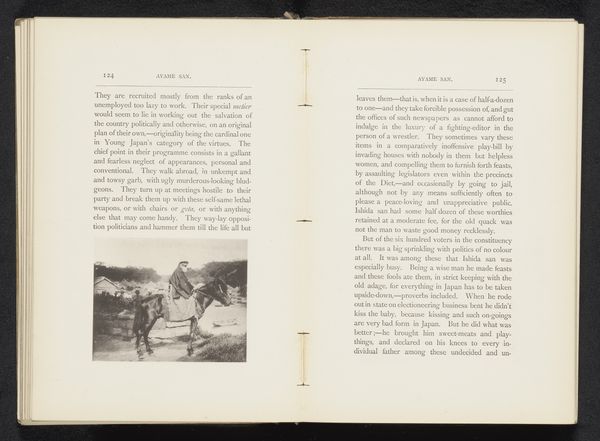
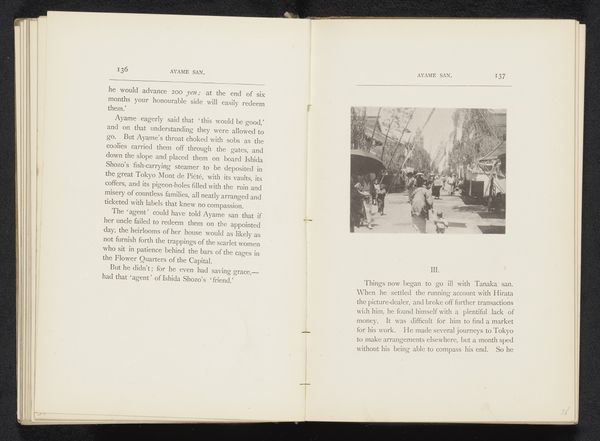
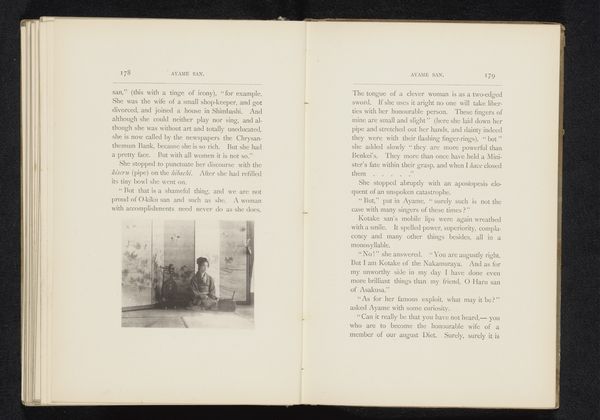
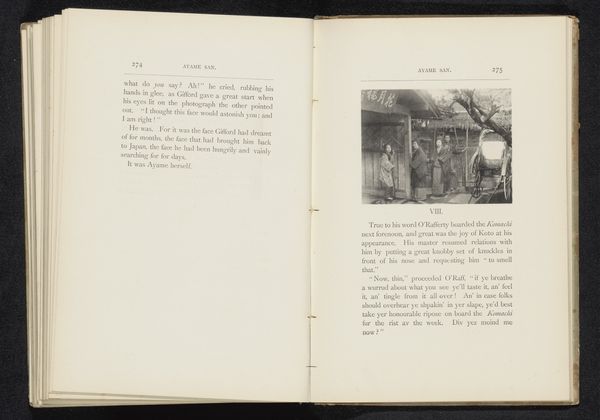
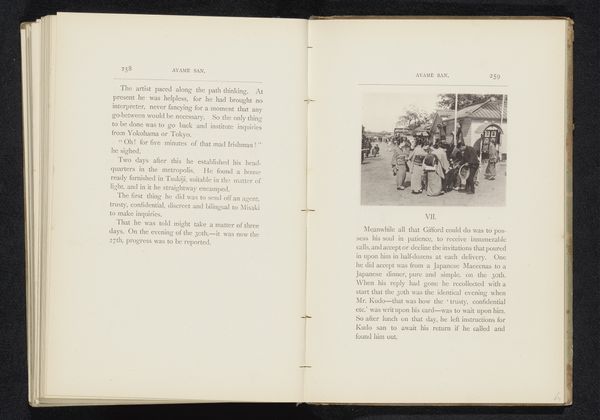
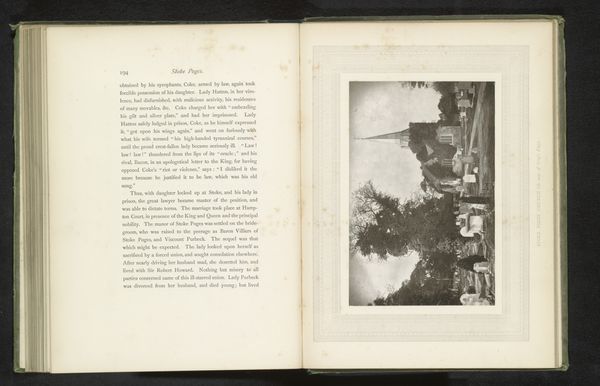
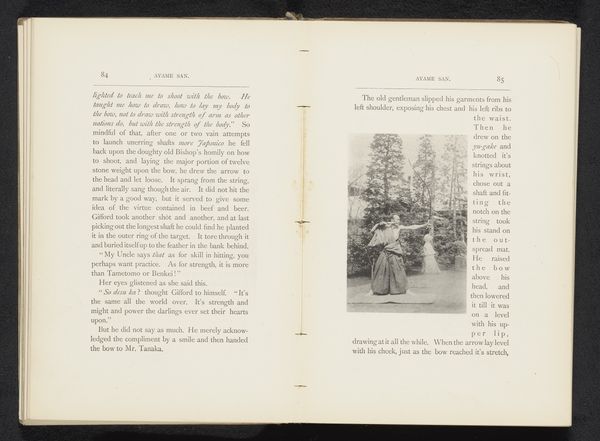
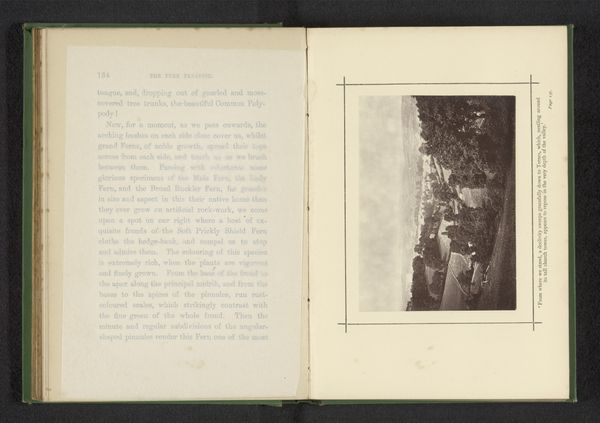
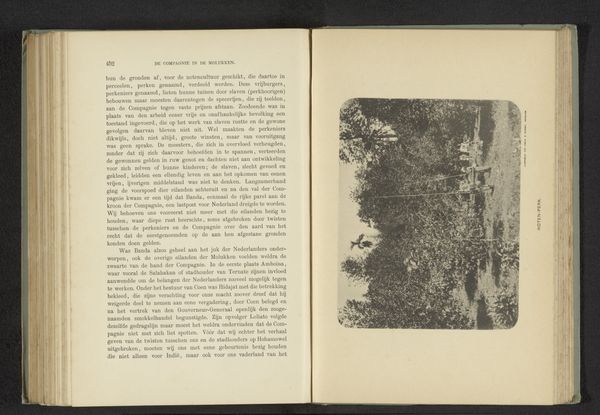
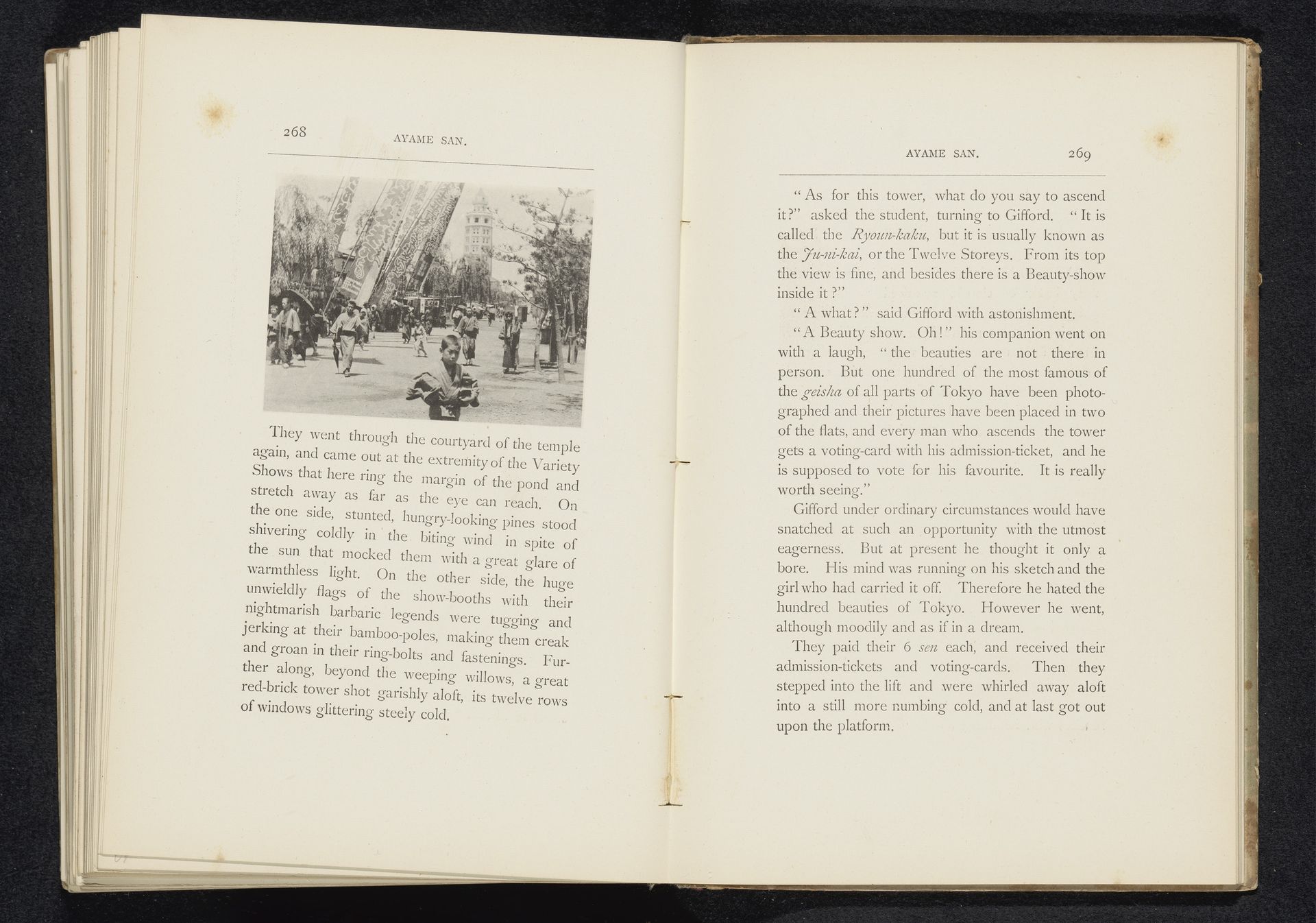
This photograph of a street in Tokyo, likely taken by William Kinnimond Burton, offers a glimpse into the visual culture of late 19th-century Japan. Burton, a Scottish engineer and photographer, arrived in Japan during the Meiji era, a period of rapid modernization and Westernization. His position as a foreigner provides a unique perspective on the transformations taking place in Japanese society. This image, set in the entertainment district, shows a mix of traditional Japanese elements, like the temple and show booths, alongside modern influences. The text accompanying the photo describes a “beauty show,” where the photos of one hundred of the most famous geishas are on display. Here gender, commerce, and cultural representation intersect. The viewer is invited to vote for their favorite, turning the geishas into objects of a beauty contest. This speaks to the commodification and exoticization of Japanese women in the Western imagination. The image and its context prompt us to consider how cultural encounters shape perceptions and identities.
Gezicht op een straat (vermoedelijk) te Tokyo before 1892

Artwork details
- Medium
- print, photography
- Dimensions
- height 65 mm, width 87 mm
- Copyright
- Rijks Museum: Open Domain
Tags
asian-art
landscape
photography
street
Comments
No comments
About this artwork
This photograph of a street in Tokyo, likely taken by William Kinnimond Burton, offers a glimpse into the visual culture of late 19th-century Japan. Burton, a Scottish engineer and photographer, arrived in Japan during the Meiji era, a period of rapid modernization and Westernization. His position as a foreigner provides a unique perspective on the transformations taking place in Japanese society. This image, set in the entertainment district, shows a mix of traditional Japanese elements, like the temple and show booths, alongside modern influences. The text accompanying the photo describes a “beauty show,” where the photos of one hundred of the most famous geishas are on display. Here gender, commerce, and cultural representation intersect. The viewer is invited to vote for their favorite, turning the geishas into objects of a beauty contest. This speaks to the commodification and exoticization of Japanese women in the Western imagination. The image and its context prompt us to consider how cultural encounters shape perceptions and identities.
Comments
No comments