1710 - 1763
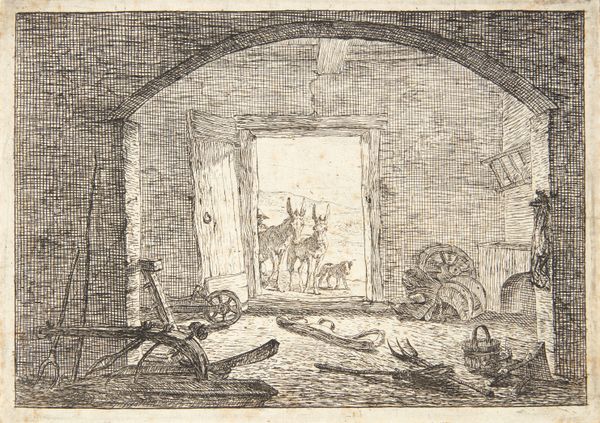
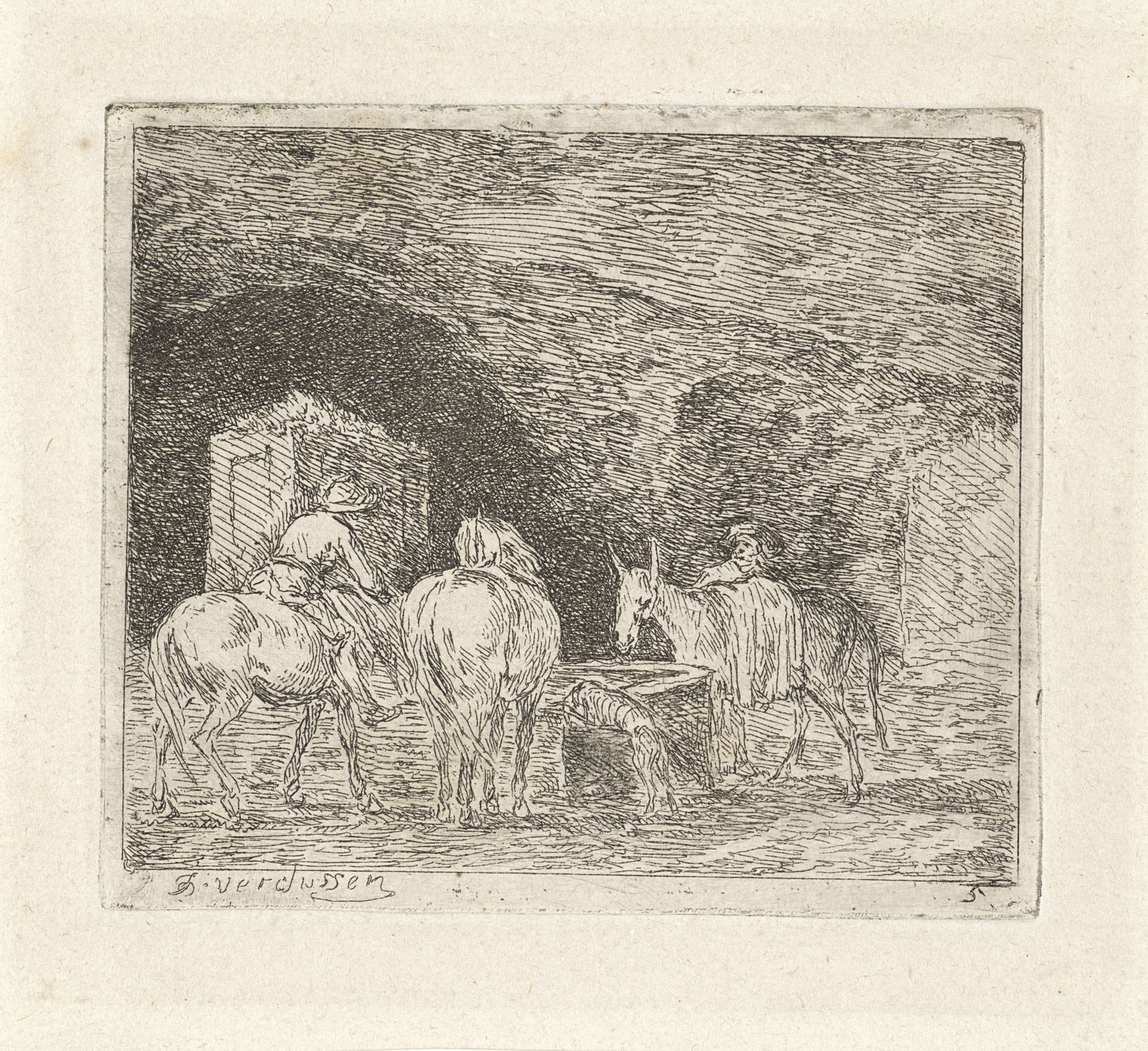
Mannen en paarden bij een put

Jan Peeter Verdussen
1700 - 1763Location
RijksmuseumListen to curator's interpretation
Curatorial notes
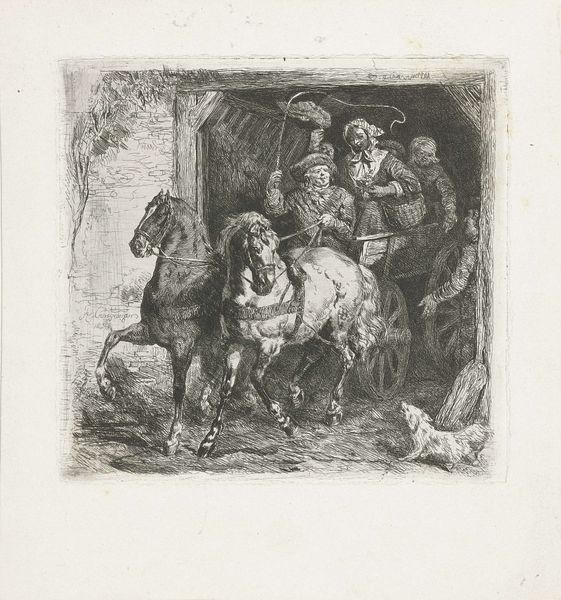
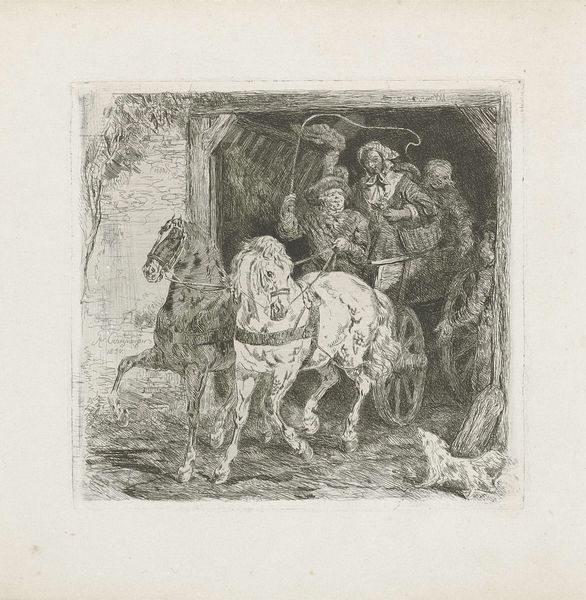
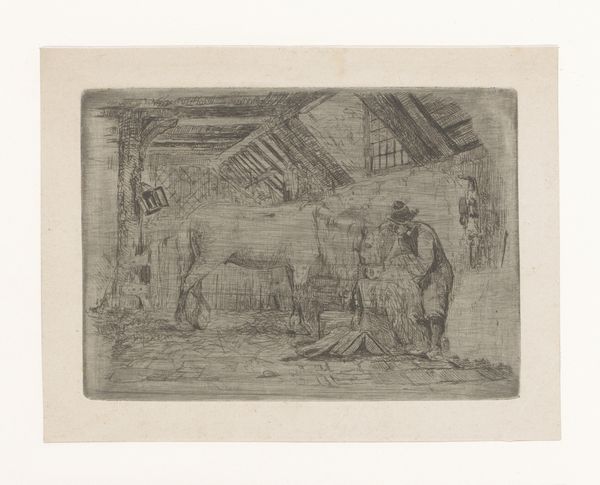
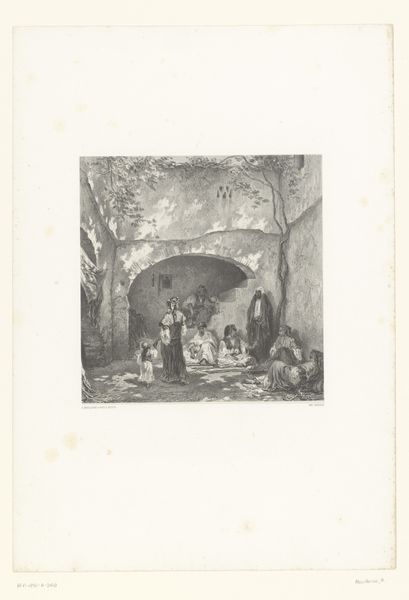
Jan Peeter Verdussen etched this image of men and horses at a well in the 18th-century. It's a scene that seems simple but speaks volumes about the social fabric of its time. Verdussen, working in the Austrian Netherlands, captures a routine moment: men pausing with their horses and donkeys at a well. But consider the social hierarchy embedded here. Horses were associated with wealth and status, while donkeys were the working-class beasts of burden. The well itself would have been a public space, a meeting point, but even here, unspoken rules of class and status would have played out. To truly understand this etching, we delve into the economic structures of the 1700s. How did people make a living? What role did animals play in their lives? Where would this scene have been depicted? By looking into these questions, we can begin to reconstruct the social context that shaped Verdussen’s art.