1854 - 1893
Measure

Carl Adolph Ferdinand Heidorn
1823 - 1893
The Metropolitan Museum of Art
Metropolitan Museum of Art, New York, NYListen to curator's interpretation
Curatorial notes
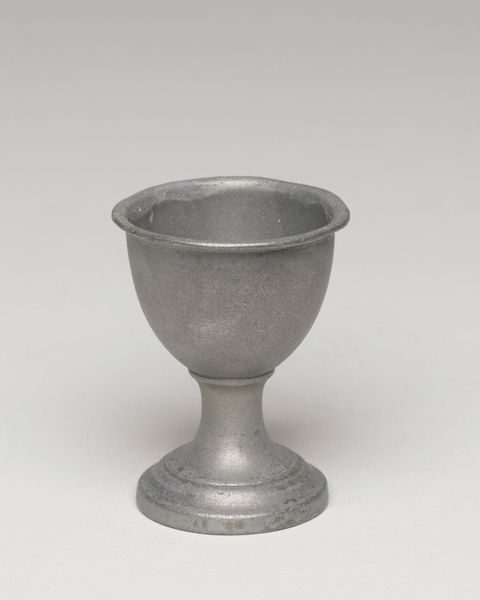
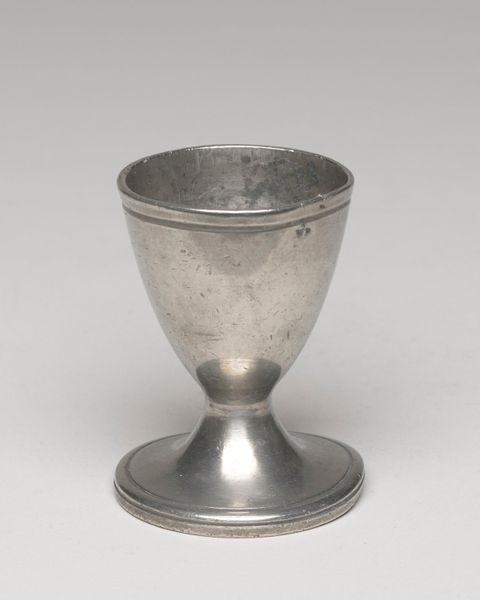
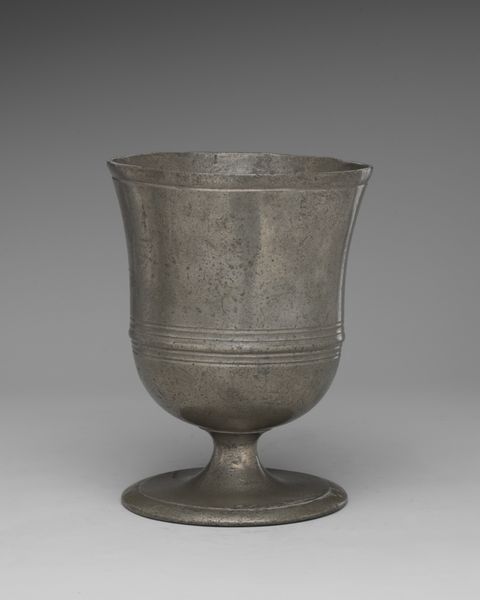
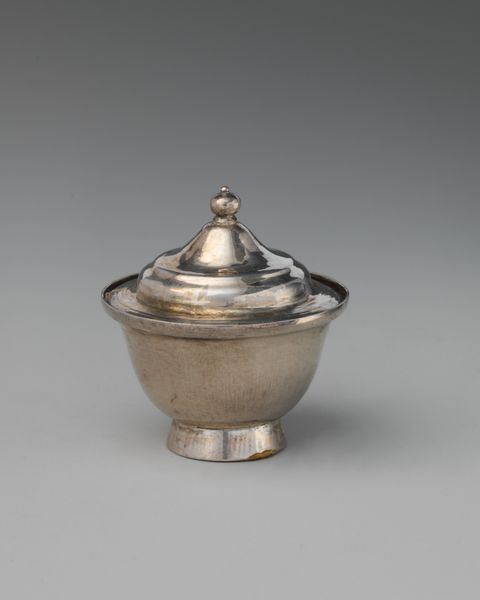
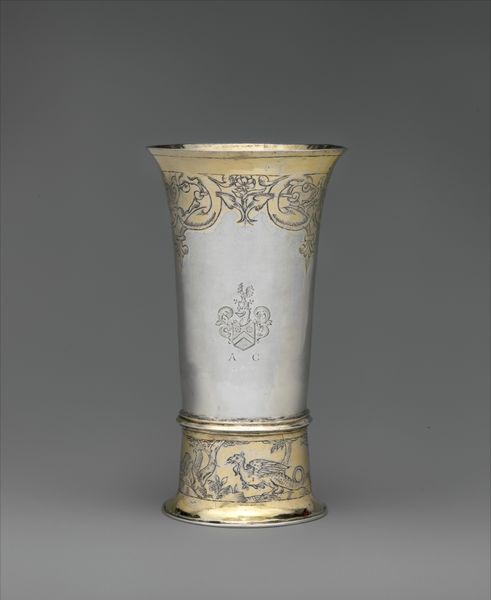
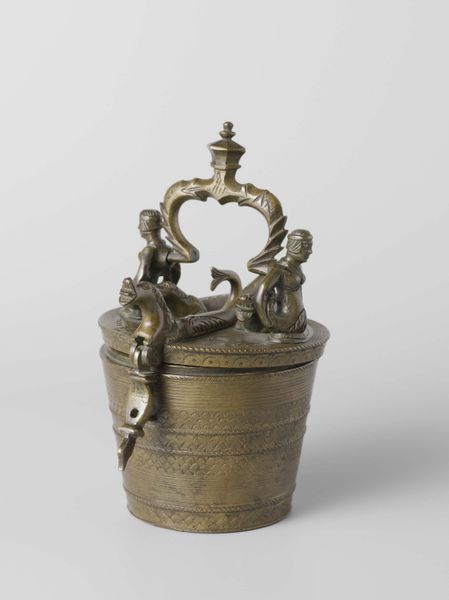
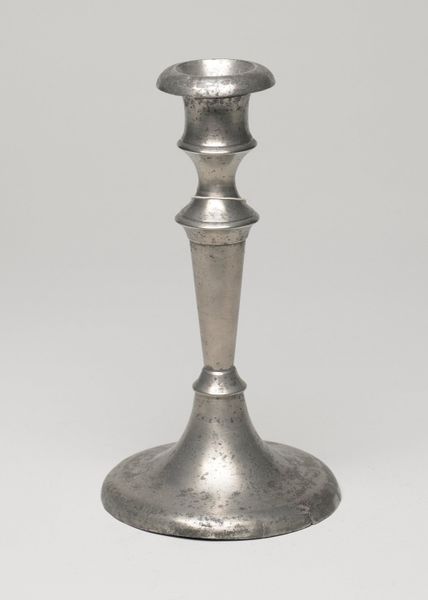
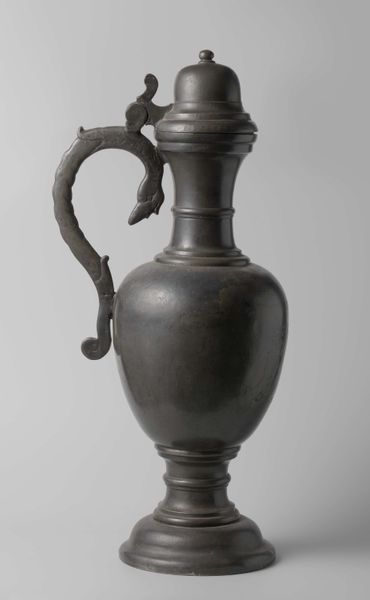
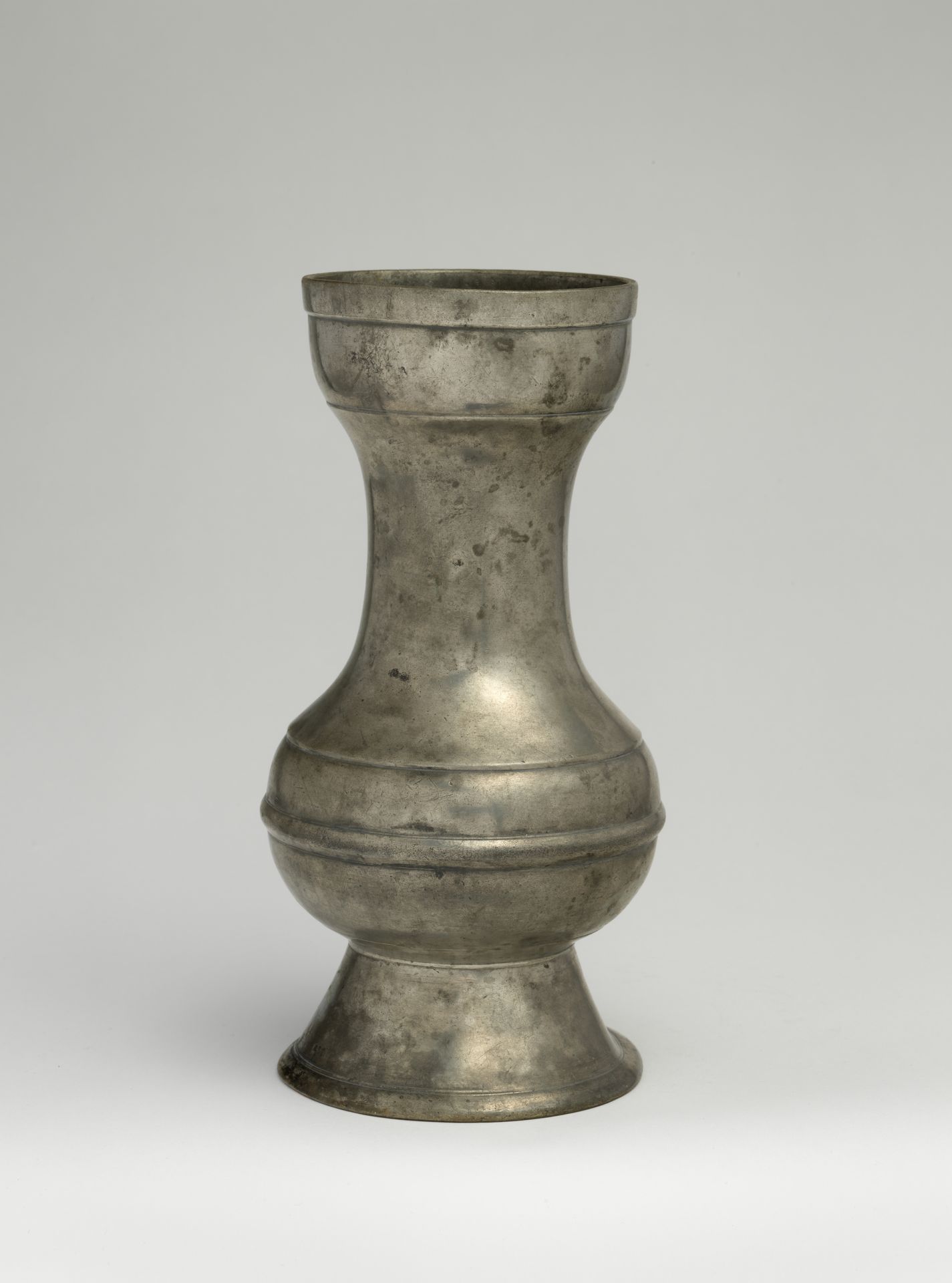
This is a pewter measure made by Carl Adolph Ferdinand Heidorn, a 19th-century German craftsman. Heidorn lived during a time of significant social and economic change, as the Industrial Revolution swept across Europe, transforming traditional crafts. Considered alongside the changing landscape of labor and production, this object takes on added resonance. While seemingly utilitarian, this measure embodies a tension between standardization and individual artistry. Heidorn’s choice of pewter reflects a commitment to traditional materials and craftsmanship, but it was increasingly being challenged by mass-produced goods. The measure’s form is simple, yet elegant, a testament to Heidorn's skill. We might think about how objects like this one shaped daily routines and rituals, reflecting societal values around precision and equity in trade. This measure prompts us to contemplate the human desire for order and fairness.