1893 - 1897
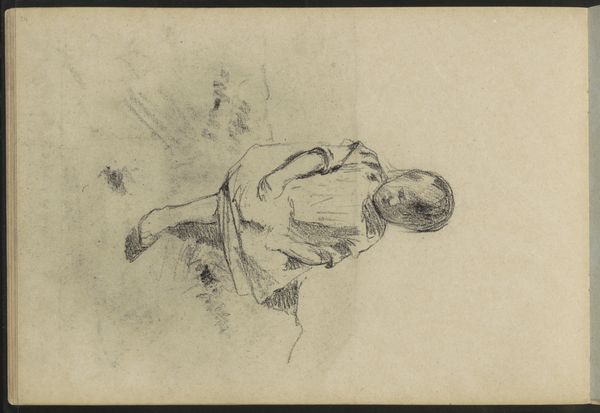
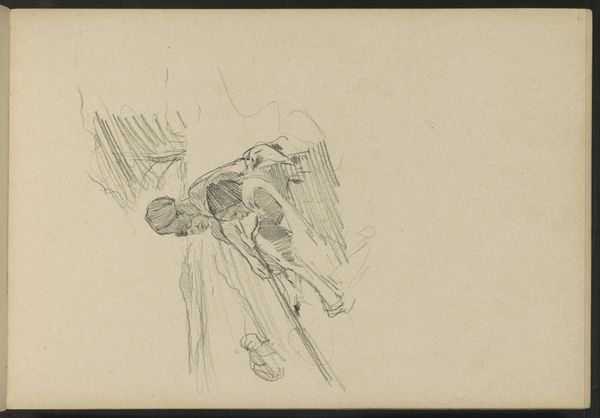
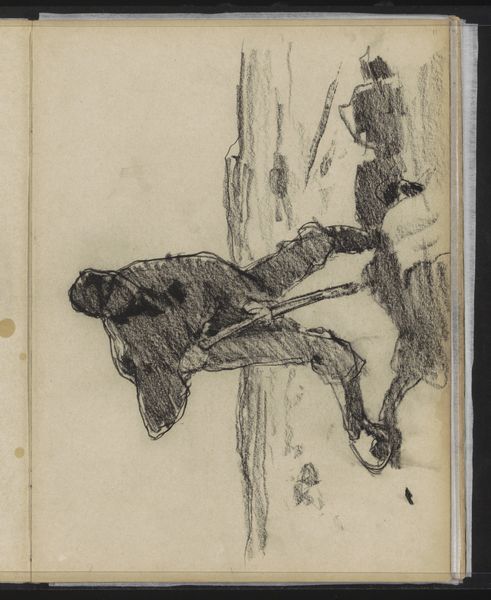
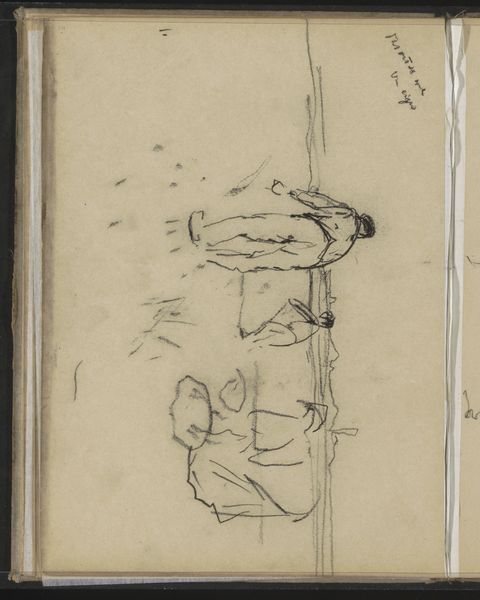
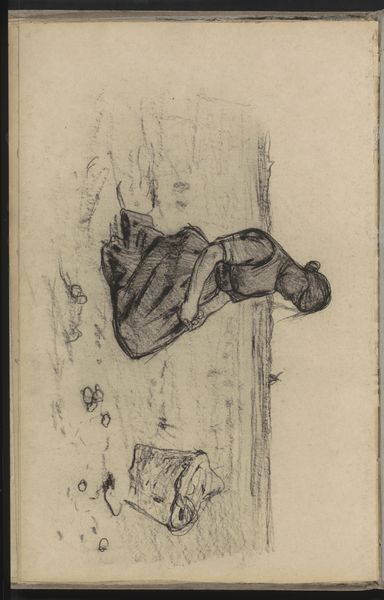
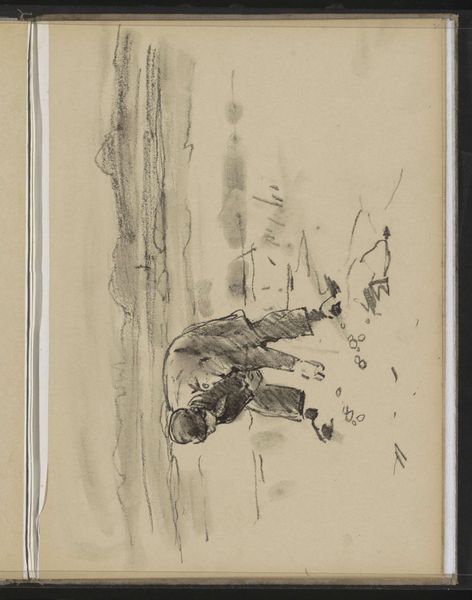
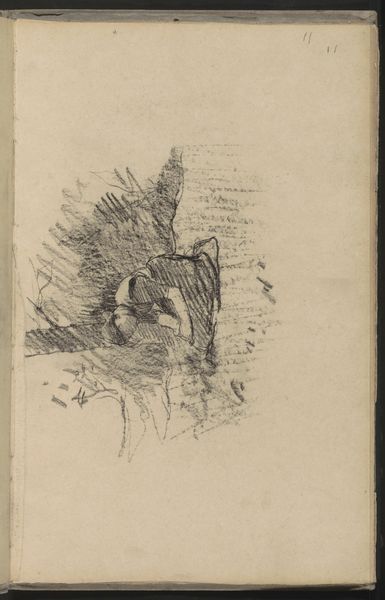
Bukkende boer op het land

Willem Witsen
1860 - 1923Location
RijksmuseumListen to curator's interpretation
Curatorial notes
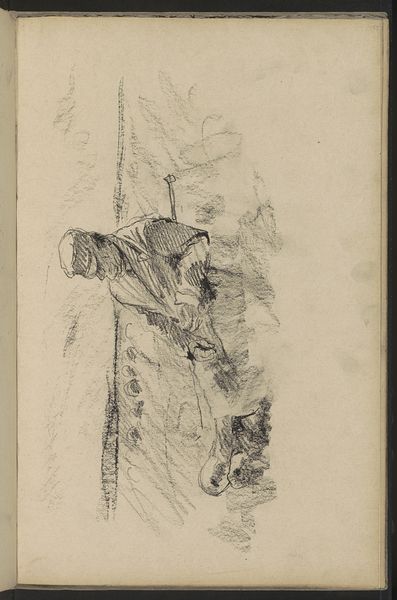
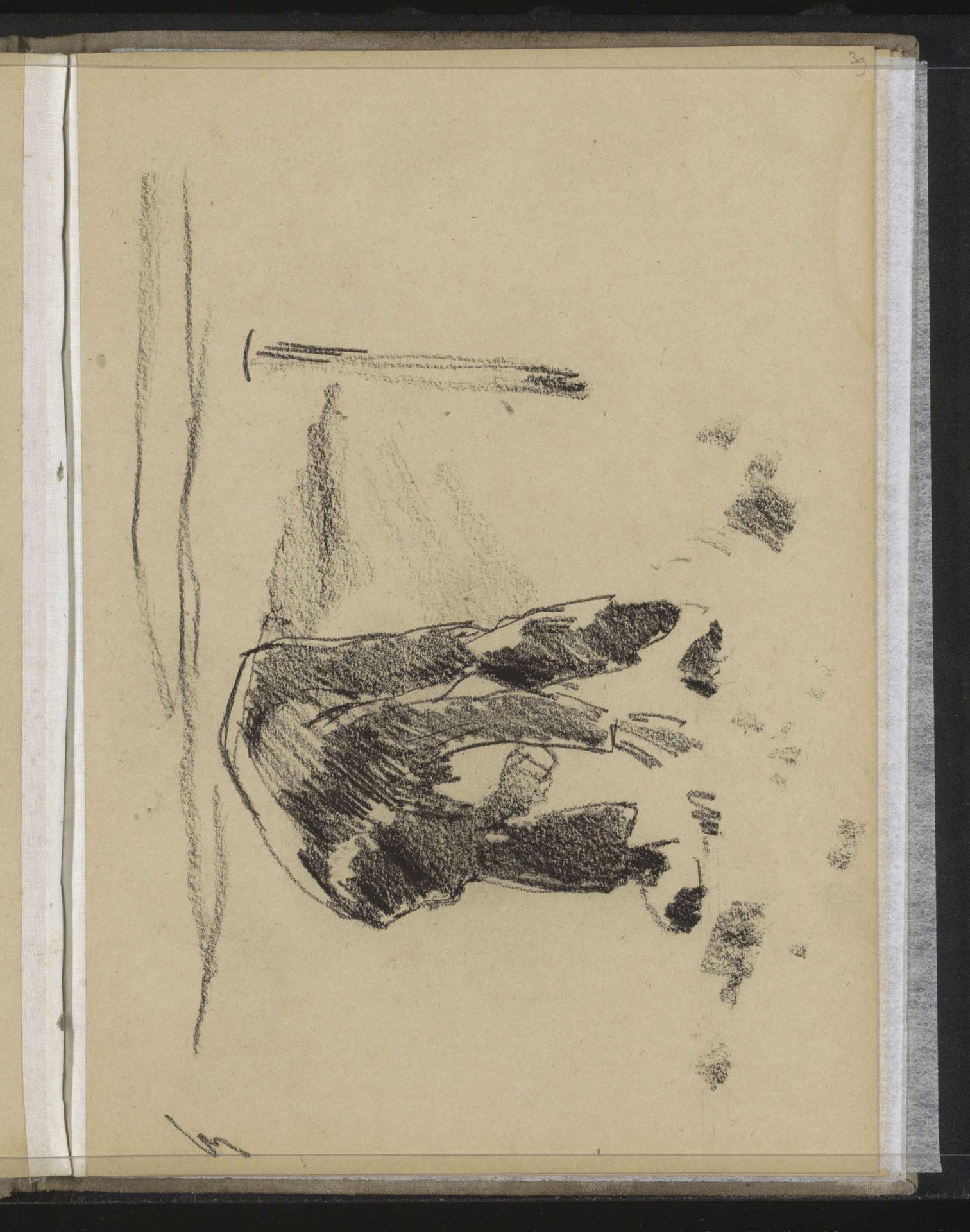
Willem Witsen sketched this ‘Bukkende boer op het land’ – or ‘Bowing Farmer in the Field’ – in charcoal on paper. The bowing figure is a motif laden with symbolism. Consider the act of bowing itself. Throughout history, across cultures, it signifies respect, humility, and acknowledgement of a higher power, be it earthly or divine. In ancient Egyptian art, we see figures bowing before pharaohs. In religious iconography, bowing is ubiquitous, a gesture directed towards deities. But what does it mean here? The farmer's bow may be interpreted as a sign of respect for nature's forces or an expression of the back-breaking toil that ties humans to the earth. The cyclical act of planting and harvesting may have subconscious roots in ancient agrarian societies. Through time, the bow continues to resonate, an emblem of both submission and resilience, echoing through our collective memory. The emotional and psychological weight of this image lies in the farmer’s humble stance, engaging us on a subconscious level, in a visual dialogue that spans millennia.