About this artwork
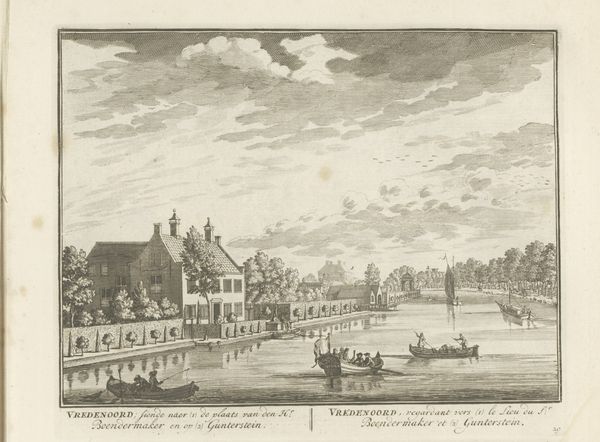
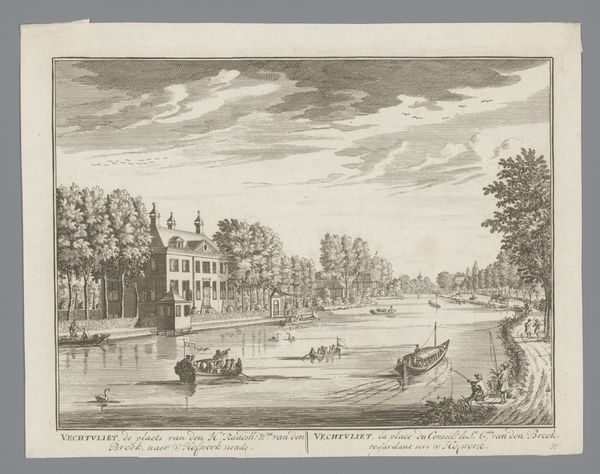
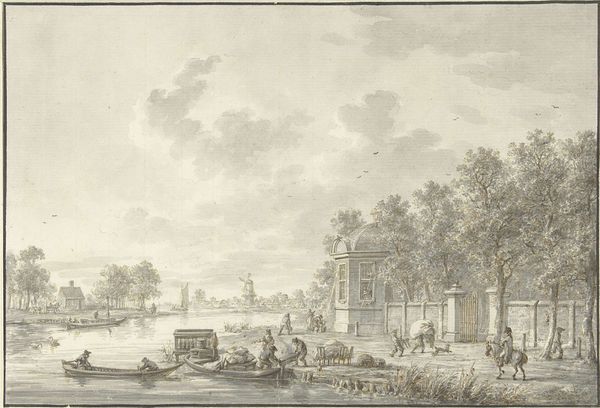
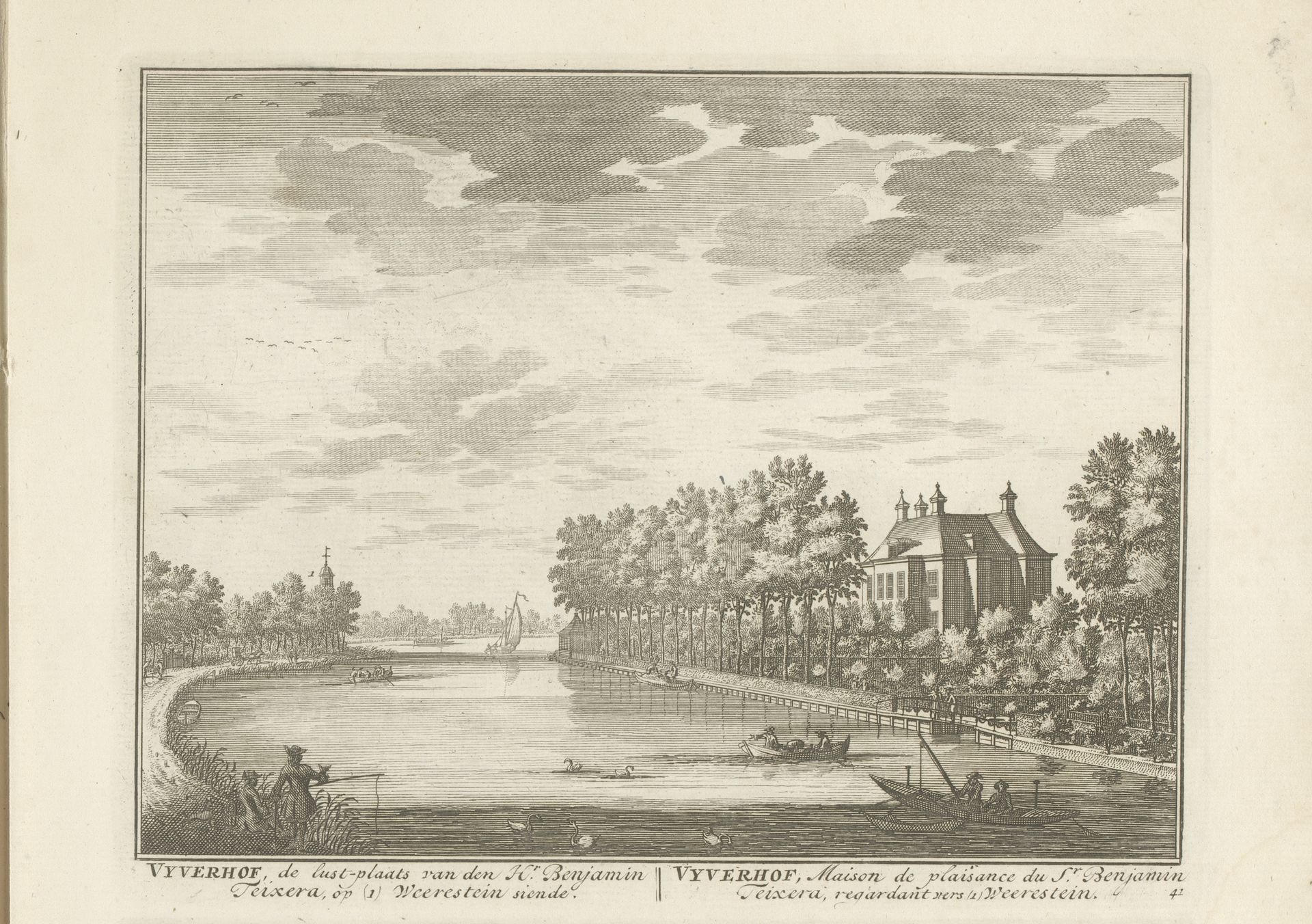
Daniël Stopendaal created this print, “Gezicht op de buitenhof Vijverhof aan de Vecht”, offering us a glimpse into the leisure and life of the Dutch elite during the late 17th and early 18th century. Stopendaal, working in a period defined by the rise of Dutch trade and colonialism, presents a scene of tranquility and wealth. The estate, owned by a member of the Texeira family, a Sephardic Jewish family with Portuguese origins, who gained prominence and fortune through banking and trade. The estate, here meticulously rendered, symbolizes not only financial success but also the family’s integration into the upper echelons of Dutch society. Consider the emotional landscape of this image; what did it mean for a family of Jewish heritage to display their affluence in a society marked by both tolerance and underlying prejudice? Stopendaal’s print serves as a window into a complex interplay of identity, assimilation, and representation. It reflects the negotiations of identity within the canvas of Dutch society.
Gezicht op de buitenhof Vijverhof aan de Vecht 1790

Daniël Stopendaal
1672 - 1726Location
RijksmuseumArtwork details
- Medium
- print, engraving
- Dimensions
- height 205 mm, width 162 mm
- Location
- Rijksmuseum
- Copyright
- Rijks Museum: Open Domain
Tags
neoclacissism
old engraving style
landscape
cityscape
engraving
Comments
No comments
About this artwork
Daniël Stopendaal created this print, “Gezicht op de buitenhof Vijverhof aan de Vecht”, offering us a glimpse into the leisure and life of the Dutch elite during the late 17th and early 18th century. Stopendaal, working in a period defined by the rise of Dutch trade and colonialism, presents a scene of tranquility and wealth. The estate, owned by a member of the Texeira family, a Sephardic Jewish family with Portuguese origins, who gained prominence and fortune through banking and trade. The estate, here meticulously rendered, symbolizes not only financial success but also the family’s integration into the upper echelons of Dutch society. Consider the emotional landscape of this image; what did it mean for a family of Jewish heritage to display their affluence in a society marked by both tolerance and underlying prejudice? Stopendaal’s print serves as a window into a complex interplay of identity, assimilation, and representation. It reflects the negotiations of identity within the canvas of Dutch society.
Comments
No comments