About this artwork
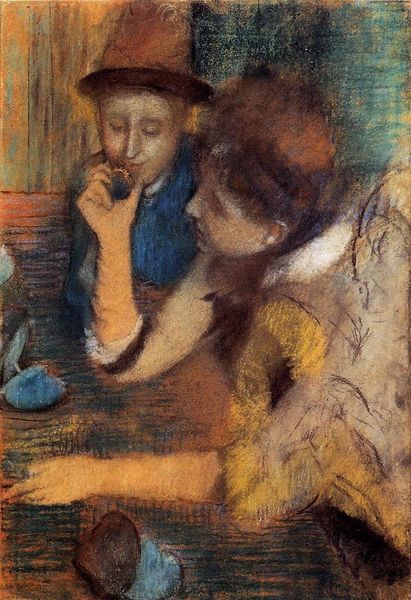
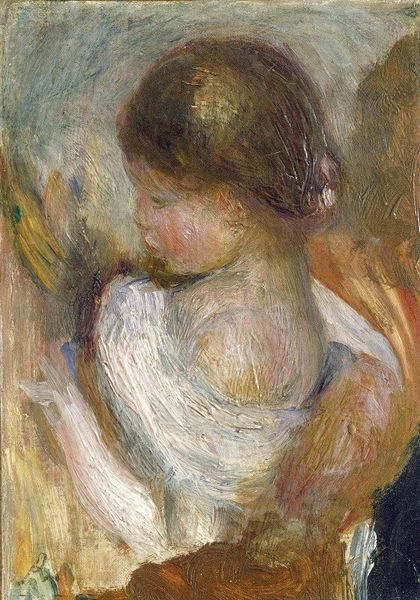
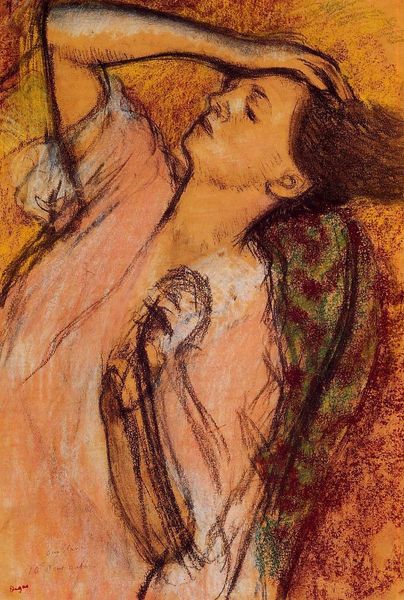
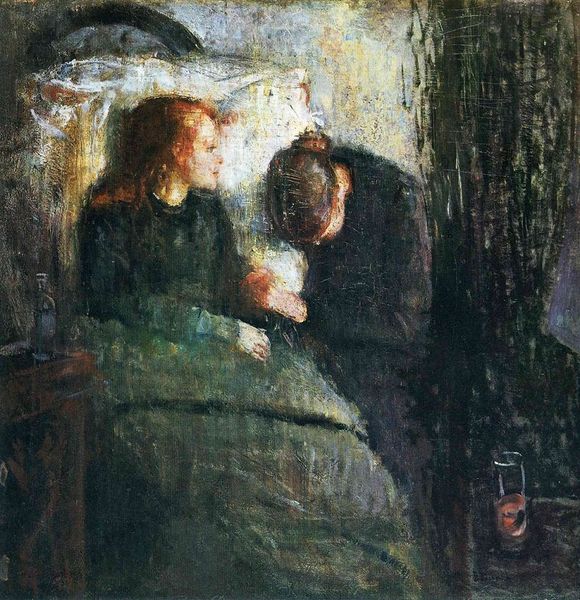
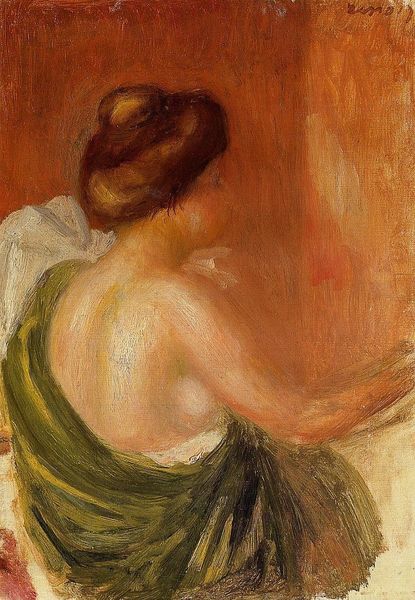
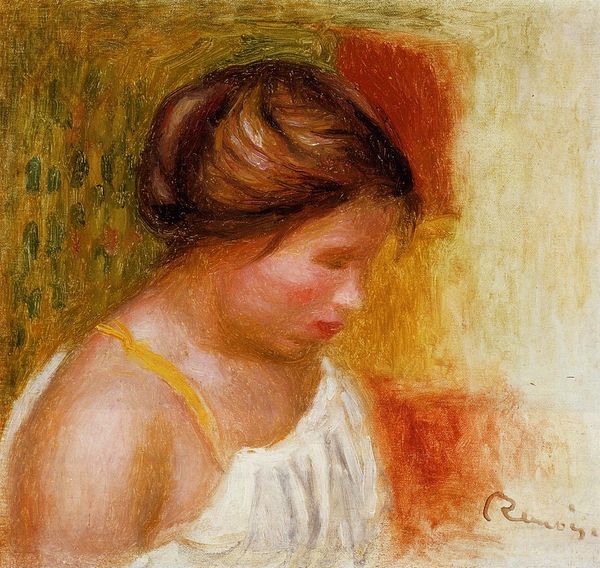
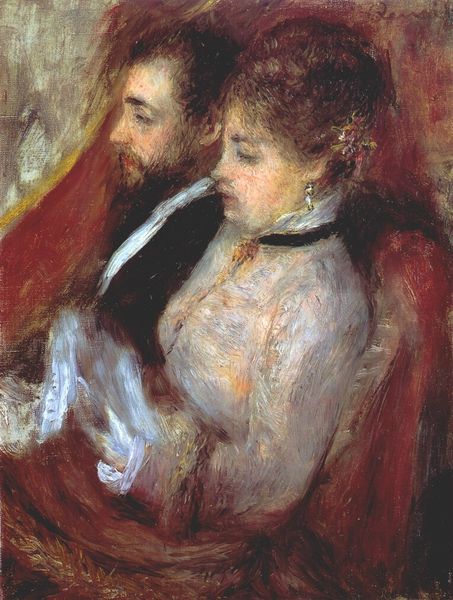
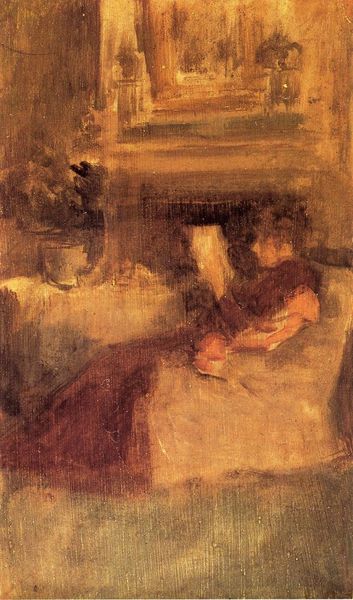
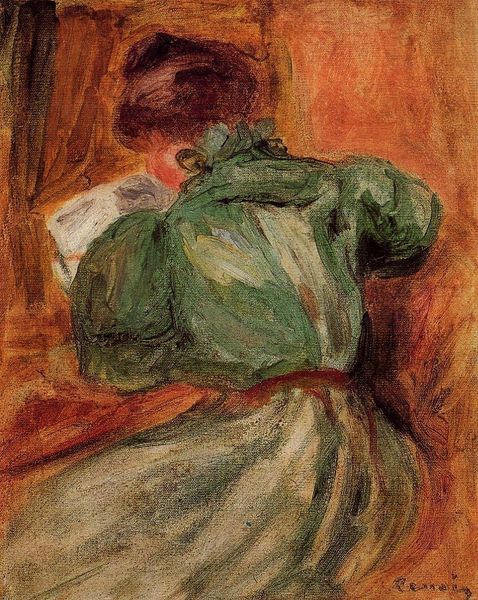
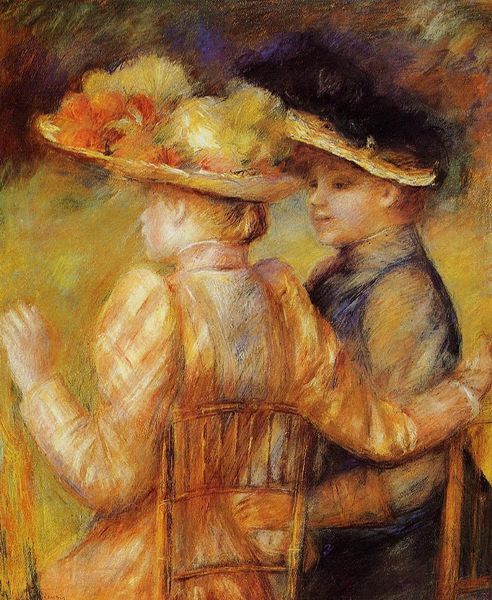
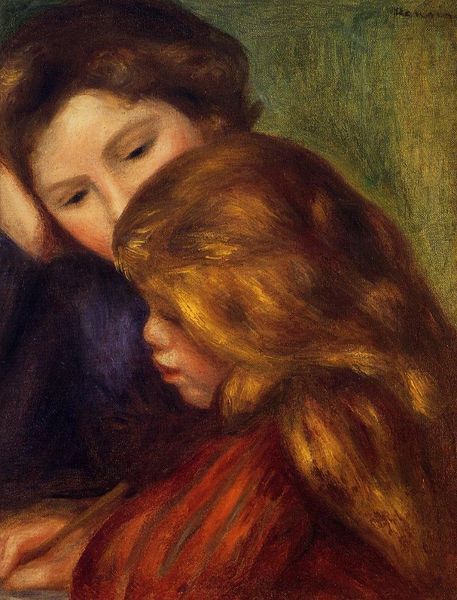
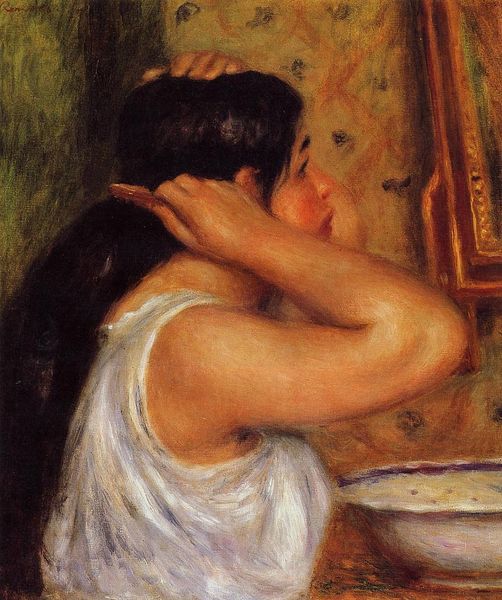
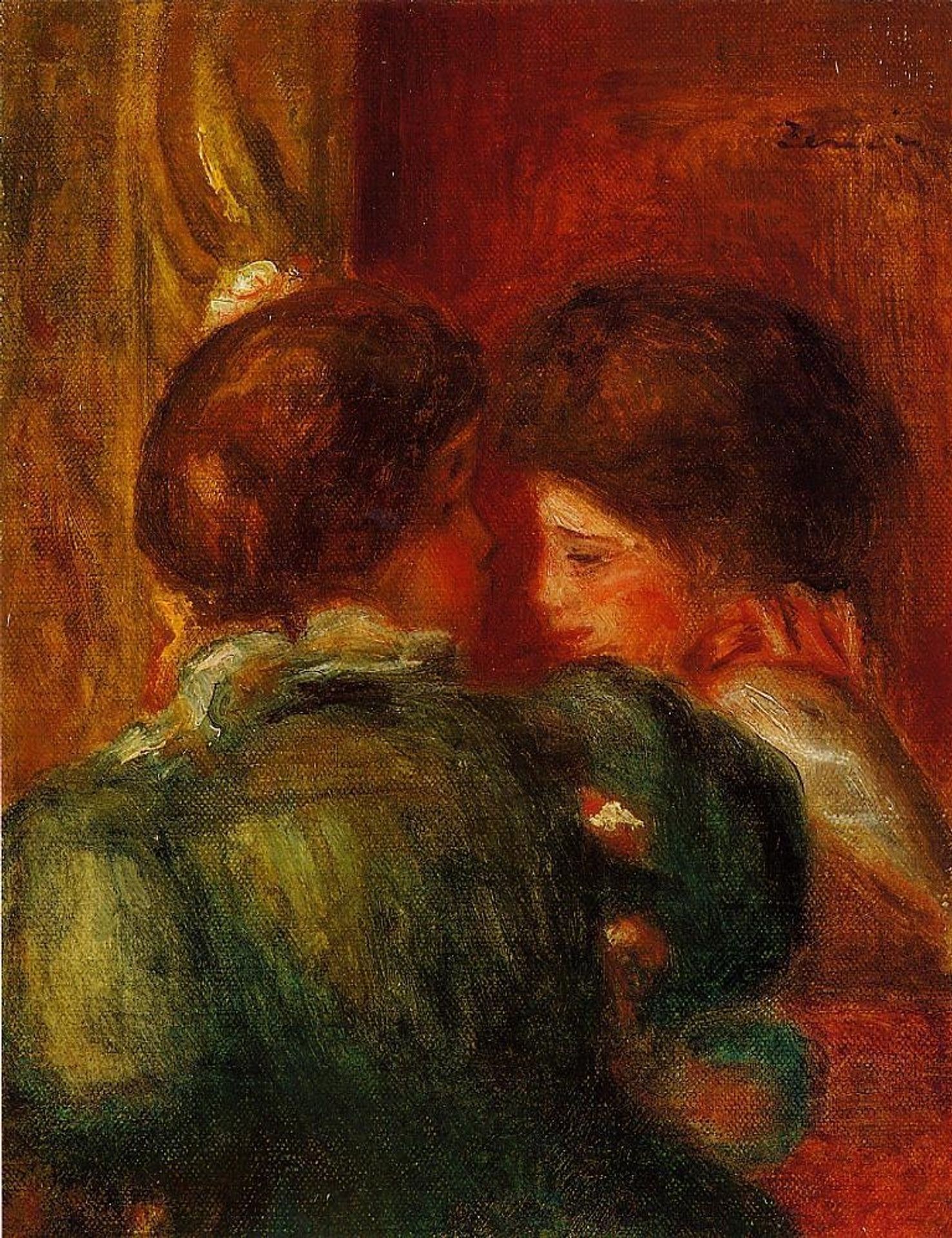
This painting, Two Women's Heads (The Loge) by Renoir, is, in essence, a fleeting moment captured in a storm of brushstrokes. It's like he's trying to catch smoke with a net. The colours are earthy, a mix of reds and greens, smudged together, creating this warm, hazy atmosphere. Looking closely, you can see how the paint is applied in these short, broken strokes. It’s as if he's not just painting the scene but also the light and the air around it. There’s a patch near the left woman's shoulder where the green seems to vibrate against the red of the background. It's a simple area, but it’s a powerful reminder of how colour and texture can evoke emotion. It’s this attention to the materiality of paint that connects Renoir to later artists like Bonnard, who similarly prioritized the sensual experience of colour over strict representation. In the end, this painting is less about what we see and more about how we feel.

Artwork details
- Location
- Private Collection
- Copyright
- Public domain
Tags
abstract painting
possibly oil pastel
oil painting
acrylic on canvas
animal drawing portrait
portrait drawing
facial portrait
portrait art
fine art portrait
digital portrait
Comments
No comments
About this artwork
This painting, Two Women's Heads (The Loge) by Renoir, is, in essence, a fleeting moment captured in a storm of brushstrokes. It's like he's trying to catch smoke with a net. The colours are earthy, a mix of reds and greens, smudged together, creating this warm, hazy atmosphere. Looking closely, you can see how the paint is applied in these short, broken strokes. It’s as if he's not just painting the scene but also the light and the air around it. There’s a patch near the left woman's shoulder where the green seems to vibrate against the red of the background. It's a simple area, but it’s a powerful reminder of how colour and texture can evoke emotion. It’s this attention to the materiality of paint that connects Renoir to later artists like Bonnard, who similarly prioritized the sensual experience of colour over strict representation. In the end, this painting is less about what we see and more about how we feel.
Comments
No comments