About this artwork
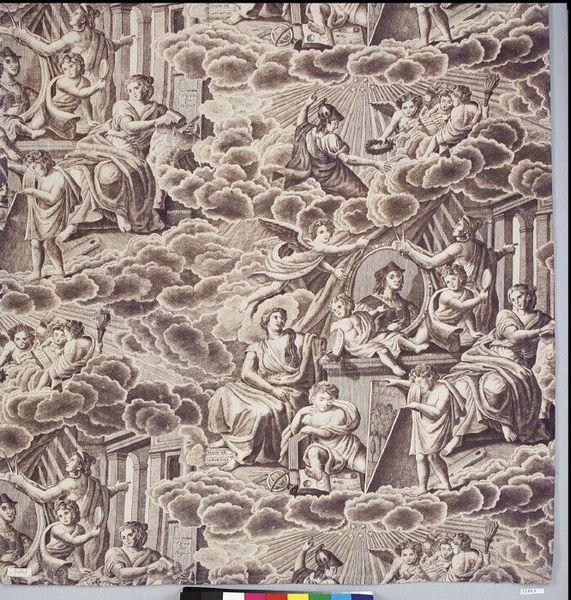
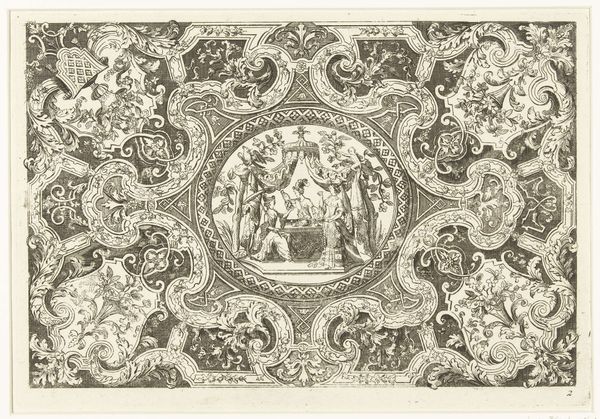
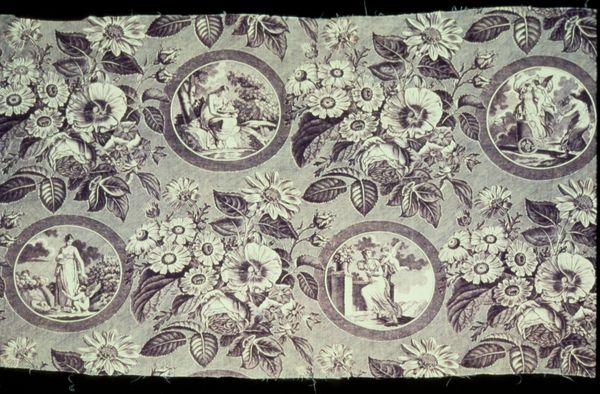
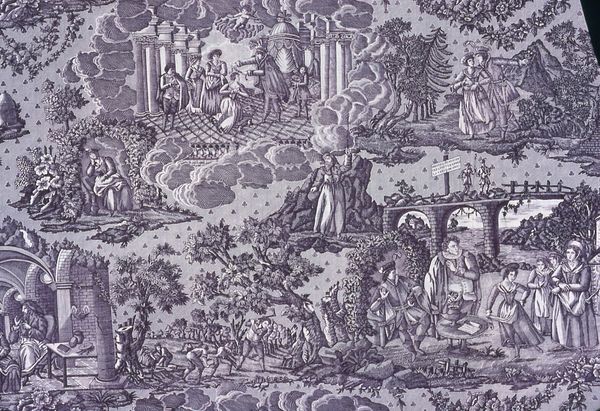
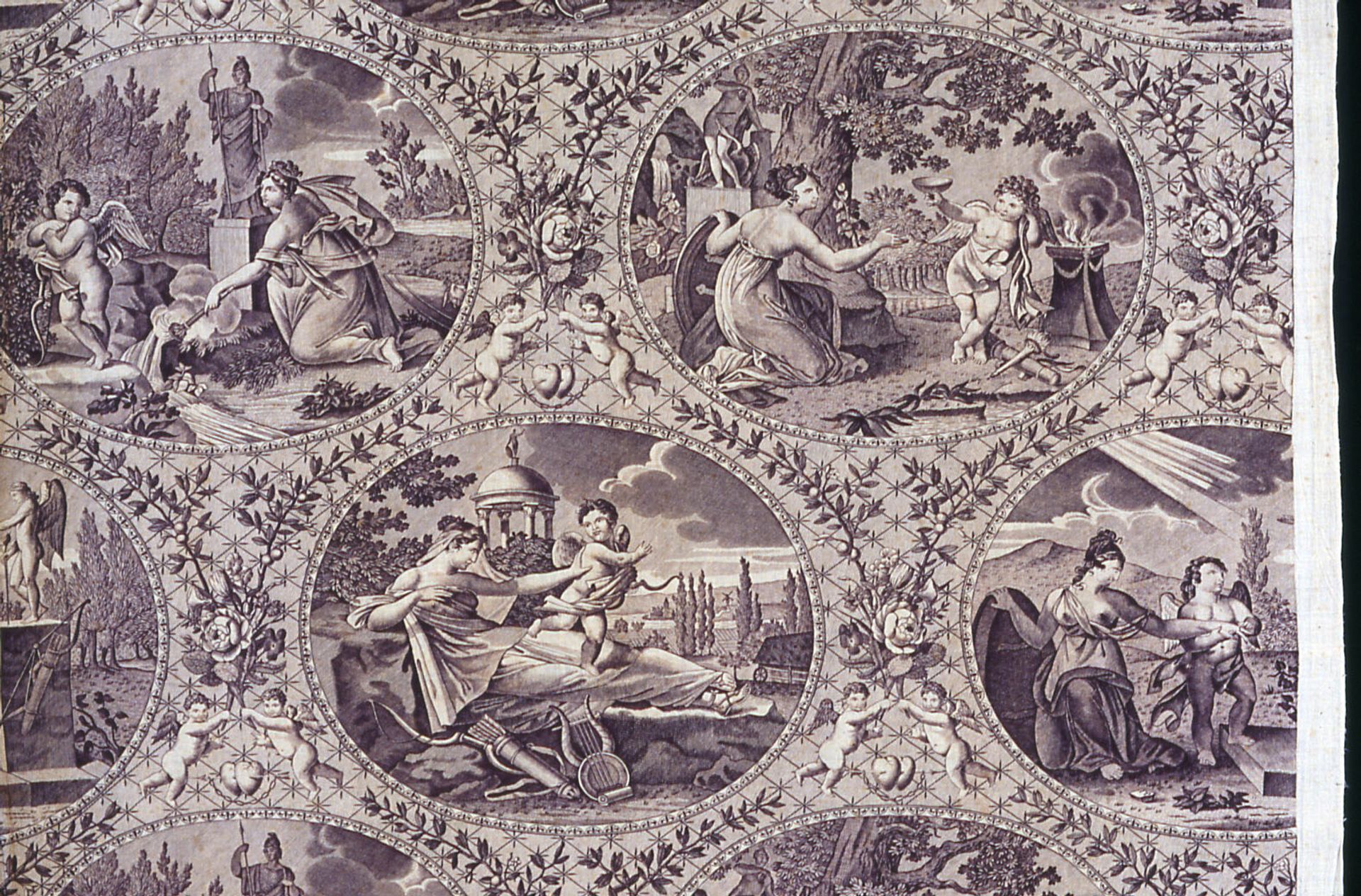
This monochromatic furnishing fabric titled, "Allegorie à l'Amour (Homage to Love)," was made by Favre, Petitpierre et Cie. The fabric presents a scene of classical allegory, a popular subject in the decorative arts. Allegorical imagery often served to ennoble the activities of the wealthy. The repetition of the pattern speaks to the mechanization of production, and the increased availability of luxury textiles. These allegories are made accessible to the wider population by the industrial processes behind their creation. To understand the significance of this work, it would be beneficial to research the design books and pattern books of the period. These resources can provide insight into the symbolic language of the time and allow a deeper appreciation of the social and institutional forces in which art is made.
Allegorie à l'Amour (Homage to Love) (Furnishing Fabric) c. 1815

Favre, Petitpierre et Cie
@favrepetitpierreetcie
The Art Institute of Chicago
The Art Institute of ChicagoArtwork details
- Medium
- print, weaving, textile, engraving
- Dimensions
- 236.1 × 86.7 cm (93 × 34 1/8 in.) Warp repeat: 47.5 cm (18 3/4 in.)
- Location
- The Art Institute of Chicago
- Copyright
- Public Domain
Tags
neoclacissism
allegory
weaving
landscape
textile
figuration
text
engraving
Comments
No comments
About this artwork
This monochromatic furnishing fabric titled, "Allegorie à l'Amour (Homage to Love)," was made by Favre, Petitpierre et Cie. The fabric presents a scene of classical allegory, a popular subject in the decorative arts. Allegorical imagery often served to ennoble the activities of the wealthy. The repetition of the pattern speaks to the mechanization of production, and the increased availability of luxury textiles. These allegories are made accessible to the wider population by the industrial processes behind their creation. To understand the significance of this work, it would be beneficial to research the design books and pattern books of the period. These resources can provide insight into the symbolic language of the time and allow a deeper appreciation of the social and institutional forces in which art is made.
Comments
No comments