About this artwork
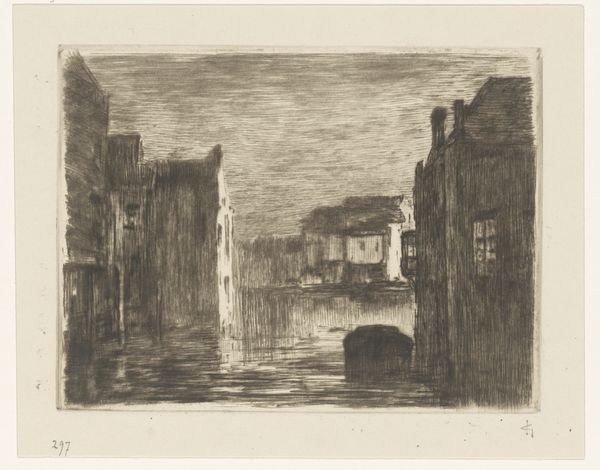
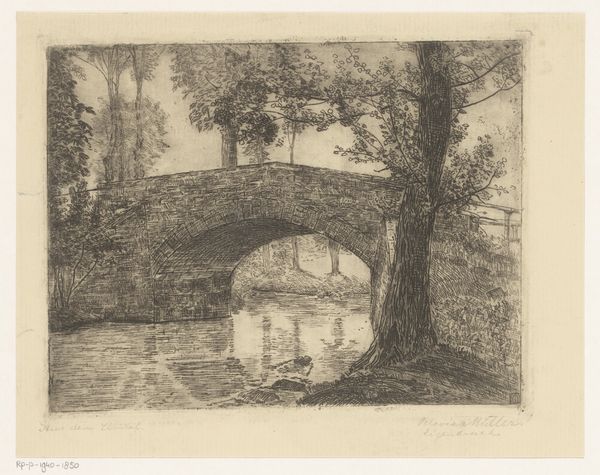
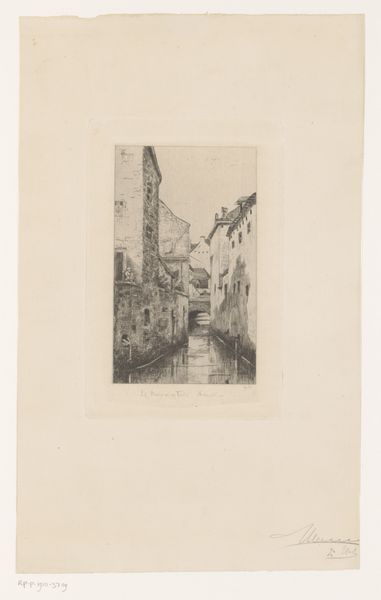
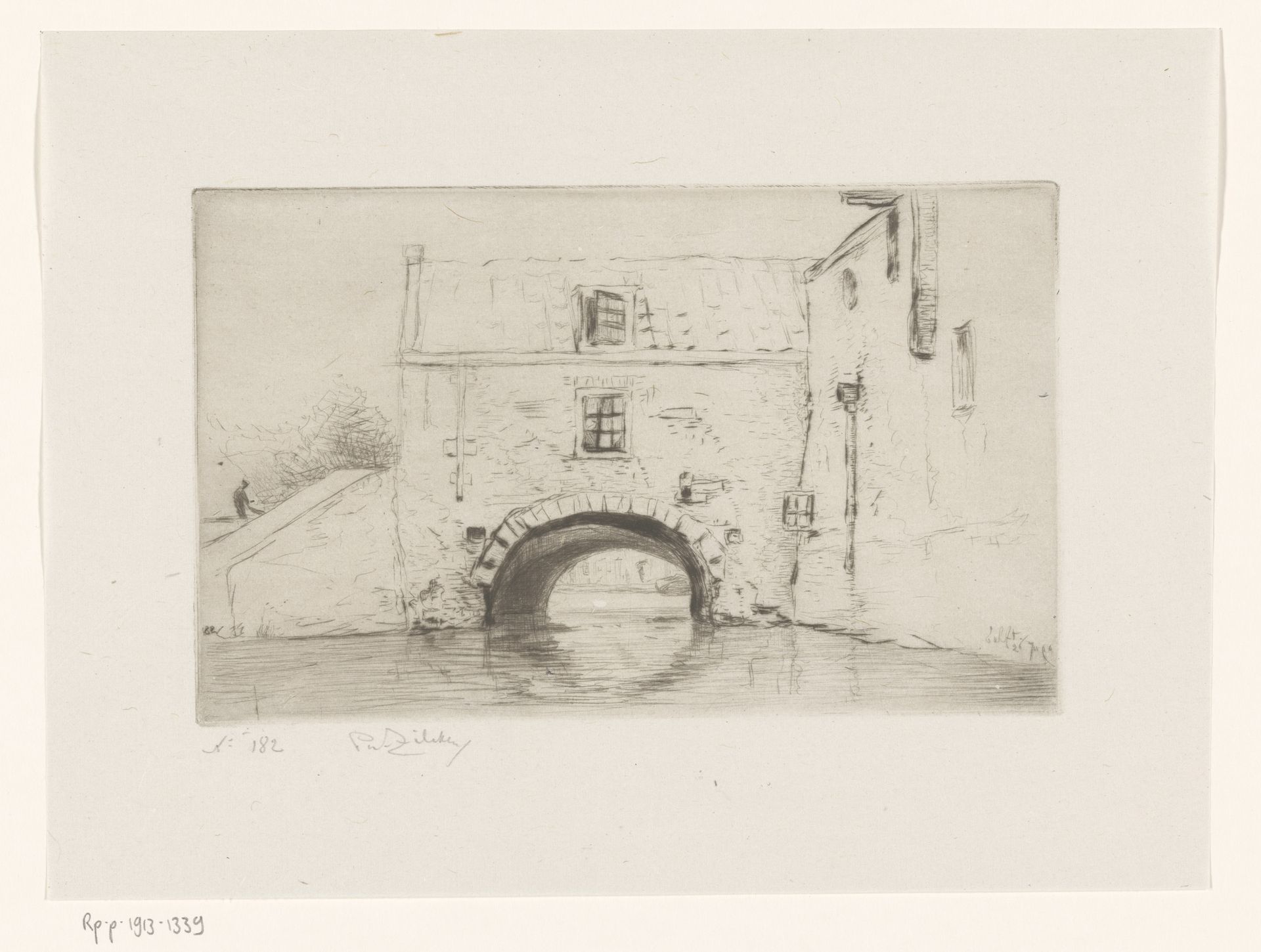
Philip Zilcken made this etching of the Oostpoort in Delft at an unknown date. This print provides a glimpse into Dutch urban life, focusing on the architectural elements that defined its cities. Zilcken's choice of subject matter reflects the cultural values of the Netherlands at the time. The Oostpoort, once a functional city gate, has become a celebrated landmark, signifying Dutch resilience. The buildings are rendered in a way that emphasizes their solidity. Zilcken captures the quiet, everyday life along the canal. The scene may appear tranquil, but the image invites us to consider the role of infrastructure in shaping social experience. To understand this artwork fully, we can consult historical archives, urban planning documents, and studies of Dutch art and social history. These resources allow us to interpret the cultural and historical context, thus enriching our appreciation of Zilcken's work and its significance within Dutch society.
Gezicht vanaf de gracht op de Oostpoort, te Delft
Possibly 1890 - 1896

Philip Zilcken
1857 - 1930Location
RijksmuseumArtwork details
- Medium
- drawing, print, etching
- Dimensions
- height 130 mm, width 210 mm
- Location
- Rijksmuseum
- Copyright
- Rijks Museum: Open Domain
Tags
drawing
etching
landscape
etching
cityscape
realism
Comments
Be the first to share your thoughts about this work.
About this artwork
Philip Zilcken made this etching of the Oostpoort in Delft at an unknown date. This print provides a glimpse into Dutch urban life, focusing on the architectural elements that defined its cities. Zilcken's choice of subject matter reflects the cultural values of the Netherlands at the time. The Oostpoort, once a functional city gate, has become a celebrated landmark, signifying Dutch resilience. The buildings are rendered in a way that emphasizes their solidity. Zilcken captures the quiet, everyday life along the canal. The scene may appear tranquil, but the image invites us to consider the role of infrastructure in shaping social experience. To understand this artwork fully, we can consult historical archives, urban planning documents, and studies of Dutch art and social history. These resources allow us to interpret the cultural and historical context, thus enriching our appreciation of Zilcken's work and its significance within Dutch society.
Comments
Be the first to share your thoughts about this work.