1861
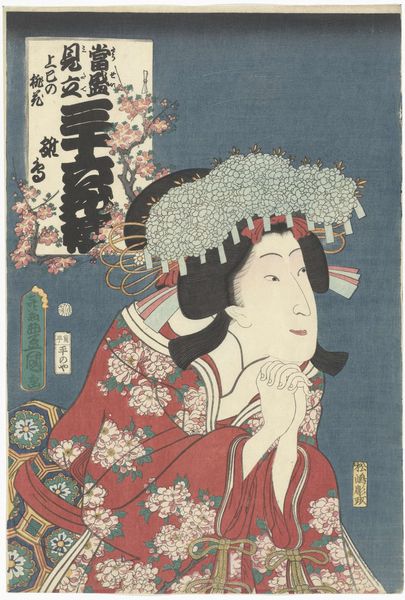
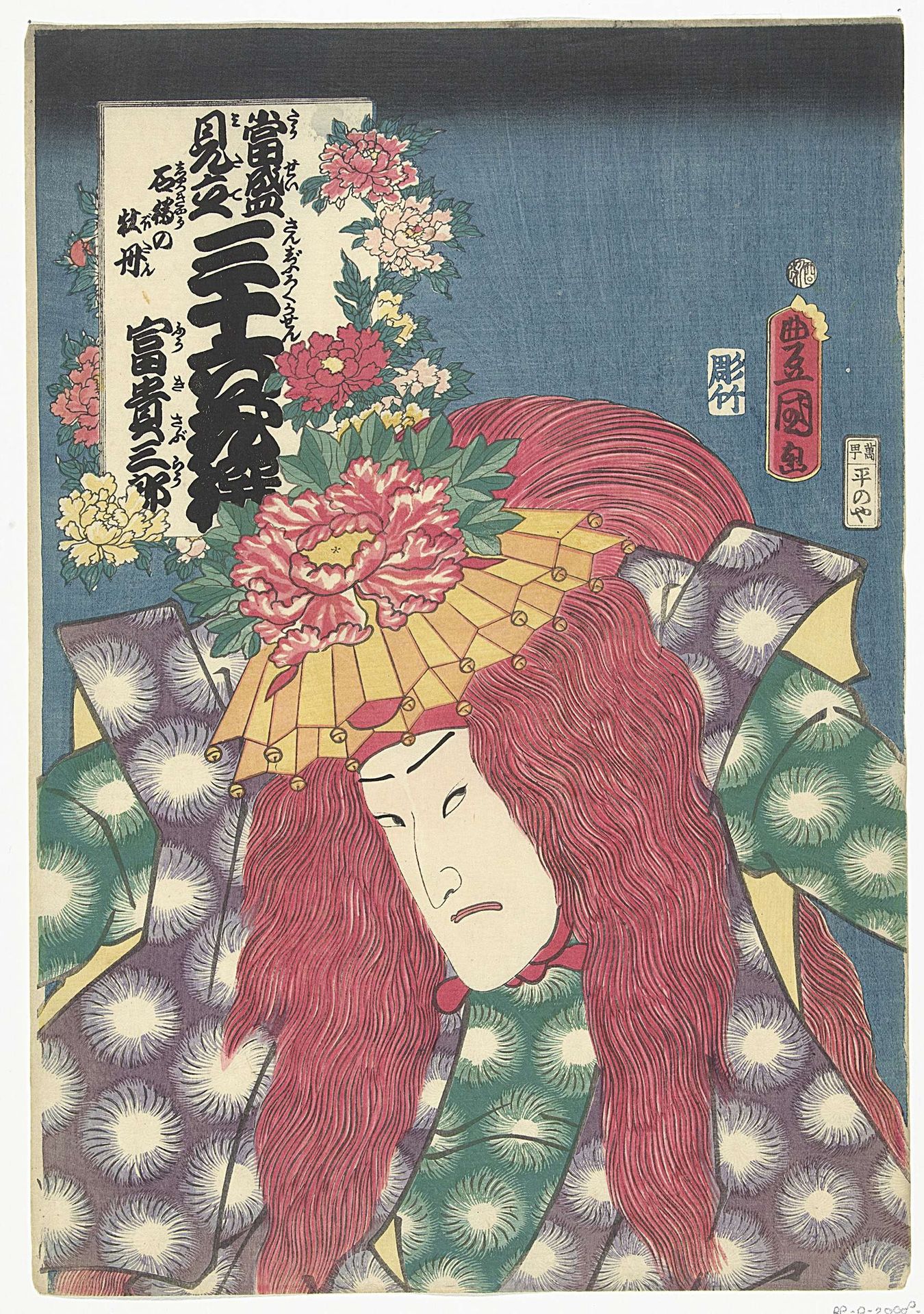
Pioenrozen van Shakkyo

Utagawa Kunisada
1786 - 1865Location
RijksmuseumListen to curator's interpretation
Curatorial notes
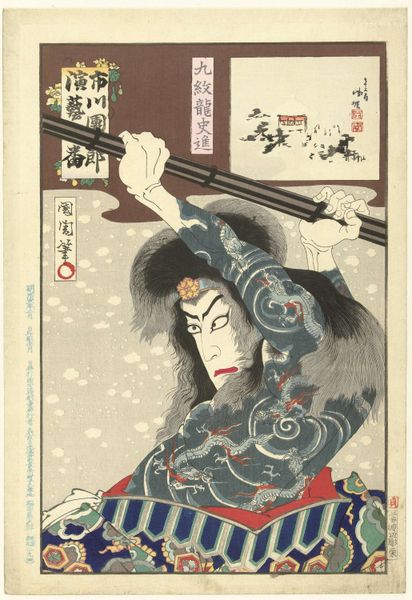
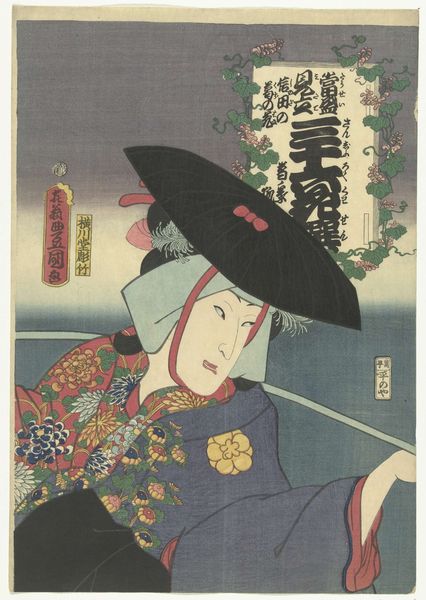
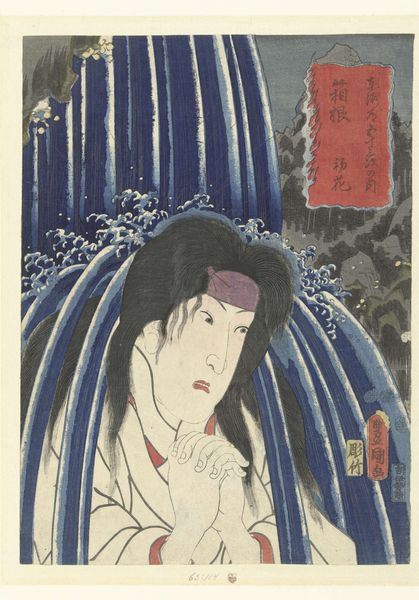
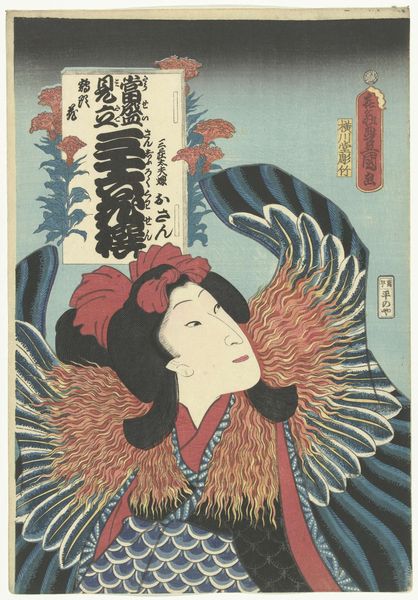
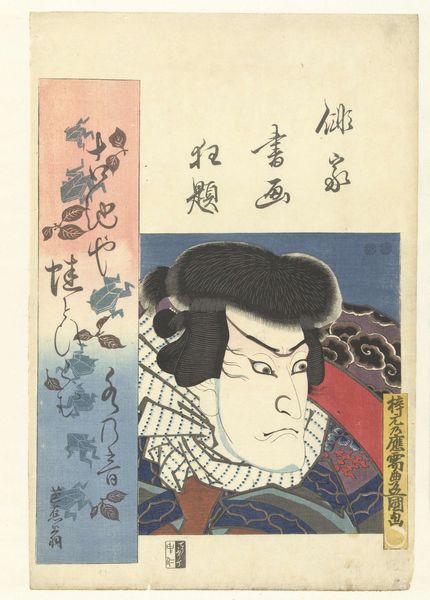
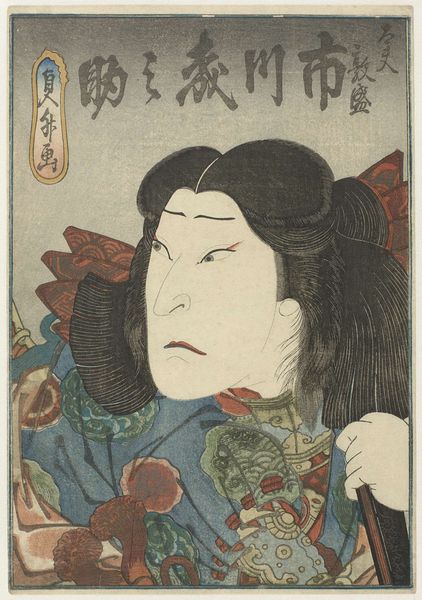
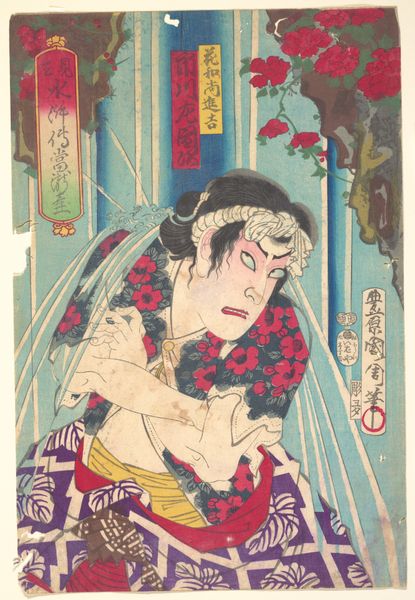
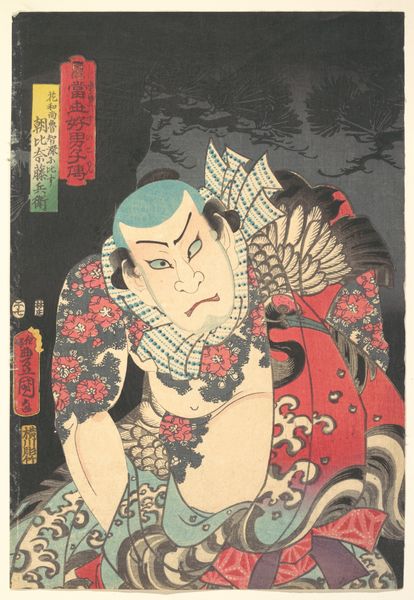
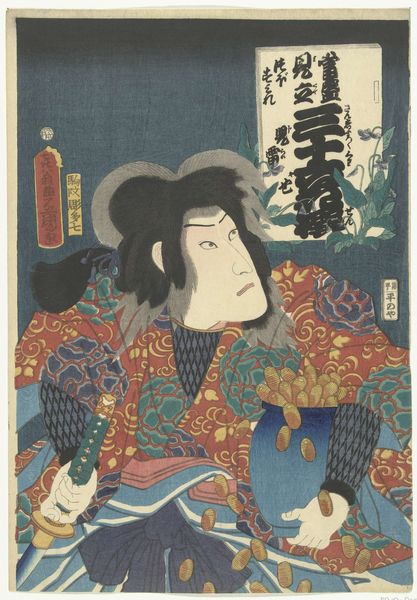
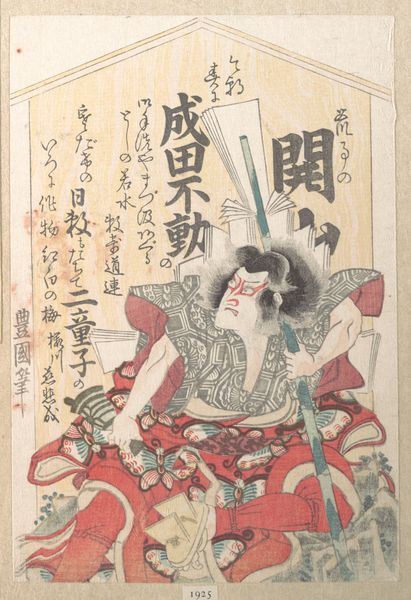
Utagawa Kunisada created this woodblock print, Pioenrozen van Shakkyo, or Peonies of Shakkyo, in 19th century Japan. The print depicts a kabuki actor in costume, likely portraying a character in a specific play. Kabuki theatre had a significant social role in Japan during this period. It provided entertainment for a broad audience, from the working classes to the elite. The imagery in these prints weren't merely decorative; they were key to constructing and reinforcing social identities. The actor's elaborate costume, makeup, and hairstyle all signified his role and status within the play, helping audiences interpret the narrative and its social commentary. To understand this print fully, we can turn to historical records, playbills, and costume designs to learn more about the kabuki tradition. These resources can provide a richer understanding of the print's meaning as it relates to its original social and institutional context.