About this artwork
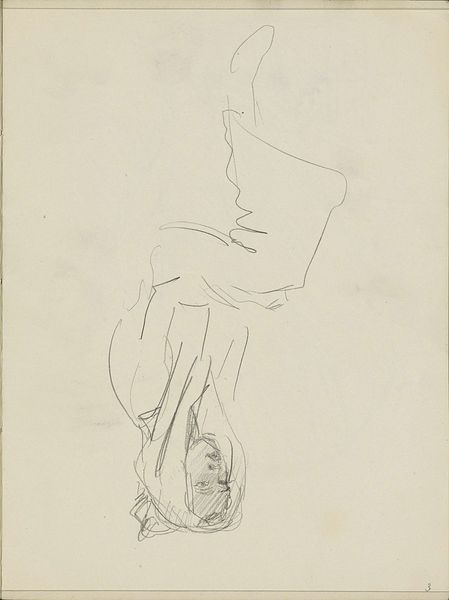
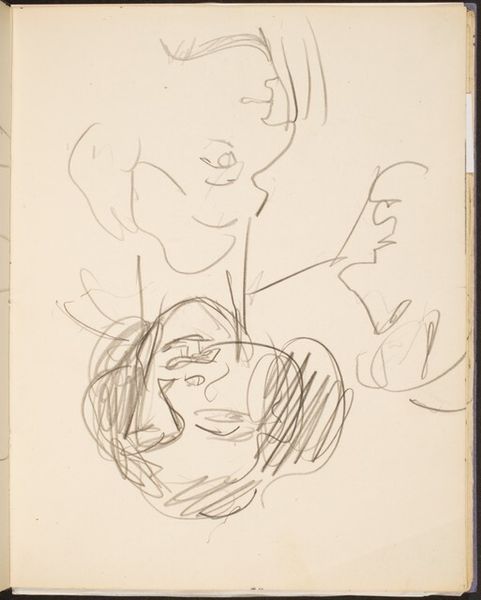
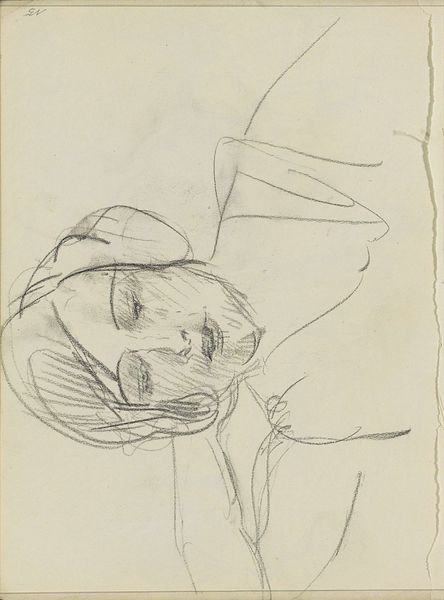
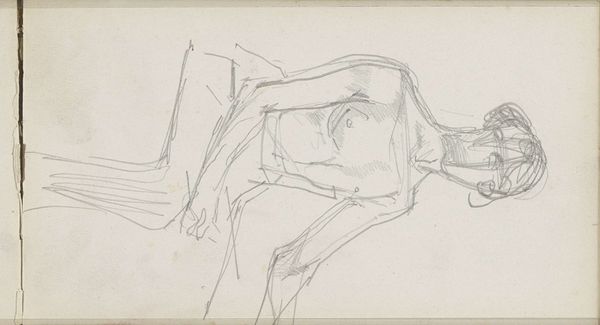
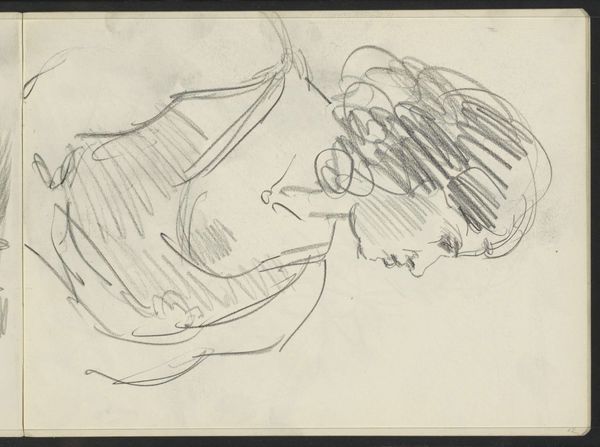
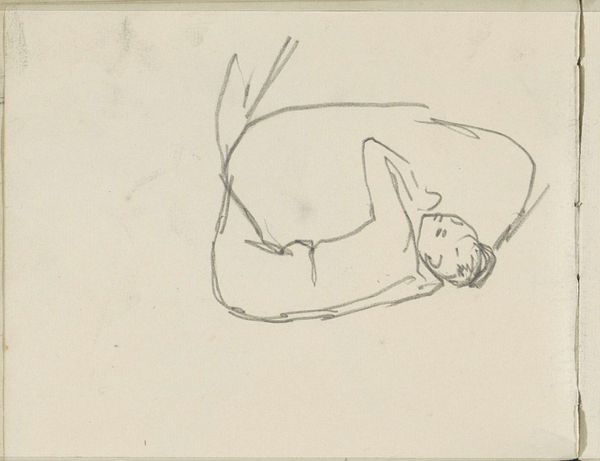
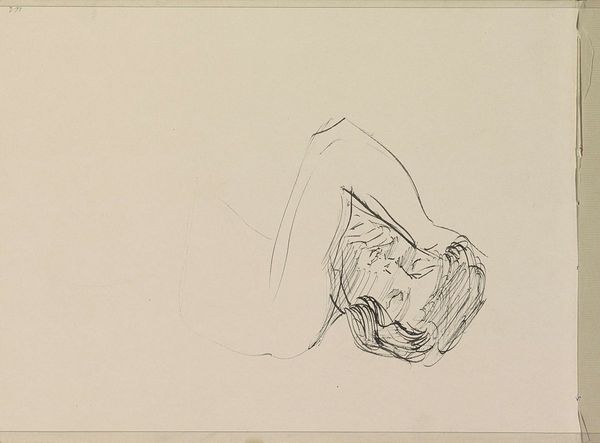
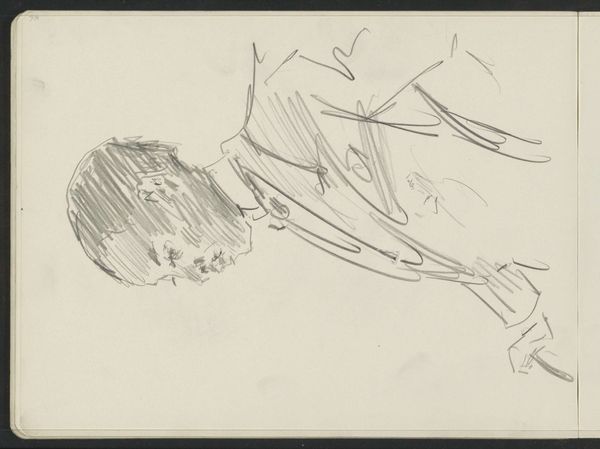
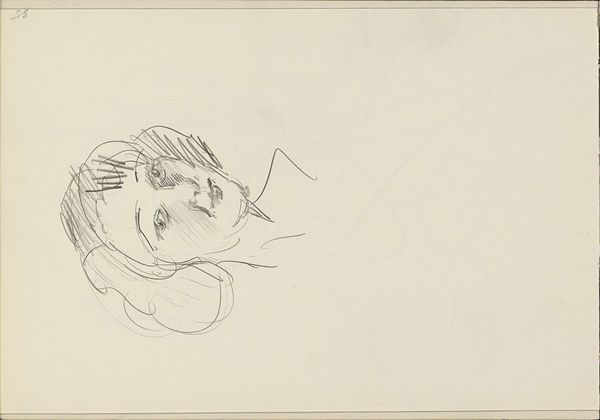
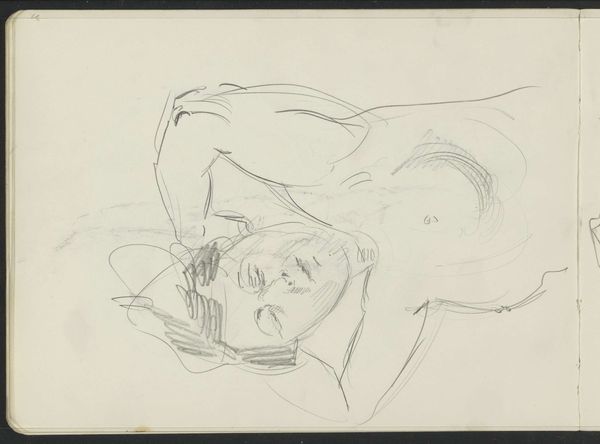
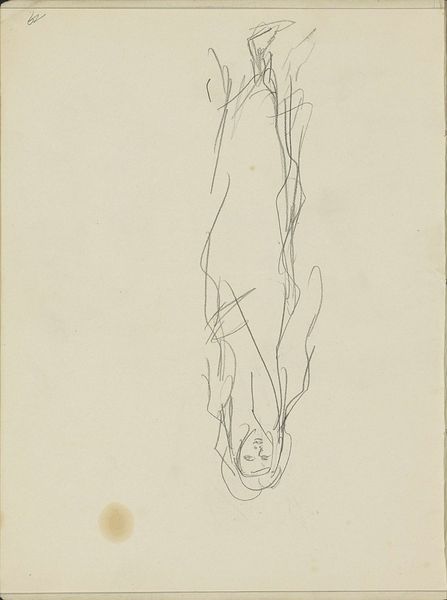
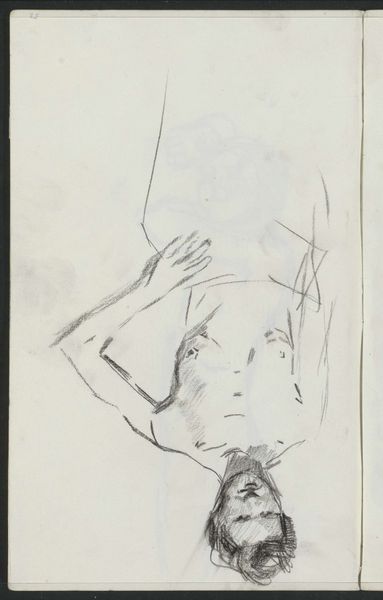
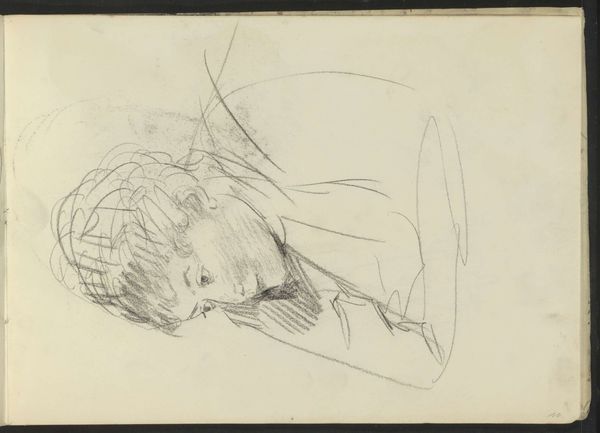
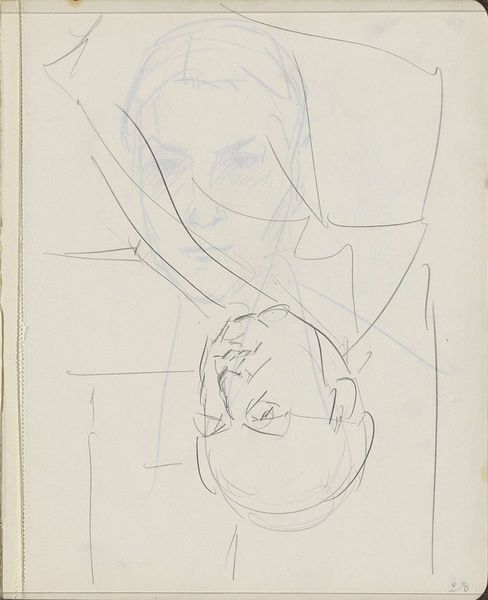
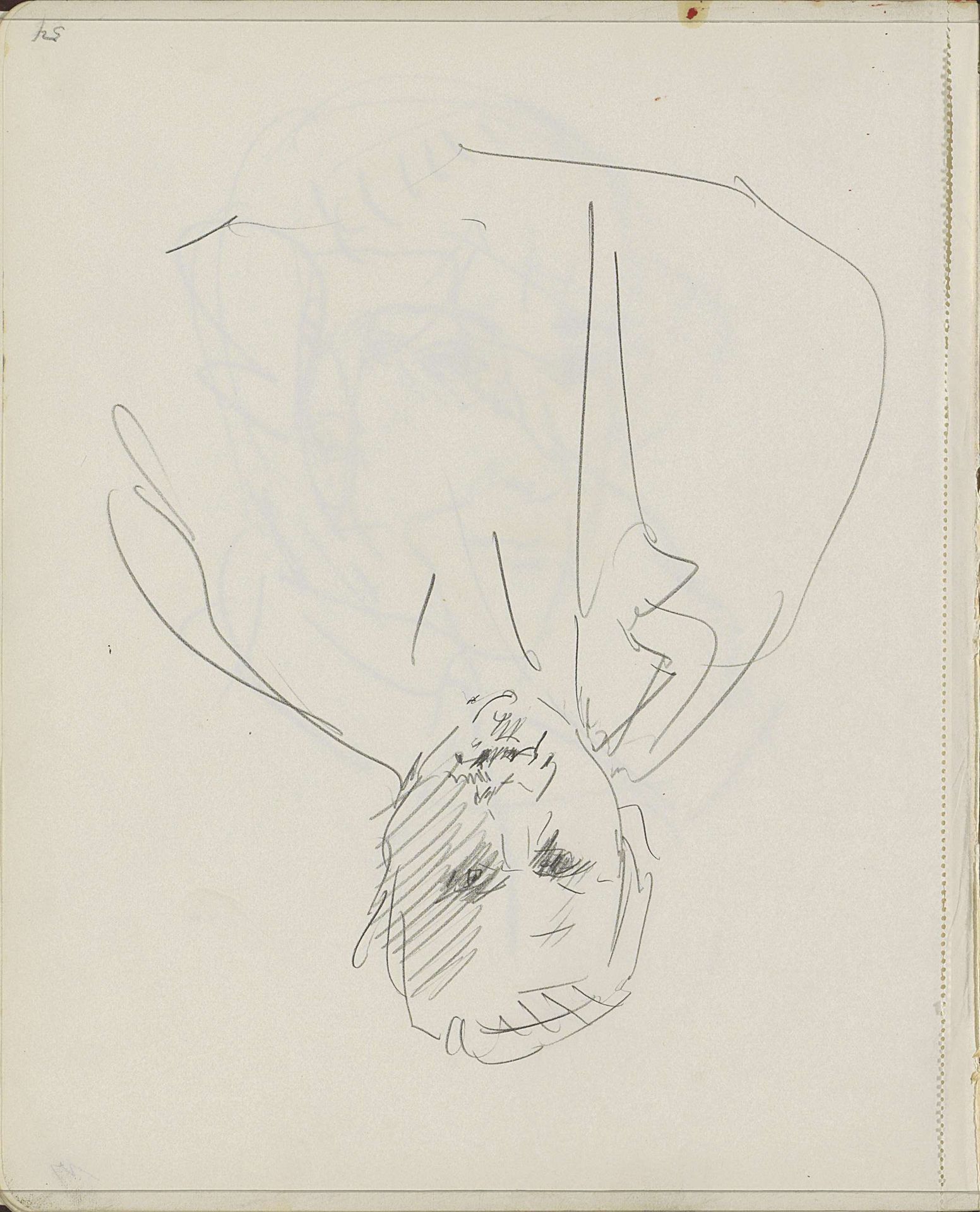
Isaac Israels made this sketchy drawing, Figuur, ten halven lijve, with pencil on paper. What strikes me is the economy of line, like a jazz solo, where every note counts, but it’s the space *between* the notes that really sings. Look at how the shading around the eyes isn't about perfect representation; it's about capturing a mood, an impression. There’s something so vulnerable about the hatch marks creating the shadowed side of his face. It’s like the artist is saying, "Here’s a person, not a perfect image, but a feeling." This drawing reminds me of some of Degas' quick sketches, where the figure emerges from a flurry of lines. Like Degas, Israels seems more interested in the act of seeing than in the final product. It’s about the *process* of looking, not just what is looked at. It’s a conversation, an ongoing exploration, and a reminder that art is about asking questions, not just answering them.

Artwork details
- Medium
- drawing, pencil
- Location
- Rijksmuseum
- Copyright
- Rijks Museum: Open Domain
Tags
portrait
drawing
amateur sketch
toned paper
light pencil work
pencil sketch
incomplete sketchy
figuration
personal sketchbook
idea generation sketch
ink drawing experimentation
pencil
sketchbook drawing
sketchbook art
realism
Comments
No comments
About this artwork
Isaac Israels made this sketchy drawing, Figuur, ten halven lijve, with pencil on paper. What strikes me is the economy of line, like a jazz solo, where every note counts, but it’s the space *between* the notes that really sings. Look at how the shading around the eyes isn't about perfect representation; it's about capturing a mood, an impression. There’s something so vulnerable about the hatch marks creating the shadowed side of his face. It’s like the artist is saying, "Here’s a person, not a perfect image, but a feeling." This drawing reminds me of some of Degas' quick sketches, where the figure emerges from a flurry of lines. Like Degas, Israels seems more interested in the act of seeing than in the final product. It’s about the *process* of looking, not just what is looked at. It’s a conversation, an ongoing exploration, and a reminder that art is about asking questions, not just answering them.
Comments
No comments