About this artwork
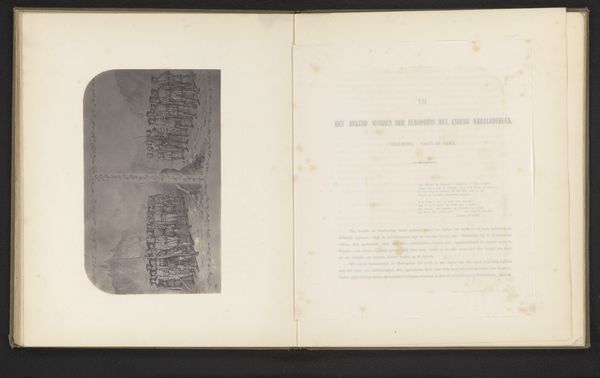
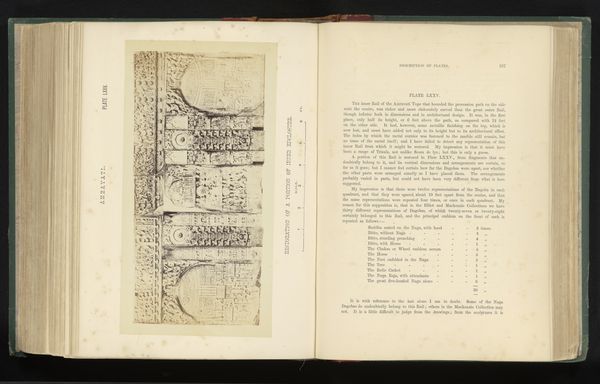
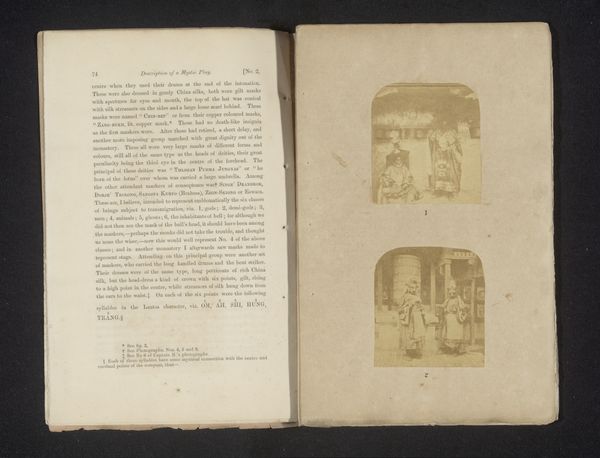
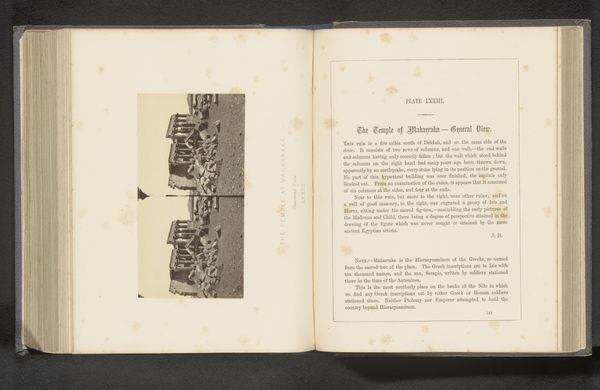
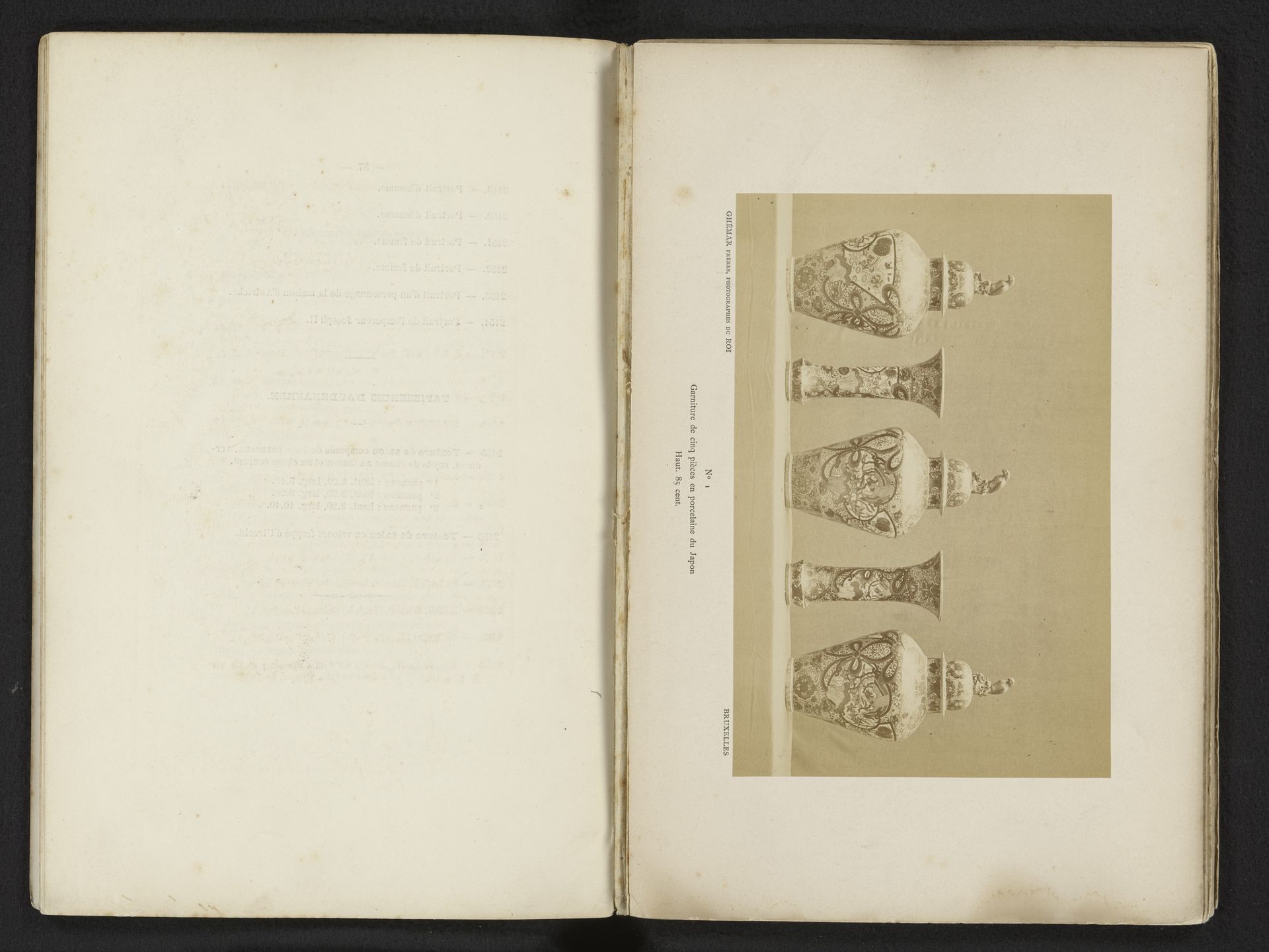
This photograph of five Japanese vases was created by Ghémar Frères. It’s a relatively small image, printed on a page in a book, so we’re already at a remove from the original objects. Photographs, like ceramics, are material things, made through complex processes. In this case, we see the work of a commercial photography studio, the Ghémar Frères, who specialized in reproducing artworks and architectural views. The resulting image here depends on the optics of the lens, the chemistry of the photographic emulsion, and the mechanics of the printing press. The photograph is a kind of industrial product, part of a vast system of global exchange, and itself an act of consumption. It offers the viewer a glimpse into Japanese craftsmanship, but the true subject might be the network of international trade and taste that made the image – and the vases themselves – available to a European audience. It reminds us that all art, even the most apparently rarefied, is bound up in a world of making and selling.

Artwork details
- Medium
- albumen-print, photography, albumen-print
- Dimensions
- height 124 mm, width 194 mm
- Location
- Rijksmuseum
- Copyright
- Rijks Museum: Open Domain
Tags
Comments
Share your thoughts
About this artwork
This photograph of five Japanese vases was created by Ghémar Frères. It’s a relatively small image, printed on a page in a book, so we’re already at a remove from the original objects. Photographs, like ceramics, are material things, made through complex processes. In this case, we see the work of a commercial photography studio, the Ghémar Frères, who specialized in reproducing artworks and architectural views. The resulting image here depends on the optics of the lens, the chemistry of the photographic emulsion, and the mechanics of the printing press. The photograph is a kind of industrial product, part of a vast system of global exchange, and itself an act of consumption. It offers the viewer a glimpse into Japanese craftsmanship, but the true subject might be the network of international trade and taste that made the image – and the vases themselves – available to a European audience. It reminds us that all art, even the most apparently rarefied, is bound up in a world of making and selling.
Comments
Share your thoughts