About this artwork
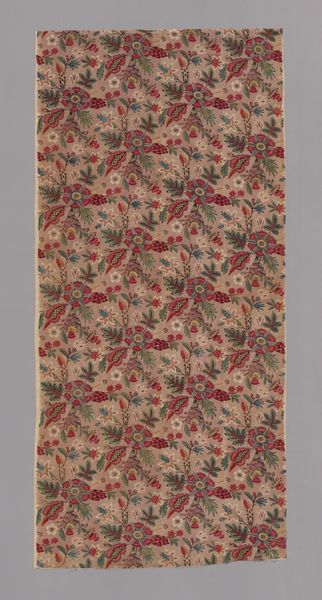
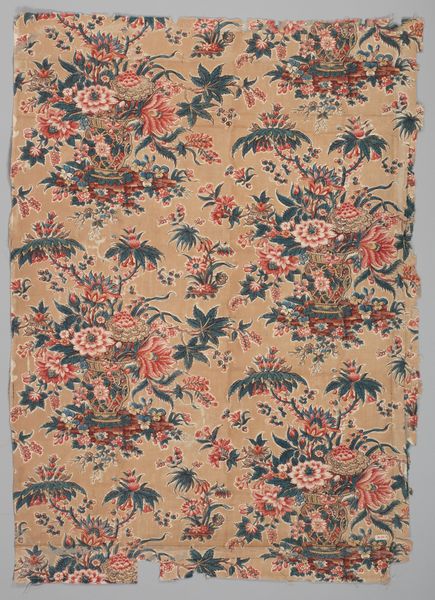
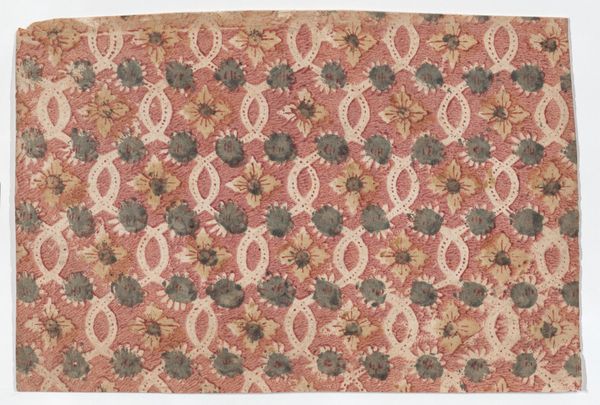
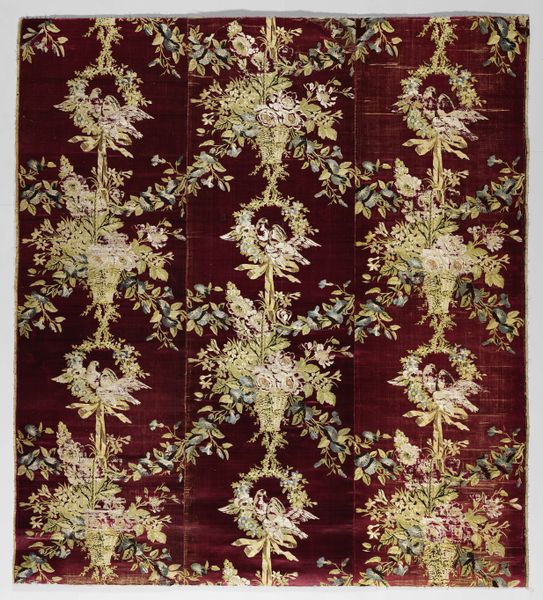
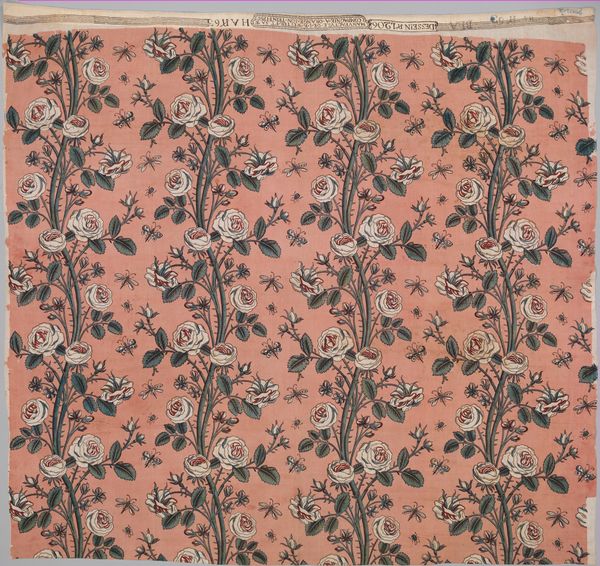
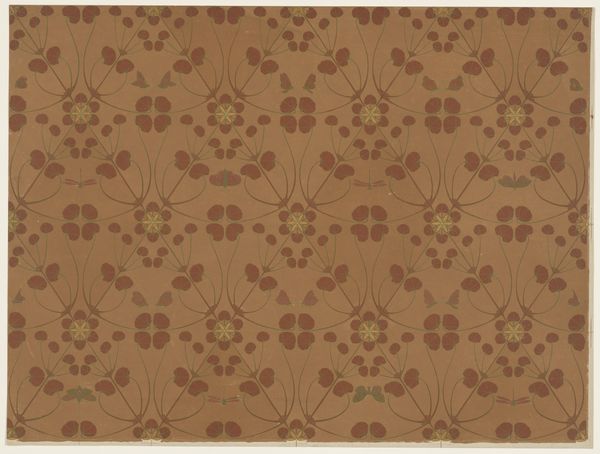
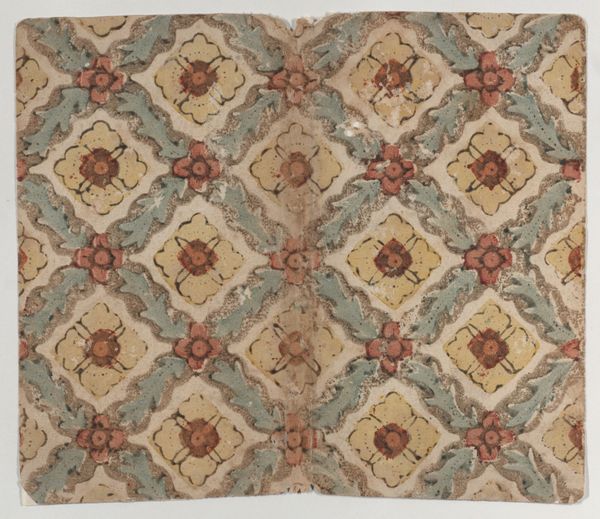
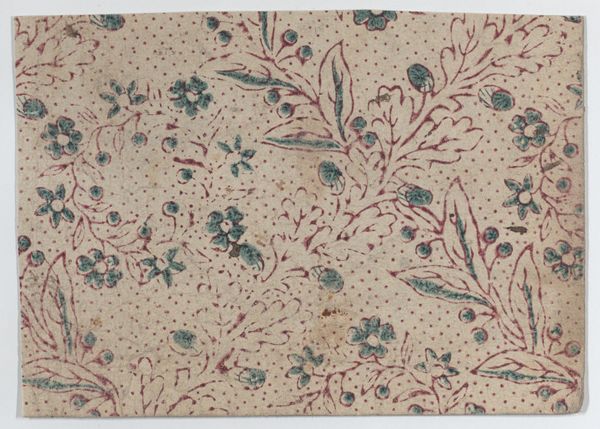
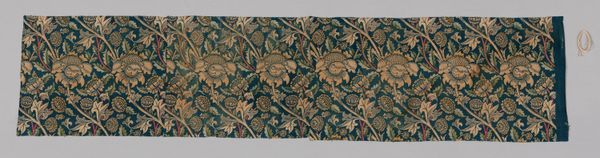
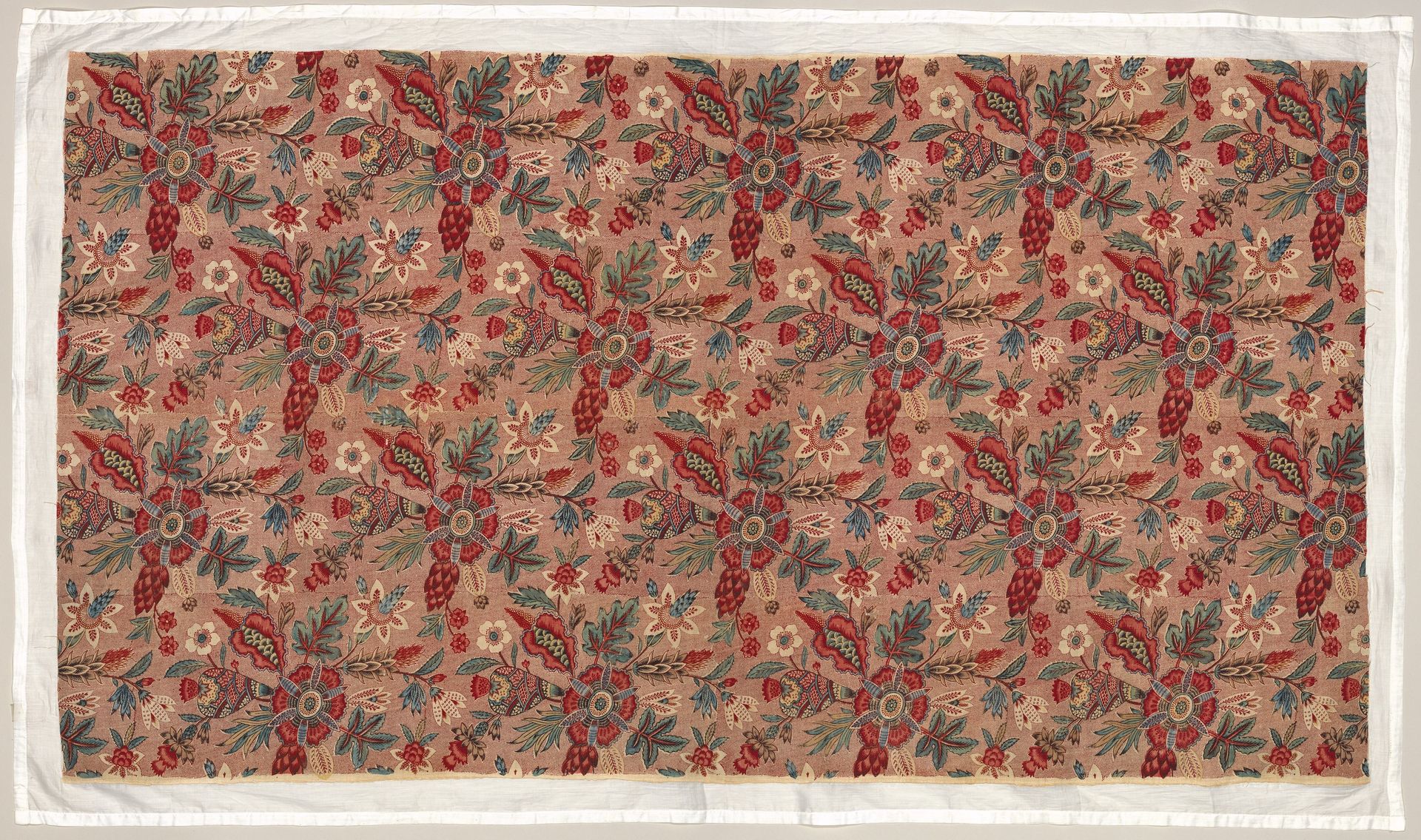
This "Piece" was created by the Oberkampf Manufactory between 1760 and 1843. Notice how the textile is dominated by a symmetrical, repeated pattern. The design features stylized floral and foliate motifs in red, green, blue and beige against a muted salmon backdrop. This pattern’s regularity gives rise to questions about repetition and seriality. The artwork reflects broader artistic and philosophical concerns of its time. The structured arrangement of the print, with its grid-like organization, can be interpreted through the lens of structuralism. It uses a semiotic system of signs where each motif contributes to the overall visual language. The repetition and symmetry create a sense of order, but the variations in color and form disrupt complete uniformity, challenging the idea of fixed meanings. Consider how the textile’s formal qualities, such as its balanced composition and repeated patterns, play a role in its reception and ongoing interpretation.
Piece 1785 - 1799

Oberkampf Manufactory
1760 - 1843
The Metropolitan Museum of Art
Metropolitan Museum of Art, New York, NYArtwork details
- Dimensions
- L. 51 x W. 31 inches 129.5 x 78.7 cm
- Location
- Metropolitan Museum of Art, New York, NY
- Copyright
- Public Domain
Comments
No comments
About this artwork
This "Piece" was created by the Oberkampf Manufactory between 1760 and 1843. Notice how the textile is dominated by a symmetrical, repeated pattern. The design features stylized floral and foliate motifs in red, green, blue and beige against a muted salmon backdrop. This pattern’s regularity gives rise to questions about repetition and seriality. The artwork reflects broader artistic and philosophical concerns of its time. The structured arrangement of the print, with its grid-like organization, can be interpreted through the lens of structuralism. It uses a semiotic system of signs where each motif contributes to the overall visual language. The repetition and symmetry create a sense of order, but the variations in color and form disrupt complete uniformity, challenging the idea of fixed meanings. Consider how the textile’s formal qualities, such as its balanced composition and repeated patterns, play a role in its reception and ongoing interpretation.
Comments
No comments