About this artwork
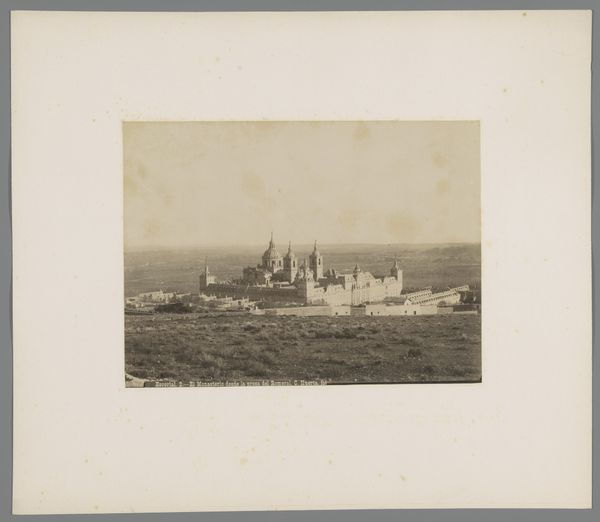
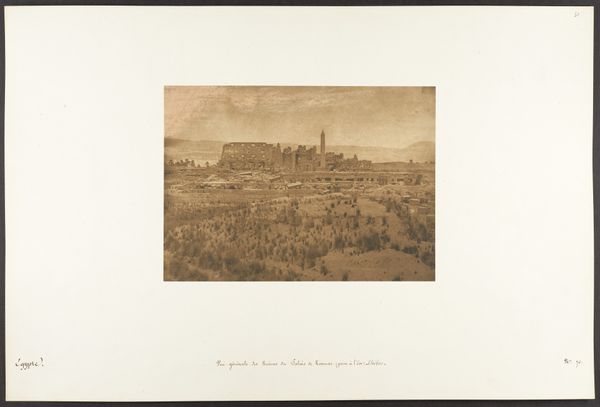
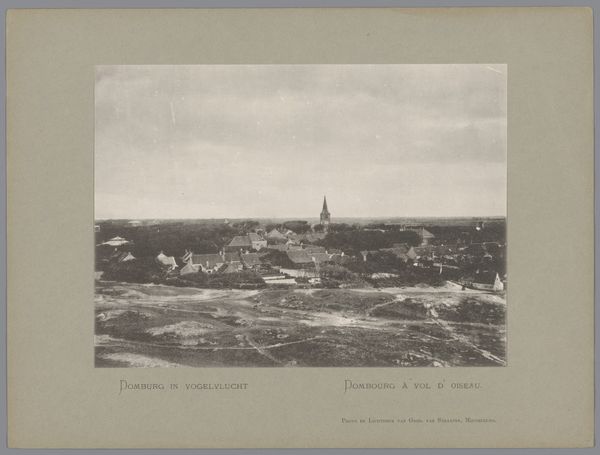
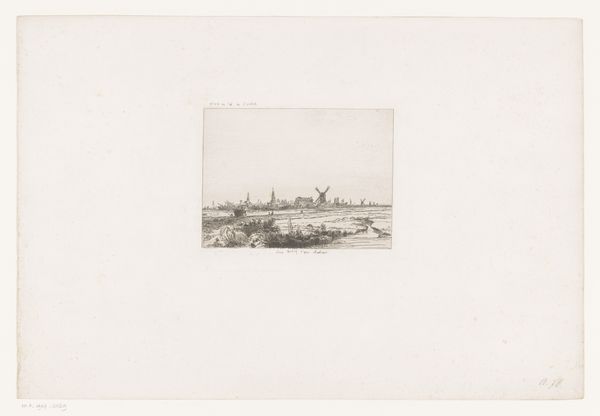
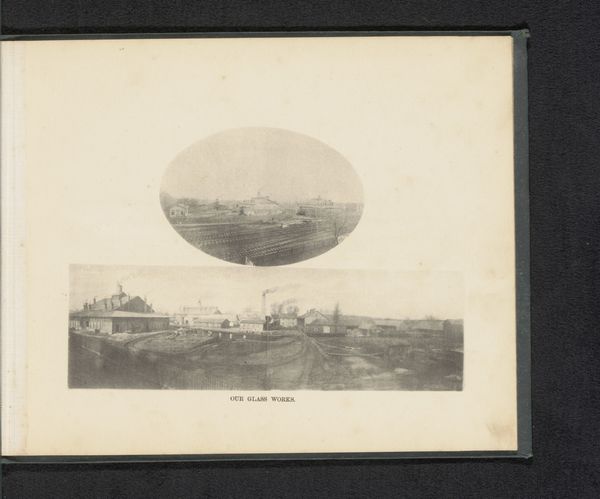
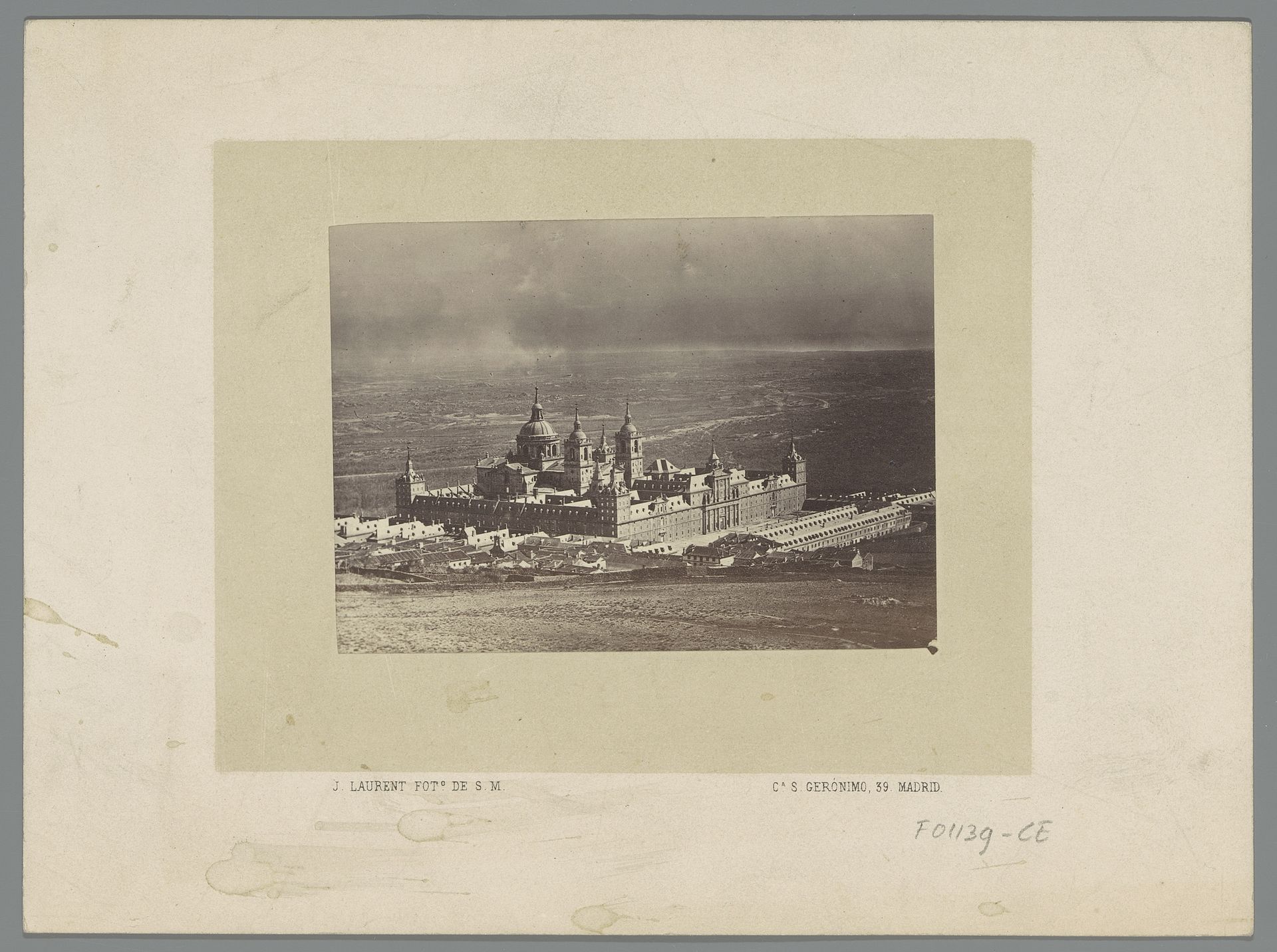
Juan Laurent produced this albumen print of the Escorial, near San Lorenzo de El Escorial, Spain, during the 19th century. The Escorial, a vast complex including a monastery, royal palace, and library, served as a powerful symbol of the Spanish monarchy and the Catholic Church. Laurent's photograph is interesting because of its seemingly neutral perspective, yet it subtly reinforces the Escorial's imposing presence. Consider the social and political context in which it was made: Spain was undergoing significant changes, including the decline of its empire and internal political struggles. As a tool for documentation, photography helped preserve images of national monuments. The history of photography is intertwined with that of tourism and cultural preservation. The image, therefore, is not just a record, but a statement about Spanish identity and heritage. By studying photographs like these, along with other historical materials, we can better understand how national identity is constructed.
Gezicht op het Escorial nabij San Lorenzo de El Escorial
1856 - 1863

Juan Laurent
1816 - 1886Location
RijksmuseumArtwork details
- Dimensions
- height 145 mm, width 196 mm
- Location
- Rijksmuseum
- Copyright
- Rijks Museum: Open Domain
Comments
Share your thoughts
About this artwork
Juan Laurent produced this albumen print of the Escorial, near San Lorenzo de El Escorial, Spain, during the 19th century. The Escorial, a vast complex including a monastery, royal palace, and library, served as a powerful symbol of the Spanish monarchy and the Catholic Church. Laurent's photograph is interesting because of its seemingly neutral perspective, yet it subtly reinforces the Escorial's imposing presence. Consider the social and political context in which it was made: Spain was undergoing significant changes, including the decline of its empire and internal political struggles. As a tool for documentation, photography helped preserve images of national monuments. The history of photography is intertwined with that of tourism and cultural preservation. The image, therefore, is not just a record, but a statement about Spanish identity and heritage. By studying photographs like these, along with other historical materials, we can better understand how national identity is constructed.
Comments
Share your thoughts