after 1550
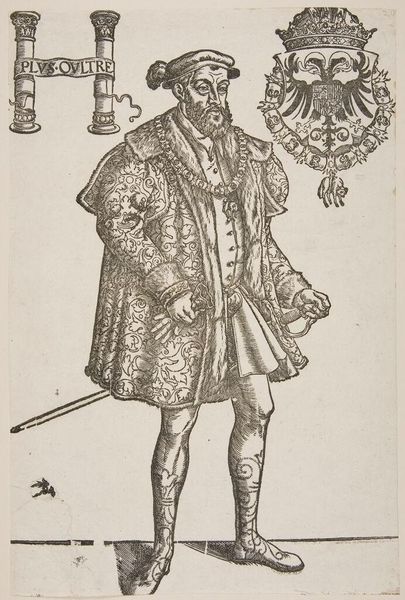
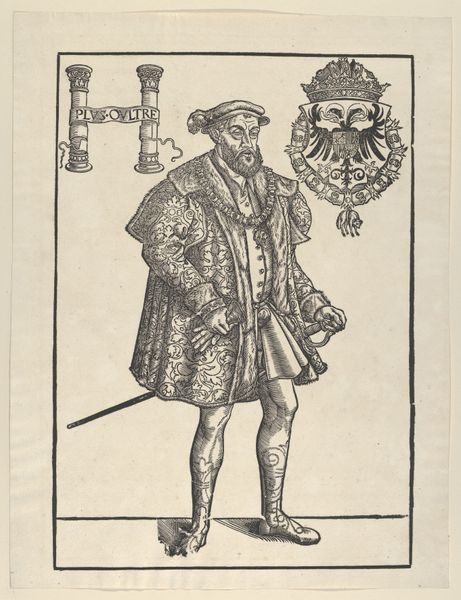
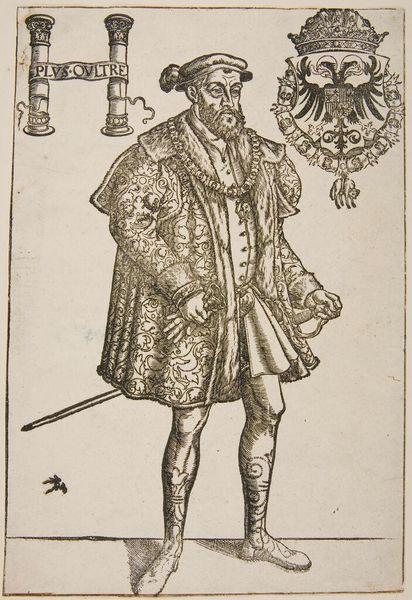
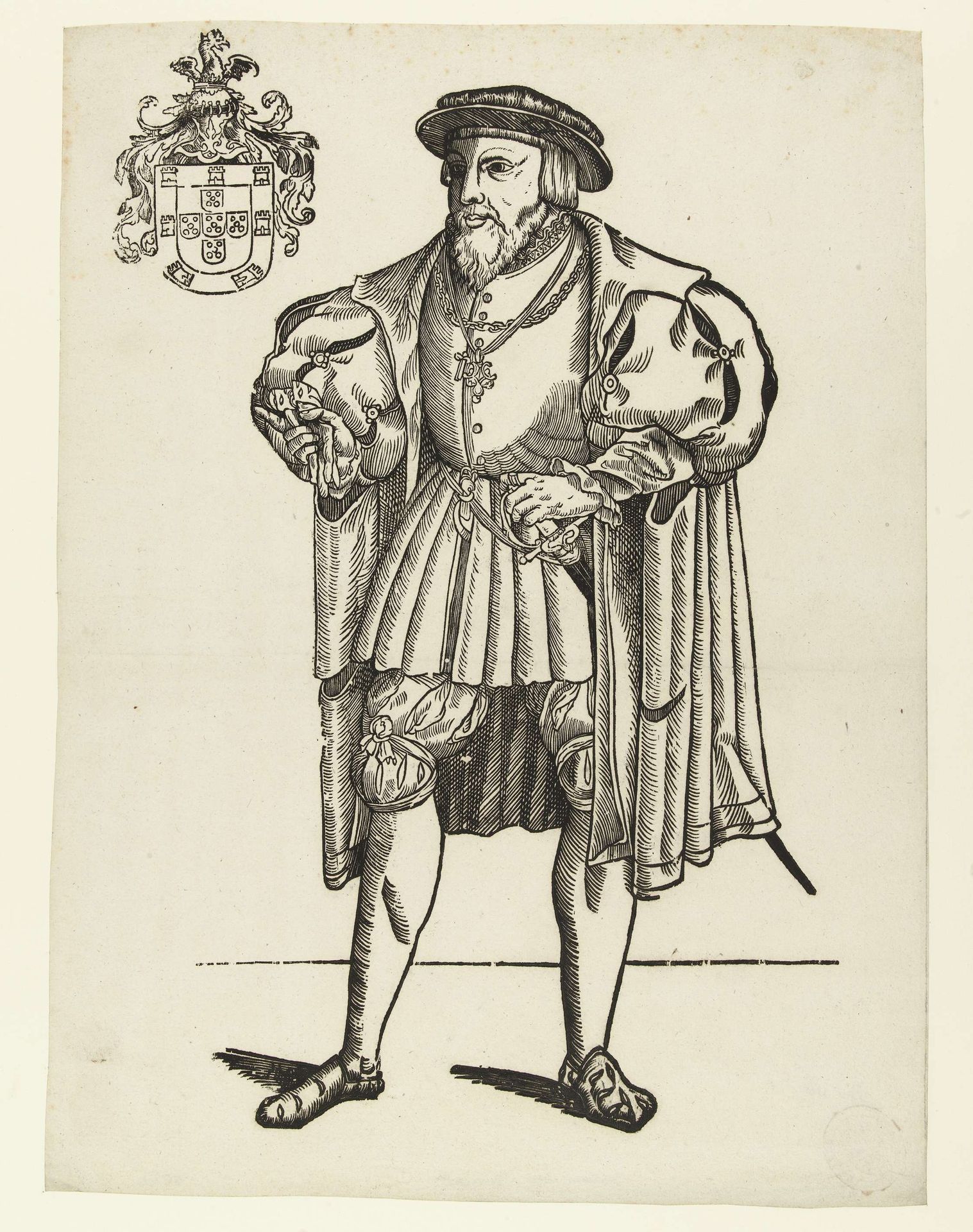
Portret van Johannes III van Portugal

Cornelis Anthonisz.
1499 - 1553Location
RijksmuseumListen to curator's interpretation
Curatorial notes
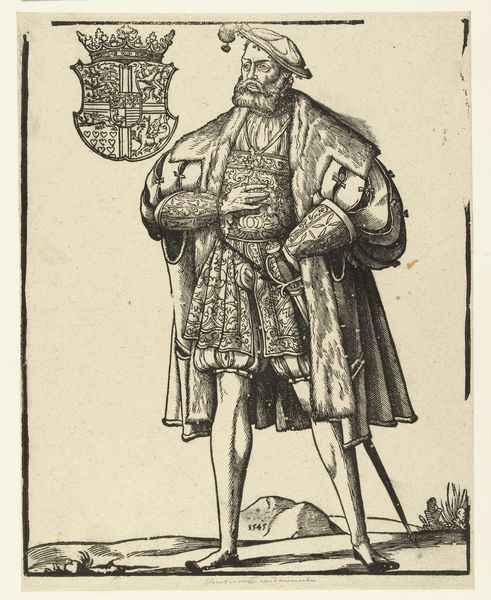
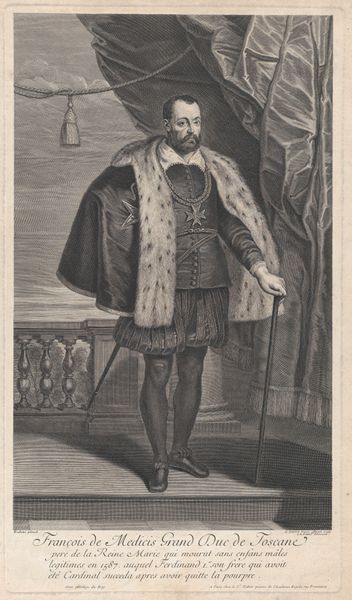
Cornelis Anthonisz. made this woodcut portrait of John III of Portugal. The choice of woodcut is significant. As a relatively inexpensive medium, it was well-suited to disseminating images widely, contributing to the construction of royal authority. Here, every line meticulously carved into the woodblock serves to define the king's status. Note the stark contrast between light and shadow, achieved through careful cutting. The process itself reflects the socio-economic landscape of the time. Woodcutting, while requiring skill, was more accessible than other printmaking methods. It allowed for a broader range of artists and workshops to participate in image production, meeting the growing demand for printed materials. Consider also the labor involved: the artist, the block cutter, and the printer, each contributing to the final product. This collaborative effort highlights the complex relationship between art, labor, and the burgeoning print industry. By understanding the material and processes behind this portrait, we gain insight into the cultural and economic forces that shaped its creation.