About this artwork
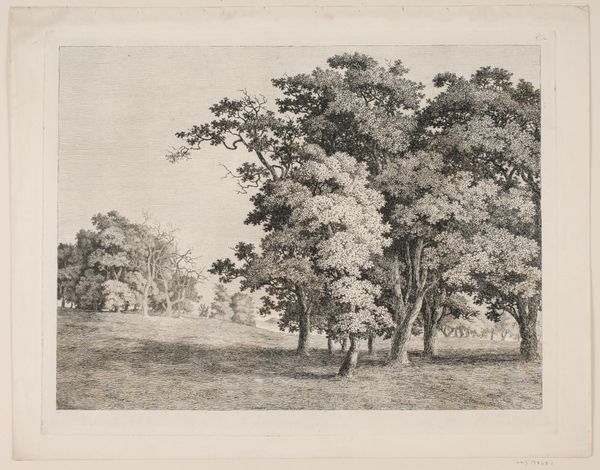
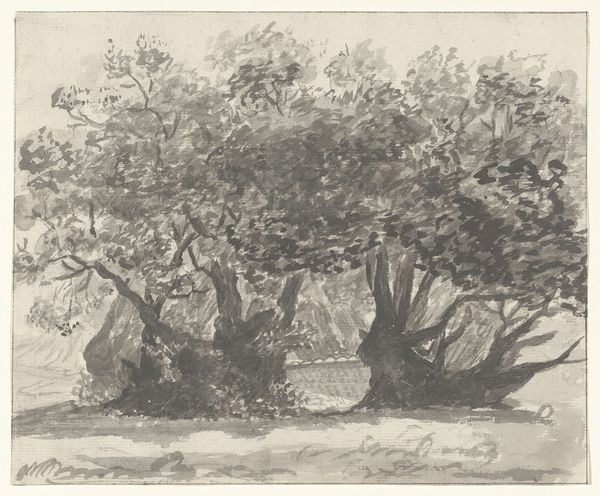
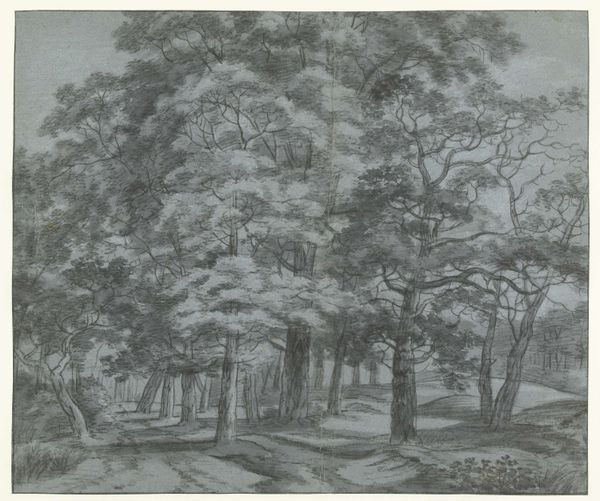
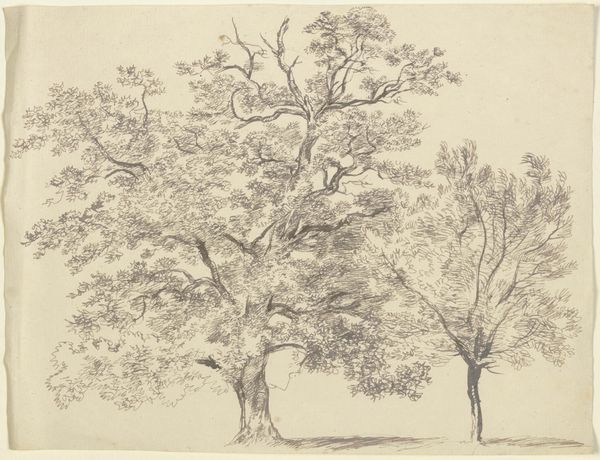
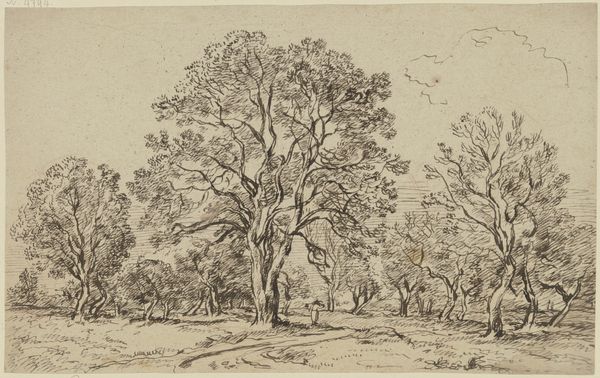
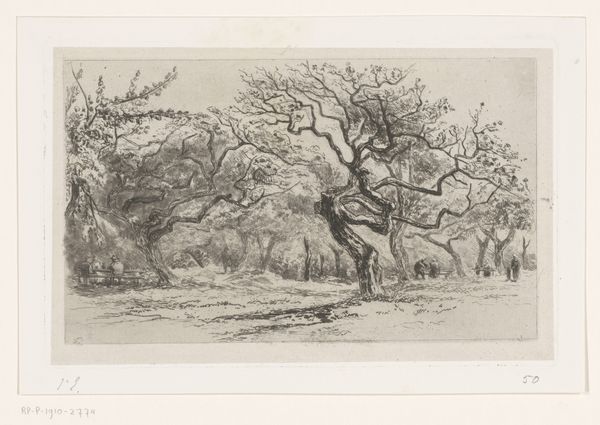
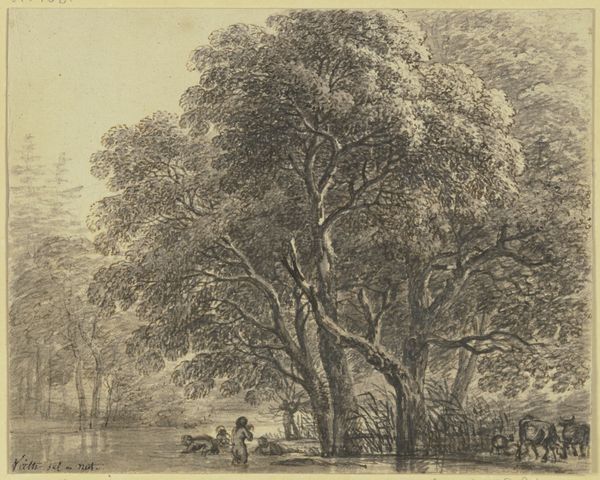
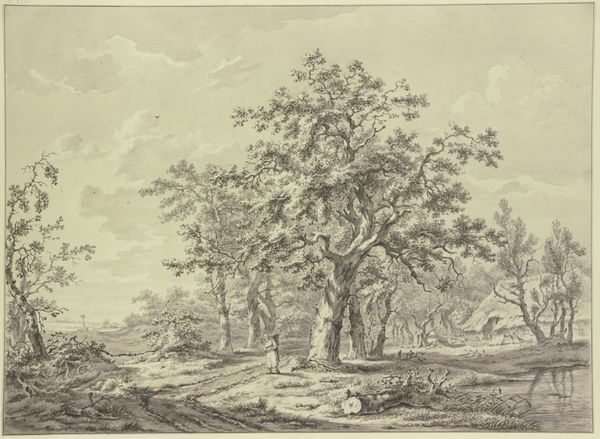
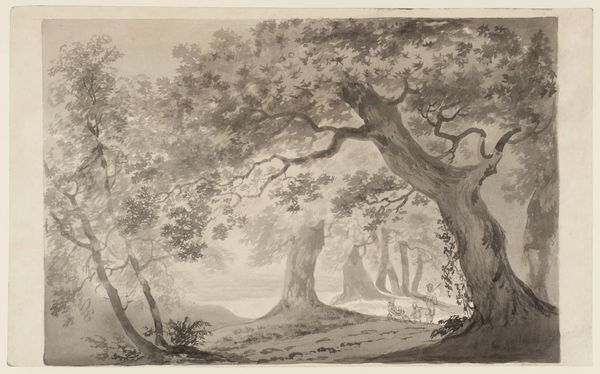
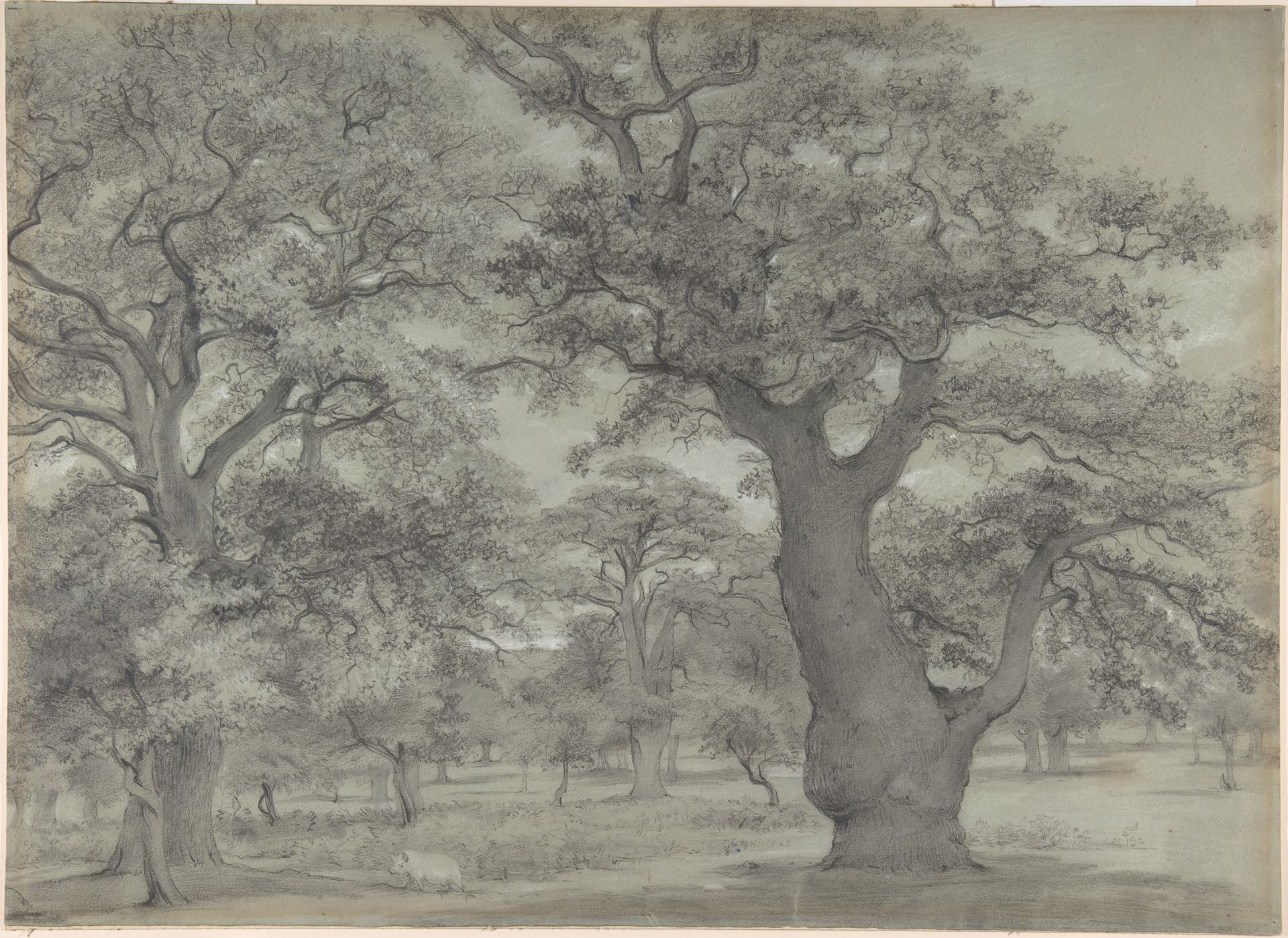
This drawing, "Oak Forest with a Pig," was made by an anonymous artist, and we don't have any information about when. This lack of information is striking. The absence of the artist's name prompts us to consider how social and institutional forces determine who gets remembered and whose work becomes part of the historical narrative. The image itself depicts a common scene, seemingly without any grand narrative or overt social commentary. Yet, it is precisely in this apparent simplicity that we can find social meaning. Landscapes, particularly those featuring working animals, often reflect ideas about land use, property, and the relationship between humans and nature. Without knowing the historical context of this drawing, we are left to speculate about its intended audience and purpose. Was it a study, a preparatory sketch, or an artwork in its own right? To understand it better, we would need to consult historical records, farming manuals, and estate inventories. Art history is about more than just aesthetics; it's about understanding the complex interplay of social, economic, and cultural forces that shape the production and reception of art.
Oak Forest with a Pig
1800 - 1900


Artwork details
- Medium
- drawing, pencil
- Dimensions
- sheet: 14 3/4 x 20 1/4 in. (37.4 x 51.4 cm)
- Location
- Metropolitan Museum of Art, New York, NY
- Copyright
- Public Domain
Tags
Comments
Share your thoughts
About this artwork
This drawing, "Oak Forest with a Pig," was made by an anonymous artist, and we don't have any information about when. This lack of information is striking. The absence of the artist's name prompts us to consider how social and institutional forces determine who gets remembered and whose work becomes part of the historical narrative. The image itself depicts a common scene, seemingly without any grand narrative or overt social commentary. Yet, it is precisely in this apparent simplicity that we can find social meaning. Landscapes, particularly those featuring working animals, often reflect ideas about land use, property, and the relationship between humans and nature. Without knowing the historical context of this drawing, we are left to speculate about its intended audience and purpose. Was it a study, a preparatory sketch, or an artwork in its own right? To understand it better, we would need to consult historical records, farming manuals, and estate inventories. Art history is about more than just aesthetics; it's about understanding the complex interplay of social, economic, and cultural forces that shape the production and reception of art.
Comments
Share your thoughts