About this artwork
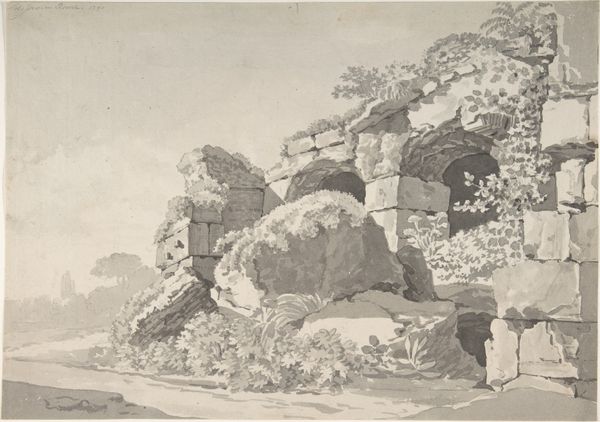
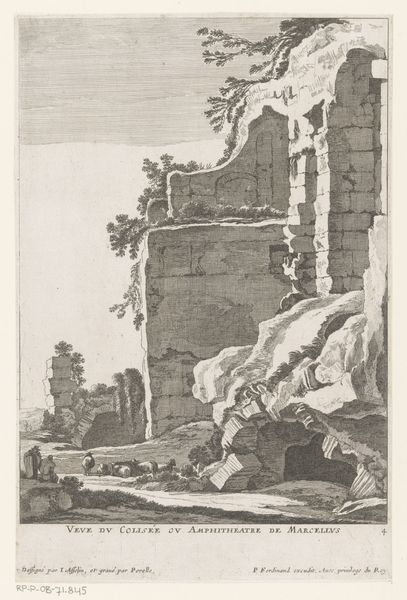
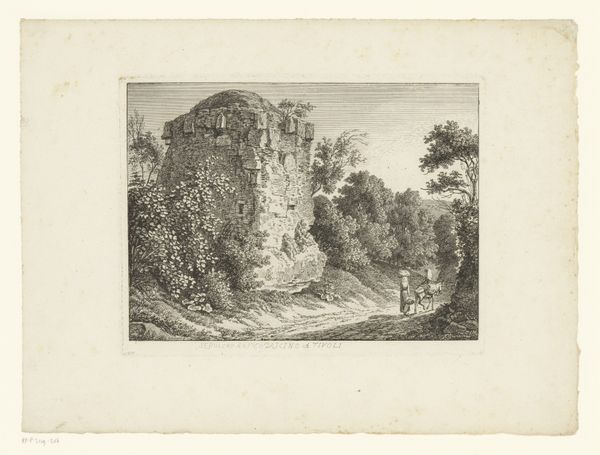
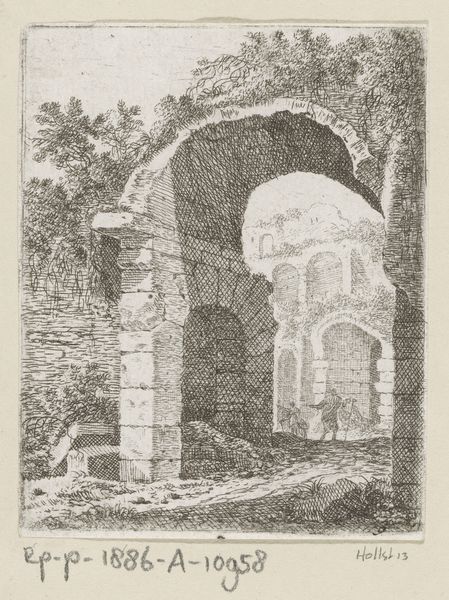
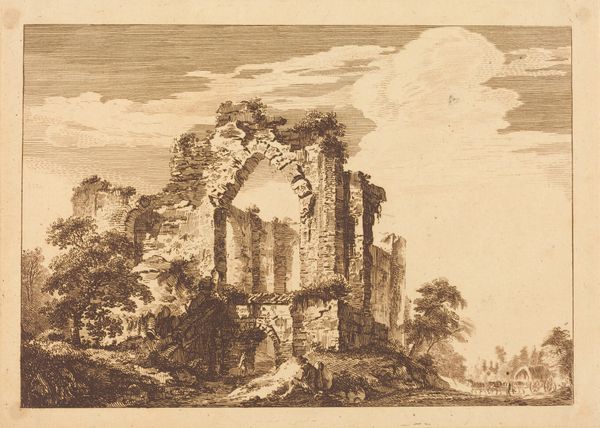
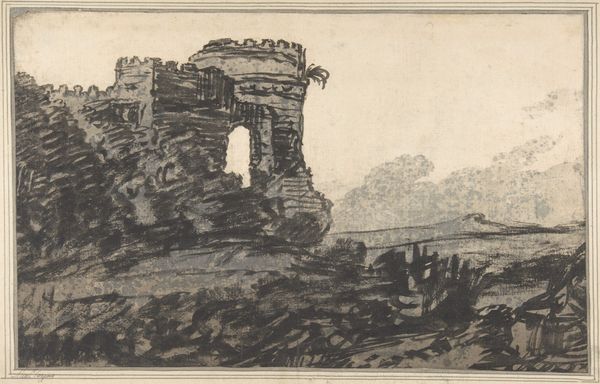
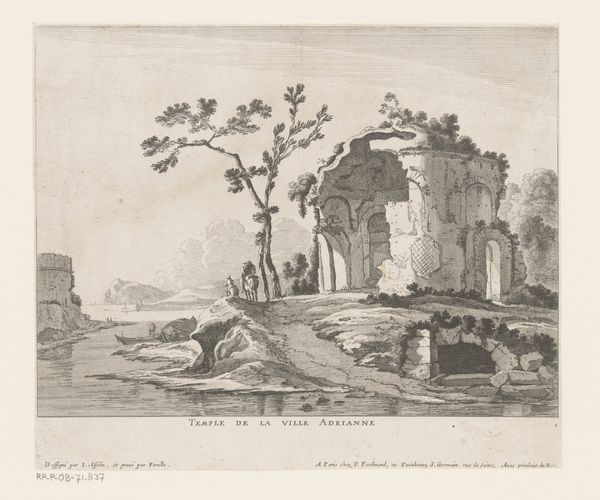
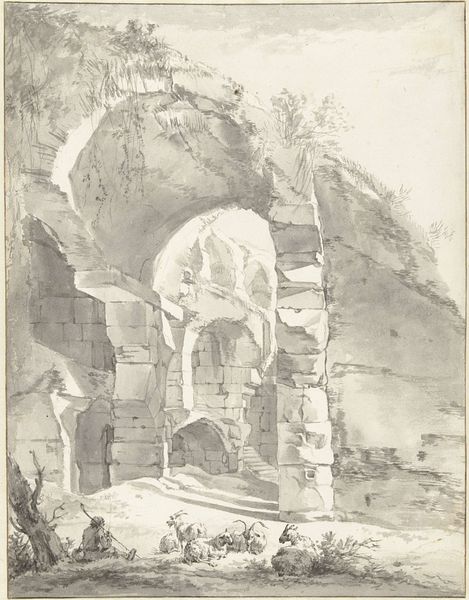
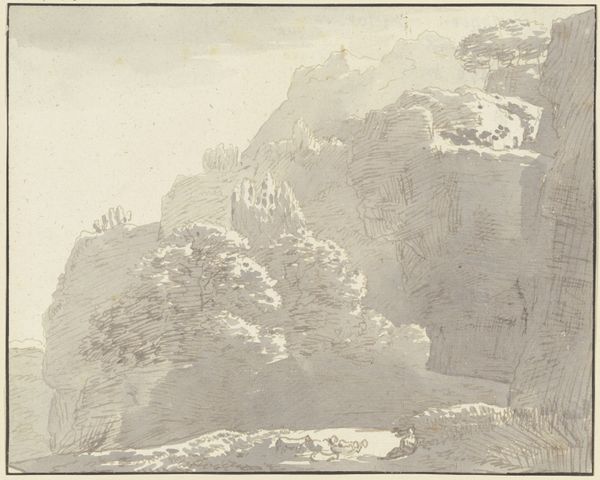
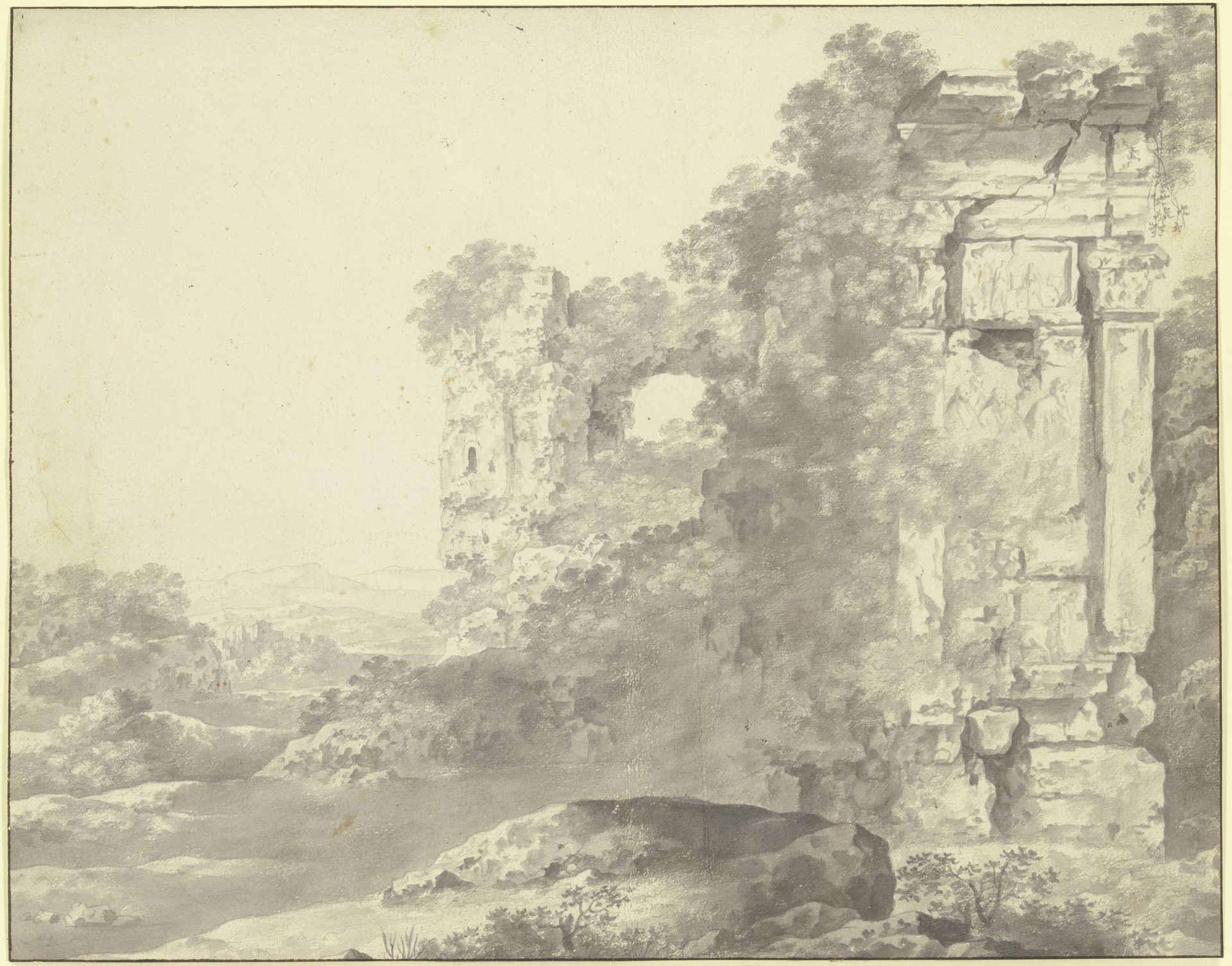
Cornelis van Poelenburch created this drawing of Roman ruins using pen and brush with grey wash. The drawing, rendered almost entirely in shades of grey, evokes a sense of calm and melancholy, contrasting the solidity of the architectural forms with the soft fluidity of the surrounding landscape. Note how Poelenburch arranges the ruins in a composition that leans heavily on vertical and horizontal lines. The ruins themselves, stark and angular, act as a structural frame, against which nature seems to both encroach and soften. This tension between the constructed and the organic underscores a theme of time and decay. The architectural elements, rendered with careful attention to their geometrical forms, are juxtaposed against the looser, more gestural brushstrokes that define the vegetation. The drawing invites us to contemplate the layers of history and artistic interpretation. It is not just a depiction of ruins but an exploration of how we perceive and construct meaning through form and representation.


Artwork details
- Medium
- drawing, ink, indian-ink, architecture
- Location
- Städel Museum
- Copyright
- Public Domain
Tags
Comments
Share your thoughts
About this artwork
Cornelis van Poelenburch created this drawing of Roman ruins using pen and brush with grey wash. The drawing, rendered almost entirely in shades of grey, evokes a sense of calm and melancholy, contrasting the solidity of the architectural forms with the soft fluidity of the surrounding landscape. Note how Poelenburch arranges the ruins in a composition that leans heavily on vertical and horizontal lines. The ruins themselves, stark and angular, act as a structural frame, against which nature seems to both encroach and soften. This tension between the constructed and the organic underscores a theme of time and decay. The architectural elements, rendered with careful attention to their geometrical forms, are juxtaposed against the looser, more gestural brushstrokes that define the vegetation. The drawing invites us to contemplate the layers of history and artistic interpretation. It is not just a depiction of ruins but an exploration of how we perceive and construct meaning through form and representation.
Comments
Share your thoughts